Police chase that killed innocent bystanders in KC started with robbery at knifepoint
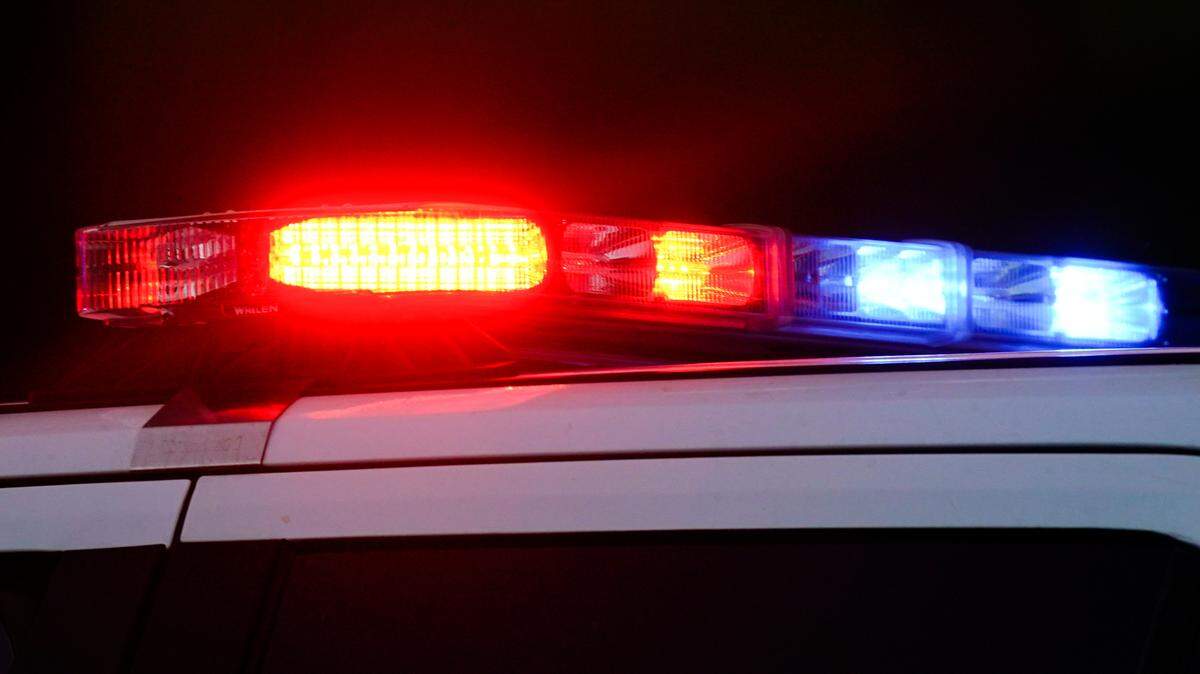
A high-speed police chase that ended with a crash in Kansas City that killed two innocent bystanders Sunday was started in response to a carjacking at knifepoint, according to charging documents released Thursday.
The Jackson County Prosecutor’s Office charged a 30-year-old man with murder after he led Kansas City, Kansas, police on a pursuit across the state line that reached speeds of 100 mph before ending with a crash in east Kansas City.
Killed in the wreck were innocent bystanders Juan Avila, 26, and Gabriela Trejo-Garcia, 44.
Charles Matthews of Kansas City, Kansas, is charged with two counts of murder in the second degree and resisting arrest, according to Michael Mansur, a spokesman for the office.
According to the charging documents, the incident began when Kansas City, Kansas, police responded to calls about an armed robbery at 11:46 p.m. Sunday near 420 North 18th Street.
A police investigation discovered that Matthews had run up to a GMC Terrain parked in front of the location and pointed a knife at a 13-year-old boy who was standing by the vehicle, according to court documents.
“Get back,” Matthews allegedly said, before driving the vehicle west on Orville Avenue from 18th Street.
Shortly after, Kansas City, Kansas, officers located the car and attempted to stop the vehicle with emergency lights and sirens, but failed.
By 2:02 a.m. Monday morning, the chase had continued into Jackson County, where the GMC Terrain traveled east on Independence Avenue at speeds of nearly 100 miles per hour, according to court documents.
Matthews disregarded traffic signals, documents said, and burst through a red traffic light at the corner of Independence and Hardesty Ave.
His vehicle crashed into a Nissan Altima traveling north. He was transported to a medical facility, where he received treatment for serious injuries, documents said. Matthews allegedly told police he had not slept and smoked methamphetamine in the five days leading up to the chase, according to documents.
Avila, who was sitting in the Nissan’s passenger seat, died at the scene. Facebook posts indicate that Avila’s family is attempting to raise money to have his body returned home to Honduras.
The driver of the Nissan, Trejo-Garcia, was transported to an area medical facility for life threatening injuries. She died shortly after.
Police pursuits
In a Tuesday statement, Kansas City, Kansas Police Chief Karl Oakman wished his condolences to the families of Avila and Trejo-Garcia and promised to hold Matthews accountable.
“It is never acceptable when the reckless actions of the suspect results in serious injury or death of others,” he said.
Oakman also announced an internal investigation into the officers’ actions to ensure department procedures around police pursuits were appropriately followed.
The Kansas City, Kansas Police Department has policies that dictate when a pursuit is necessary. But they specify that “while it is the officer who initiates the stop, it is the violator who initiates the pursuit,” according to department documents.
Officers must weigh the risk of harming themselves and others before engaging in a police chase, according to department procedures. The tactic should only be used if the officer believes the suspect has committed an “inherently dangerous felony” and has refused to stop. Any pursuit should be stopped or avoided entirely if it poses a risk to life or property, documents said.
Other factors such as road conditions, time of day and population density also need to be considered by officers.
Once a suspect begins to flee, an officer must call their dispatcher to provide a reason for the pursuit and describe the incident that required police make an initial stop. Resisting arrest alone does not warrant a pursuit, documents said.
Officers are required to turn on their police sirens and lights to alert others of the pursuit. A law enforcement unit supervisor may call off a police chase at any point.
During the chase, police cannot make contact with the fleeing vehicle, unless directed otherwise by a supervisor. Officers are also instructed to reduce their speed and continue cautiously through intersections, as part of an effort to prevent harm to pedestrians or other drivers, documents said.
This story was originally published January 12, 2023 at 9:49 PM.