Judge stops federal executions for 4, including Kansas man who killed teen and woman
A judge has temporarily halted the executions of four federal inmates, including a man convicted in the killing a 16-year-old Kansas City girl, as a lawsuit continues over how the government intends to carry out the death sentences.
The U.S. Department of Justice announced in July it had scheduled the executions of five death-row inmates across the country, including 67-year-old Wesley Ira Purkey, who is on death row in the killing of Jennifer Long. He was set to be executed Dec. 13.
In a Wednesday evening ruling, U.S. District Judge Tanya S. Chutka said the public is not served by “short-circuiting” a legitimate judicial process. Four of the five inmates have filed complaints against the Justice Department and the Federal Bureau of Prisons, and their executions are set to begin before their claims can be fully litigated, according to the ruling.
“It is greatly served by attempting to ensure that the most serious punishment is imposed lawfully,” Chutka wrote.
The executions would be the first carried out by the federal government since 2003. The fifth man’s execution was previously halted.
During a hearing in August, the government indicated it was “unwilling to stay the executions,” according to the judge’s order.
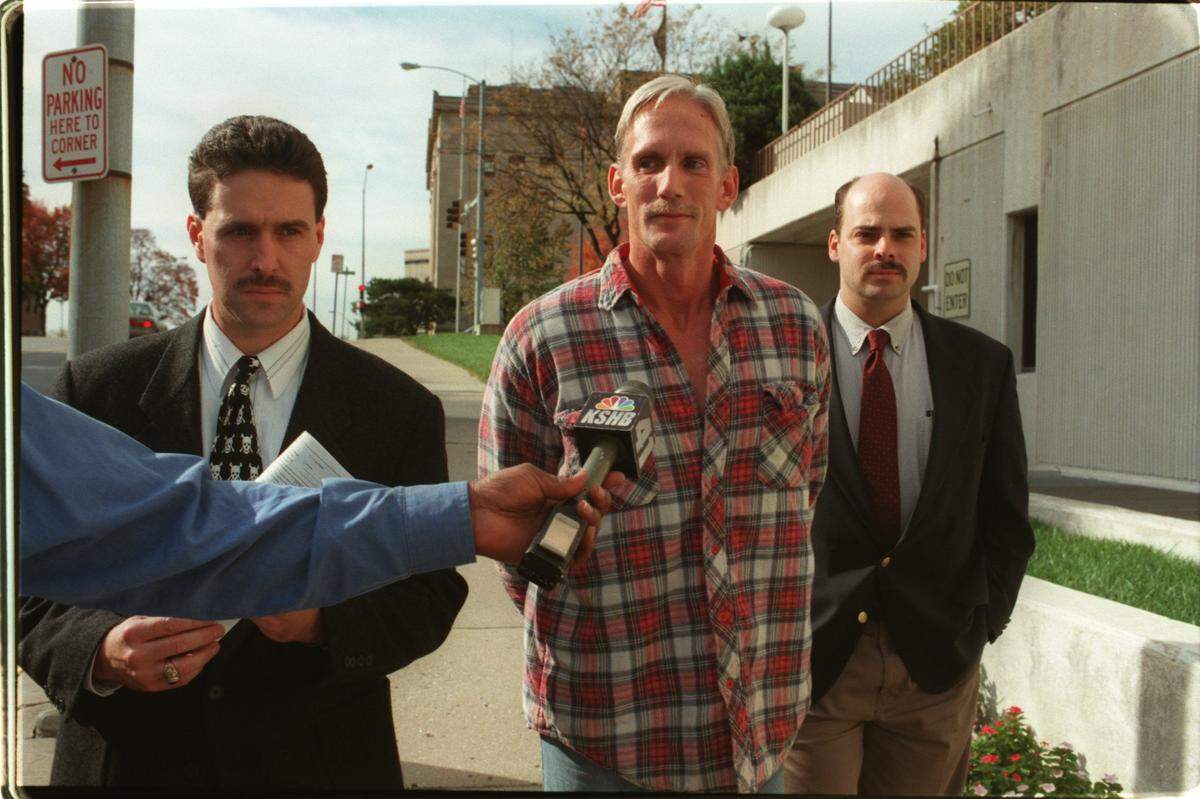
In 1998, Purkey drove into Kansas City from his home in Lansing, Kansas. He spotted Long walking on the sidewalk, pulled alongside her and asked if she wanted to party. She got in the pickup truck.
Inside his basement, Purkey raped Long and stabbed her repeatedly when she tried to escape, The Star has reported. Then over the course of two days, he used an electric chainsaw to cut her body into pieces, burning her remains in a fireplace fueled by logs and diesel fuel.
Nine months later, Purkey was arrested for the murder of 80-year-old Mary Ruth Bales, of Kansas City, Kansas. She had been beaten to death with a claw hammer. Purkey pleaded guilty to murder and was handed a life sentence.
In October 2001, Purkey admitted to killing Long. Having transported her across the state line, a federal crime, Purkey hoped he could serve his life sentence in what he deemed to be a more comfortable federal prison rather than a state prison.
He was found guilty of kidnapping a child resulting in the child’s death. Prosecutors sought the death penalty. Purkey recanted his confession, but in January 2004, he was sentenced to death.
The Associated Press contributed to this report.