
More schools in Lee’s Summit? Inside major changes fueled by bonds, local growth
Within the next few months, a major construction project in the Lee’s Summit R-7 School District will begin to take shape.
The 17,000-student district will break ground in the winter on a new school designed to replace a building originally built in the early 1900s.
It’s the result of a $225 million bond issue, approved by 75% of voters in April 2024. It funding new buildings to replace two of the district’s oldest schools as well as numerous other capital projects.
Elementary school consolidation off the table
But one component no longer in the mix is the closing of the downtown elementary school. A proposal under consideration and initially connected to the bond issue would have consolidated two elementaries at one site, but this is no longer included among the bond’s components.
In fall 2024, district officials announced plans to close Lee’s Summit Elementary School and renovate Westview Elementary so that Westview would house all students from both schools. The two schools have the smallest student populations among the district’s 18 elementaries. They have also seen declining enrollments over the years, with Lee’s Summit Elementary currently at 209 students and Westview Elementary at 269.
News of the historic school’s proposed closing quickly generated objections from both Lee’s Summit Elementary parents and the downtown community. Signs stating “Save our schools” and “Lee’s Summit Elementary is the heart of downtown” sprang up in the downtown area, and a Facebook group, called Stand with Lee’s Summit Elementary, formed to advocate for keeping the school open.
After hearing from community members involved in this grassroots response, the Board of Education passed a resolution last winter forming a committee of Lee’s Summit and Westview Elementary parents to study this issue. Based on this group’s recommendation, the consolidation of both schools is no longer part of the 2024 bond.
The district’s Comprehensive Facility Master Plan team is working on guidelines including a suite of potential recommendations to address school enrollments that fall below capacity or are over capacity. This group will meet annually beginning in 2027 to examine school-by-school enrollments, capacities and these guidelines, said superintendent David Buck.
New schools being built
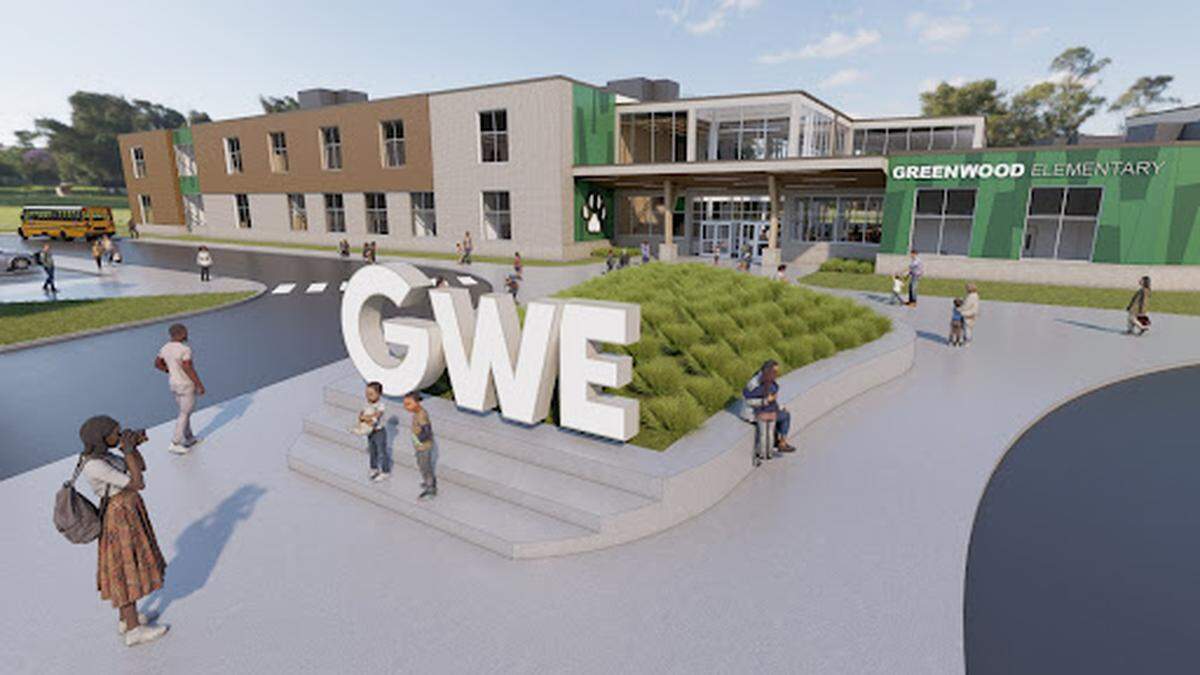
The two older schools being replaced by new buildings through the bond funds are Greenwood Elementary, originally constructed in 1910, and Hazel Grove Elementary, built in 1940. The new Greenwood school building is scheduled to open in fall 2027 with Hazel Grove’s target move-in date during summer 2028.
Construction on Greenwood’s new school is scheduled to begin by this spring. Hazel Grove’s groundbreaking is expected to take place in mid- to late 2026, according to school district officials.
After the students move into the new schools, the old school buildings will continue to be used for students or support services, Buck said.
“We had a reimagining group of citizens,” he said, “and they came up with nine different things they’d like to see in abandoned buildings to repurpose them, to reimagine them. We won’t act on those recommendations until we know what the budget looks like after the students are out.”
Both Greenwood and Hazel Grove are on very small plots of land — around 6 to 7 acres — when the standard size for an elementary site is 15 to 20 acres, Buck added. Land for the new Greenwood school had already been purchased just southeast of Hitt Park. The district has a contract on land for Hazel Grove Elementary and will be announcing this location after the purchase is final.
A major challenge for both older schools has been accessibility for students, staff and visitors with mobility issues, Buck said.
“If you have mobility issues, and you want to come to the Greenwood office, we have to meet you in the library and walk you through the library,” he shared. “Or if you’re going to the gym, you have to go down one side and go across the parking lot. The elevator’s on the opposite side, and there’s no connection.”
Hazel Grove has similar issues. “We have to meet you on the side of the building and bring you around to the office (for those with mobility challenges),” Buck said. “Or to get to the cafeteria, we have to take you outside, go down a hill and take you back in.”
Buck said Hazel Grove Elementary is the school with the worst infrastructure in the district including antiquated screw-in fuses instead of a breaker-box system.
Both new elementary schools will be larger than the old schools. Hazel Grove has around 312 students with Greenwood at 302. Each new school will be built to house around 550.
This will allow Hazel Grove to absorb additional enrollment anticipated due to a nearby new development recently initiated through the sale of land to the city by the Church of Jesus Christ of Latter-day Saints and its real estate arm, Property Reserve.
“North of the Colbern Road library, we are going to have around 250 homes built on the Property Reserve land, so Underwood Elementary wouldn’t be able to take them on. So this allows us to take that currently unoccupied land and make it part of the Hazel Grove area and build a Hazel Grove School that is bigger.”
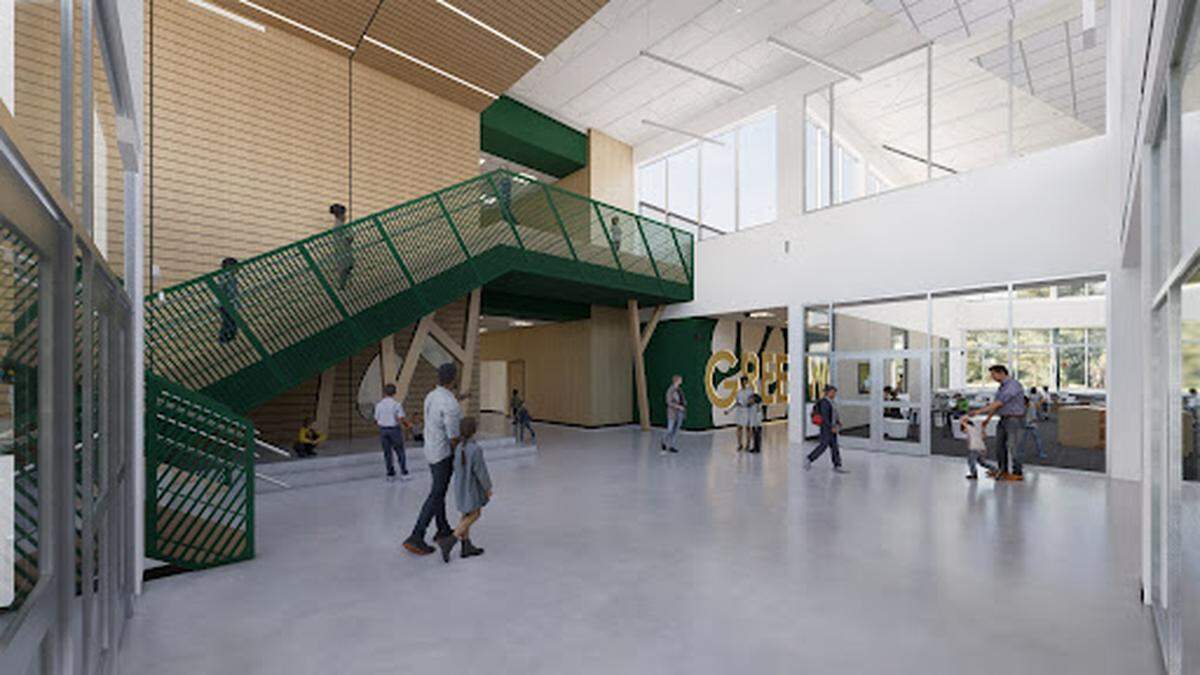
At Greenwood, the larger school means that area students will be able to attend a school closer to their homes.
“It will not only make it a more modern building,” Buck said, “but we also have — depending on the year — 130 to 170 students in Greenwood city that drive past Greenwood Elementary on a bus to Woodland Elementary. This will allow Greenwood Elementary to serve all of Greenwood. And that allows us to not worry about building another school in the southeast corner where we have seven subdivisions right now since Woodland can take on that growth.”
Growing with Lee’s Summit
Around 4,000 acres of land in Lee’s Summit, owned for decades by the LDS Church, is being sold. This land is destined for future residential and commercial development. To prepare for the projected increase in families, the school district has earmarked approximately $10 million of bond issue funds to purchase land in order to prepare for projected growth over the next few decades.
“When it is all built out, the City of Lee’s Summit thinks we’ll have 40,000 more people in the city than we do now,” Buck said, which is roughly a 40% increase in the city’s population over the next 30 years. “We have a contract with the LDS Church now — we haven’t closed yet — for five elementary sites, another middle school site and another high school site.”
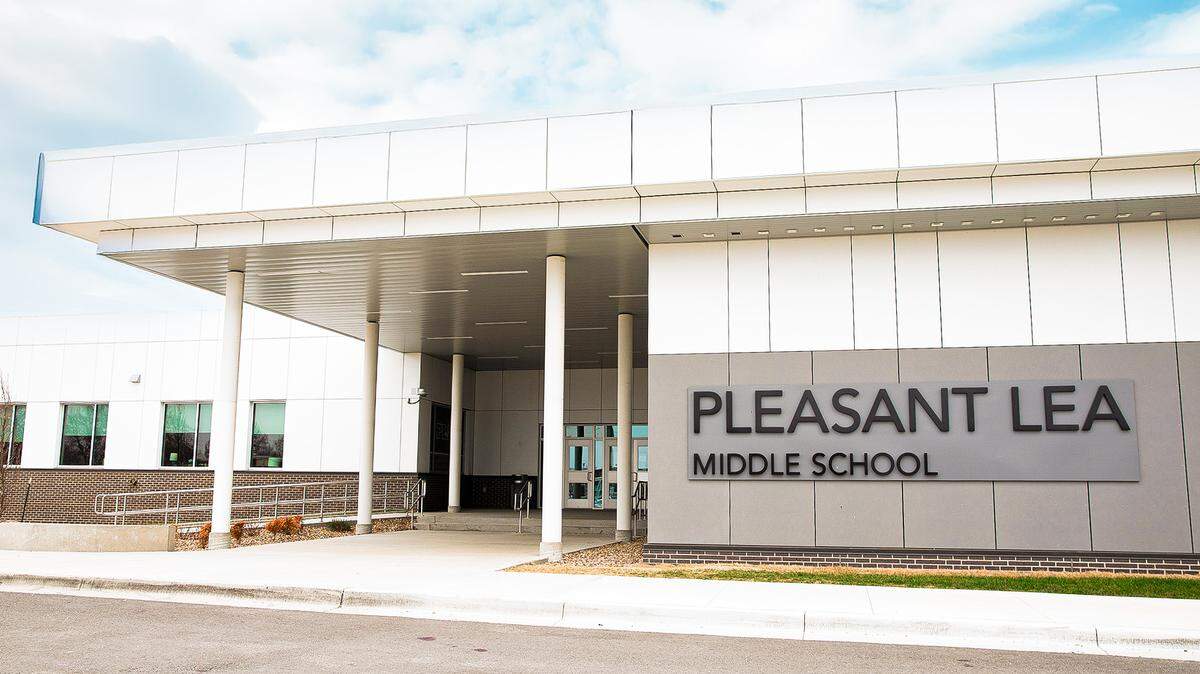
Other projects funded through the bond issue include sixth-grade addition at Pleasant Lea Middle School, renovations at Miller Park Center, updates to the baseball and softball fields at Lee’s Summit North and Lee’s Summit West High Schools, soccer and band field upgrades at all three high schools, safety and security improvements throughout the district and classroom furniture.
One of the first bond issue projects to be completed was a new aerospace classroom to serve a program offered by the district’s Summit Technology Academy. Through a partnership with the City of Lee’s Summit, the classroom is located at the airport owned by the city.
For more information about the $225 million bond issue, visit this webpage.