Neighbors on high alert even after data center firm pulls out of Spring Hill
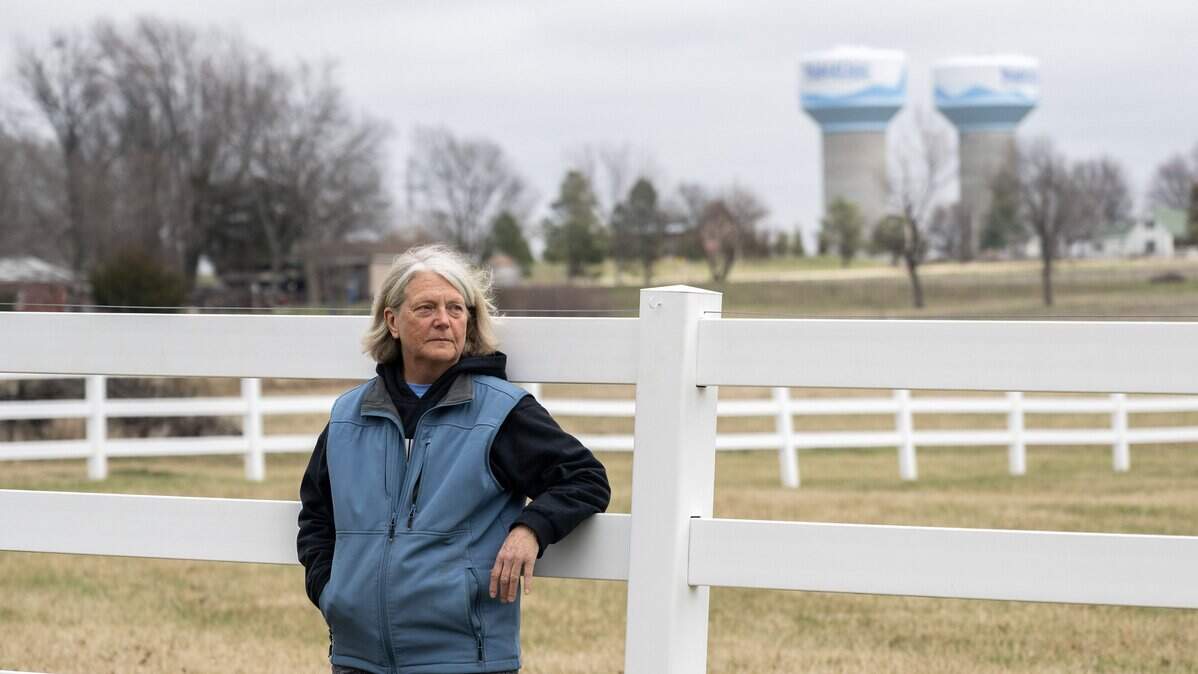
When Carol Peterson and her husband were looking to retire, they found Spring Hill to be the “perfect area,” for them, Peterson said.
After living in the Parkville area for a number of years, they now own 10 acres of land on a street of 12 homes, which each have their own swaths of acreage.
“We were looking for some peace and quiet. I love seeing the stars at night again. Being out by the airport for a number of years I couldn’t see them,” Peterson said. “But again that was a choice we made. This was our choice to be away.”
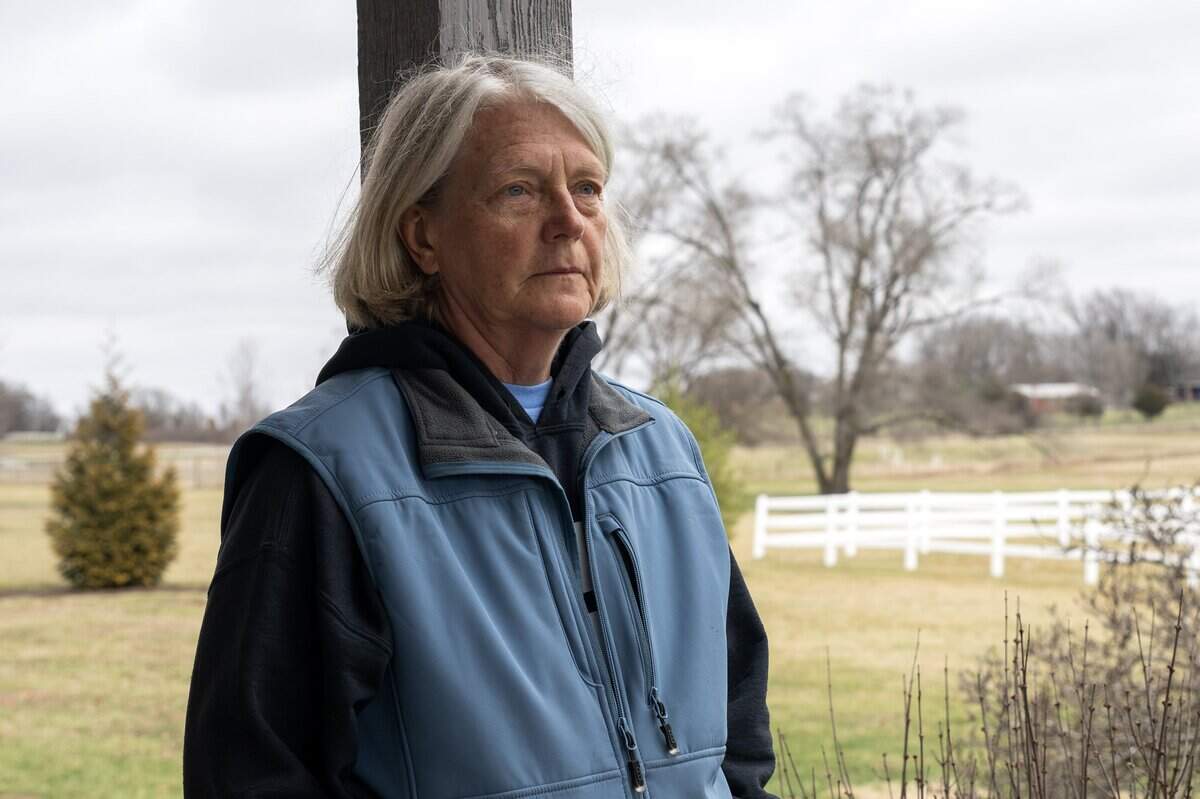
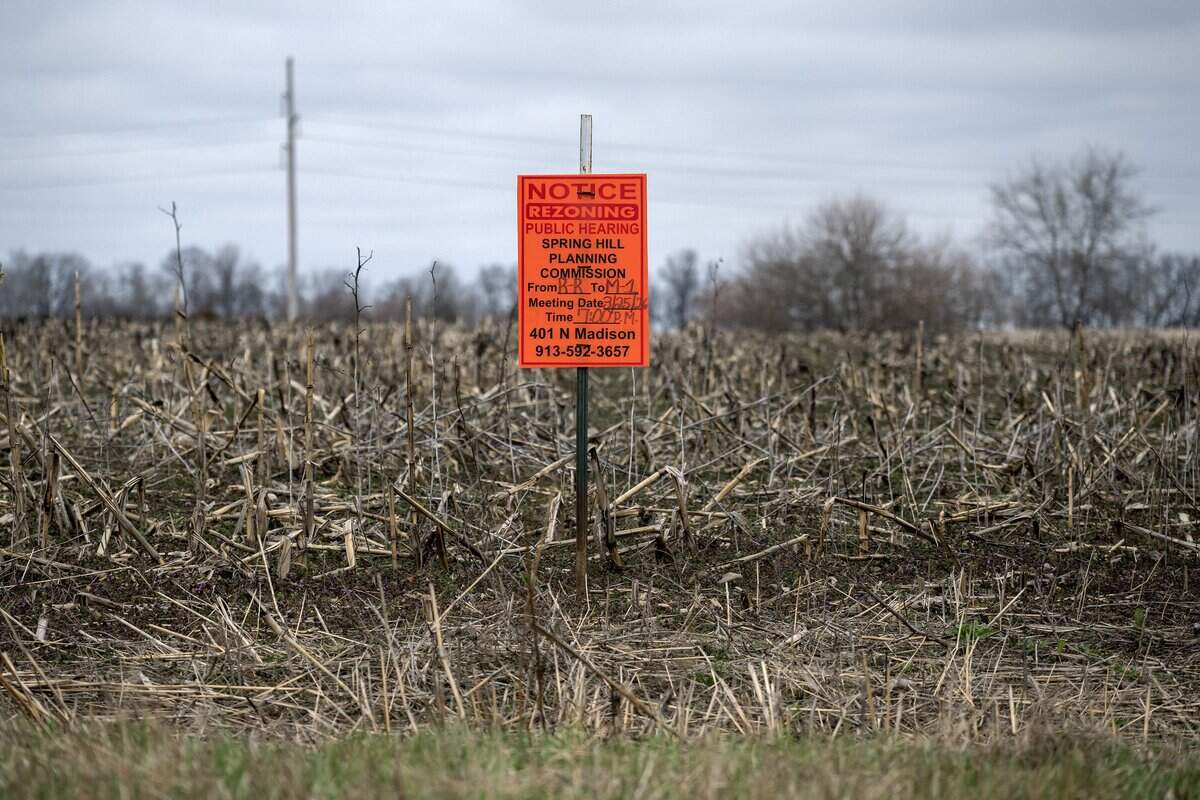
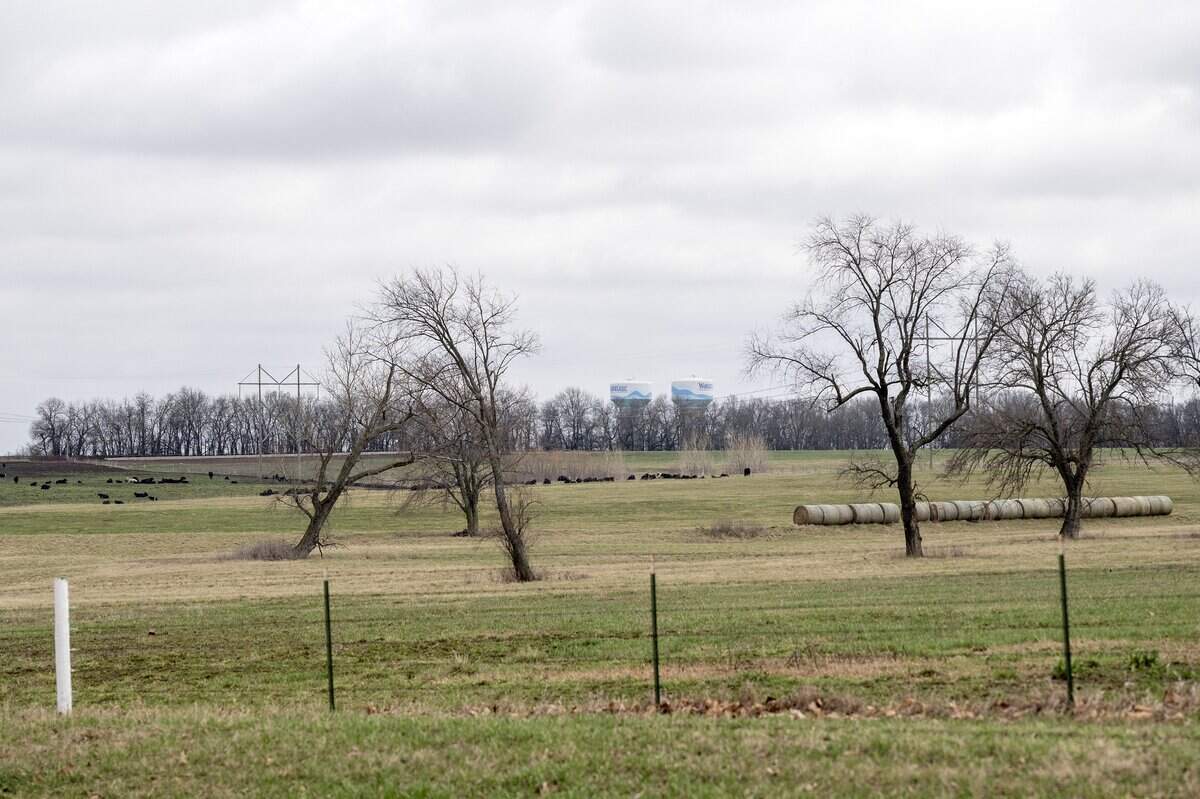
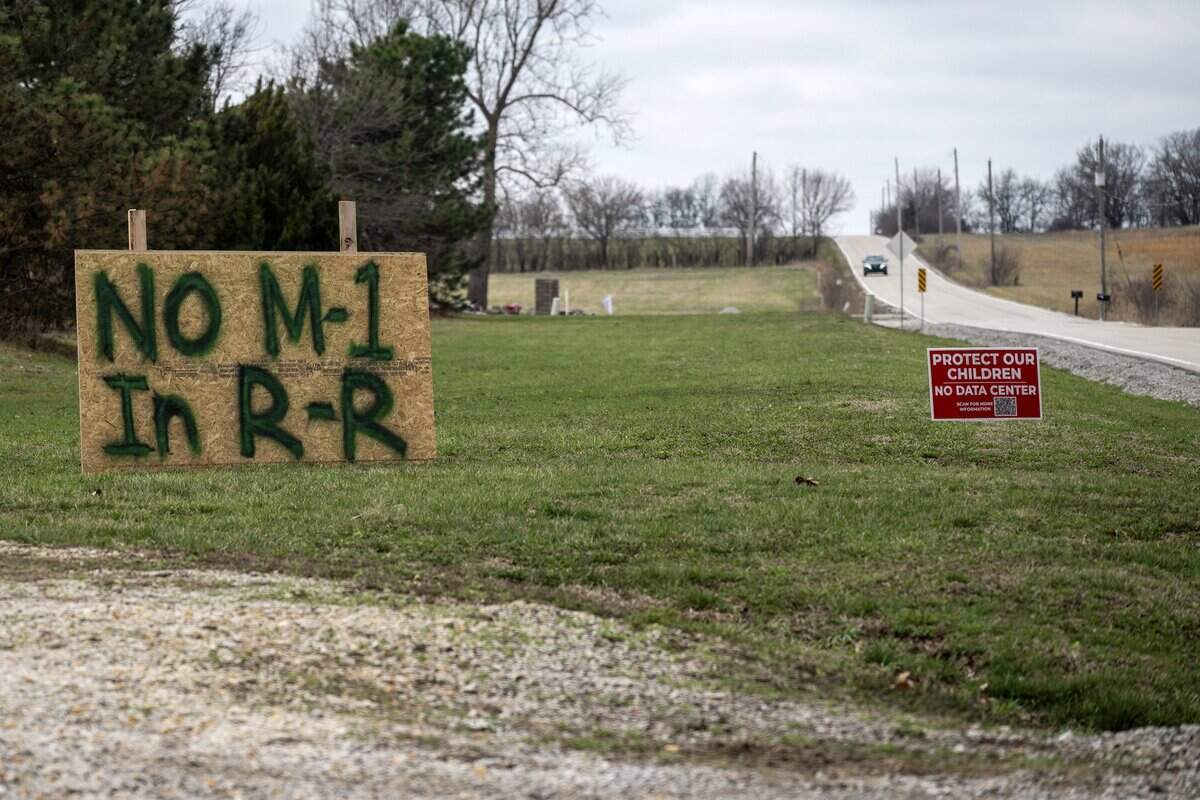
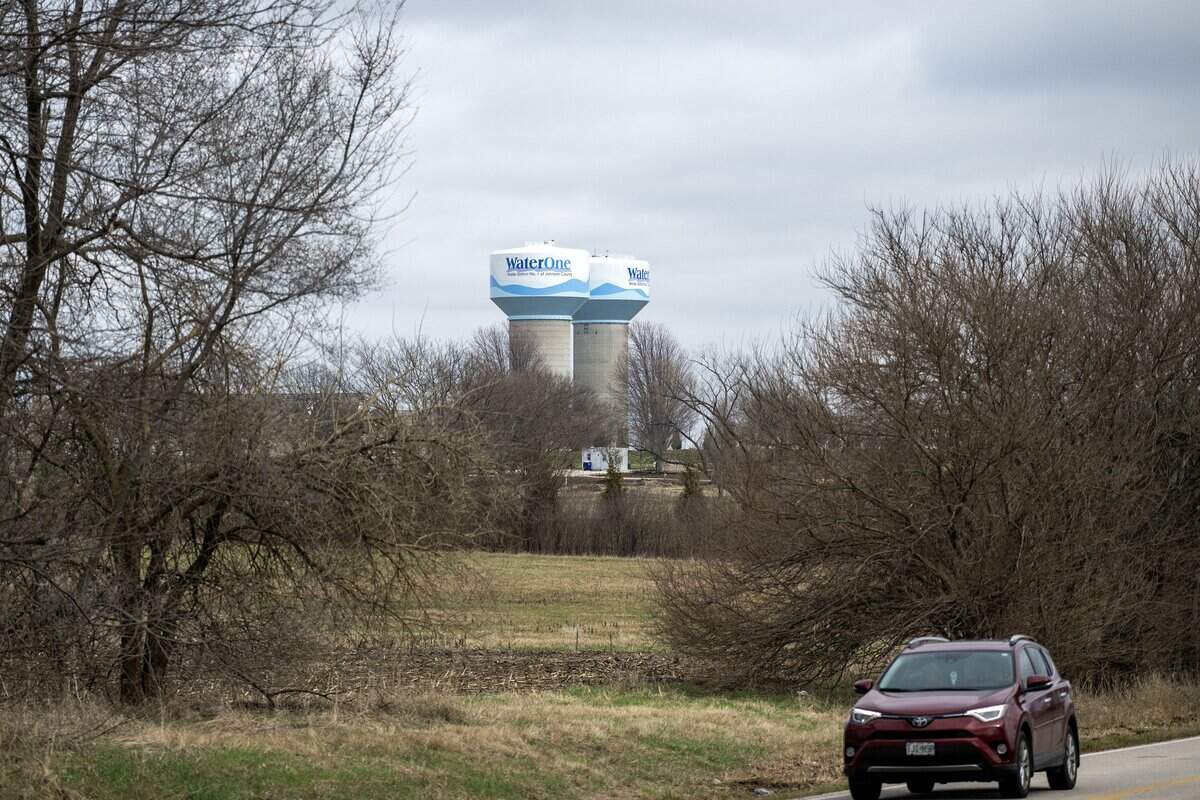
Just a few weeks ago, Peterson worried that the beloved rural feel of her community would change when a proposal came forward to rezone more than 300 acres of a rural residential area to industrial on the southeast corner of 191st Street and Renner Road.
While the city of Spring Hill didn’t identify what the land would be used for, nor the applicant who sought the rezoning, many residents feared that it may become a data center.
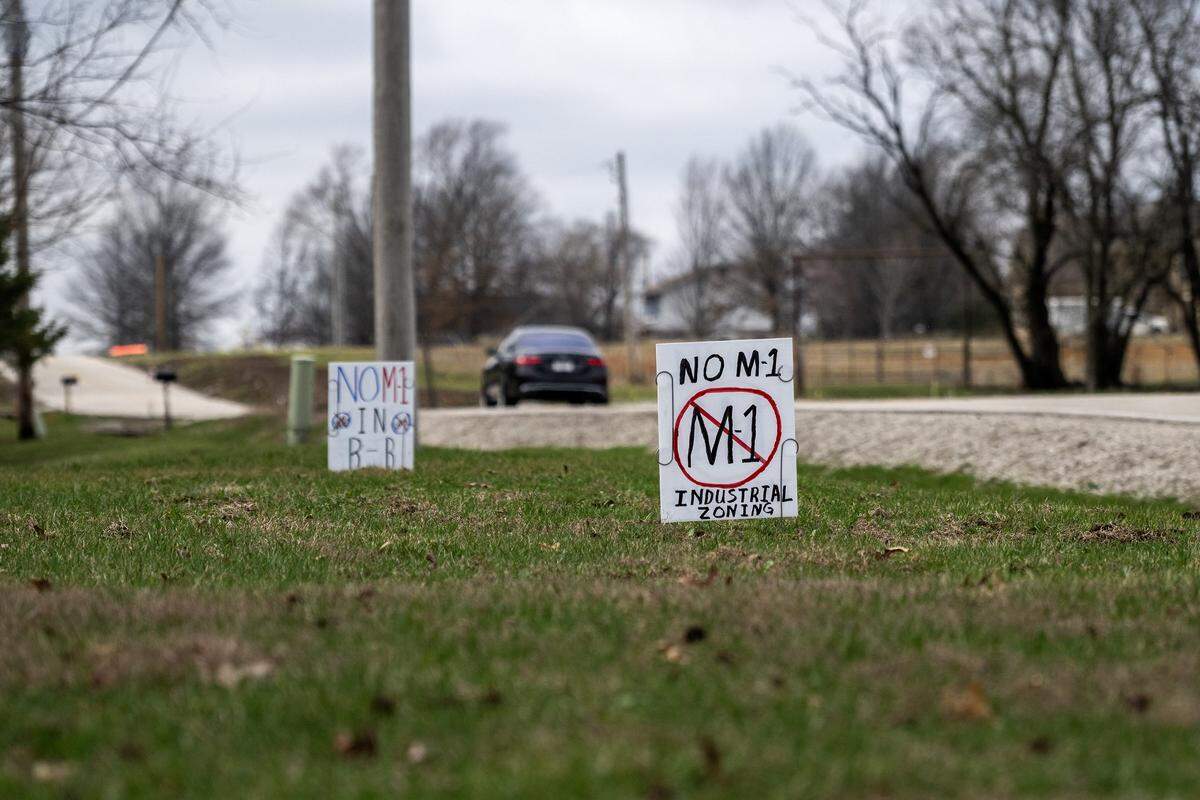
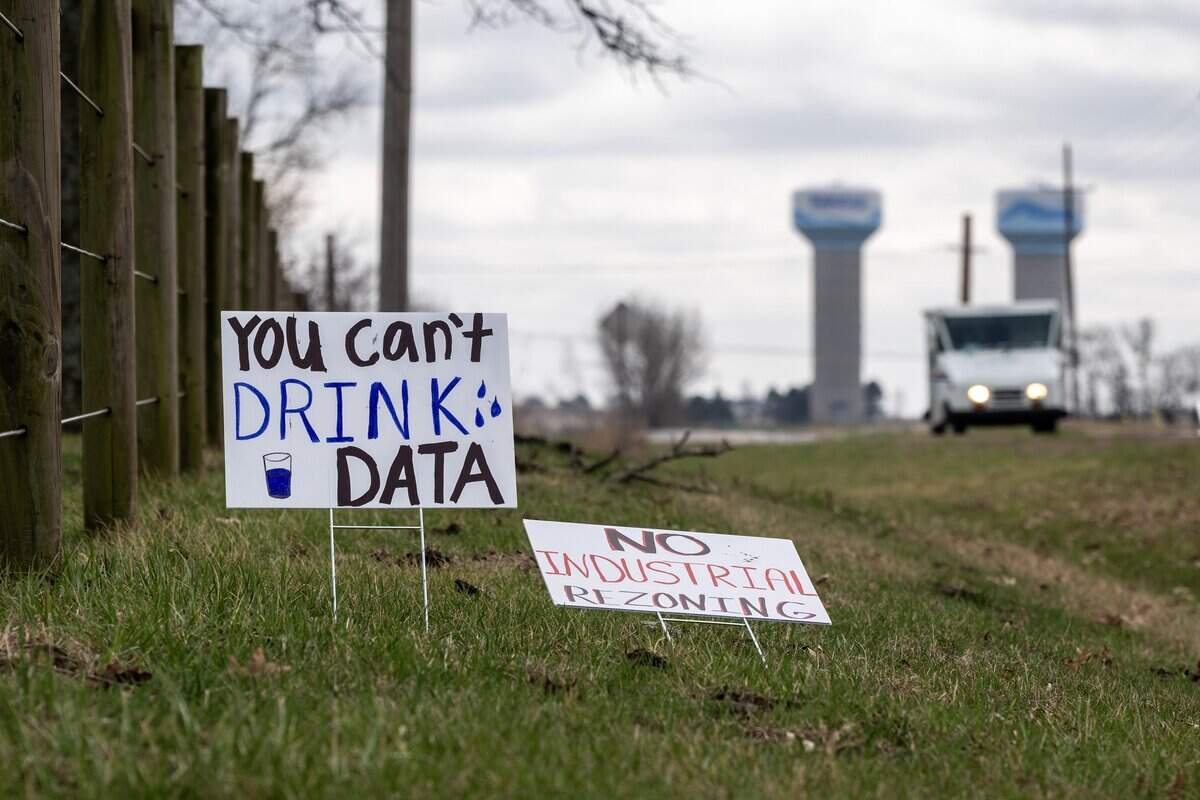
Upon hearing the news, Peterson, alongside several residents, jumped quickly into action – circulating petitions, contacting their local representatives and sharing information on social media to oppose the proposed project. They worried about how a potential data center would affect their neighborhood, nearby schools, city infrastructure and utility bills.
“I’m not a confrontational person. It’s not something I really want to do. Usually, I just go about my way but this is a difficult one to sit back on,” Peterson said.
And it appears their efforts may have paid off — and that their speculations were well-founded.
On Friday afternoon, a firm that helps develop data centers across the country called Colossus Advisors and a California-based real estate company called Bullock Capital announced they decided to withdraw their application to rezone the land in Spring Hill, saying they “are no longer pursuing the opportunity near 191st and Renner.”
Founded in 2024, Colossus Advisors is a firm that provides “strategic, technical and financial advisory services for the data center lifecycle, including site selection, power procurement and development strategy,” according to its website.
Spring Hill spokesperson Jenna Gant said the companies didn’t give any reasons why they withdrew their rezoning application. Colossus and Bullock said in a statement that they “don’t have anything more to share beyond the statement shared on March 6.”
While neighbors are celebrating the withdrawal, several recognize that this isn’t the end and that an industrial project, or data center, could come forward again.
The proposal
The city first annexed the property from unincorporated Johnson County in December 2025, Gant said in an email.
The city later received a request to rezone the approximately 316 acres, Gant said, but she didn’t disclose who the request came from at the time.
The applicant’s former plans for the land remain unclear.
A Star reporter submitted a Kansas Open Records Request for a copy of the rezoning application and corresponding concept plans — both of which are required by city code — but the city denied the request, saying they weren’t public record since city staff hadn’t given final approval yet.
Kansas statute allows records “preliminary in nature” to be withheld, Spring Hill Project Coordinator Amy Long told The Star in an email.
The rezoning proposal was originally on the Planning Commission’s March 5 agenda, but was rescheduled to March 25 so it wouldn’t conflict with other agenda items, Gant said. The meeting has since been canceled.
Residents started organizing in Spring Hill as officials in Independence were preparing to approve a $150 billion data center with $6.2 billion in tax breaks. Like in Spring Hill, many Independence residents came forward to oppose the massive center on 400 acres in the northeast part of the eastern Jackson County city.
Despite their protest efforts, the Independence City Council voted 5-2, with Councilmember Brice Stewart and Mayor Rory Rowland dissenting, to approve the incentive plan after nearly five hours of comments from residents.
Independence’s recent approval and Spring Hill’s withdrawal are some of several recent data centers popping up around the KC metro on both sides of the state line.
Other recent planned projects include one in the former Star building in the Crossroads, a multibillion-dollar data center complex in Clay County, one in the Hunt Midwest Business Center near Worlds of Fun, and a $12 billion data center in Wyandotte County that was stalled late last year by a protest petition and lawsuit.
A pause, not a victory
Despite the early win, resident Jenni Hart recognized this may not be the end of industrial proposals coming to their rural community.
“I hope that everyone who was against this change will continue to stay engaged with future happenings and not count this as a victory but a pause,” said Hart, a life-long Spring Hill resident who opposed the project.
While she doesn’t live near the proposed site, Hart first tuned into the discussion because of the impacts she’s experienced living in an apartment building across a field from an industrial park and the Clorox Cat litter plant for the last four years.
“Having that constant sound, it wears on you in ways you don’t really expect,” Hart said. “The difference between living eight blocks closer to industrial … in terms of health, mood, our sleep, it’s all changed so much.”
Trucks coming in and loading and unloading have caused the walls to shake and photographs to fall off their nails. Hart said she and her child wake up often in the middle of the night because of the booming activity at the park.
“Our skyline is just filled with lights from the industrial park all the time,” she said. “Constant light all night long — all of those things have just been really hard.”
While she’s glad that the meeting was canceled, Hart said she’s going to keep her eyes out in case “the city tries to do this again.”
Calls for future studies
Wolf Creek Elementary School, Forest Middle School and Spring Hill High School all come within a mile of the 191st and Renner site.
As a parent who sends his children to the elementary school, Michael Clutts said he worried about the impact any industrial activity would have on student learning and the classroom environment — adding that he wants to see the city have studies done to better understand the impact this might have on students.
“When you’re talking about rezoning, it’s changing the entire fabric of the community, especially industrial zoning,” he said. “I’m not blocking development, I just want studies so we can make a truly informed opinion on it. I have my own beliefs but where’s our studies?”
Clutts said he was “relieved and genuinely grateful” for the community’s efforts around this project. But, should a similar project come forward in the future, he’d like to see the city and school district take the time to understand industrial activity’s impacts.
“My hope going forward is that this can bring broader attention to the need for independent environmental and acoustic impact studies whenever large industrial proposals are placed near schools, not just here in Spring Hill, but everywhere these facilities are being considered,” he said. “Our kids deserve that standard regardless of where they live.”
‘Our history and our future’
Like her neighbors, Hayley Milkey said she plans on staying alert for more information and “possible protective land use expectations.”
“I’ve already sent an email to the Planning Commission regarding these questions,” Milkey said.
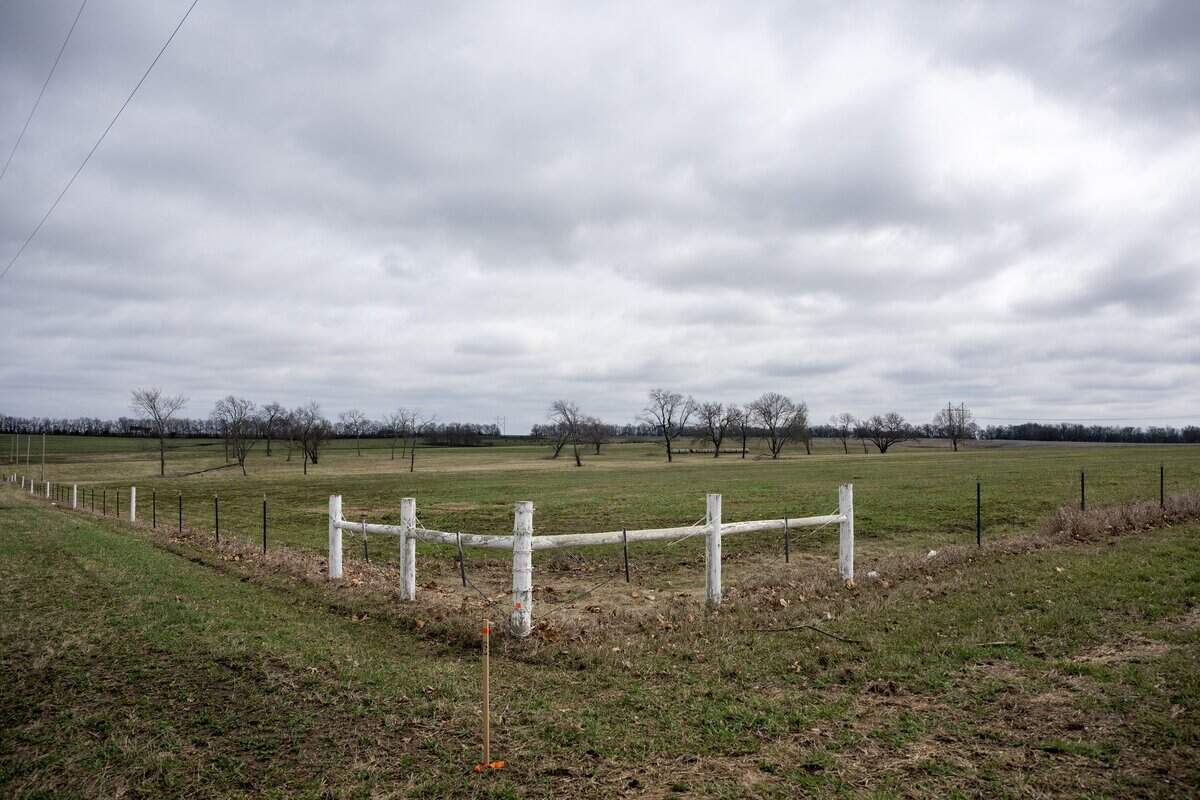
In particular, Milkey said she worries about what could come in the future if other industrial proposals come forward.
“Once industrial zoning is established in this area, it sets a precedent for continued expansion, making it increasingly difficult to preserve the surrounding rural and residential character,” Mikey said in a written statement.
Living on an active farm with chickens, geese, ducks, turkeys and pigs, Milkey said she worried about noise, emissions, water runoff, lighting and other aspects of industrial projects that could directly affect her livestock, land and food.
“I understand that growth is part of our city’s future. But where and how that growth occurs matters,” she said. “Progress does not mean paving over every open space.”
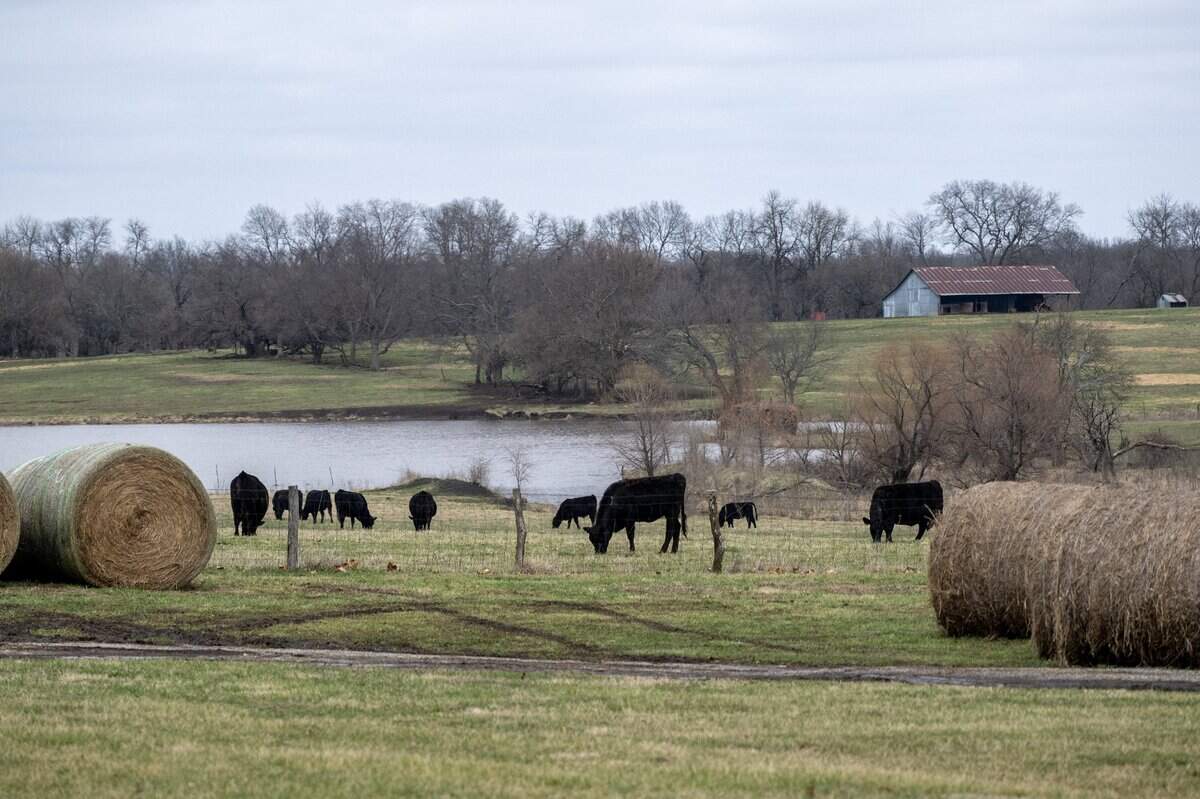
Milkey’s family has owned the land adjacent to the proposed industrial rezone request since the 1800s. She was one of a handful of residents who received a written notice in mid-February from the city about the public hearing.
“My mom was raised here, I was raised here and now we hope to raise our son here as well,” she said. “This isn’t just property to us — it represents both our history and our future.”
This story was originally published March 10, 2026 at 5:59 AM.