Prairie Village allows pet monkey to stay. Owner claims new rules aren’t fair
Toni Skelton may get to keep her pet spider monkey in her Prairie Village home, but the permission to do so comes with a new set of rules that keeps the pet and its owners on a tighter leash.
On Monday, the Prairie Village City Council voted to adopt a conditional license for Oakley Reign — a spider monkey that’s recently been ushered into the spotlight as the northeast Johnson County city considered changing its definition of dangerous wild animals to include all monkeys.
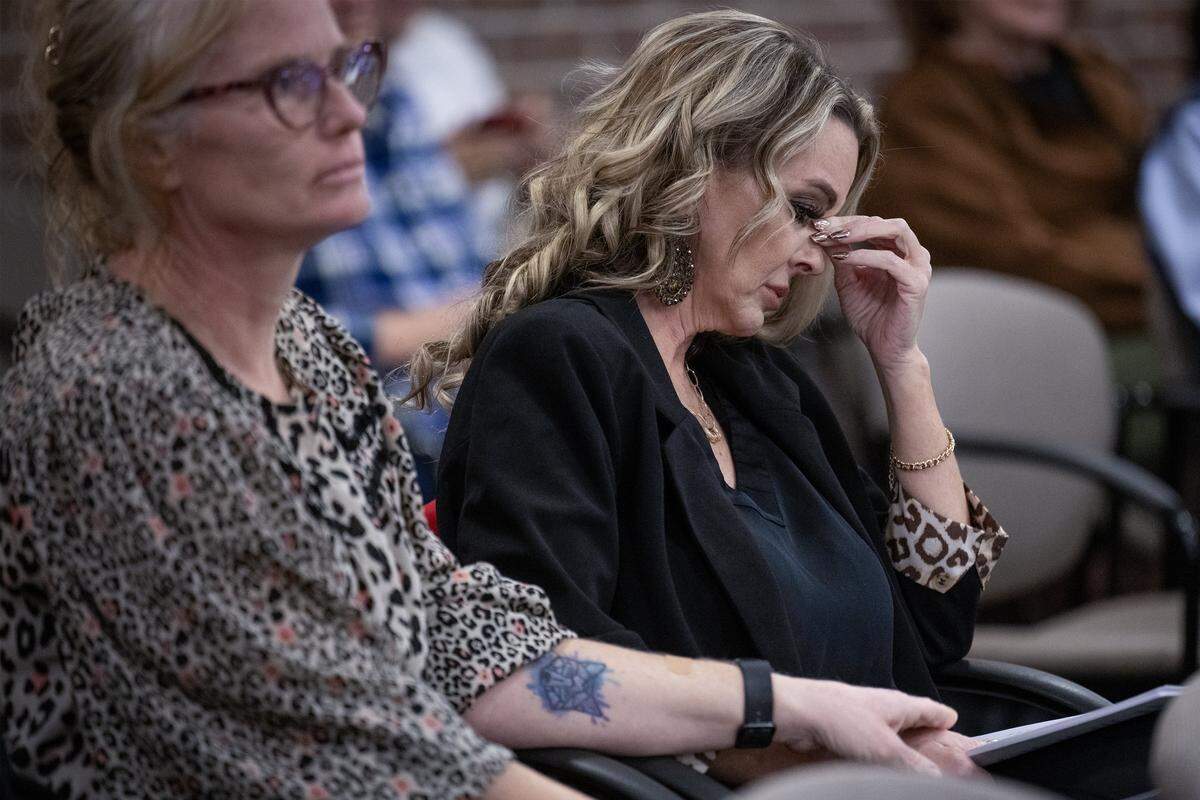
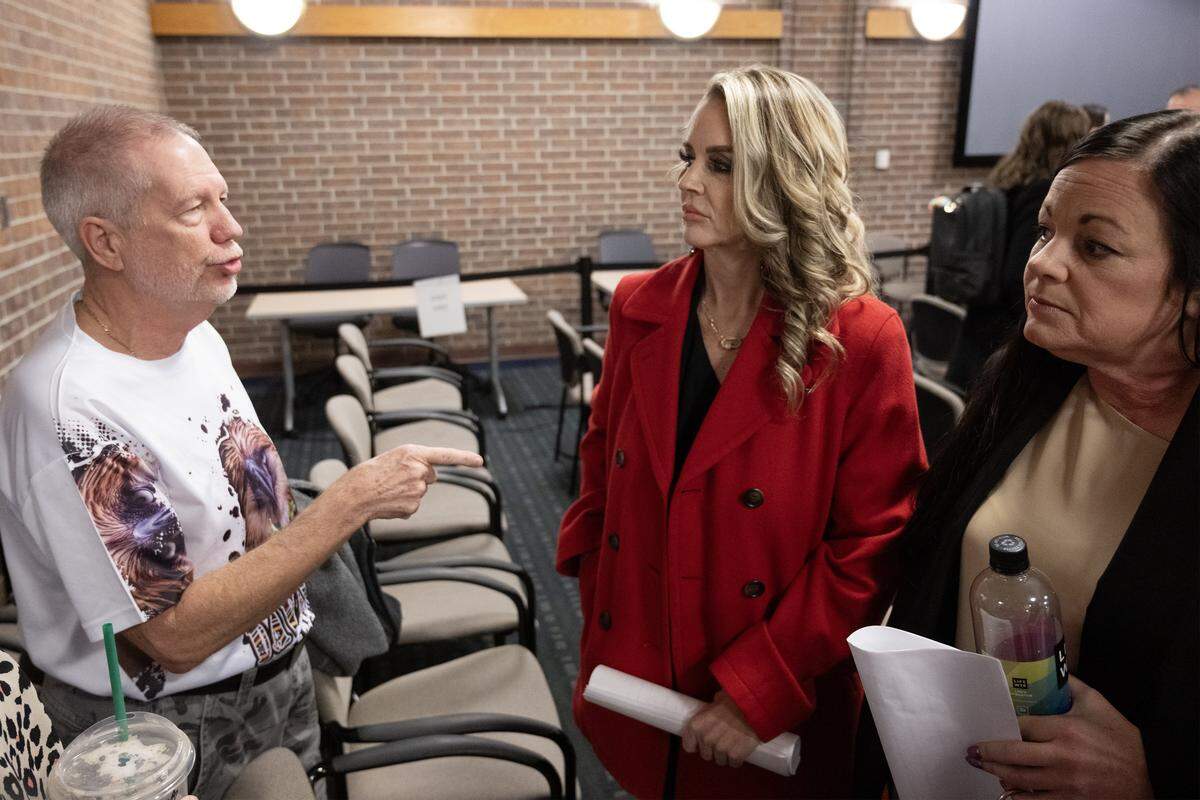
Several neighbors, loved ones and friends of Skelton, Oakley’s owner, spoke during the meeting’s public comment period, sharing that Oakley is not a threat, but a sweet animal that deserves the same due process as other residents.
“We would never judge every dog on the actions of an aggressive one … instead we look at the history and behavior,” said Tish Wallace, one of Oakley’s caretakers. “Policy should be based on prudent behavior not fear created by hypotheticals. Oakley is not a theoretical risk.”
Skelton has had Oakley for a little over a year now, obtaining the necessary pet license and rabies vaccination in accordance with the city’s previous ordinance, which allowed for primates under 20 pounds to be kept as pets.
The city took an opportunity to close that gap in its code after the monkey reportedly scratched a child while it was off leash at a public playground, but Oakley did not break skin.

Originally, Prairie Village requested that Skelton remove the monkey within a certain number of days. But she advocated for an exception to any new city rules — asking that the City Council instead adopt a grandfather clause to allow Skelton to keep Oakley since she purchased and brought Oakley home prior to any changes to the rules.
During Monday’s meeting, the City Council voted 7-4 — with council members Nick Reddell, Terry O’Toole, Betsy Lawrence and Jim Sellers dissenting — to pass a conditional license for Oakley as a dangerous animal, a similar requirement residents receive for dogs that have a record of behavioral issues, biting or other potentially dangerous behaviors.
But Skelton protested the new ordinance — claiming that what Prairie Village proposed “is not a continuation of my existing approval,” but a new ordinance with new classifications, new burdens, new obligations that didn’t exist when she was lawfully licensed.
“That matters because cities cannot retroactively impose new laws on residents who comply with the ordinance as written. The city’s own ordinance code lays out specific processes for declaring an animal dangerous, imposing conditions and ensuring due process,” Skelton said. “Yet in my case, those processes have been bypassed entirely.”
The new rules
Specifically, the license now requires Skelton to sign a statement that will compensate the city and its employees for any and all injuries that may result from the animal; provide proof of liability insurance for a minimum amount of $300,000; present a sign at their home that notes there’s a dangerous animal on the property; and spay Oakley by July 5, 2027.
The city is also requiring Skelton to provide “documentation related to the provenance of the monkey” including the purchase or acquisition of the monkey as well as the monkey’s birth, according to city documents.
Oakley can no longer be present on public property without being in a fully enclosed carrier. She must stay on a leash or harness when outside at Skelton’s home — but can be off leash as long as she’s inside with windows and doors shut. And no other monkeys can be brought into the city to interact with her.
The city is allowed to inspect Skelton’s home on an annual basis to make sure she’s in compliance with the new rules or based on reports or concerns raised by other residents, but both will require notice before an inspection.
“We are trying to be reasonable. I feel the restriction that we’re putting in here strikes a balance between the concerns we have for community safety and the animal’s welfare,” Prairie Village Police Chief Eric McCullough said during the meeting.

If the police department issues any citations, they would go through the municipal court process and a judge would decide if the family is violating the city’s policy and could potentially revoke the license.
Skelton argued that the city’s code lays out a specific process for declaring an animal as dangerous, which often entails a day in municipal court. There hasn’t been a municipal court determination, no dangerous animal designations or violations, nor citations against her or Oakley, Skelton said.
“And yet, I’m being treated as though all of those have already occurred,” she said. “That is not enforcement. That is prejudgement.”
Questioning the specifics
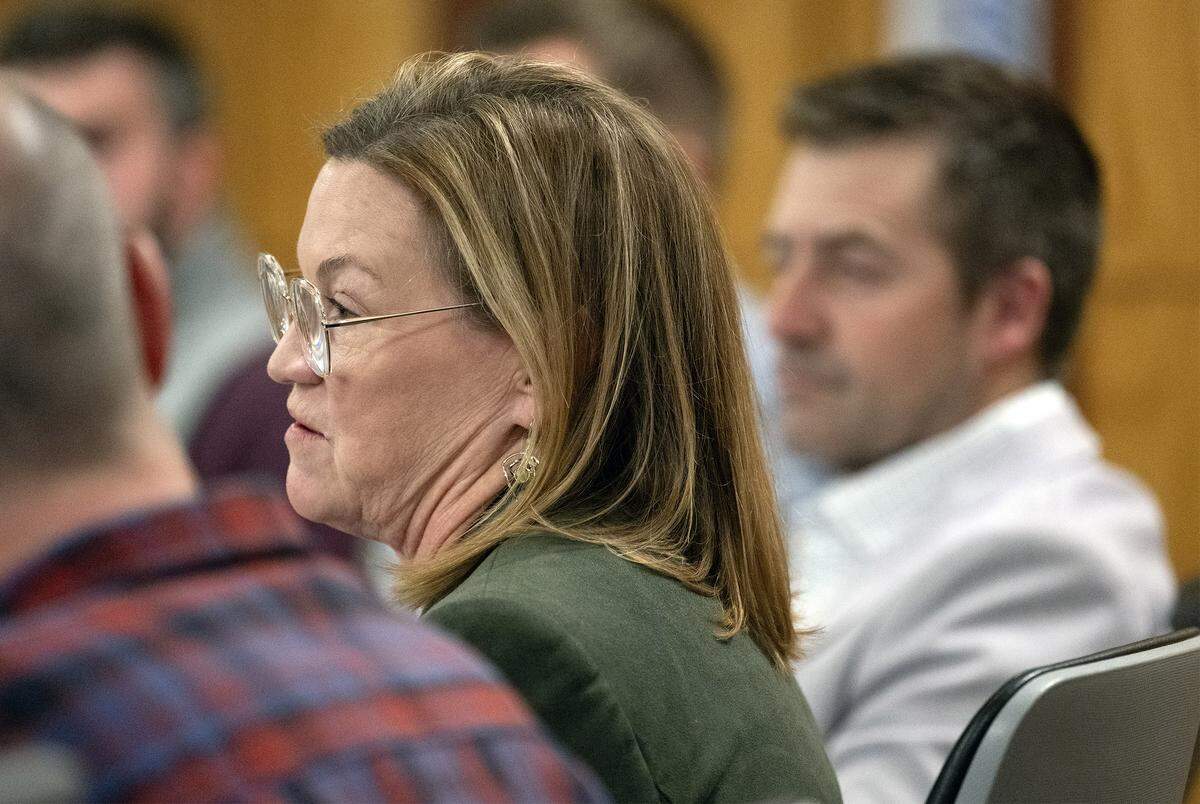
Skelton also protested the requirement to present documents regarding where she got Oakley.
“That is not required of any other resident under this ordinance. When requirements are imposed only on one person, without a triggering violation and without due process, that is not regulation that is targeting,” she said.
Containment, transport protocols and leash and belly bands are safety measures, but indemnification clauses and requesting additional documents is “government overreach” beyond what’s needed for public safety, she said.
Several council members weren’t sure if the request for Oakley’s paperwork was necessary.
“I totally appreciate that there’s a good reason to be concerned about that (where Oakley is from) but given that the monkey is already here and licensed, I’m not sure … the intended purpose of that,” Ward 5 Councilmember Betsy Lawrence said.
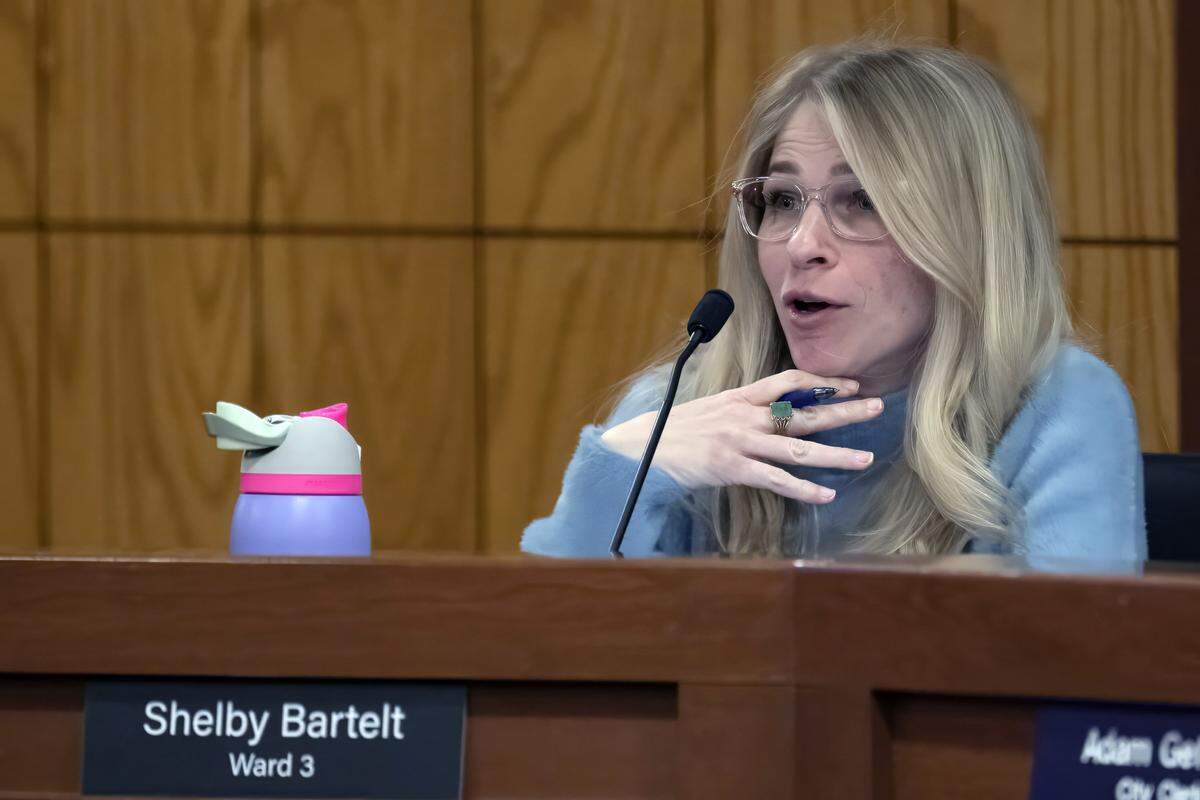
Ward 3 Councilmember Shelby Bartelt agreed.
“Personally, I think the legality of the acquisition is best left out of the ordinance. If there’s legitimate concern there, presumably there are appropriate authorities or regulations that can investigate that,” Bartelt said.
City Attorney Alex Aggen told Lawrence that it’s a way for the city to have documentation in case of specific health issues or risks that could be tied to Oakley’s background.
While Bartelt and a few others on the dais wanted to have more time with the ordinance, the majority of council members were ready to move forward.
“I am in agreement that I think we should hammer this out tonight and get this done,” Ward 4 Councilmember Nathan Vallette said. “I think there’s been plenty of time for a case to be made, if you will. I think we all want a solution here, I think that’s the easiest way to do it.”
This story was originally published January 6, 2026 at 11:30 AM.