
Did 2022’s financial news spook you? Here’s how to stay steady in turbulent times
The decline in financial markets this year has impacted the portfolios of millions of Americans, and perhaps dampened plans for retirement. Below is a brief recap of the optimism with which 2022 began, followed by current conditions and ideas to consider to navigate to and through retirement in turbulent times.
U.S. markets and economy
At the start of 2022:
▪ The S&P 500 was at record highs, up 28% for 2021, which stacked on top of an 18% gain the year prior, including dividends.
▪ The Bloomberg Barclays Aggregate Bond Index closed out 2021 down just -1.5%.
▪ Bitcoin had a market cap of around $1 trillion.
▪ Thirty-year mortgage rates were 3%.
▪ The short-term federal funds rate was at 0%-0.25%.
▪ Inflation, as measured by the Consumer Price Index (CPI), came in at 7.1% for 2021.
At the end of the year (through Dec. 16, 2022):
▪ The S&P 500 has shed over $10.2 trillion in market cap (-18%).
▪ The Bloomberg Barclays Aggregate Bond Index is down -11%, one of the worst years on record.
▪ Bitcoin’s market cap has crumbled to $350 billion.
▪ Thirty-year mortgage rates have reached 7%.
▪ After seven rate hikes, the short-term federal funds rate is at 4.25-4.50%.
▪ The November CPI reading was an elevated 7.1%, down from the 9.1% June high. The Fed changed their passive stance on inflation from “transitory” at the start of the year, to a more aggressive “demand destruction” objective at year-end.
Planning tips for the new year
Emergency fund: The double-digit losses in the stock and bond markets in 2022 underscore the need to have an emergency fund sufficient to cover three to six months of expenses. Adequate cash reserves will preempt the need to sell investments at inopportune times, such as these, to cover short-term expenses.
Pay off variable rate debt: The Federal Reserve is aggressively fighting inflation by raising rates. If you have adjustable-rate loans or high interest credit cards, devise a plan to pay them off quickly. The faster you pay them off, the more money you’ll save, especially if rates continue to climb.
Asset allocation: Having the right asset allocation to match your goals is critical. This consists of matching asset classes with your cash flow needs and risk tolerance. Historically, equities make the most sense for money that is not needed within the next five years. Fixed income can serve to cover intermediate term needs and cushion the portfolio in times of volatility. Short-term needs should be invested in money markets, which have become more attractive with rising rates. Rebalance periodically and stay the course with a well-thought-out financial plan.
Retirement plan contributions: It may have been hard to watch your 401(k) balance fall while making contributions this year. However, using history as our guide, you could be buying more shares at discounted prices relative to future values. A company match coupled with the tax advantages of the employer plan could amplify your success as you work toward retirement. Work with your advisor to include your employer-sponsored retirement plan in your overall asset allocation strategy.
Tax planning: Higher inflation has led the IRS to increase certain bands starting in 2023. As an example, the standard deduction for married filers will increase 6.9% over 2022. Income tax brackets have also been adjusted upward, which could help Americans save on taxes beginning in 2023. However, in 2026, if Congress fails to act, the current tax rates are scheduled reset back to the higher rates that were in effect prior to the passage of the Tax Cuts and Jobs Act of 2017. With gridlock and unpredictability in Washington, work with your tax advisor to make sure you are taking advantage of the new inflation-adjusted IRS brackets ahead of potential changes to the tax code.
In the new year, work with your financial professional to develop a comprehensive financial plan to meet your goals and keep a steady hand in turbulent times.
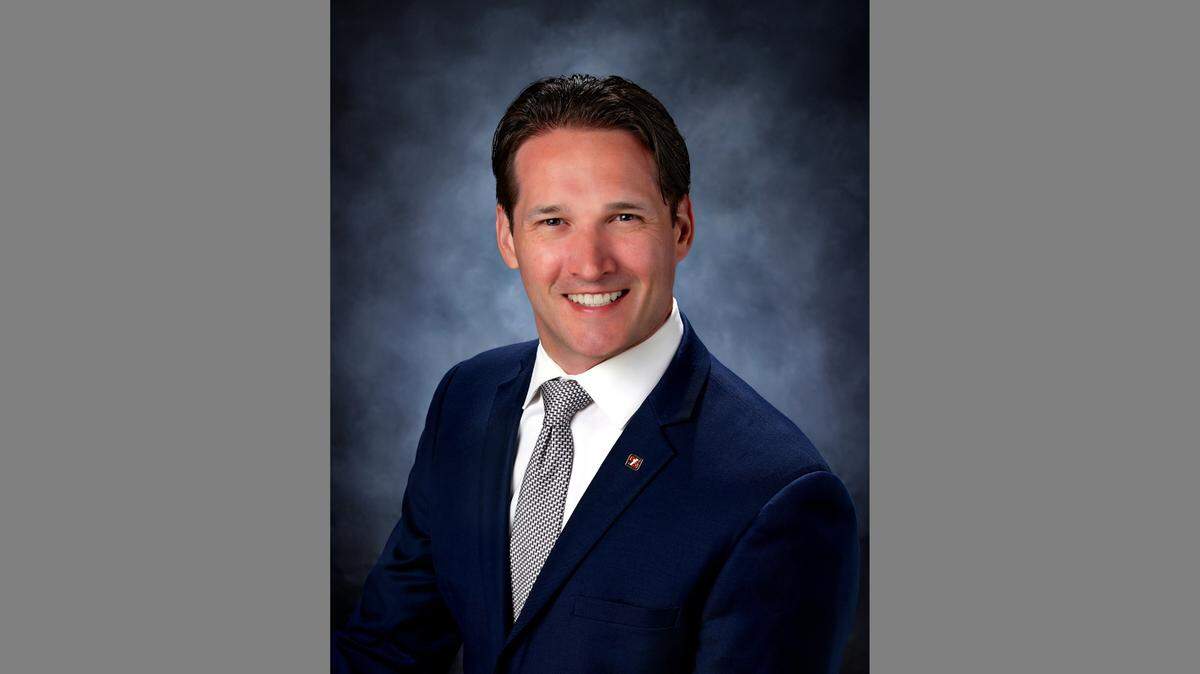
Andy Drennen is a CERTIFIED FINANCIAL PLANNER professional and a member of Financial Planning Association of Greater Kansas City. He is Senior Portfolio Manager, Director of ESG Strategies for Simmons Bank. The views and opinions expressed in this article are those of the author and are not endorsed by, and do not necessarily reflect the views of Simmons Bank. Simmons Bank does not provide tax, accounting or legal advice.
This story was originally published December 28, 2022 at 6:00 AM with the headline "Did 2022’s financial news spook you? Here’s how to stay steady in turbulent times."