
JoCo museum’s Latino initiative aims to uncover roots of population with rich culture
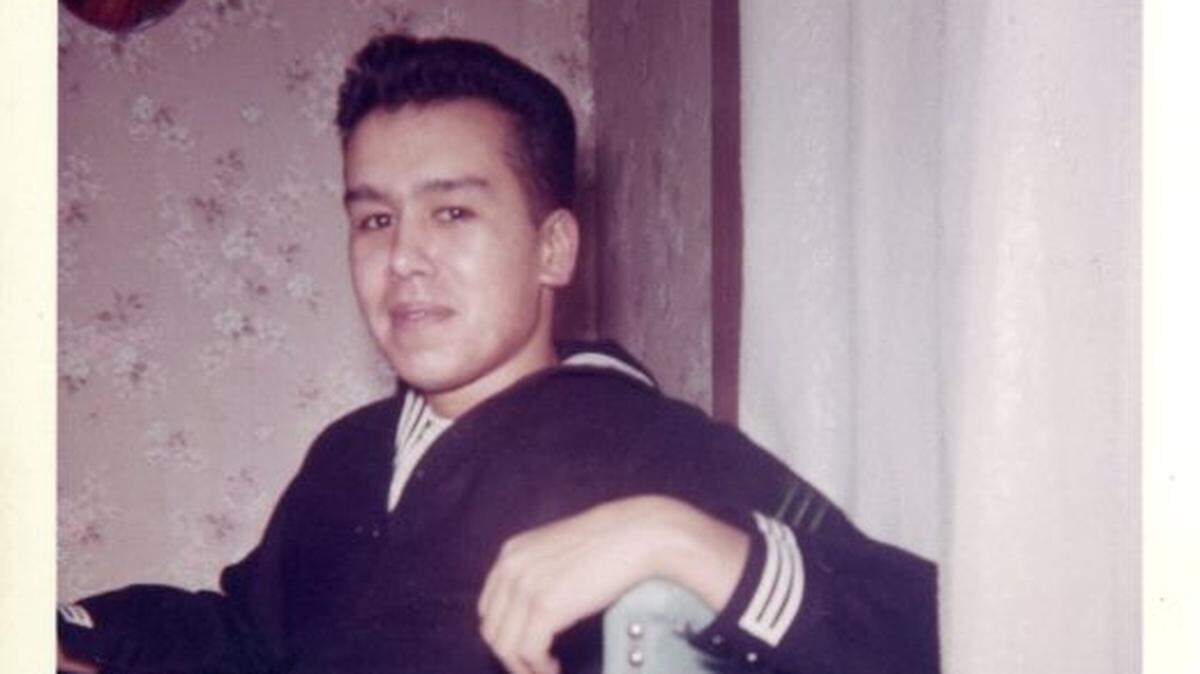
Latino communities have been part of the Johnson County community for a long time, and the county’s museum is aiming to include their stories. In addition to the stories, the Johnson County Museum’s Latino Collecting Initiative is looking for photos, ephemera and other artifacts from families and organizations.
Last fall, when the museum hosted its first Hispanic heritage event, Curator of Collections Anne Jones asked people to share their stories.
“We really did not get a lot of response right away. I think one of the challenges is there are some folks ... we need to make a connection with,” she said. “We can’t sit back on our haunches and wait for people to call. We have to go out and find stories.”
Objects and stories need to have some kind of Johnson County connection.
The museum addressed this a little bit in last year’s exhibit, “Latinos in the Heartland,” which is now available virtually on its website. That exhibit took a larger view of Mexican, Central and South American immigration but did point out a few specific organizations and programs from the last 10 years in the county.
Those included the language programs in the Olathe School District, the Olathe Latino Coalition and English as a second language classes. According to the exhibit, Johnson County’s Hispanic population grew by 136% between 2000 and 2014.
Although this surge is more recent, Latino families have been in the area for many years, with quite a few immigrating in the early 20th century to work on the railroads. Many lived in Wilder, Stilwell and Stanley near the railroad tracks.
Jones said the Overland Park museum has several school photos of the children of railroad workers from this time. They contacted people from the photos to get their stories from growing up and what life was like in their communities.
That story hits home for longtime Overland Park resident Rudy Padilla.
“That’s how a lot of Mexican families moved to the Midwest because of a shortage of manpower to work on the tracks. My dad did that for a while,” he said.
He’s happy to share what he can about his family’s experience.
“For 45 years or so, I’ve been an activist in the Hispanic community. I’m pretty much of the opinion that if I or someone else doesn’t speak up for the Hispanic community, we’re going to be left out,” Padilla said.
Jesse Valdez, a deputy with the Johnson County Sheriff’s Department, has shared with the museum the mariachi suit he had as a child.
Although personal family stories are part of the puzzle, Jones wants to have a complete picture by including organizations and community groups.
“You also have to build trust, because they’re probably saying, ‘We’ve been here forever. Why are you calling me now?’” Jones said. “We’ve identified in the past that we’re missing stories; we’re missing communities.”
So far, Jones said she’s talked with about 15 people. In addition to that, she’s also looking at census data from the 1920s and ’30s to find more families who came with the railroad.
Some people have objects they don’t want to give to the museum, like a mortar and pestle, because although they’ve been handed down through the years, the family still actively uses them.
“It’s going to be an ongoing initiative. It’s not going to end this year or even next year. It’s built into museum’s overall collecting plan,” Jones said.
Jones knows that the Latino experience in Johnson County isn’t monolithic.
“We’d like to know why they chose Johnson County to settle in. They may have come here via different avenues. Their grandparents may have left Mexico for better opportunities and then their parents were born here,” she said.
She’s hoping to answer many questions posed in the museum’s exhibit.
“What is it that makes Johnson County their home? How do they perpetuate their culture? How do they share their culture with their children? How do they keep that alive just in the community? What do they find is still missing in the county, in terms of them being welcomed or them being able to celebrate their culture?” she said. “Everybody’s got a story as far as I’m concerned.”
This isn’t just a special event for Hispanic Heritage Month. Jones wants to integrate these stories into the museum’s main collection over the next few years and even record a Spanish language tour of the museum people can listen to on their phones or on the museum’s iPads.
This story was originally published October 6, 2020 at 5:00 AM with the headline "JoCo museum’s Latino initiative aims to uncover roots of population with rich culture."