
Learning at home difficult for kids with no internet access. JoCo offers solutions
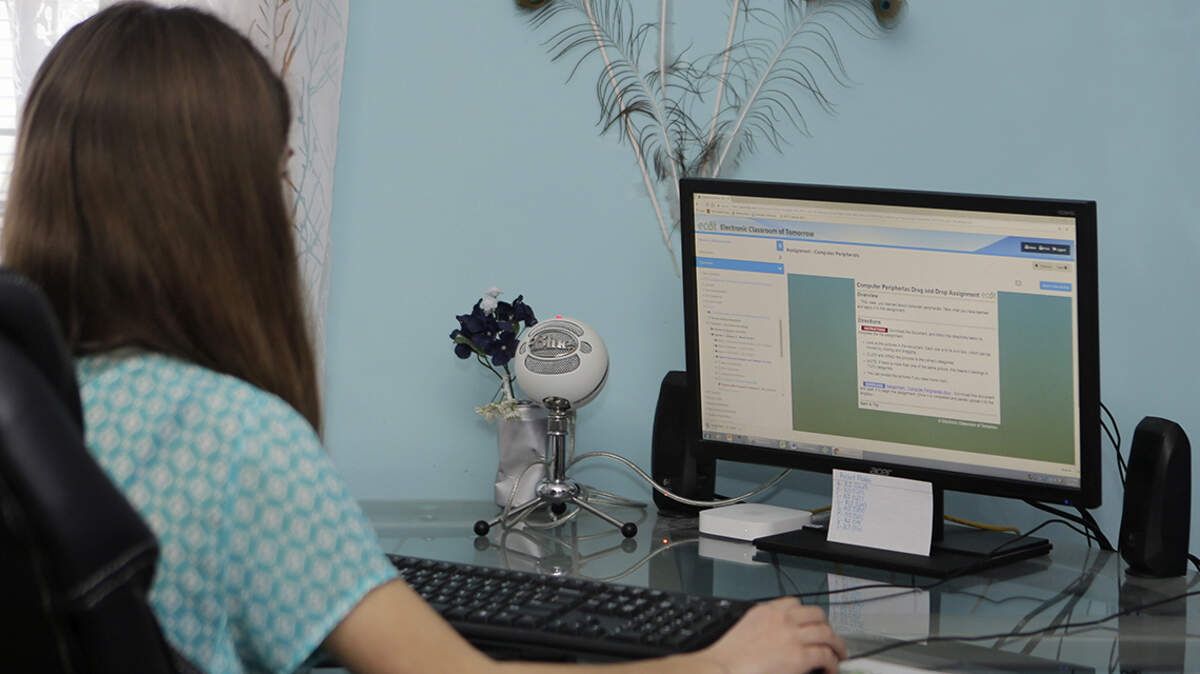
The Olathe School District is purchasing 1,500 Wi-Fi hotspot devices that families can check out for free if they don’t have internet access at home.
Bridging the so-called digital divide, in which some students can easily plug in to internet resources while others cannot, has become even more important during the coronavirus pandemic. Gov. Laura Kelly’s school shutdown order forced districts to switch quickly to online learning last spring, and schools have been preparing for all kinds of contingencies before reopening this fall.
In general, Johnson County parents can choose a remote-learning option this fall if they deem it unsafe for their children to be around others at school. Schools also have planned for in-person learning and a hybrid system with students alternating between home and school. Much will depend on the prevalence of the virus and government orders related to the pandemic.
To get school-issued computer devices into the hands of each student, the Olathe district had agreed earlier to buy Microsoft Surface Gos for middle school students, allowing iPads to be handed down to the elementary schools. High school students are issued school-issued laptops.
“With the continuation of the COVID-19 pandemic, this was a critical step in ensuring the ability of students to access instructional content when not participating in face-to-face instruction,” administrators said in a memo to the school board. “However, not all students have access to internet at home.”
That’s what the 1,500 hotspots are for. With shipping and an administrative fee, the district is paying roughly $868,500 for the hardware and a portal that provides educators with usage analytics, a checkout system and web filtering.
The size of the purchase reflects the results of a survey of parents conducted earlier this summer, said district spokesman Cody Kennedy.
Other districts are cognizant of the problem, too.
“We are addressing this issue in several ways, including hotspots,” said Misty Eytcheson, director of communications for the Spring Hill district. “In addition to hotspots, we have been working with local service providers to identify programs and options to assist our families and we are adding Wi-Fi coverage in our school parking lots.”
The Blue Valley district has worked over the last three years with the 1Million Project, which was launched by Sprint, and will continue to do so.
“We are committed to ensuring that all our students have access to the curricular resources and their teachers from their homes when needed,” said Kaci Brutto, director of communications for Blue Valley. ” And, that means providing a device and internet access for all who need it.”
The De Soto district acquired 25 hotspots to help families with remote learning last spring, and conducted another parent survey in late July.
“One of the questions is about internet connectivity,” said Assistant Superintendent Alvie Cater. “Based on that feedback, we’ll determine what additional resources may be needed to support some of our students.”
The Gardner Edgerton district has ordered 25 hotspots and is figuring out the best way to distribute them to families in need, said spokesman Ben Boothe.
This story was originally published August 6, 2020 at 5:00 AM with the headline "Learning at home difficult for kids with no internet access. JoCo offers solutions."