
Is Fluffy cute? Yes, but the kitty is also pricey
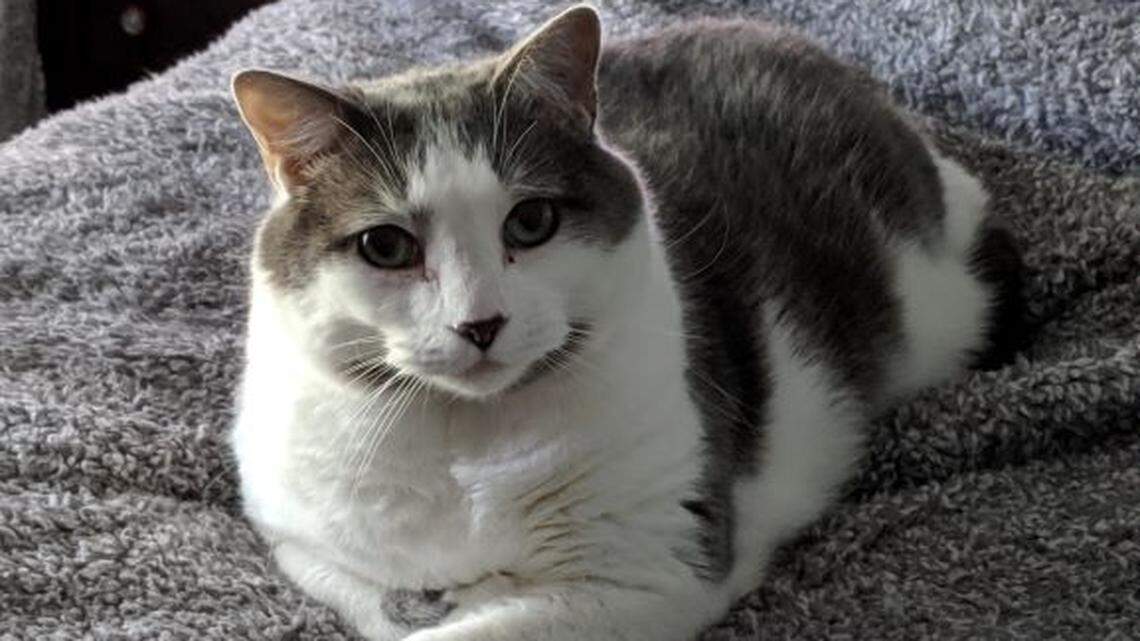
We spotted the kitten scampering under the shopping carts at a Target store near our home.
When he was there the next day, too, we assumed he’d been abandoned and was probably hungry, so we put an open can of cat food into our cat carrier. A minute later, unable to resist the food, he gingerly stepped into the carrier, we slammed the door closed and he was ours.
In his first couple of months, we picked up the tab for treatment of a severe flea infestation, kitten shots, neutering and a slight infection. Several hundred dollars later it seemed Indie, as we named him, had become an investment, too.
And that’s the problem with pets — they steal your heart before they pry open your billfold.
While “furbabies” admittedly aren’t as expensive as the human type, it’s good to recognize that the costs of care can be significant before you make the commitment to care for a pet. Veterinarians tell me that the two times you can expect the highest expenses are when the pets are young and in their final years.
When they’re young they tend to do those adventurous things that entertain us until they swallow the string, yarn or sock they used as a play toy. The bill for surgery to remove the “toy” from their digestive systems can reach into the thousands of dollars.
Like their humans, health problems arise in their final years. Disease treatment has advanced significantly and pets now can receive medical care that rivals those of people. The cost for treatment of those conditions has risen accordingly.
Not surprisingly, the key to a long, healthy life for your pet is regular preventative care. Recognizing a potential health problem and treating it quickly can save you money in the long term and spare the pet future health issues.
It’s possible to provide quality care and save money.
Choosing a veterinarian is an important step. Cost is important, but so are office hours, how the vet and his staff treat you and your pet, and whether payment options are available, if needed. There are institutions that provide low-cost health care, like Spay & Neuter Kansas City. The Humane Society of Greater Kansas City also is a source of low-cost veterinarian care.
You should plan to visit the vet at least once per year and more often as your pet ages or when it develops a health issue. Spaying and neutering and regularly scheduled vaccinations are critical.
My experience with a cat with severe and puzzling allergies educated me in the high cost of specialty care. Many pet owners who have felt the burden of end-of-life care understand this expense. This is one area where you may not be able to or wish to economize.
The American Veterinary Medical Association: (www.avma.org/public/PetCare/Pages/default.aspx) says one area you might be able to save money is on medications. You want to buy only from a reputable pharmacy, one with a valid license in your state.
But the AVMA cautions that the safest bet is to buy from the veterinarian you trust with your pet’s health. Some vets will try to steer you toward the least costly option. Plus, some manufacturers guarantee their products only if they’re purchased from a veterinarian.
The AVMA also recommends you discuss your pet’s nutritional needs with your vet. It’s possible that regular food is every bit as good as a premium brand — and it will save you money. Most so-called “people food” is not acceptable and some of it will poison your pet.
So how do you pay the tab?
Don’t hesitate to ask your veterinarian what her costs are and if she has a payment plan.
Many pet owners successfully use pet insurance to help defray some of the cost. Discuss this with your veterinarian and research the insurance provider to find out if it covers routine care plus emergency conditions that require extensive care.
Don’t overlook the fact that pet expenses won’t end if your pet outlives you.
All 50 states allow you to set up a pet trust. In most states, you can set aside a sum of money to care for your pet and specify what type of care it receives. The trust ends when your pet dies and many people allow the money left in the trust then to be provided to a non-profit animal welfare organization.
Be sure to consult an estate planning attorney for the appropriate legal documents.
Shelters and animal rescue groups have an abundance of adorable animals waiting for their fur-ever homes and the adoption costs are far less expensive than buying from a breeder or pet store where you may not be sure of their previous living conditions.
Or you may get lucky, as we did, and something furry comes looking for you!
Barbara McMahon is a CERTIFIED FINANCIAL PLANNING™ professional and member of the Financial Planning Association of Greater Kansas City. She is the President of Innovest Financial Partners in Kansas City. Securities and Advisory Services offered through an Investment Advisor Representative of Cetera Advisors LLC, Member FINRA/SIPC, a broker dealer and Registered Investment Advisor. Innovest Financial Partners, Inc. is independent of Cetera Advisors LLC, 601 E 63rd Street, Suite 220, Kansas City, MO 64110, (816) 363-6660.
This story was originally published October 31, 2019 at 7:32 PM with the headline "Is Fluffy cute? Yes, but the kitty is also pricey."