
KC paid $24 million in police settlements over 2 years. Here are the biggest payouts
AI-generated summary reviewed by our newsroom.
- KC police board and department paid nearly $24 million to settle claims since June 2024.
- Over the past two years the department paid more than $9 million for wrongful death suits.
- City allocated $364.2 million to the police and added $6.5 million for settlements.
Since June 2024, the Kansas City Police Department and the Board of Police Commissioners have paid nearly $24 million to settle legal claims brought by residents and members of the force.
Among them:
A man who spent 23 years in prison for a crime he did not commit, the family of a 26-year-old Black man who was fatally shot by a white police officer and a former police captain who alleged he was sexually harassed on the job by the current police chief.
Those are just three out of 18 legal cases that the police board paid to settle over the past two years. The dollar amount includes cases involving discrimination, harassment, hostile work environment and whistleblower claims.
“That is vastly too high,” said Mayor Quinton Lucas, who is one of five members of the Kansas City police board.
“It is a structural problem for not just the future of the Kansas City Police Department’s budget, but for the city’s budget.”
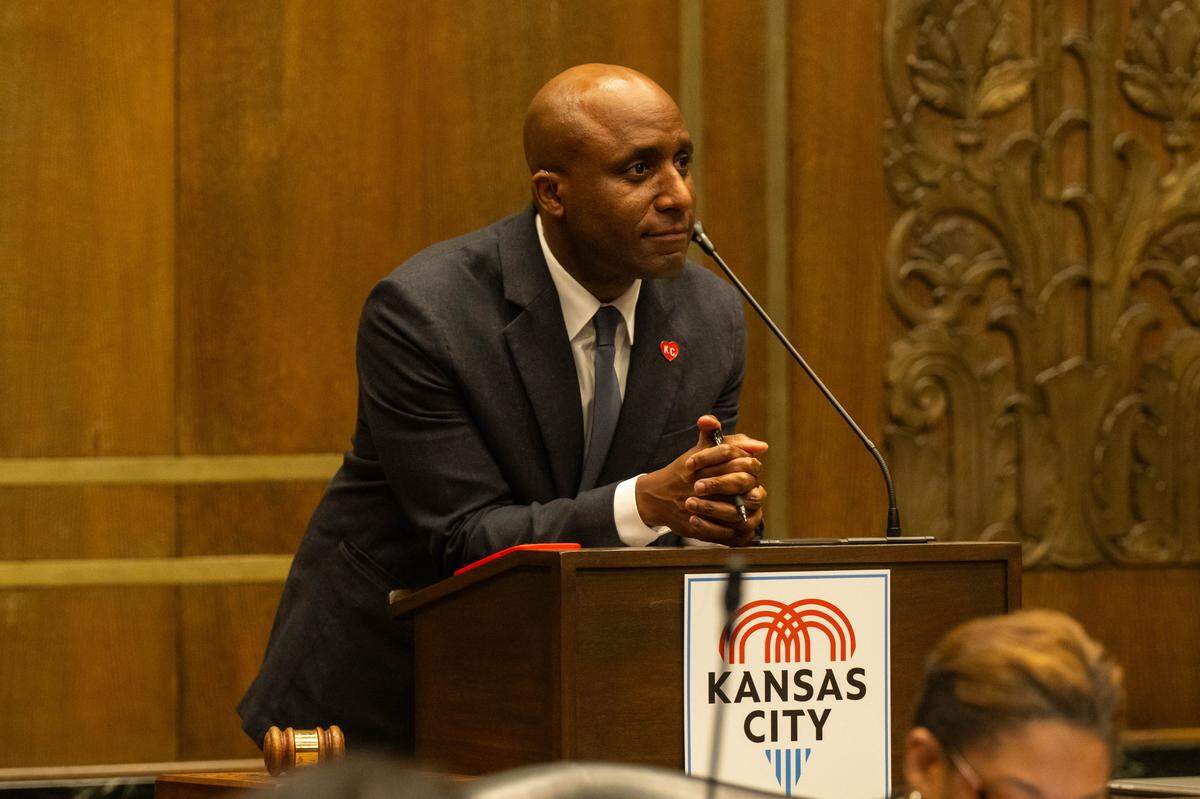
Lucas said each year the City Council allocates more than 25% of its annual operating revenue to fund the Police Department, yet the agency struggles each year with paying legal settlements. This year, the city allocated $364.2 million to the Police Department.
“When you have these types of expenses, in particular, in how much greater they are than what the Police Department has, year over year, budgeted for lawsuits, that is a problem,” he said. “And that is money that ultimately comes from somewhere else.”
Over the past two years, the Police Department has spent over $9 million on wrongful death lawsuits, which is the largest settlement payout category.
KCPD has paid millions over the years
For years, the Police Department has paid out millions in legal settlements on a regular basis, but the figures for 2025 and 2026 have sharply increased.
Last year, The Star reported that the department had paid out $20.8 million across five years. In one 12-month period from 2023 to 2024, the department paid out $6.8 million.
Over seven years starting in 2014, the department paid out $9.5 million for brutality complaints alone.
The Police Department and the police board have declined to comment on settlement payouts from the past two years. Other than Lucas, members of the board include Madeline Romious, Scott Boswell Sr., Heather Slicks and Tom Whitaker.
Police spokespersons Capt. Jake Becchina, Officer Alayna Gonzalez and Sgt. Phillip DiMartino each said in separate statements in June and July that their previous comments made in response to questions about the department’s payouts “remain applicable” to ongoing coverage. Officers Becchina and DiMartino have each stated previously that the Police Department has conversations on constitutional policing, de-escalation training and human resources every year.
“Whether it is a settlement, a critical incident or a car stop, as a culture, we ask; ‘What can we learn?’ ‘What needs to change?’ These moments push us to look deeper at our training, supervision and policies,” DiMartino said in August.
KCPD lawsuit settlements
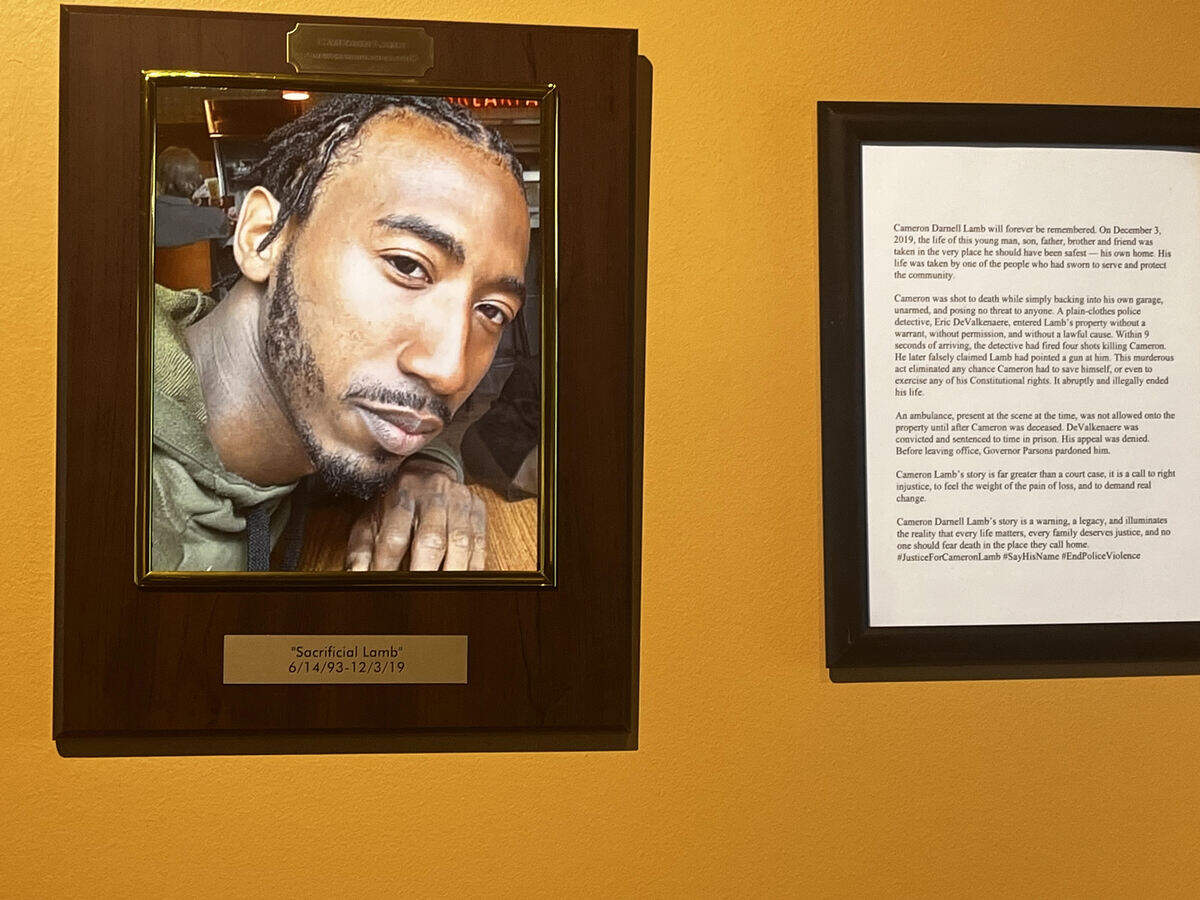
In September 2025, the Police Department agreed to pay $3.5 million to settle a wrongful death lawsuit involving former officer Blayne Newton, who shot and killed Kristen Fairchild and Marcel Nelson, also injuring Fairchild’s son, Jaden Thorn, in June 2023.
Since the shooting, the city’s police force and the police board have paid $16.4 million to settle wrongful death cases alone, according to the Police Department.
“It literally is the well-being of the community being siphoned off to pay for negligence of a few officers,” said Lora McDonald, the executive director of the Metro Organization for Racial and Economic Equity or MORE2.
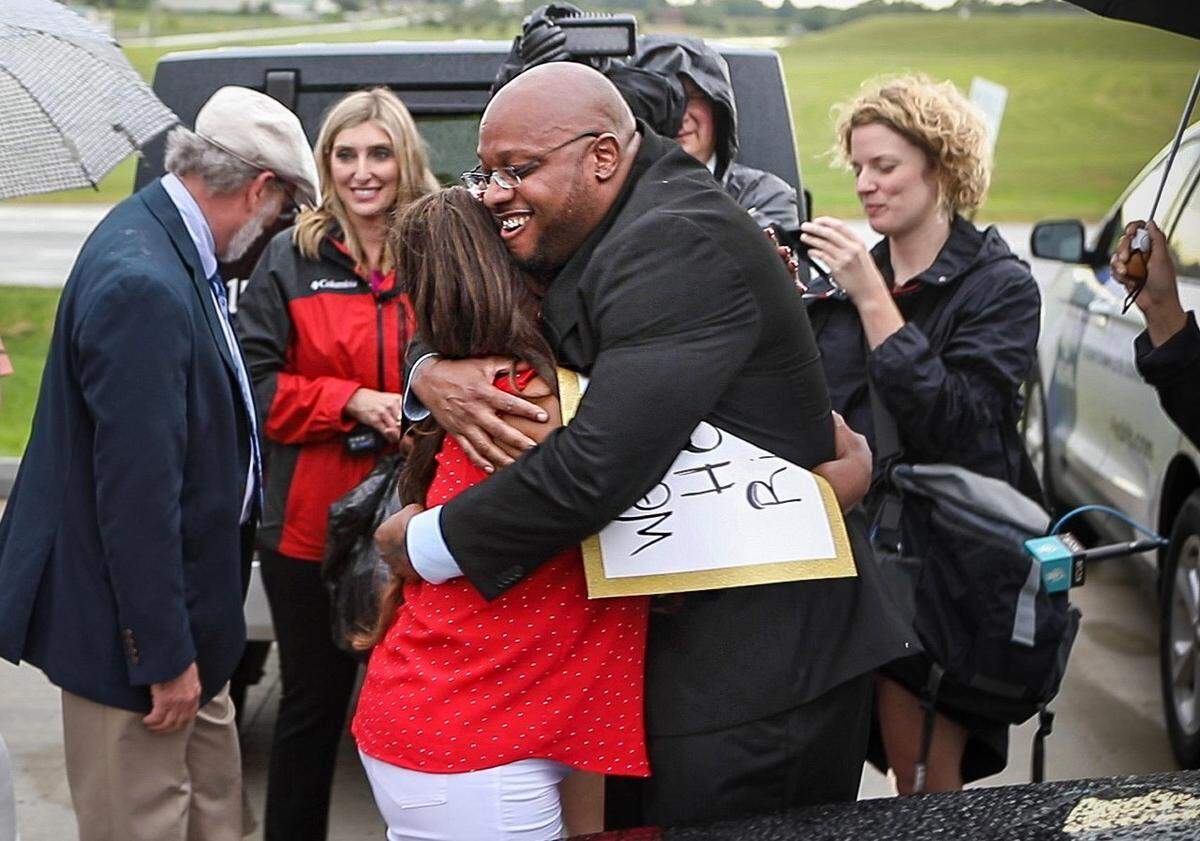
Other large-dollar payouts include Ricky Kidd, who will receive $14 million, split into four payments. Two of those payouts, each $4.2 million, were made in May and June. Kidd was wrongfully convicted of the murder of George Bryant and Oscar Bridges in 1996.
The high volume of settlement payouts is the result of minimal effort being placed on reviewing “use-of-force cases” and improving the Police Department’s training initiatives, she said.
“Sometimes one officer would have two, three cases against him, and we’re paying for all of those,” McDonald said. “And then there’s never any clear evidence that they’ve actually addressed the wrong behavior and corrected it.”
During a three-year period examined by The Star, of 32 police shootings and other major use of force incidents reviewed by the Police Department, none led to policy changes, though seven prompted training recommendations.
When citizens already live in fear of violent crime in Kansas City, the added scrutiny of the Police Department’s settlement track record blurs the line of trust, McDonald said.
“It really makes you think about if this department and the behavior they engage in really fuels violent crime,” McDonald said. “If I know it’s just a game of bad guys and bad guys out here … then what are the rest of us to do?”
Problems in the workplace
Over the past two years, the Police Department has paid out $3.7 million to settle discrimination and workplace violations filed by uniformed officers and civilian employees.
In one case, former police Capt. Darrel Bergquist alleged retaliation after he reported being the target of sexually explicit comments made by now Police Chief Stacey Graves.
At the time, Graves worked in the human resources department. The case has resulted in roughly $1.4 million in payments so far as part of the settlement.
Civilian employees Mary Botts and Tamara Bazzle respectively settled their sexual and racial discrimination claims with the Police Department. Botts received nearly $400,000 and Bazzle was awarded $200,000.
McDonald said the Police Department has a history of racial discrimination and allegations of officer misconduct, which likely makes the public feel less safe.
“If a seasoned Black detective is this scared out in our streets, how is somebody who’s kind of got one foot in the life supposed to feel?” she said.
Is local control a possible solution?
Kansas City is one of the few cities in the United States that does not have control over its own police department.
Missouri law requires that the Kansas City Council allocate 25% of its general revenue fund to the Police Department, but the council has no control over how that money is spent.
For years, Lucas had warned the council that it needed to allocate additional money above its annual funding to the Police Department.
Despite the City Council allocating $364 million, the Police Department still needs more funding to cover pending legal settlements, according to Lucas.
To remedy this, the council added $6.5 million to the Police Department’s budget to help cover legal settlements.
Sheryl Ferguson, founder of It’s Time 4 Justice, a social justice organization in Kansas City, said she believes that with local control of the Police Department, then the City Council can appoint a more diverse police board that might result in paying out fewer legal settlements.
“I don’t think you’ll be able to have a fairness of how a community is governed when you don’t have a diverse collection of people that are overseeing the administration of the Police Department,” Ferguson said.
Lucas said he believes that if the Police Department remains under state control, then the Missouri Legislature should pay the legal settlements.
“We have a lot of problems in Kansas City. It should not just be on the backs of our taxpayers that we address ongoing litigation concerns,” Lucas said.
“If it’s going to be a state agency, that is the Board of Police Commissioners, the state of Missouri should be paying more of this liability rather than the taxpayers of Kansas City.”