Kansas City has a rich jazz history. These 8 landmarks offer ways to explore
Kansas City’s influence on American jazz is often measured by the legendary musicians it produced. Charlie Parker, Count Basie, Bennie Moten and Mary Lou Williams helped define the city’s distinctive sound and transformed the course of American music.
But unlike many cities where jazz history exists primarily in museums or history books, Kansas City’s musical heritage remains woven into its streets, neighborhoods and landmarks.
At the center of that legacy is the Historic 18th and Vine Jazz District, where generations of Black entrepreneurs, musicians and residents built a thriving cultural and business community during segregation. The district remains home to many of the city’s most significant jazz landmarks, making it one of the nation’s premier destinations for anyone seeking to understand the evolution of American jazz.
“If we’re talking from a cultural and historical standpoint, that building has real significance not only in the Black community, but in American history,” said James McGee, creative director of the Mutual Musicians Foundation. “Maybe people don’t think about that deeply. They just think about the jazz aspect of it, but that really has been a home of Black culture and the Black experience for over 100 years at this point.”
No location better represents Kansas City’s living jazz tradition than the Mutual Musicians Foundation. Originally built in 1904 as a four-unit apartment building, it became the headquarters of Black musicians after members of the segregated Local 627 musicians union purchased and renovated it in the late 1920s. Since 1931, it has remained a gathering place where musicians continue traditions that stretch back nearly a century.
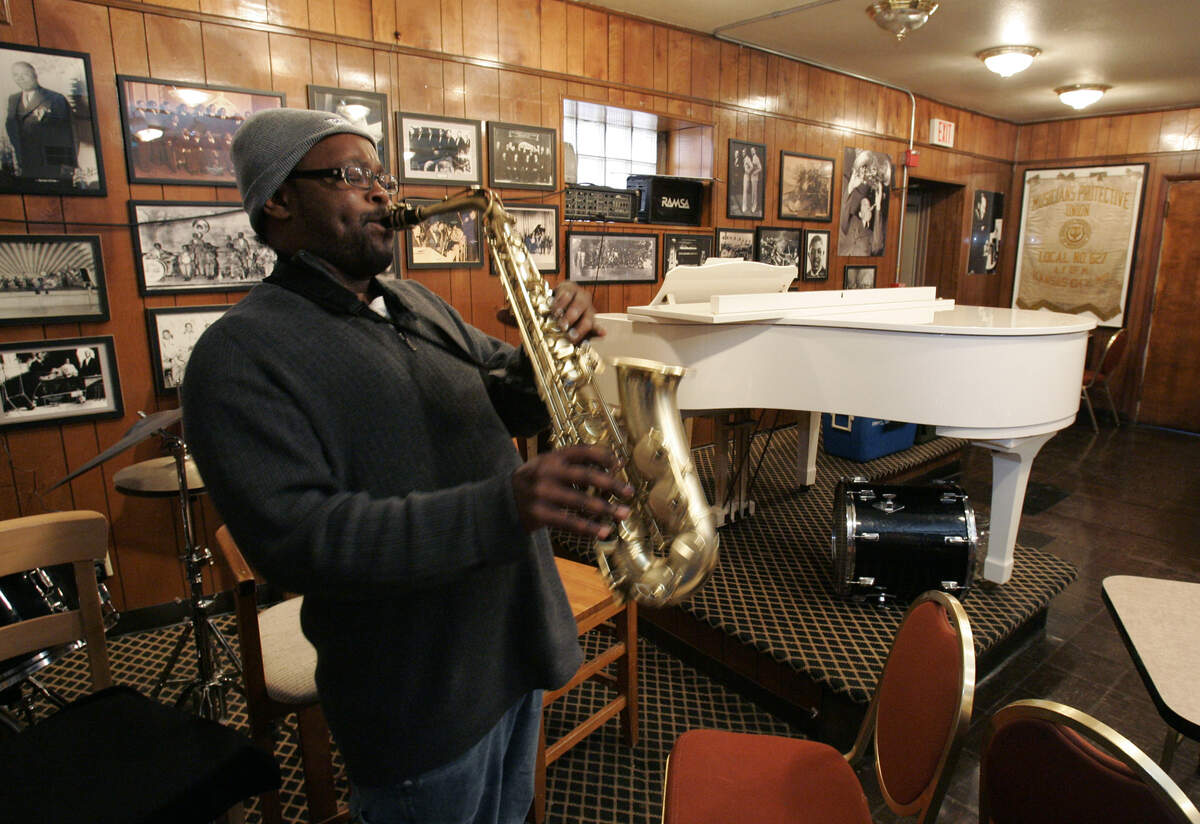
Every Friday and Saturday night, musicians gather after midnight for jam sessions that bring seasoned veterans together with younger performers. Rather than preserving history behind glass, the Foundation keeps it alive through participation, allowing each generation to learn directly from the one before it. That continuity has made it the oldest continuously operating jazz house in the world and one of Kansas City’s oldest continuously operating African American organizations.
McGee believes it is that living tradition, more than the building itself, that gives the Foundation its significance.
“It all starts with a place,” he said. “The people that fill that place and the energy that they bring in there is what keeps it alive.”
Just blocks away, the American Jazz Museum serves as the city’s premier institution for preserving jazz history. Home to Charlie Parker’s Grafton saxophone, Claude “Fiddler” Williams’ violin, Ernie Williams’ bass drum and one of the nation’s largest collections of historic jazz films, the museum chronicles both Kansas City’s contributions to jazz and the genre’s broader American story. Planned renovations aim to expand exhibits, improve performance spaces and strengthen the museum’s role as a national destination.
Inside the museum is the Blue Room, one of Kansas City’s premier performance venues and one of the few places where visitors can experience live jazz inside a museum dedicated to the music. The venue functions as both a nightclub and a living exhibit, continuing the performance tradition while surrounded by artifacts documenting the city’s musical legacy.
Just outside, Charlie Parker Plaza is anchored by Robert Graham’s towering “Bird Lives” sculpture. Facing east toward the clubs where Parker once performed, the monument has become one of Kansas City’s defining tributes to jazz. Hidden within the sculpture is a cutout shaped like the African continent, symbolizing Parker’s connection to Black culture and history.
Throughout the district, historical sidewalk markers identify former homes of musicians, long-demolished clubs and other locations where Kansas City’s jazz story unfolded. The African American Heritage Trail and the Clio walking tour connect many of those sites, while the Black Archives of Mid-America and UMKC’s LaBudde Special Collections and Marr Sound Archives preserve the documents, photographs and recordings that help tell those stories.
Beyond 18th and Vine are additional landmarks that illustrate the city’s musical heritage. Charlie Parker’s gravesite at Lincoln Cemetery remains one of Kansas City’s lesser-known destinations despite his international influence. Nearby, the Sarah Rector House tells another chapter of Black Kansas City’s cultural history. The nation’s first Black female millionaire entertained prominent figures, including Count Basie and Duke Ellington, demonstrating how jazz extended beyond clubs into homes where musicians gathered socially and creatively.
Public art has also become an important part of preserving Kansas City’s musical identity. Murals throughout 18th and Vine celebrate the city’s jazz heritage, including the American Jazz Museum’s collaborative “Harmony on the Vine: Spill Paint Not Blood,” which brought together hundreds of contributors from around the world to depict Kansas City’s past, present and future contributions to jazz. More recently, the “Let the Good Times Roll” mural behind Vine Street Brewing traces the district’s musical evolution from African drumming through jazz, rhythm and blues, hip-hop and contemporary music.
McGee believes public art preserves history in ways museums cannot.
“Visual art is symbolic,” he said. “It communicates things without words. It allows people to view it, interpret it for themselves and create their own stories. They’re not just physical murals. When they’re done right, they’re almost like cultural billboards.”
Preserving KC’s jazz culture
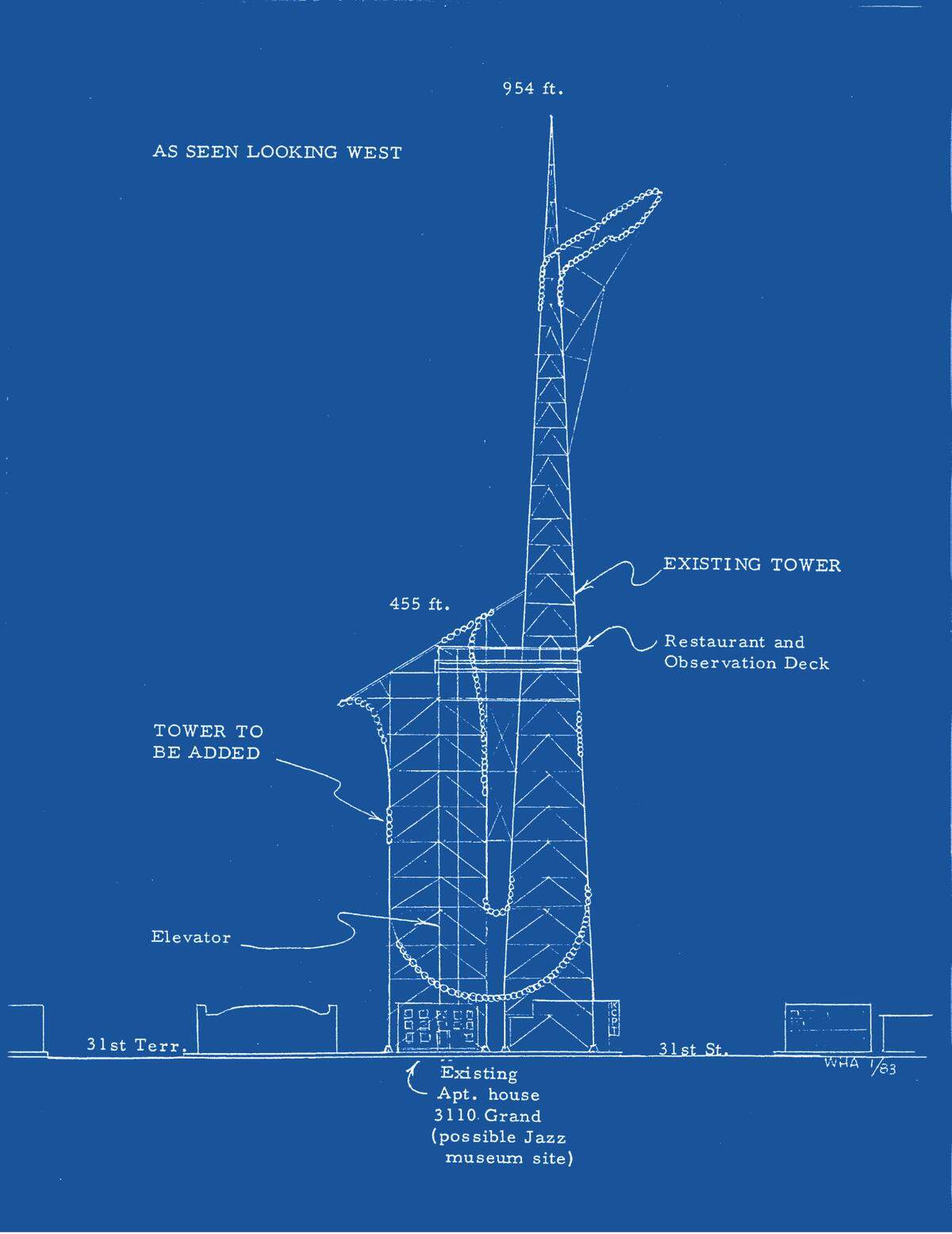
Kansas City’s jazz heritage has even inspired ideas beyond the traditional jazz district. One of the city’s most ambitious unbuilt proposals envisioned transforming the iconic KCTV broadcast tower into a giant illuminated saxophone, reflecting a long-standing belief that the city’s skyline itself could become a tribute to the music that helped define Kansas City’s identity.
Many of the places where Kansas City’s jazz history unfolded no longer exist. Urban renewal and highway construction erased countless clubs, homes and businesses that once formed the backbone of the city’s music scene. Today, preserving that history increasingly relies on museums, public art, interpretive markers and community institutions that continue telling those stories.
For McGee, protecting Kansas City’s jazz legacy requires preserving both the landmarks that remain and the stories connected to those that have disappeared.
“There has to be a real intentional effort to preserve those jazz landmarks or create spaces that tell the stories of the people and the landmarks,” he said.
While buildings and monuments safeguard the past, McGee believes the future of Kansas City jazz ultimately rests with the musicians themselves. He points to the younger artists filling late-night jam sessions, rehearsing throughout the week and performing across the city as evidence that the tradition continues to evolve rather than simply being remembered.
“I would say the thing that gives me the most optimism is watching and listening to veteran musicians continue carrying the legacy forward while also seeing younger musicians who are really invested,” McGee said. “The pure energy of musicians continuing to show up and do what they do, that’s at the core of all of this.”