How to take in Kansas City’s Black culture this Juneteenth weekend
As the FIFA World Cup festivities continue in Kansas City this week, Juneteenth weekend is bringing an equally significant celebration of Black culture, history and artistic expression to venues across the metro.
From Grammy Award-winning hip-hop artist Common headlining the JuneteenthKC Heritage Festival to theater productions, music performances and art exhibitions, the 2026 holiday arrives at a moment when Kansas City’s Black cultural community has an opportunity to share its stories with both local audiences and international visitors.
The two-day 15th annual JuneteenthKC Heritage Festival in the historic 18th & Vine Jazz District has grown into one of the region’s largest Juneteenth celebrations. The event will culminate Saturday with a performance by Common, whose career has been defined by socially conscious lyrics, storytelling and advocacy.
For festival organizers, the decision to bring Common to Kansas City was about more than booking a recognizable name. It was about selecting an artist whose work reflects the values and history the celebration seeks to honor.
“We just think it’ll be an awesome way to represent Kansas City, our culture and also bring a lot of different generations together,” said festival director Makeda Peterson.
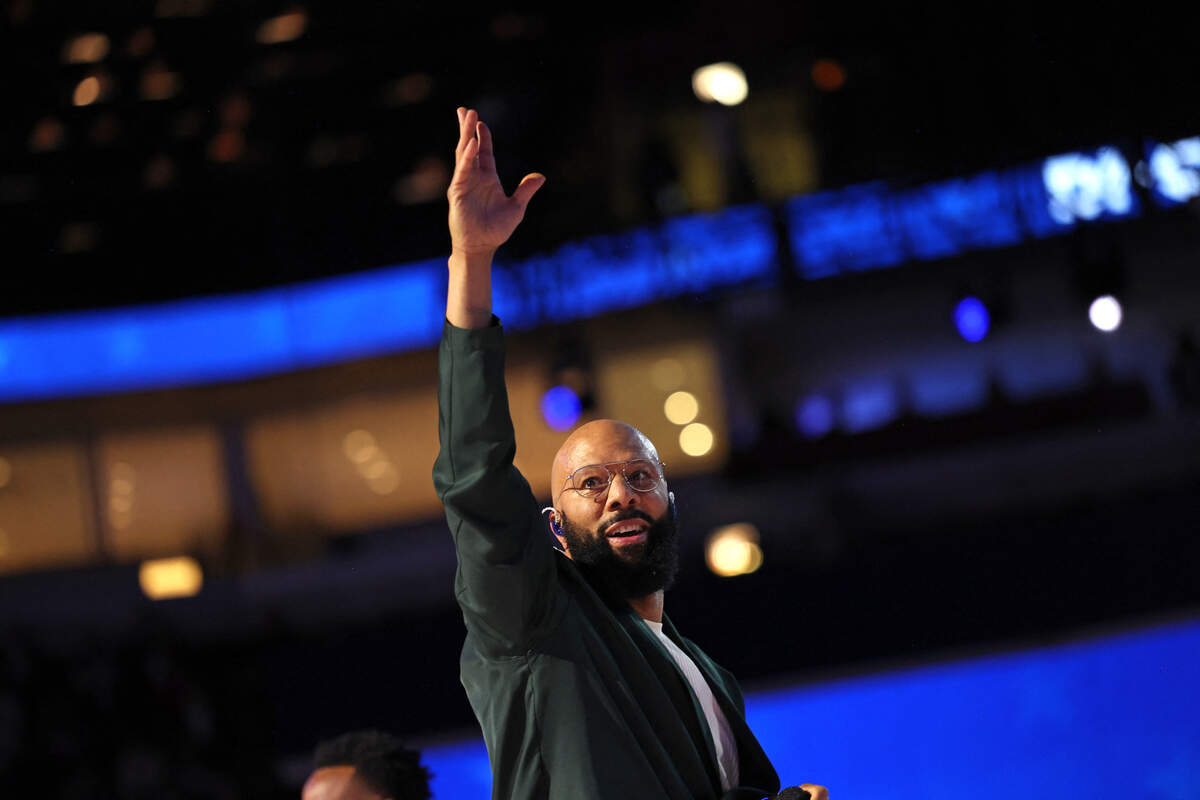
Peterson said Common’s appeal spans generations because of the substance and message found throughout his music.
“He comes from a generation of hip-hop where the lyrics really resonate and have meaning and the words have power,” Peterson said.
While Common will draw thousands to the district, the festival will also showcase local performers including KC Young Ross, Rob Lo the Star, Royal Chief, Truth Band and Sherela and the Jays.
Visual arts will play a prominent role throughout the weekend as well.
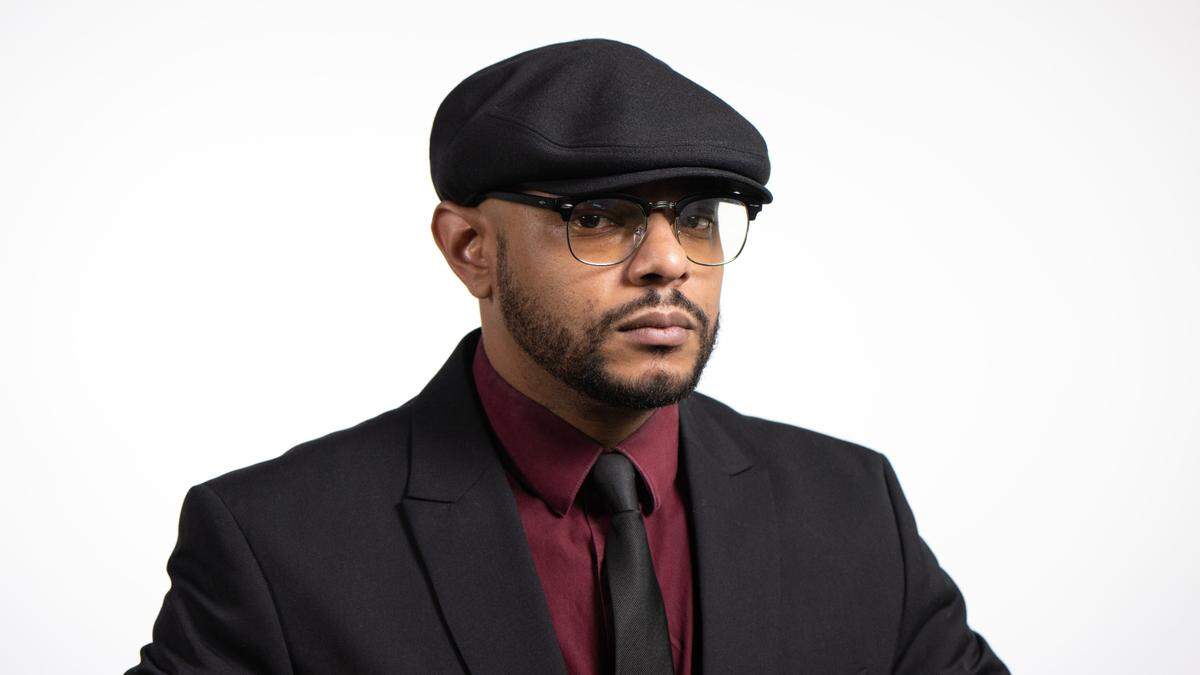
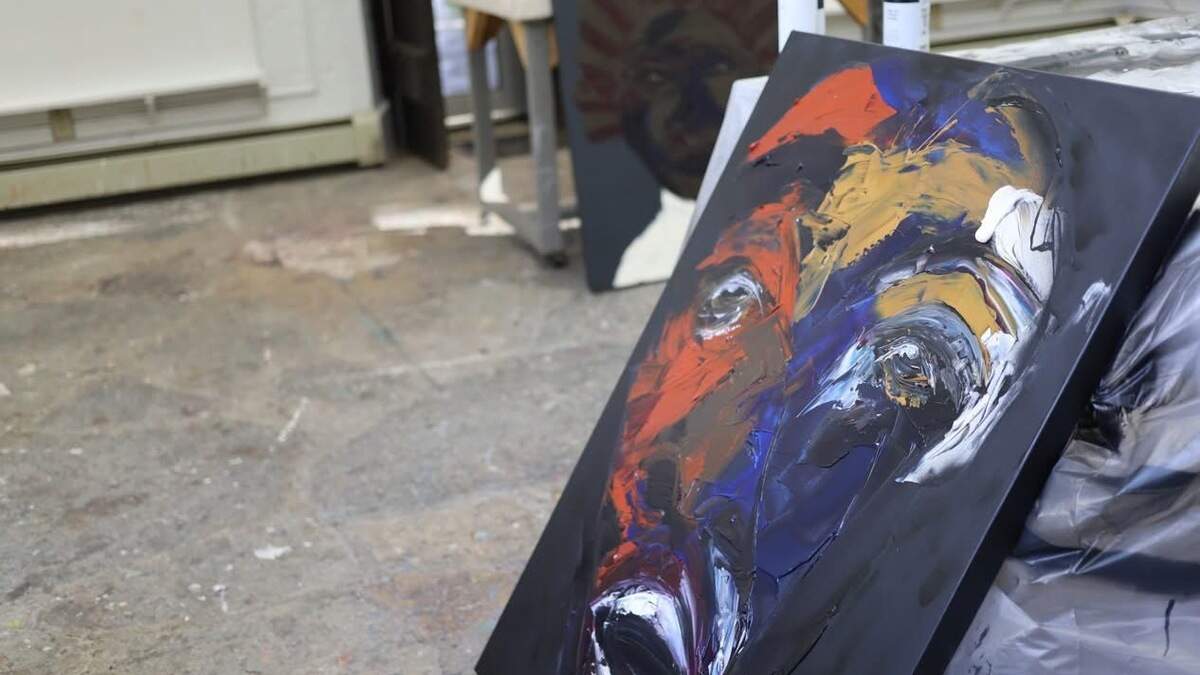
At the UrbanKore Art Exposition, artist Harold Smith is bringing together self-taught Black artists from Kansas City’s urban core in an effort to provide visibility for creatives who often operate outside traditional gallery and museum systems.
The exhibition focuses on artists whose work is rooted in the communities where they live and create. Rather than emphasizing institutional recognition, UrbanKore seeks to create opportunities for artists to present their work directly within the neighborhoods that inspired it.
Smith said the event reflects a broader philosophy about art, community and representation.
“Museums don’t collect our work, our story, and therefore our stories are not fully told,” Smith said.
For Smith, Juneteenth represents freedom and the opportunity for Black artists to define themselves through creative expression.
“We have this opportunity while the spotlight is on us to share our work and tell our stories,” he said.
One of the central ideas behind UrbanKore is that art gains deeper meaning when experienced in the environment that helped shape it.
“Art is best understood when seen in the environment that inspired it,” Smith said.
Visitors looking to explore additional visual arts programming can also visit the Zhou B Art Center Kansas City, where the ongoing “Placemaking” exhibition features work from resident artists exploring themes of community, identity and belonging. The exhibition continues through the summer as part of the district’s broader cultural offerings during the World Cup period.
Theater is also taking center stage throughout the holiday weekend.
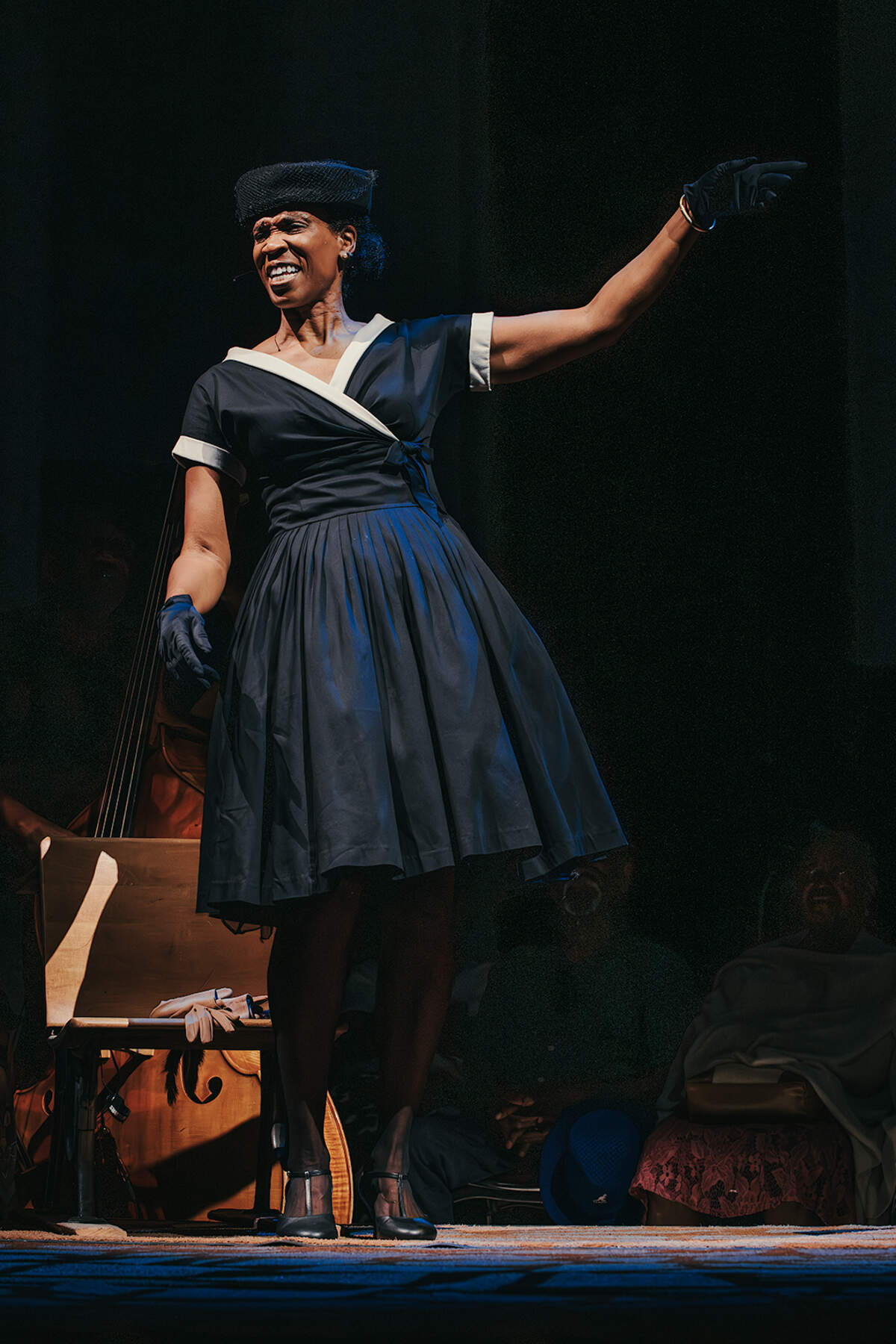
At the recently reopened Boone Theater, audiences can experience “An Evening with Sarah Rector: The Untold Story,” a one-woman production presented by the Black Repertory Theatre of Kansas City and the Black Movie Hall of Fame.
Executive producer Shawn Edwards said the show was created to address misinformation surrounding Rector’s life and provide audiences with a fuller understanding of her legacy. While many people know portions of Rector’s story, Edwards said few understand what happened after her childhood years.
“It debunks all the myths. It clears away all the stereotypes,” Edwards said. “People want to know how she lived as a young adult, how she lived as an adult, what she did with the money and what kind of impact she had on the Kansas City community. This production answers all of those questions.”
For Edwards, the production carries additional significance because it represents the return of live theater to the 18th & Vine District after decades without a permanent stage presence.
“It’s the one aspect of the arts that’s been missing from the 18th & Vine Historic Jazz District for decades,” Edwards said.
He views theater as an essential part of Black cultural expression and artistic development.
“The stage is the gateway to film. The stage is the gateway to television,” Edwards said. “The stage is where it all starts.”
Elsewhere in the metro, audiences can experience productions of “The Wiz,” the landmark musical that reimagines “The Wizard of Oz” through the lens of Black culture and music. Since its debut in the 1970s, the production has remained one of the most celebrated works in Black theater, blending music, storytelling and cultural identity.
The overlap between Juneteenth celebrations and World Cup festivities has created a unique opportunity for Kansas City’s Black cultural institutions. While visitors arrive for soccer matches and fan events, they are also being introduced to the city’s artistic traditions, historical narratives and creative communities.
For Smith, that opportunity reflects the deeper meaning of the holiday itself.
“Juneteenth just represents freedom,” Smith said. “Art is about artistic freedom. To actually be in a position today where we can create things that reflect our experience and put them out there.”