This Missouri town blocked data centers years before boom. They don’t regret it
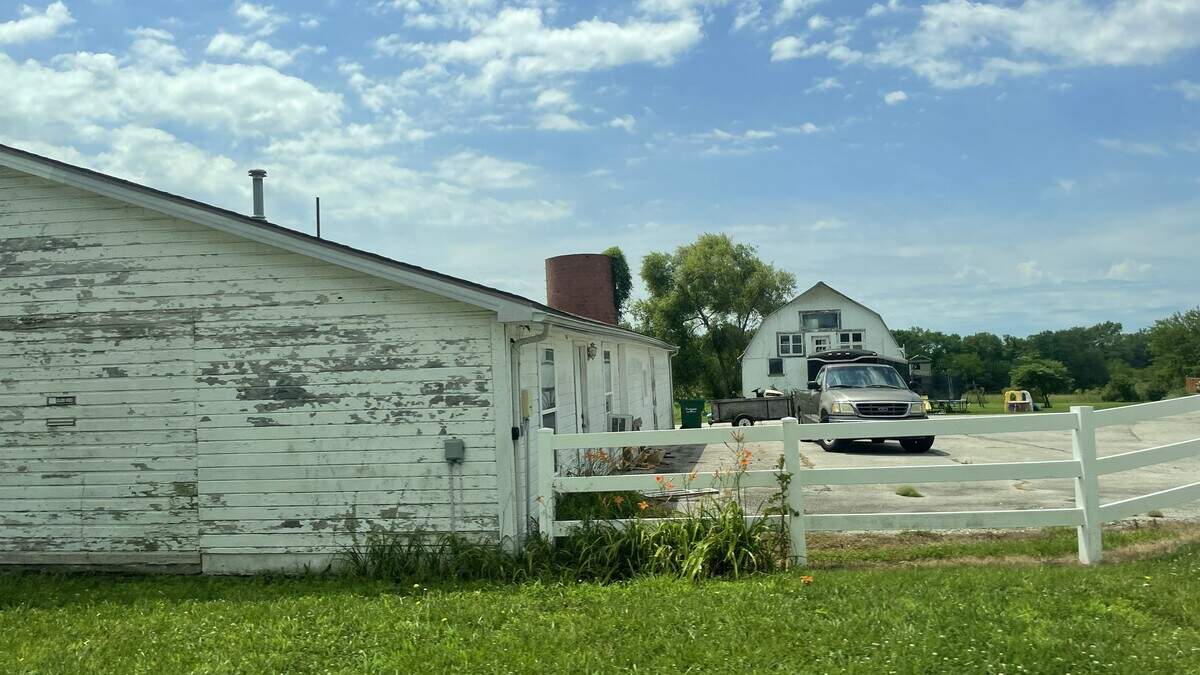
Swept up in the nationwide tumult over data center development, Kansas City-area officials and residents are confronting big questions about their impact on local communities as more big projects move forward.
Legal battles. Financial windfalls for cities and schools. Worries about risks to the environment. Infrastructure upgrades and utility bills. Tax breaks for corporations. Big charitable donations. Construction jobs. Artificial intelligence. The future of society itself.
They’re questions that residents in a small city just south of the metro fielded years ago, well before they exploded into big conversation across the Kansas City metro and the country.
At that time, the city in fast-growing Cass County preempted the issue entirely with a simple rule change that blocked a proposed data center, and any others, from coming.
That action in Peculiar, a small, bedroom community south of Belton and Raymore, sprung from residents organizing. Now, their experience is informing data center fights around the Kansas City area and beyond.
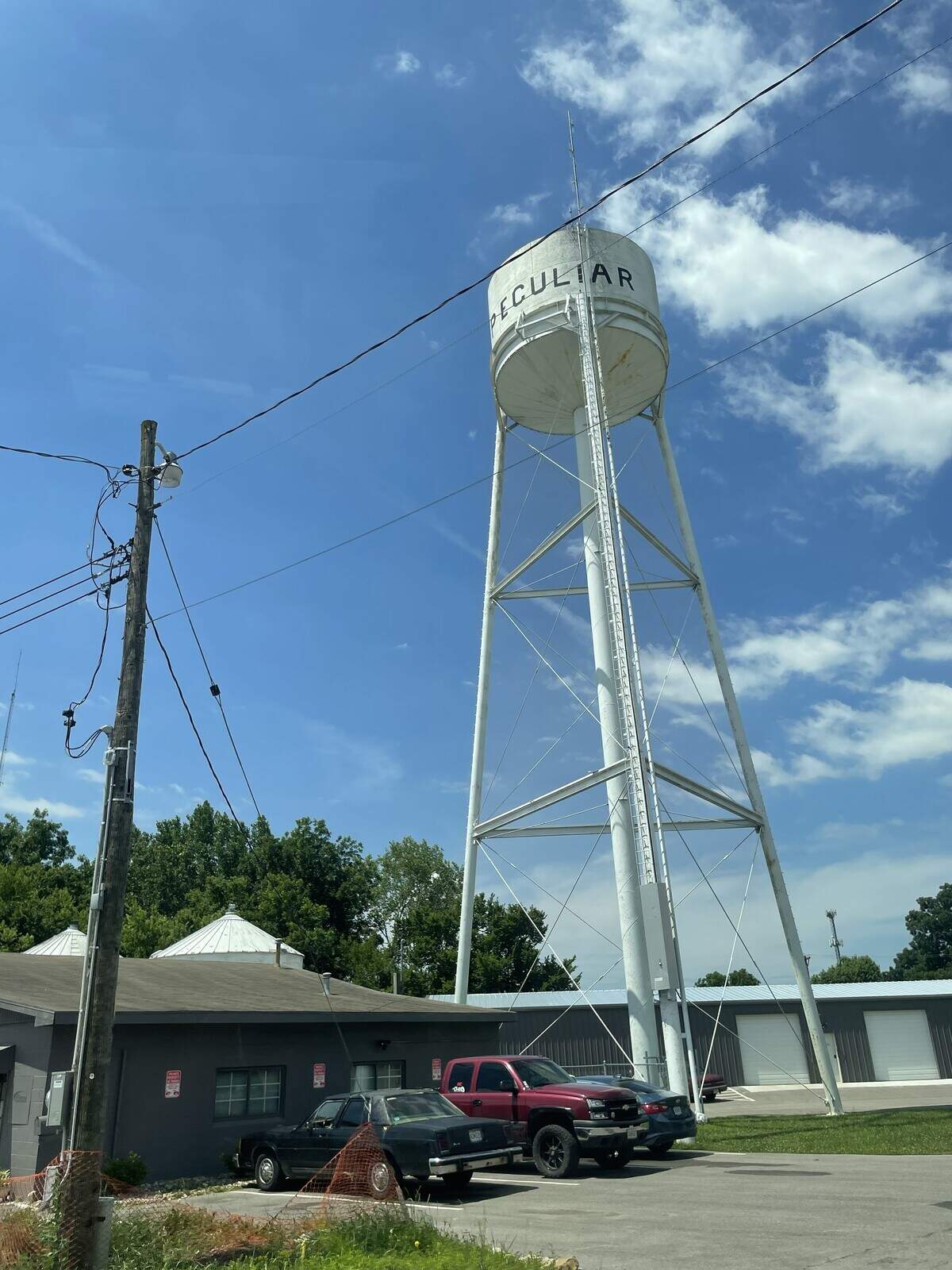
And current Peculiar officials say they have no regrets as the city continues growing — up nearly 4,000 people since 2000 to an estimated 6,365 residents — without a data center. Peculiar has a charming downtown with an unusual three-legged water tower but also commercial growth along the interstate and new housing visibly sprouting up all over.
“Zero, negative regret,” said Peculiar Alderman Robert Wells. “I’m glad we did our decision.”
Wells and current Mayor John Shatto, who were both aldermen in 2024, say the city has moved past the data center drama, while residents became more engaged with local government.
“That was our turning point,” Shatto said. “It was pivotal for our town. The town banded together, stuck together. Whether the government was going to agree to it or anything like that, it was all up to us, but they were not. The town became united, and it was quite a scene to see.”
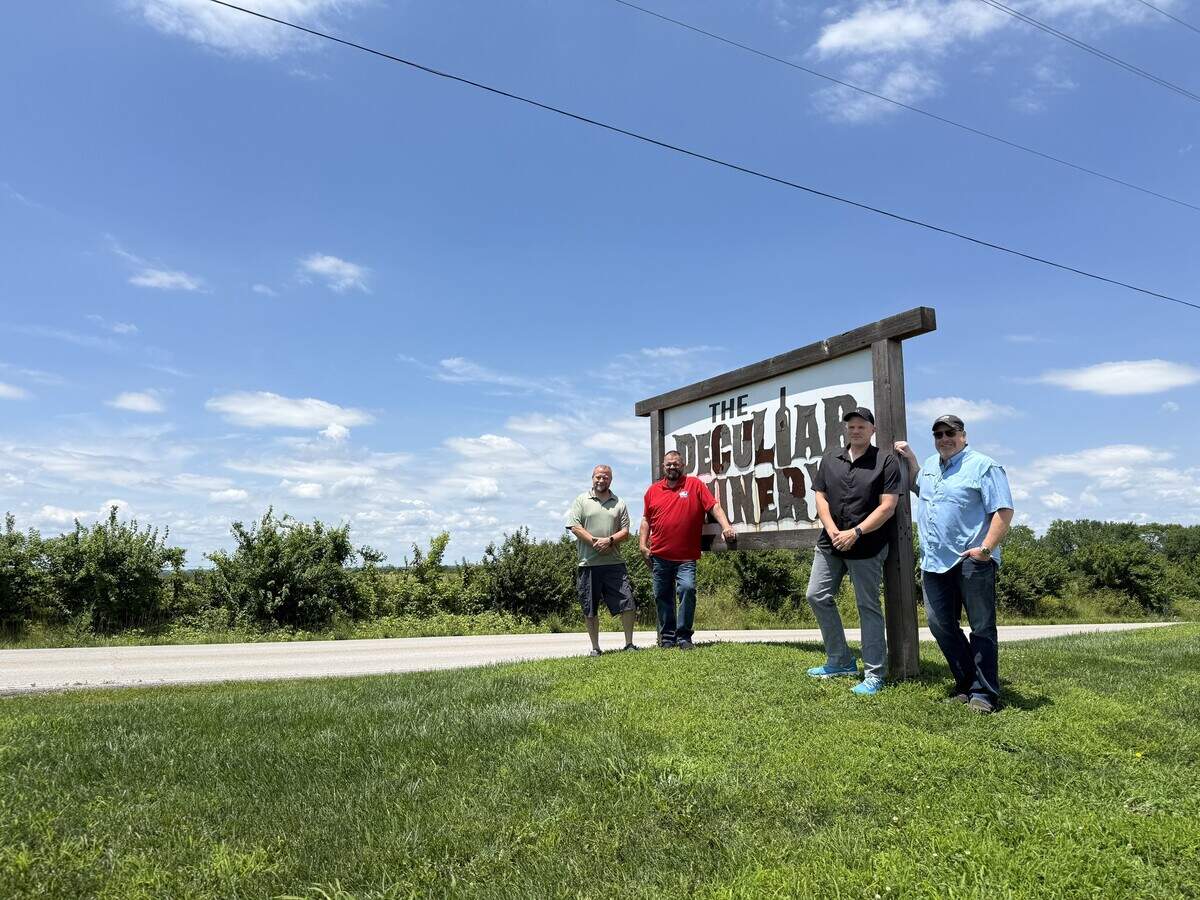
Inspiring pushback elsewhere
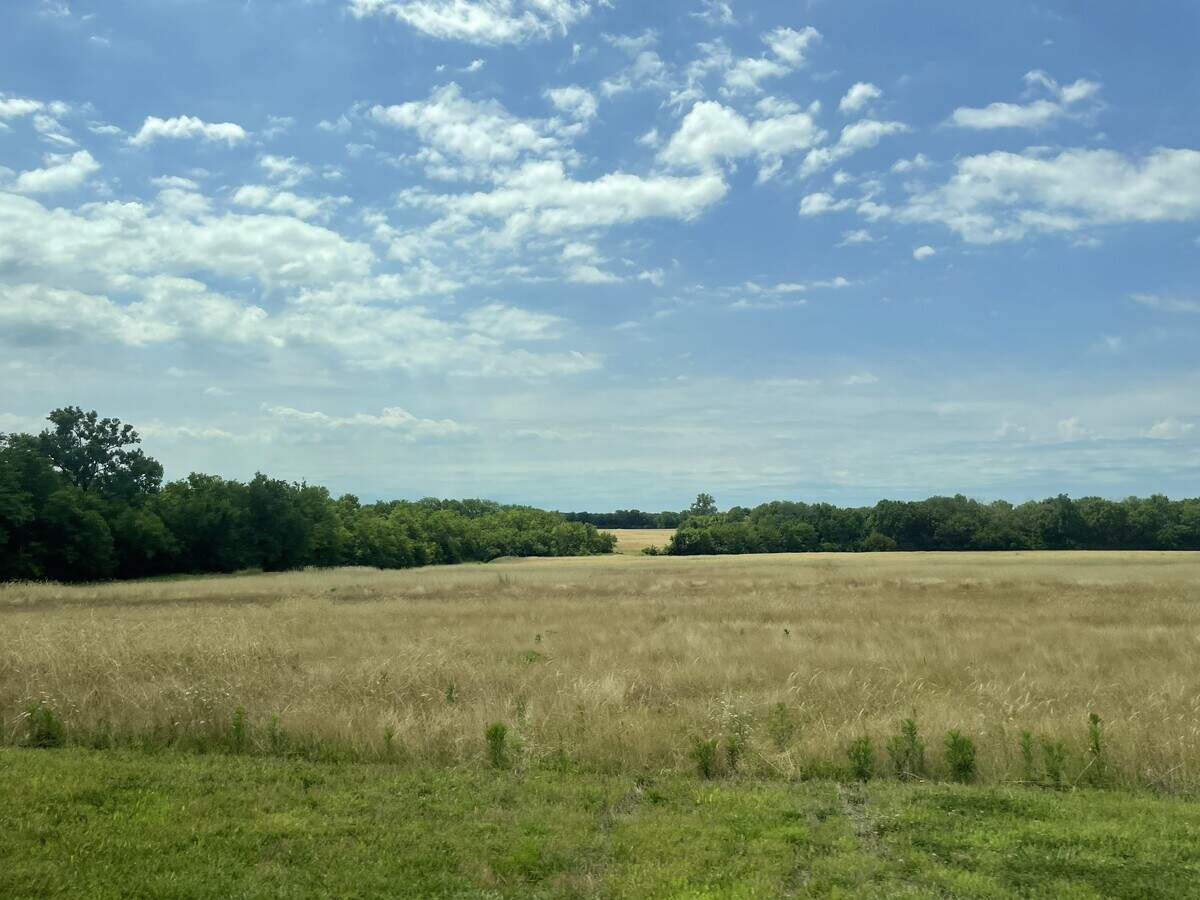
Data center developer Diode had proposed a large data center development on about 500 acres of what is now agricultural land, right by an electrical substation. The proposal never made it to the final stages, but conceptual plans showed seven buildings off 203rd Street and Peculiar Drive, just west of Interstate 49.
“It could have been the best thing in the world if they would have pulled it off correctly, but they just didn’t,” Shatto said.
Opponents echoed now-familiar concerns about how a data center could impact the community’s character, the environment, property values, infrastructure and quality of life for nearby residents, among others.
They organized on Facebook, mirroring how data center opponents often come together on social media today.
Lead organizer Chad Buck, who lives just outside city limits in a subdivision north of where the project would have gone, now advises organizers in other areas locally and nationally who have reached out to him about what he learned in Peculiar.
Buck has worked in real estate and development himself. One of his main arguments is that hyperscale data centers should be considered heavy industry, not light, and should be regulated accordingly.
He urges local government officials to prioritize transparency with residents and to understand how proposals interact with their cities’ own rules and standards for zoning and future land use — all with an eye toward making sure a data center plan, and location, are the right fit for their communities.
Katie Currid, who leads the Kansas City Data Center Watchdog group, said Peculiar was the first local fight she heard about and one of the first times she had heard about the issues that data centers can present.
“It emboldened me to show that when communities unite together, they can fight against corporate interests and big companies,” she said.
Transparency, smart growth
Both the companies that want to build data centers and the local governments tasked with negotiating those deals need to lean into community education and make sure they provide proper notice to their constituents, Buck said. Otherwise, they risk stirring up distrust among people who still have numerous questions about what data centers are and how they work.
“Citizens don’t believe that they’re being transparent and accountable, they don’t trust them, and so nothing gets done,” Buck said. “So, once the trust bond is broken, it’s really hard to repair.”
And, Buck and current officials say, developers and city leaders need to be transparent with other elected officials themselves so the people making the decisions know what they are signing up for.
Why zoning matters
In interviews with The Star, he emphasized understanding zoning and land use, or the formal city rules that dictate how a property owner can use their land and what can be built on it. In any city, zoning and land use rules are technical but important for guiding future development and growth.
The 500-acre site for the proposed data center had been zoned for agricultural use. (It’s not unusual for cities to rezone agricultural land for development.)
The property was also in a special zoning district that called for a mix of light industrial use and commercial business for the neighborhood.
City planning documents envisioned the property’s future use being mostly light industry, like a warehouse, with some commercial business to the south of the site.
The city needed to change the property’s zoning so it could be used for light industry while also adding data centers to the list of what’s allowed in such a zone.
In city code, “light industrial” could include warehouses, various types of manufacturing and wholesaling. City rules distinguish it from “heavy industrial,” which would include uses that “generate levels of smoke, dust, noise, odors and visual impacts that render them incompatible with virtually all other land uses.”
The Board of Aldermen initially voted in support of allowing data centers in light industrial areas in April 2024. But controversy over the proposal erupted in the community and among elected officials, and the board voted in August to place a temporary moratorium on data center applications.
And by October 2024, the board reversed its April vote, meaning data centers are effectively not allowed in any commercial or industrial area in Peculiar. The Diode project never moved forward.
“They realized that, hey, what was being proposed here does not fit the intent of our land use or comprehensive plan or zoning. They realize these aren’t light industrial. This has harms and effects to the nearby residential districts that this was proposed to go by, and they voted unanimously to take data centers out of their zoning code,” Buck said. “I think that’s the big story here.”
That all went down nearly two years before Jackson County was considering its own moratorium on data centers in areas outside city limits, and before Kansas City passed a set of new rules about where data centers can go and how they are approved
Turnover after controversy
Top city leaders at the time supported the project, which moved through some of the initial steps needed to make it a reality.
News site Data Center Dynamics reported in 2024 that, on Facebook, then-Mayor Doug Stark wrote that the Board of Aldermen was facing pressure from a “boisterous and ill-informed group” to kill the data center project, which he said could have helped the community and brought in new revenue.
He reportedly wrote that the “very public debacle has damaged our city’s reputation and our ability to attract good, positive developments in the immediate future.”
After the data center controversy in 2024, Peculiar saw turnover among elected officials and hired city staff, including Stark’s resignation in 2025. He was accused in articles of impeachment of withholding information about the city’s finances and a proposed ballot measure from the Board of Aldermen.
Shatto was then appointed mayor and elected to a two-year term in April.
The Peculiar data center project never reached the stages of a final development plan and agreement with the city, so it’s not known exactly how much new tax revenue the project could have brought to the city and local schools.
But data centers are generally expected to bring in large amounts of new tax revenue for local taxing bodies, even with massive tax breaks.
In Independence, where controversy over Nebius’ proposed $150 billion data center led to the ouster of several elected officials, the project is expected to bring $651.5 million to taxing bodies over 20 years, including half a billion of those dollars for the Independence School District.
That’s more than $32 million per year in new revenue across Independence.
The Raymore-Peculiar School District, which covers Peculiar, did not respond to a request for comment.
New developments
But elected officials in the city of Peculiar say that, even without a data center, the community continues to grow with new housing and new businesses, like a McDonald’s, a Taco Bell and a possible hotel, bringing in new tax revenue — on their terms under new city leaders.
“Over the last year, we’ve gotten eight hits of developers wanting to come here to develop,” Wells said. “That’s huge for us.”
Meanwhile, they emphasize community events and ongoing investment in infrastructure like parks. They also say that what happens with a data center after a few decades, when incentive deals would expire, would be unclear.
“You can still have the small town feel,” Shatto said. “It’s still the small downtown feel. We’re not taking that away from the city. We’re just adding to it so we have development and money coming in with the taxes to fix the roads and build the infrastructure and take the burden off the taxpayers.”
If not a data center, what could go on the undeveloped 500 acres?
Wells envisions something that could attract tourism and visitors with family-oriented businesses or a mixed-use development with shops and housing.
Buck said it could be a residential, commercial or even an industrial park some day — but one that would be a better fit for Peculiar with less impact than a data center.
“It needs to have an economic benefit to the city, other than just tax revenue, and needs to bring jobs,” Buck said.
He said a project needs to be well-received in the community for it to be considered good economic development.
“They’ve got to be welcomed in,” he said.