Multiple ‘hyperscale’ data centers in the works around KC. What that means, see map
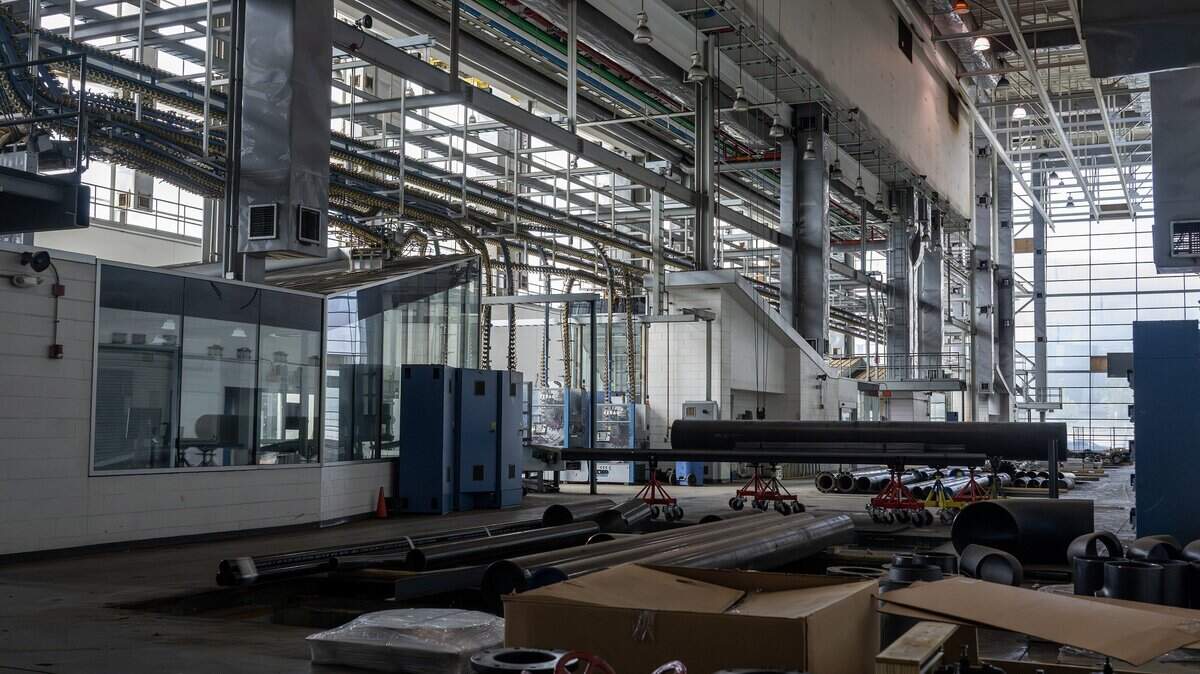
As data center projects sprout up across the Kansas City metropolitan area, so are residents’ concerns over what that means for their health and natural resources.
How much area water do they use? How will this new wave of development affect energy demand and prices? What are the risks of building something that relies on burning fossil fuels?
Those questions — which have been raised in local rooms from Independence to Smithville to Spring Hill — come at a time when technological advancements and Donald Trump’s presidency have altered the way the U.S. Environmental Protection Agency regulates industry.
The number of data centers — facilities used to house computer systems and optimize internet efficiency — are surging in the United States as new tech gains momentum and companies become increasingly reliant on artificial intelligence.
Numerous data center projects that are eclipsing the size of older models are planned for the next few years in the KC metro, and some are already operating.
On both sides of the state line, in Kansas and Missouri, legislators have signaled that they want to encourage data center development through tax breaks designed for the facilities.
While national-level organizations are suing the EPA in an effort to get stronger federal safeguards, some local advocates around KC are calling on community and state officials to push developers to operate using clean energy sources alone.
Hyperscale data centers
Data center companies are in a global race to produce more AI, faster. And although some have pledged to lean into renewable energy, many rely on increasingly-strained power grids and fossil fuel-powered turbines to get ahead. Energy demand, thus the amount of combustion or other sources required to operate a data center, depends on scale.
More and more often, new data center projects are being described as hyperscale. That’s a term that has slightly different definitions depending on what side of the state line someone’s on. Kansas classifies projects as hyperscale if they use more than 75 megawatts of energy to operate. Legislation proposed in Missouri’s defined hyperscale data centers as using more than 25 megawatts. Evergy defines “large load” projects as exceeding 75 megawatts.
Of the at least 10 large data center project proposals pending in the Kansas City metro, at least five are planned to operate using 100 or more megawatts, according to project proposals, company and city representatives and data compiled from Data Center Map, a site that has tracked such projects, pending and existing, since 2007.
Companies like Meta, which has a center operating in the Northland, have said they plan to match their data center use using entirely clean and renewable energy. Nebius, which is building a large, at least 800 MW facility out in Independence, will utilize some renewable energy while also leaning heavily on fossil fuel turbines.
Hyperscale data centers require notably higher amounts of power to operate than smaller facilities around the metro.
They also need more backup generators.
Data centers use emergency backup generators for reliability purposes, like during grid failures. Those backup generators, often powered using combustion turbines, are associated with pollution in the form of carbon monoxide, nitrogen oxides, volatile organic compounds, particulate matter and some hazardous air pollutants, according to the EPA.
See the map of which larger data centers are up and running, and which are coming.