Missouri & Kansas’ tick season could be longer & more severe in 2026. Here’s why
AI-generated summary reviewed by our newsroom.
- Midwest tick bite ER visits nearly doubled from April 2025 to April 2026.
- Ticks in the Midwest are most active April through September and inhabit brushy areas.
- Lone star ticks are confirmed in local counties and can cause ehrlichiosis and alpha-gal.
Ticks are becoming increasingly common — and consequential.
Tick bite-related emergency room visits nearly doubled when comparing rates from April 2025 to April 2026 in the Midwest, according to data from the Centers for Disease Control and Prevention.
The Missouri Department of Conservation says that tick-borne illnesses are on the rise due to both better reporting of diseases and changing environments.
“(Tick bites) used to be when you would go deep in the woods, when people would go backpacking deep in the woods. But it seems as though … deer are running into the city sometimes,” said Jackson County Public Health epidemiology specialist Shaun Botts. “So if they’re expanding out, then these ticks are expanding out, too. So it’s not just the deep woods situation anymore, you can get them in your backyard.”
Warmer winters and springs cause ticks to appear earlier in the year, MU Extension article from the University of Missouri stated. Combined with this spring’s heavy rainfall, lone star ticks and others thrive.
As Kansas Citians head into what could be a record tick-bite year, there are some things to know.
When and where can ticks be found?
Ticks are most active from April to September in the Midwest, according to the Missouri Department of Health and Senior Services.
Grassy, woody and brushy areas with ample foliage for hiding in are where ticks most often reside. They can even reside in backyards, but are especially prevalent in overgrown vacant lots, waste fields, leafy edges of paths and trails and where wildlife is abundant.
What ticks should I be concerned about near Kansas City?
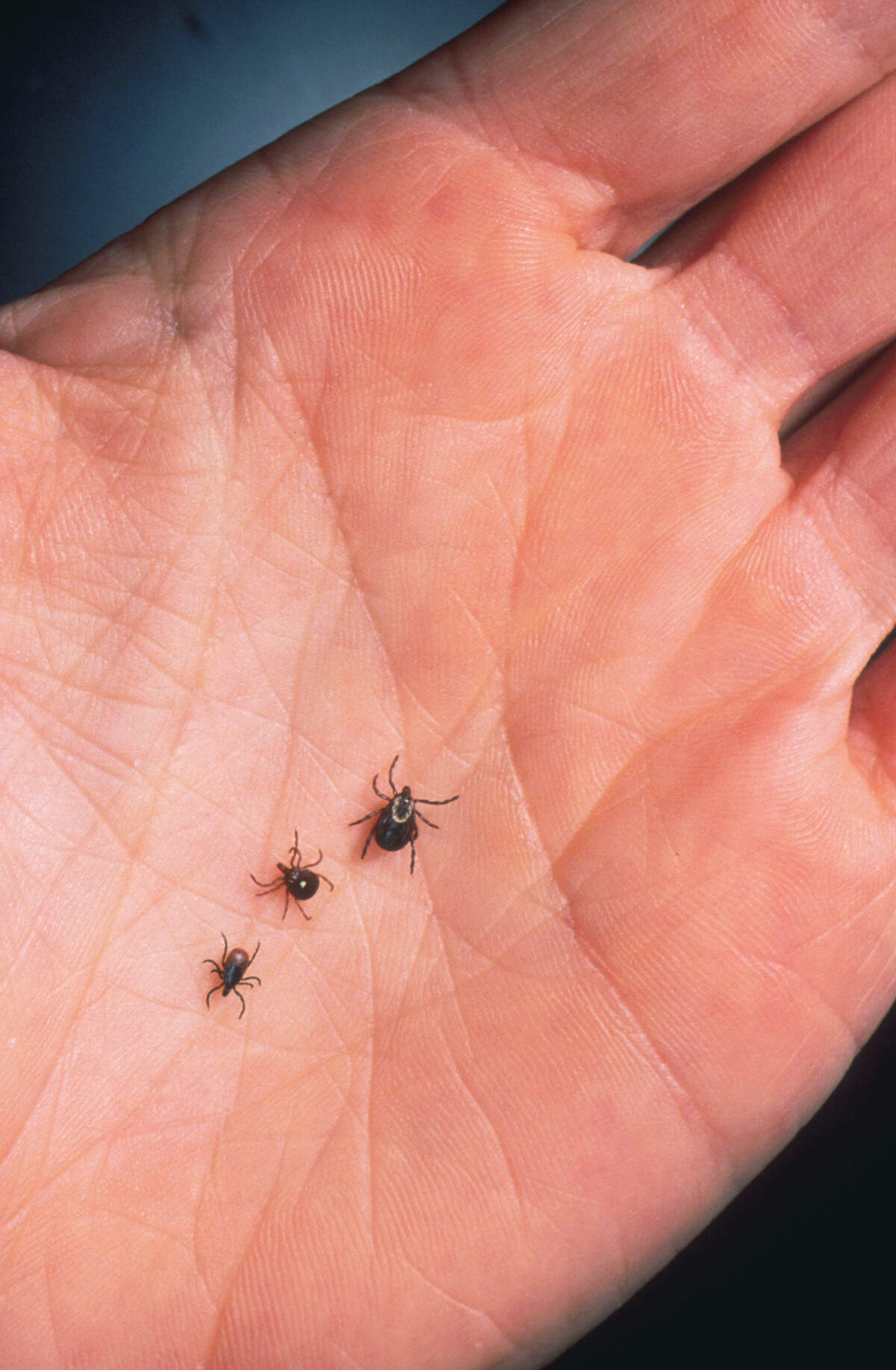
The most common ticks in the Kansas City area are lone star, blacklegged, American dog and Gulf Coast ticks. Each has recognizable identifiers and can carry risks of contracting different illnesses.
“The one that causes the most problems is the lone star tick. There are other ticks in the area, but that one seems to cause the most problems.” Botts said.
The lone star tick female has one white dot on its back and the male does not. Potential illnesses from a bite include ehrlichiosis, tularemia, Heartland virus, Bourbon virus and alpha-gal syndrome — all of which can be occasionally fatal without appropriate treatment started fairly early.
It’s also the most likely tick to come across. Confirmed populations have been reported in Johnson and Wyandotte counties in Kansas, and Jackson and Clay counties in Missouri, according to Center of Disease Control tick surveillance maps.
Other ticks include:
Blacklegged or deer tick
- These ticks have a solid reddish-brown body with a distinct black shield just behind their head and dark legs.
- Bites can cause Lyme disease, anaplasmosis, babesiosis, Powassan virus.
- Confirmed populations are in Johnson and Wyandotte counties in Kansas.
American dog tick
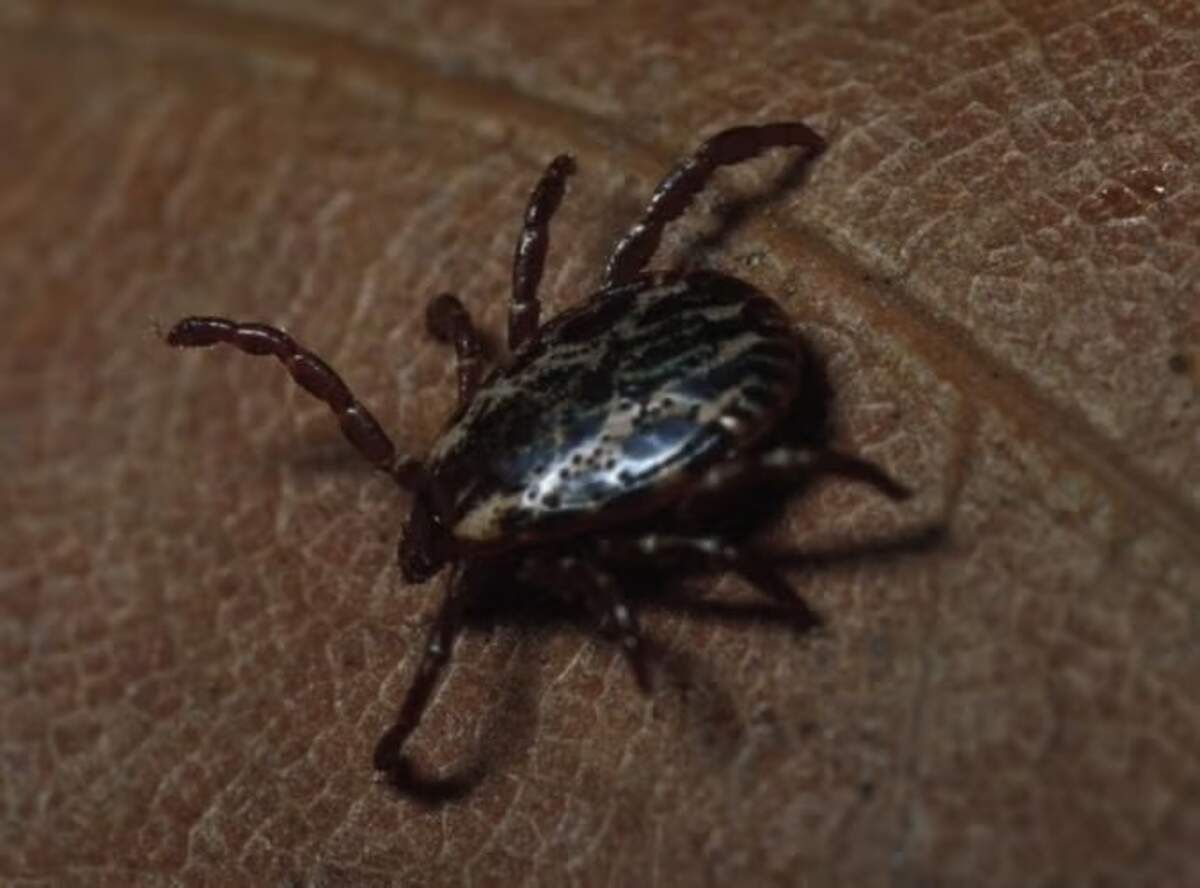
- Males are dark red with white interlaced patterns across the entire back. On females, the pattern is isolated to the upper back.
- Bites can cause tularemia and Rocky Mountain spotted fever.
- Confirmed populations are in Leavenworth County.
Gulf Coast tick
- They are dark reddish-brown bodies and ornate silver markings just behind the head on females and over the whole back on males. They also have noticeably long mouthparts protruding from the head.
- Bites can cause rickettsia parkeri, a type of spotted fever.
- Populations are currently not monitored by the CDC.
Where are ticks most likely to bite?
According to Cleveland Clinic, ticks prefer warm and moist areas, including but not limited to:
- Scalp and neck
- Groin
- Behind the knees
- Inside the belly button
- In or around ears
- Inside armpits
- Around the waist
What does a tick bite look like?
Bites are often not noticeable unless the bug is still attached. You may see a bump, or experience swelling or itching.
Botts says some people like to remove or dispose of ticks with nail polish, fire and Vaseline — but there is a simple and effective method recommended for tick removal.
If you find a tick on you:
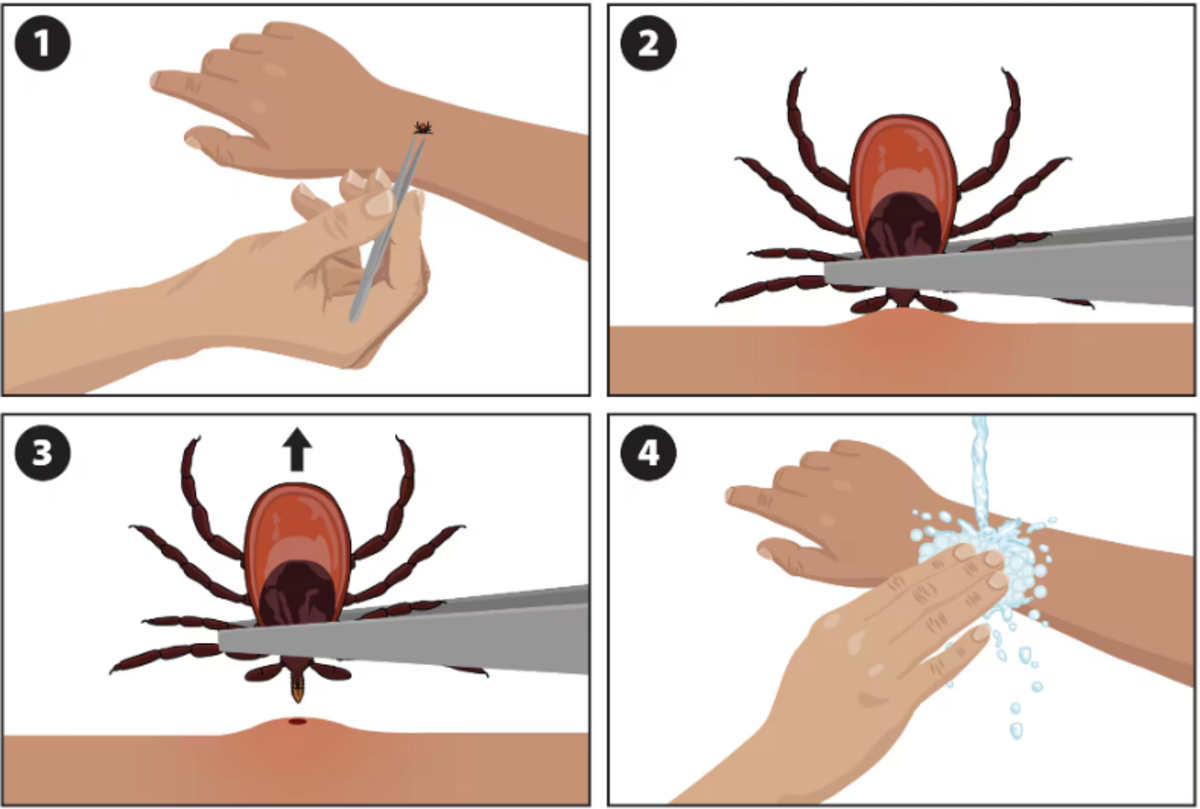
- Use clean, fine-tip tweezers to grasp the tick close to your skin. Pull straight upward with steady pressure. Don’t twist or crush the body. If the mouthpiece breaks off, try to remove it without digging into the skin. If you can’t, your body will naturally push it out over time.
- Clean the site with soap and water.
- Check the rest of your body for ticks.
- Dispose of the tick by throwing it away in a sealed container or flushing it down the toilet.
- If concerned about potential illnesses, keep the bug in a sealed container or take a photo of it as you wait 10 days to experience any symptoms. Just because you get a tick bite doesn’t mean you’ll contract an illness.
What illnesses can result from a tick bite?
Humans can contract illnesses from ticks because when a tick feeds on a diseased animal, they contract disease-causing agents. The Missouri Health Department says that in the past 40 years, 18 different tick-borne illnesses have been discovered.
The most prevalent tick-borne illnesses for Kansas Citians, Botts says, are ehrlichiosis and Rocky Mountain spotted fever. Though with similar symptoms and treatment — fever, headaches, muscle aches and nausea treated by antibiotics — the spotted fever poses a life-threatening risk if not treated early and is characterized by a developing rash.
Botts says the Heartland virus was discovered in Missouri in 2009, caused by the lone star tick. While not as common as other tick-borne illnesses, nonspecific flu-like symptoms including fatigue, decreased appetite, nausea and even elevation of liver enzymes often lead to hospitalization. Full recovery is often made, according to the Missouri Health Department.
In 2014, a Kansas resident became ill with what is now called the Bourbon virus, also caused by the lone star tick with similar symptoms and treatment.
Other illnesses and their symptoms to be aware of are:
- Tularemia, a highly infectious illness treated with antibiotics. Symptoms include fever, chills, headache, malaise, fatigue, anorexia, myalgia, chest discomfort, cough, sore throat, vomiting, diarrhea, and abdominal pain.
- Lyme disease, causing a fever, headache, fatigue, and a characteristic skin rash called erythema migrans. Without antibiotic treatment for a few weeks, infections can spread to the heart, nervous system and joints.
- Alpha-gal syndrome, a condition Botts has been increasingly asked about by the public, is distinct from other tick-borne illnesses. A lone star tick bite can cause the allergy to all mammalian products, including red meat, dairy, and even gelatin. Severity of allergy symptoms can range from person to person, including life-threatening anaphylaxis. Botts says symptoms are two to eight hours delayed after exposure, and can include hives or rash, nausea, stomach pain, cough, shortness of breath and swelling of the lips, tongue, throat, or eyelids. Additional bites can lead to increased allergic severity, according to the Missouri Health Department.

When should I seek medical care for a tick bite?
If you get a rash, flu-like symptoms or experience blistering and pain at the bite site, go to the doctor. The Mayo Clinic suggests seeking emergency medical care if you experience a severe headache, difficulty breathing, paralysis or heart palpitations after being bitten or going outside.
How can I best prevent or mitigate tick bites?
Environmental Protection Agency-approved repellants containing DEET, picaridin, IR3535, oil of lemon eucalyptus, para-menthanediol, or 2-undecanone are what Botts recommends — all easily available commercially. He also says that when possible, wearing long sleeves in pants is ideal.
“As far as bringing ticks back in the house, you should always check your clothes every time you go anywhere that’s outdoors. Anytime your dog or cat or whatever goes outside, you should always check them when they come back in.”
The Missouri Health Department also recommends treating clothes, boots and outdoors gear with permethrin per label instructions. Pre-treated clothes can be bought as well. Wearing light clothes to easily spot ticks is also recommended, and you can heat treat clothes in the dryer after returning home to kill any lingering ticks.
The CDC has recommendations for keeping ticks off your outdoor property:
- Clear tall grasses and brush around homes and at the edge of lawns.
- Place a 3-foot wide barrier of wood chips or gravel between lawns and wooded areas to restrict tick migration.
- Mow frequently.
- Stack wood neatly and in a dry area to discourage rodents.
- Keep playground equipment, decks, and patios away from yard edges and trees.
- Remove old furniture, mattresses or trash from the yard that may give ticks a place to hide.
Whether taking a miles-long hike or simply maintaining your herb garden, being knowledgeable on ticks and their potential dangers is becoming increasingly important. With a projected increase of tick presence this summer, staying vigilant is as relevant as ever.