Tick-Borne Illness in Kids Is Spreading Across the U.S. — What Every Parent Needs to Know This Season
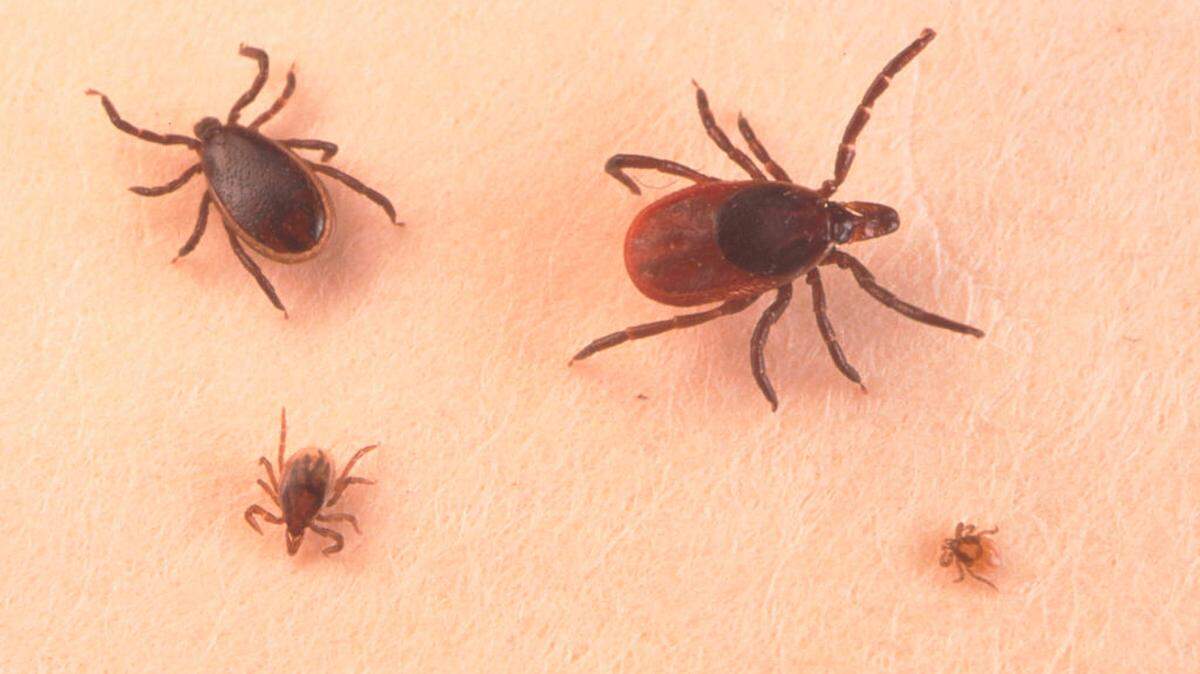
Tick season is here, and if you have kids who spend time outside, it’s worth knowing the landscape has shifted. Cases of tick-borne illness have more than doubled nationally over the last 13 years, and Lyme disease in children is now climbing fastest in the Midwest, not just the Northeast where most people assume the risk lives.
The CDC estimates around 476,000 Americans are diagnosed and treated for Lyme disease each year, with fewer than 10% of cases officially reported. Positive Lyme tests have now been recorded in all 50 states, according to the Johns Hopkins Lyme Dashboard. A February 2026 study in PubMed confirmed the pediatric surge in the Midwest is statistically significant and accelerating.
Part of what’s driving this is warmer winters. Without hard freezes killing ticks off, there are simply more of them, and they’re becoming active earlier each spring. Tick season now runs April through September nationally, but ticks stay active at any temperature above freezing.
What to Put on Kids Before They Head Outside
You don’t have to choose between effective and gentle. EPA-registered repellents with DEET, picaridin (20%) or oil of lemon eucalyptus work well on exposed skin for older children. Don’t use OLE or PMD on kids under 3.
Treating clothing and gear with 0.5% permethrin is one of the most reliable options available. It survives multiple washes and should never go directly on skin.
If you’re looking for more natural options, oil of lemon eucalyptus is the only plant-based repellent the CDC formally recommends. Research shows that after six hours it can outperform DEET against lone star ticks. A peer-reviewed Springer Nature study found spearmint and oregano oils on clothing produced significantly fewer ticks, with spearmint performing comparably to 20% DEET. A separate Scientific Reports study found clove oil and cinnamon oil lotion emulsions provided the longest protection of 20 natural ingredients tested.
Keep in mind that natural options need reapplication every one to two hours and work best layered with other prevention habits. Always dilute essential oils in a carrier oil before applying to skin and patch test first, especially on young children.
The Tick Check Is Your Best Tool
Building a daily tick check into your kids’ routine, ideally during bath time, is one of the most effective things you can do. Focus on the scalp, behind the ears, underarms, belly button, behind the knees, between the legs and the back of the neck.
Shower within two hours of coming indoors and tumble dry clothes on high heat for 20 minutes. Both help remove or kill ticks before they have a chance to attach.
Here’s something worth knowing: most tick-borne illnesses require about 48 hours of attachment before they can transmit disease. That window gives daily checks real protective value. The exception is Powassan virus, which can transmit in as little as 15 minutes. Nymph-stage ticks, active right now through early summer, are about the size of a poppy seed, so don’t skip the check just because you don’t see anything obvious.
Making Your Yard Safer
Ticks are often picked up closer to home than parents realize. Keep grass mowed, clear leaf litter and install a three-foot gravel or wood chip barrier between your lawn and any wooded areas. Ticks dehydrate in low-humidity zones and can’t cross that kind of barrier.
Check pets every time they come inside. They’re reliable tick taxis. If you live near wooded areas, targeted chemical yard treatments applied before Memorial Day and again in fall can significantly reduce tick numbers when populations are peaking.
If You Find a Tick
Stay calm. Using fine-tipped tweezers, grasp the tick as close to the skin as possible and pull upward with steady, even pressure. Never twist. Wash the area thoroughly after removal and save the tick in a small container or on tape to help identify the species if symptoms develop later.
Watch for a bull’s-eye rash or flu-like symptoms including fever, body aches and nausea in the days and weeks following a bite. See a doctor promptly if either appears.
Other Diseases Worth Knowing About
Beyond Lyme, ticks can transmit Rocky Mountain Spotted Fever, ehrlichiosis, anaplasmosis, babesiosis and Powassan virus. Indiana confirmed its first documented human case of Heartland virus in 2025, a tick-borne illness that can’t be treated with antibiotics, making prevention especially critical.
Alpha-gal syndrome is another one to put on your radar. Triggered by lone star tick bites, it causes an allergy to red meat that can come with severe reactions, sometimes requiring emergency care. Many people have no idea they have it until symptoms appear. A simple blood test can confirm it.
The good news is that a consistent routine: the right repellent, a daily check and a few yard adjustments, genuinely works. Ticks are a growing concern, but they’re also a very manageable one.
This article was created by content specialists using various tools, including AI.