Coyote spotted by police in Johnson County neighborhood. What to do if you see one
The Mission Police Department warned the public of a coyote sighting in a residential neighborhood this week.
Officers spotted the coyote running west on 61st Street near Woodson Wednesday afternoon, making its way through the yards of homes in the area, police said on social media.
Police advised residents to take proper precautions, like keeping a close eye on outdoor pets, securing trash and removing food sources that may attract wildlife.
The police department said that coyotes are often seen in Mission near highways but that it’s unusual to see them that far into residential neighborhoods.
However, Johnson Countians have reported seeing an uptick in coyotes in recent years. Seeing them in yards has become a part of every day life for people living in southern parts of the county, residents told The Star in January.
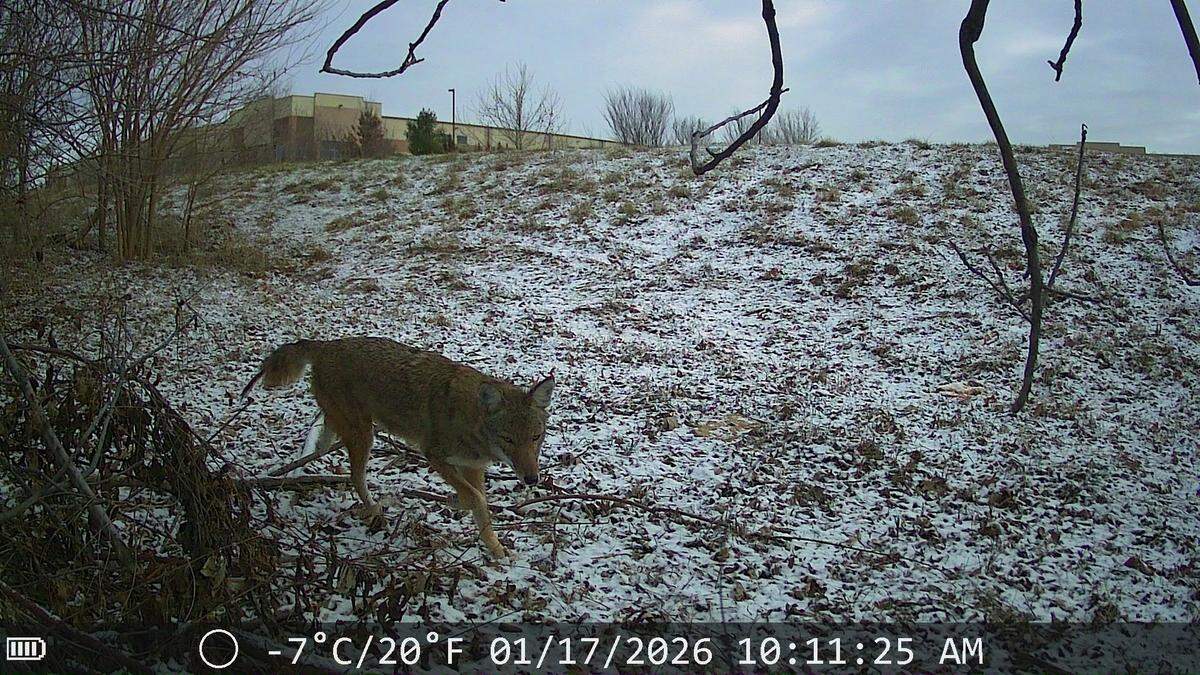
According to the Kansas Department of Wildlife and Parks, daytime sightings of the animals increase at the beginning of the year through March or April, when the species of North American canine hunts for food and searches for a mate.
Coyotes have lived in urban areas of other states for decades, but only recently started living in urban areas of Kansas, the wildlife department says.
Kansas State University’s Wildlife Management Extension said online that coyotes in urban areas are common now, but many families and pet owners express concerns.
What to do if you see a coyote
The Kansas Department of Wildlife and Parks said seeing a coyote is not cause for alarm. But when they are around, basic precautions can prevent problems.
Here is some advice from the wildlife department website:
- Do not feed coyotes.
- Do not leave out water sources.
- Do not leave pets outside unattended. Cats and small dogs may be at risk of attack. Risk is greatest at dawn, dusk and night, when coyotes are most active.
- If you see a coyote, scare it away. Coyotes that recognize people as a threat are less likely to become a problem.
People can find more facts about coyotes and how to be safe around wildlife on the K-State website.