Seeing more coyotes in Johnson County recently? There’s a reason
AI-generated summary reviewed by our newsroom.
- Johnson County residents report rising coyote sightings, peaking January–March.
- Urban expansion and feeding can change coyote behavior.
- Wildlife experts advise against feeding coyotes and to keep small pets supervised.
Coyote sightings have become a normal part of life for many residents of Johnson County. So much so, in fact, that people in Olathe say they expect to see them in their neighborhoods without fail this time of year.
But those encounters now seem to be even more frequent, some Olathe residents told The Star, saying they’re seeing more coyotes this year than they have in years past.
According to the Kansas Department of Wildlife and Parks (KDWP), daytime coyote sightings increase January through late March in Kansas, when the species of North American canine hunts for food and searches for a mate.
Coyotes have lived in larger cities of other states for decades, but only recently started living in urban areas of Kansas, the KDWP says.
Olathe residents say they’ve noticed the uptick in area sightings.
“When we first moved to northeast Olathe, we didn’t really believe our neighbors when they told us there were ‘packs of coyotes’ that ran around the area behind our fence line,” said Gracey Routh, a member of the Olathe Connect Facebook group.
“Within a few months though, we often heard the coyotes ‘calling role’ in the evenings.”
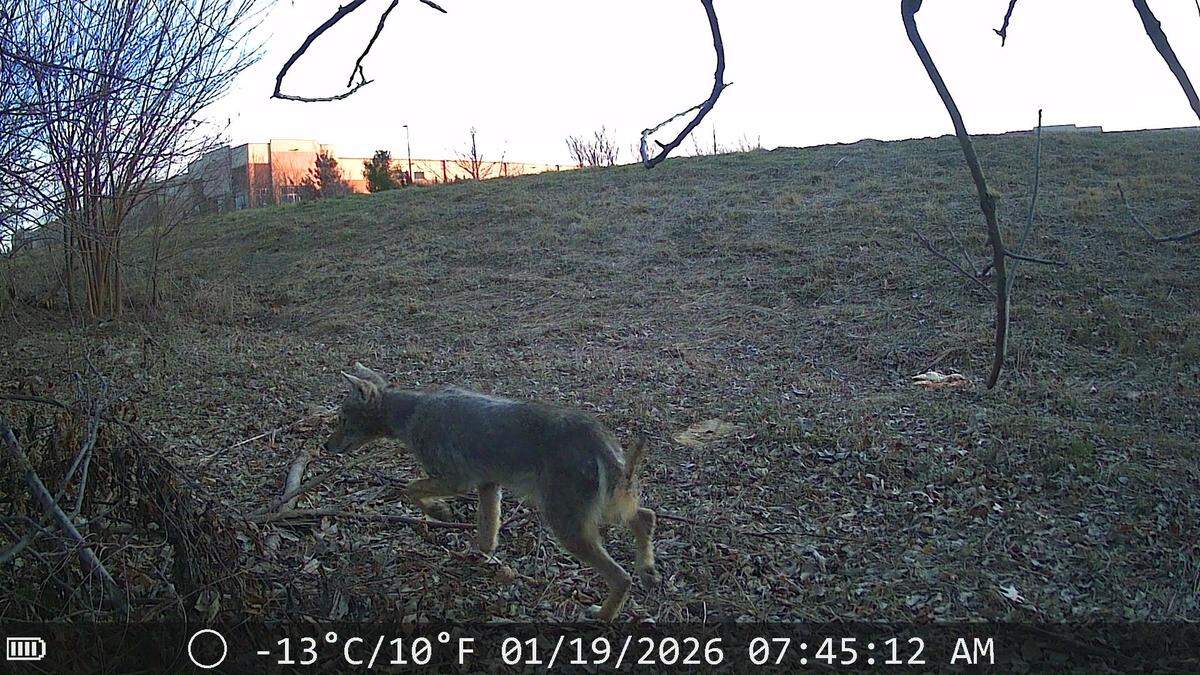
Olathe neighbors share coyote experiences
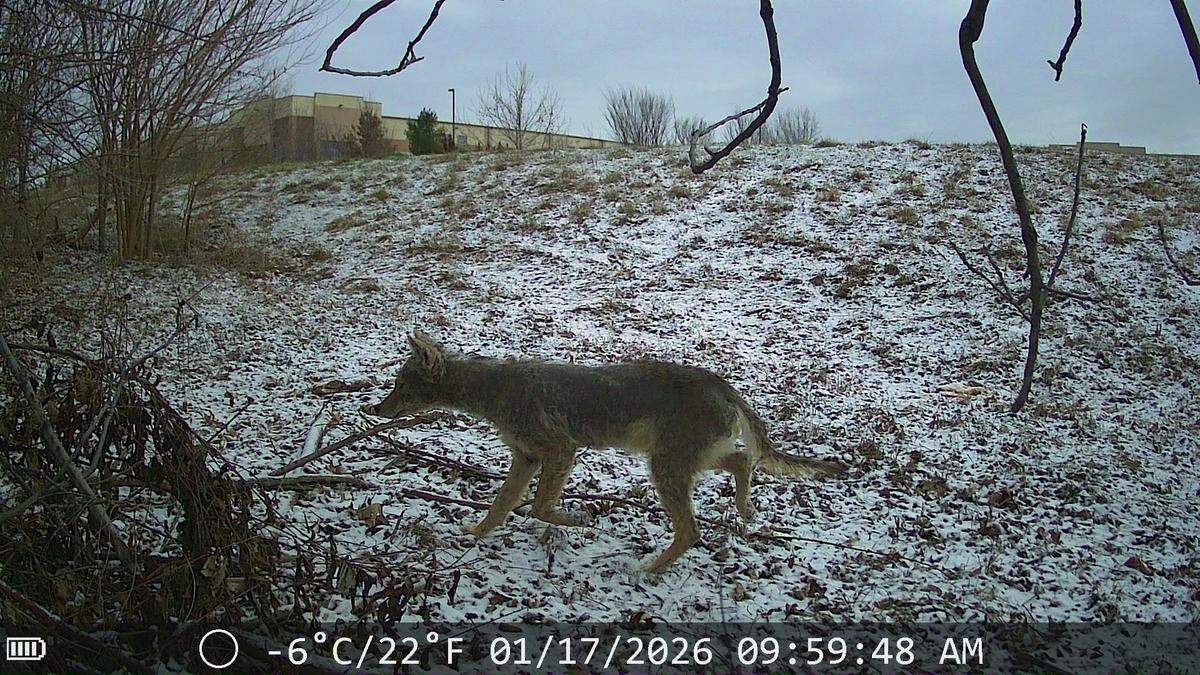
Routh said she recently put up a trail camera just to see what other wildlife is in her area. Since Christmas, the camera showed opossums, raccoons, an owl, bunnies, squirrels, a bobcat and, of course, coyotes.
The camera gets pictures and video of coyotes multiple times a week, Routh said. Before that, her family would see them maybe a couple of times a month.
When she sees them, Routh said coyotes seem to be unbothered, calm, and disinterested in humans. She has big dogs that often alert her family when coyotes are nearby, but she doesn’t feel threatened by them, Routh said.
“As humans, we’re the ones encroaching on their natural habitat, and we need to be cognizant and respectful of that,” Routh suggested. “People are quick to pass judgment on critters they don’t understand, but most are incredibly valuable to our environment and deserve to be respected and appreciated.”
A local real estate agent, Chris Dowell, 60, said while he was showing a home in Olathe, the house next door had a coyote living underneath its deck.
“The couple I was showing was really alarmed,” Dowell said. “But I told them that (coyotes) are really more afraid of you than anything.”
Dowell said he noted an increase in coyote sightings over the last 10 years in Olathe. They used to be more common to see at night, but now it’s more common to see them during the day, he said.
After he saw a couple of coyotes on Indian Creek Trail, Dowell decided to write a Facebook post for public awareness this time of year.
“I just wanted to educate the people about the coyotes,” Dowell said. “If they get aggressive, it’s usually because they’re hungry. And typically, if they come around a lot of people, it’s because people have been feeding them.”
“People should not feed them,” Dowell said.
What to do if you see a coyote
The Kansas Department of Wildlife and Parks said seeing a coyote is not cause for alarm. But when they are around, basic precautions can prevent problems.
Here is some advice from the KDWP website:
- Do not feed coyotes.
- Do not leave out water sources.
- Do not leave pets outside unattended. Cats and small dogs may be at risk of attack. Risk is greatest at dawn, dusk and night, when coyotes are most active.
- If you see a coyote, scare it away. Coyotes that recognize people as a threat are less likely to become a problem.
A resident of south Olathe, Elizabeth Tatham, 58, said living in her area means being acquainted to various kinds of wildlife. She said she takes proper precautions to prevent harm, but also enjoys the opportunity to see them.
When her grandchildren come to visit, they make an event out of seeing all kinds of animals, including coyotes, she said.
“I love to share it with them. I’ll let them have my binoculars, and we’ll see all sorts of really beautiful birds. We’ll see owls perched out by the dam,” Tatham said. “I want them to grow up knowing that it’s all there for us to enjoy, but we have to know what we can touch and what we leave alone.”
This story was originally published January 21, 2026 at 1:21 PM.