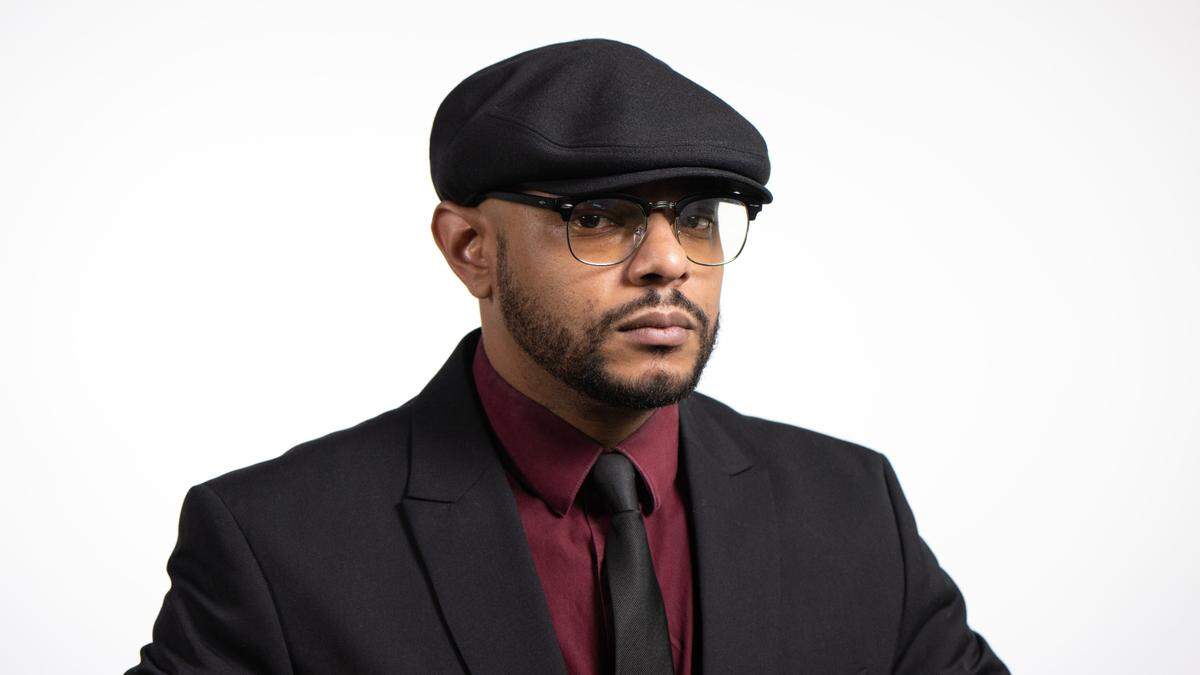
How 3 creators fused different cultures to build a KC-centric clothing brand
For more than a decade, MADE MOBB has built a presence in Kansas City that extends well beyond clothing. What began as a small, locally driven streetwear operation has evolved into a broader cultural platform shaped by its founders’ experiences and sustained by a growing community.
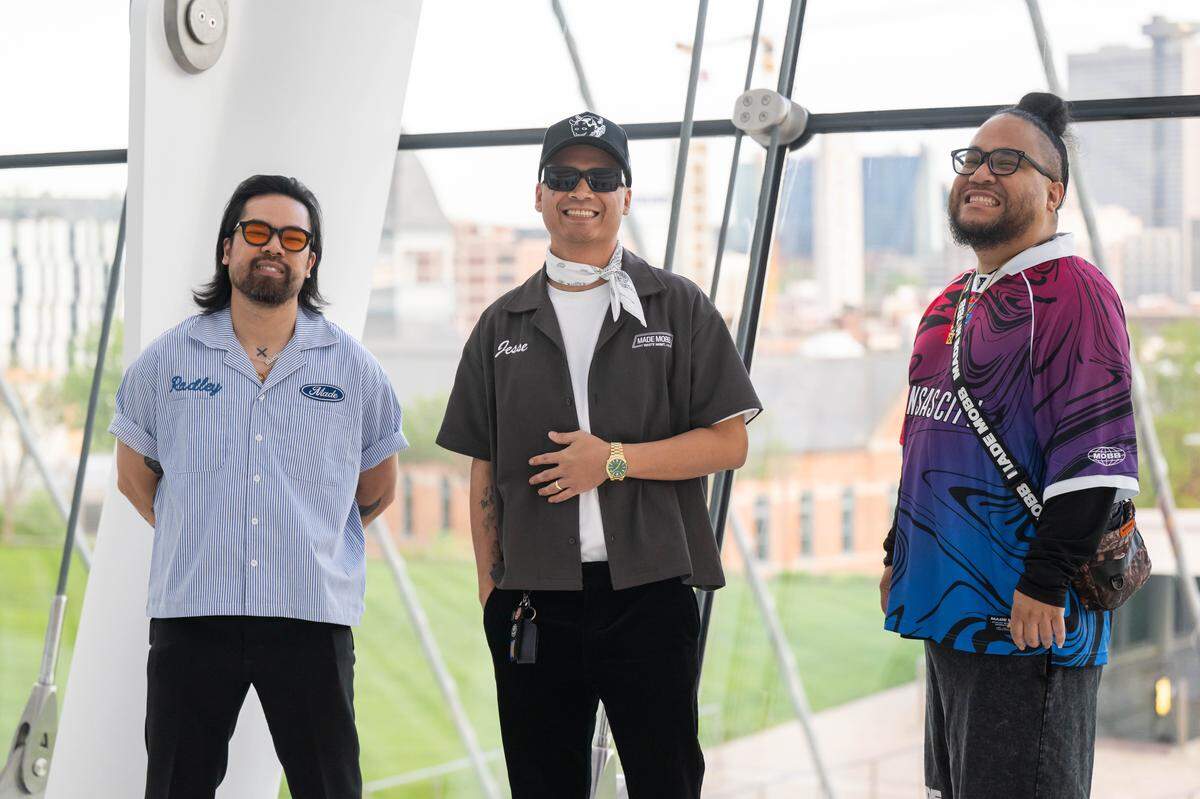
Founded in 2013 by Mark Launiu, Vu Nguyen and Jesse Phouangphet, the brand reflects a convergence of cultural backgrounds. Launiu, born in American Samoa, partnered with Nguyen, who is Vietnamese American, and Phouangphet, who is Lao American. Each brought a perspective rooted in family history, immigration and identity. Those differences became the foundation of a shared approach centered on collaboration and collective growth.
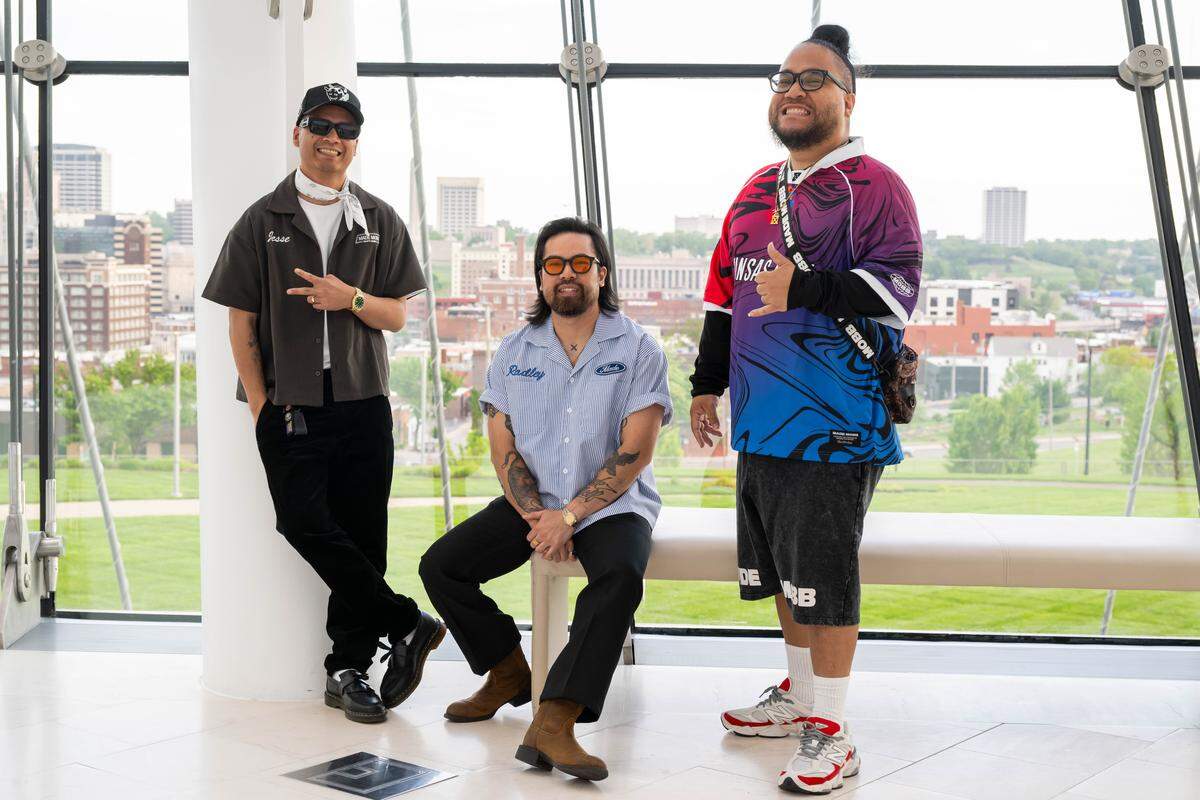
Over the years, MADE MOBB has grown into one of the most recognizable independent fashion brands in Kansas City. What began as a side hustle at events has turned into a storefront in the Crossroads Arts District with a loyal customer base and growing distribution across the Midwest.
From the start, the group was not trying to position the brand as a statement about representation. Their focus was on building something of their own in a space in the clothing world where they had not seen people who looked like them leading. Clothing became the entry point, not the final goal.
“We all come from immigrant backgrounds, and a big part of that is just working hard,” said Phouangphet. “What resonated with me was building something bigger than yourself. We all came together with that idea, and clothing just became the vehicle.”
The brand’s origins trace back to a series of conversations that turned into a routine. Nguyen and Launiu met while working at a Sprint retail store in Kansas City, each navigating a transition in their careers. Nguyen had recently finished his degree, while Launiu was exploring entrepreneurial ideas. Phouangphet joined through mutual connections, bringing a similar mindset shaped by first-generation experience.
Before the brand had a name or product, the connection between its founders was rooted in shared experience. Each came from a household shaped by immigration, where stability was not guaranteed and progress often depended on adaptability. While their cultural backgrounds differed, the underlying realities were familiar: navigating expectations at home while learning to move within a broader American environment that did not always reflect who they were.
Blending culture and background
The foundation of MADE MOBB is tied closely to the personal histories of its founders, each shaped by early experiences that continue to influence how they approach work and community.
Mark Launiu’s perspective traces back to his childhood in American Samoa, where he grew up in a village of roughly 200 people. Resources were limited, but daily life operated through shared responsibility. If someone hunted or fished, the expectation was that they would bring food back for others.
That sense of collective care was disrupted early. Launiu lost his mother at age 5 and his father a few years later, before moving to Kansas City at 10 to live with family. The transition forced him to adapt quickly, navigating a new country while learning English and adjusting to unfamiliar systems. That experience of loss, relocation and rebuilding shaped the way he thinks about support networks and why he prioritizes creating spaces where people feel seen.
Vu Nguyen’s upbringing reflects a different version of that same immigrant framework.
Born in the United States to parents who came from Vietnam after the war, he grew up balancing two cultural environments at once. At home, traditional values and expectations were constant, while outside he was trying to find his place within American culture.
That dual perspective sharpened his awareness of identity and access. It also informed his path into creativity. Nguyen initially worked through uncertainty about his future before reconnecting with art during college, eventually completing a degree that would lead him into the design side of the brand. A visit to Vietnam later in life reinforced the opportunities available to him in the United States, strengthening his commitment to building something with long-term impact.
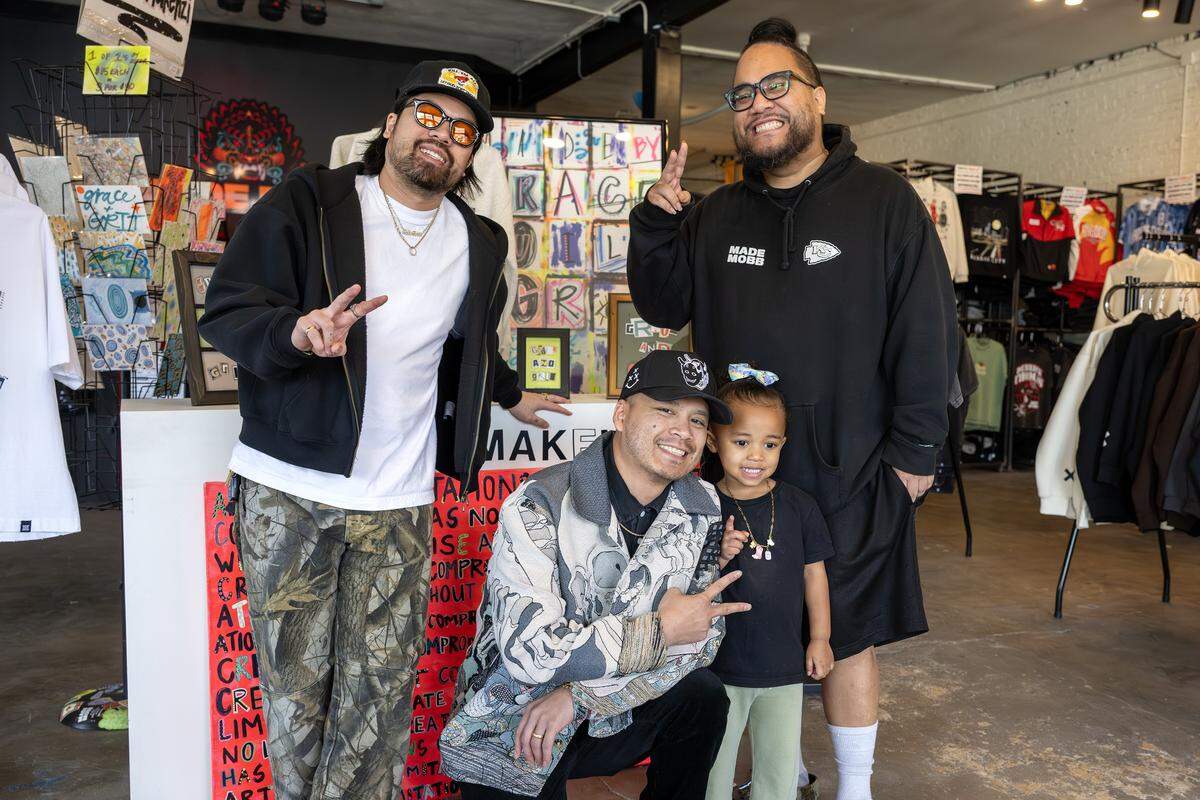
For Jessie Phouangphet, the influence came through watching his parents navigate life as refugees from Laos.
Raised in Kansas City as a first-generation American, he grew up in a household where stability depended on constant work. His parents held multiple jobs, creating a model of persistence that shaped his approach to business.
That environment also introduced him to the idea that success often requires creating your own opportunities rather than waiting for access. While studying marketing and business in college, Phouangphet began exploring ways to apply those skills in real time, eventually channeling that mindset into building MADE MOBB alongside Launiu and Nguyen.
“I’m a first-generation kid, so I grew up watching my parents work multiple jobs just to make ends meet,” Phouangphet said. “That kind of environment teaches you early that nothing is given to you. You have to figure things out and make something happen.”
Together, those individual experiences created a shared understanding of effort, adaptability and community.
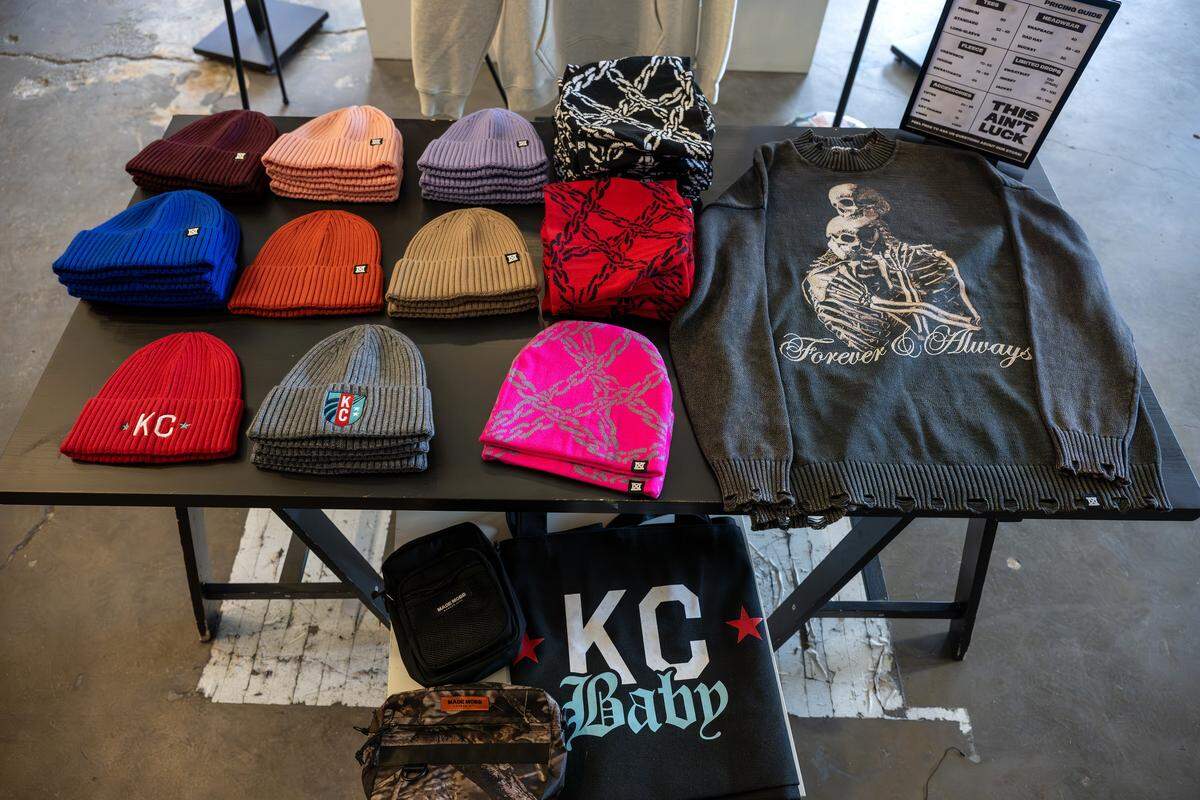
Building up MADE MOBB
That overlap created a common understanding early on. They were not approaching business from a place of access or inherited knowledge. Instead, they were building from observation, watching how their families worked, how resources were stretched and how opportunities were created when they did not already exist. That perspective informed how they approached risk, ownership and long-term growth.
It also shaped how they viewed Kansas City. Rather than seeing the city as a limitation, with it not being known for a built-in fashion base, they treated it as a place where something new could be defined. The absence of a strong streetwear presence and limited representation within creative industries became an opening rather than a barrier. Their goal was not just to participate in existing spaces, but to create one that reflected their experiences and the people around them.
For Nguyen, that meant building something rooted in both identity and environment, rather than trying to replicate what existed elsewhere.
“We didn’t have a blueprint for what this was supposed to look like here,” Nguyen said. “So we had to create it ourselves in a way that made sense for us and for the city we grew up in.”
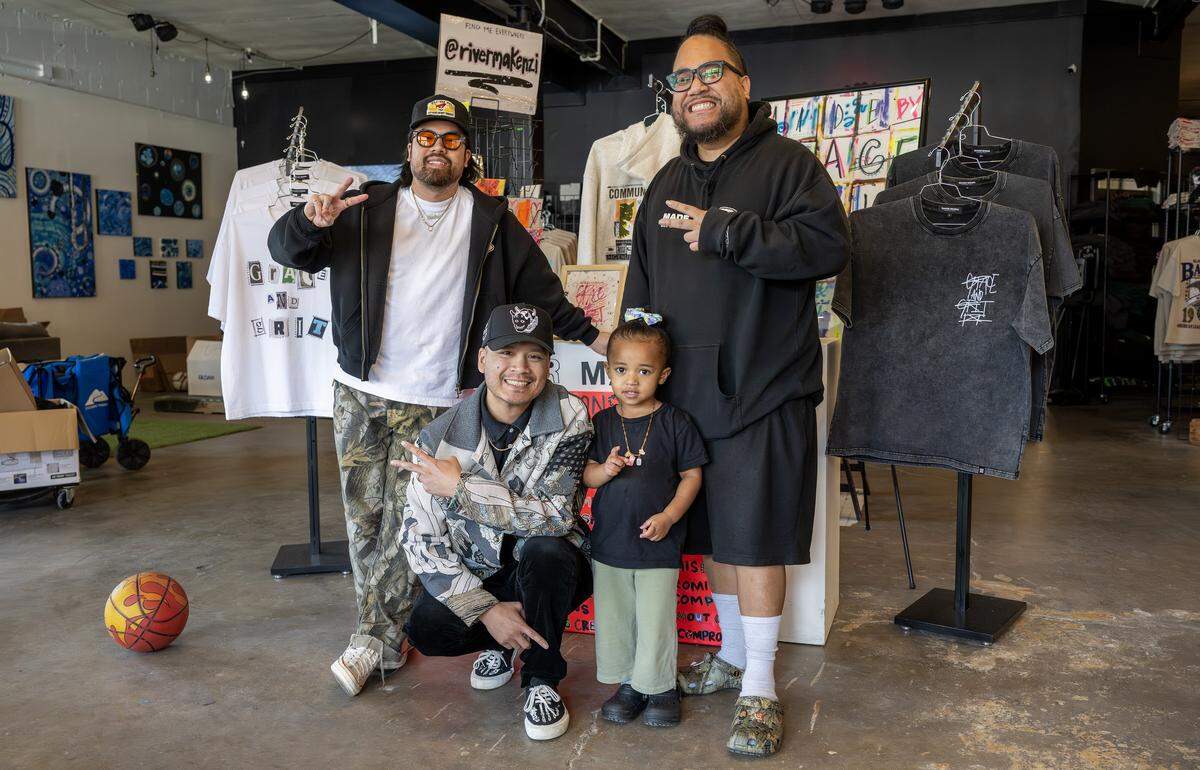
Over time, that approach led them to build a brand that centered the city in both identity and practice. Kansas City was not used as a backdrop or branding tool. It became the foundation for how the business operated, from the people they collaborated with to the spaces they created for others to enter.
“So it started with just talking and throwing ideas around,” Nguyen said. “Then we started meeting every week, writing things down, sketching it out, turning it into designs. A lot of people have ideas, but when it comes time to actually do the work, that’s where it stops. For us, we kept each other accountable and just kept building.”
The early years were defined by limitations and persistence. Before opening a storefront, the founders spent years selling at pop-ups and events, at times operating out of a truck while balancing full-time jobs. They traveled to cities like Atlanta, Dallas and Chicago to build visibility, often funding production out of their own pockets.
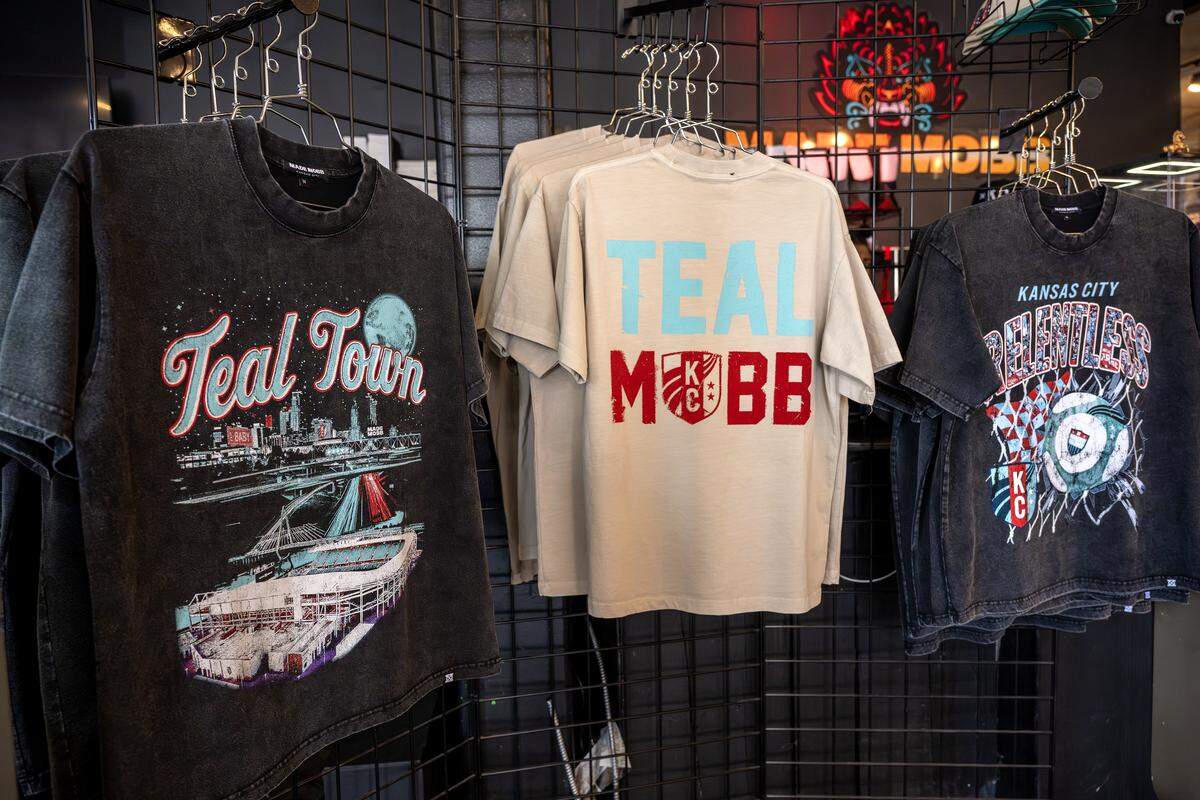
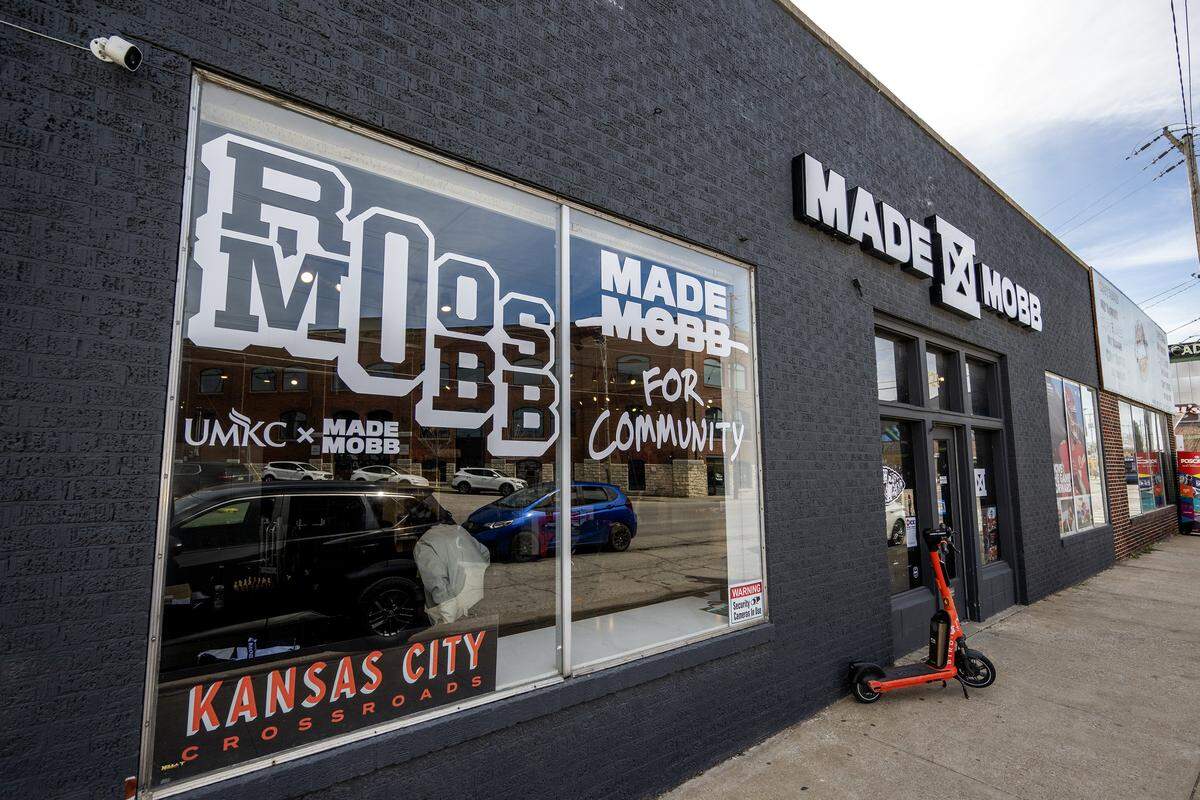
That grind eventually led to a physical presence, first on Grand Boulevard and later in the Crossroads Arts District. The storefront marked a turning point, giving the brand a consistent space to grow both its retail operation and its community presence.
Those early constraints also shaped the brand’s identity. Limited resources meant fewer colors and simpler production, resulting in a clean, direct visual style that became part of the brand’s foundation as it expanded.
At the same time, the founders were defining what a streetwear brand could look like in Kansas City. Unlike coastal markets, the Midwest lacked a clear streetwear identity. That absence created space to build something rooted in their own environment.
“We grew up on streetwear, but there wasn’t much of it here,” Nguyen said. “The East Coast has a style, the West Coast has a style, but the Midwest didn’t really have one. So the idea was, what does Midwest streetwear look like if we create it ourselves?”
Kansas City became central to that answer. The brand built collections around local identity while expanding its perspective to reflect a broader Midwest lifestyle, a shift that later supported growth beyond the city.
Overcoming challenges
That growth was not linear. When the COVID-19 pandemic hit in 2020, the brand’s momentum stalled. The storefront closed, foot traffic disappeared and retail relationships faded. Operations shifted from a community space to a fulfillment center.
“We were closed for eight months,” Launiu said. “People couldn’t come in. It felt abandoned. Every day we came in and shipped stuff.”
Staff were reduced, and the founders stopped paying themselves to keep the business operating. The period forced a reset but strengthened the systems that would support the next phase.
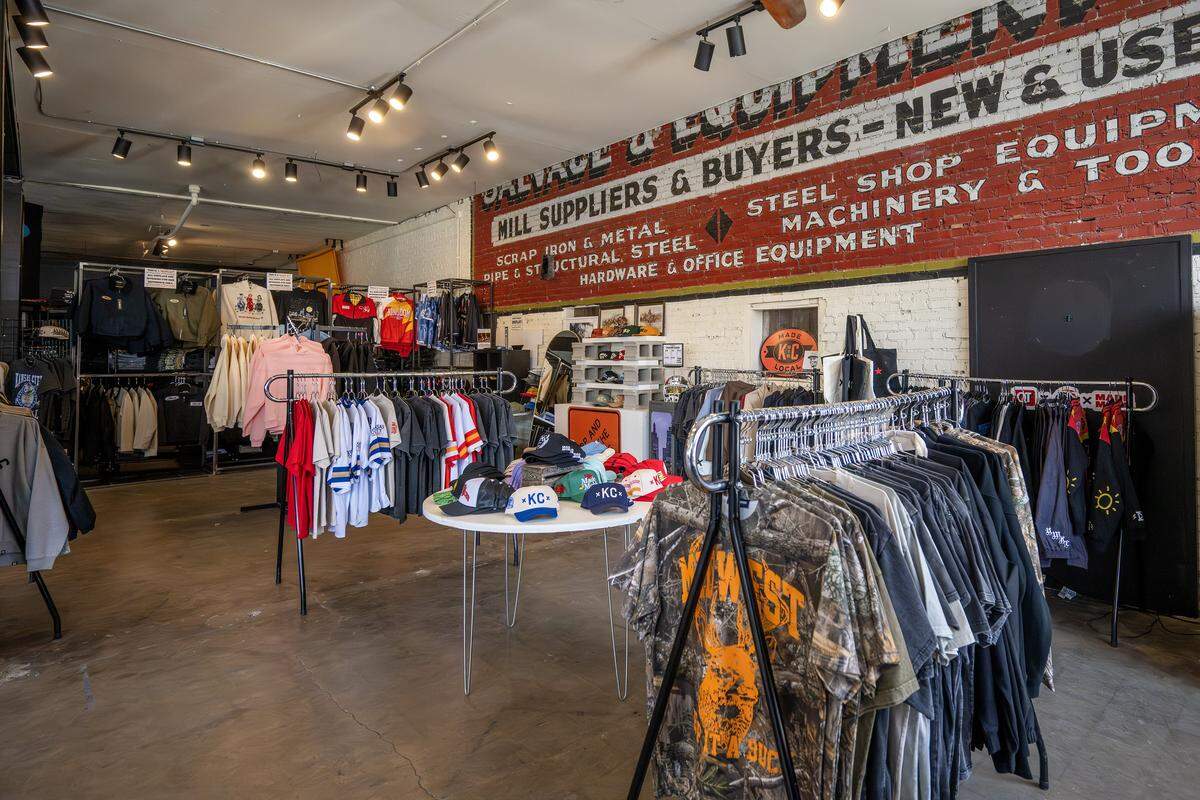
Today, the brand’ has a distribution deal with Scheels with apparel appearing in 24 locations across 16 states, extending its reach across the Midwest.
The expansion required adjustments in both production. While rooted in Kansas City identity, newer collections began incorporating elements that reflect a broader Midwest lifestyle, including workwear and outdoor influences.
“The Midwest to me is the rodeo, farms, cowboys, fishing, hunting,” Launiu said. “We had to think about how that fits into what we do.”
Creating community spaces
Despite that expansion, Kansas City remains central to the brand’s identity. Local support continues to drive its direction, allowing the brand to grow without losing its foundation.
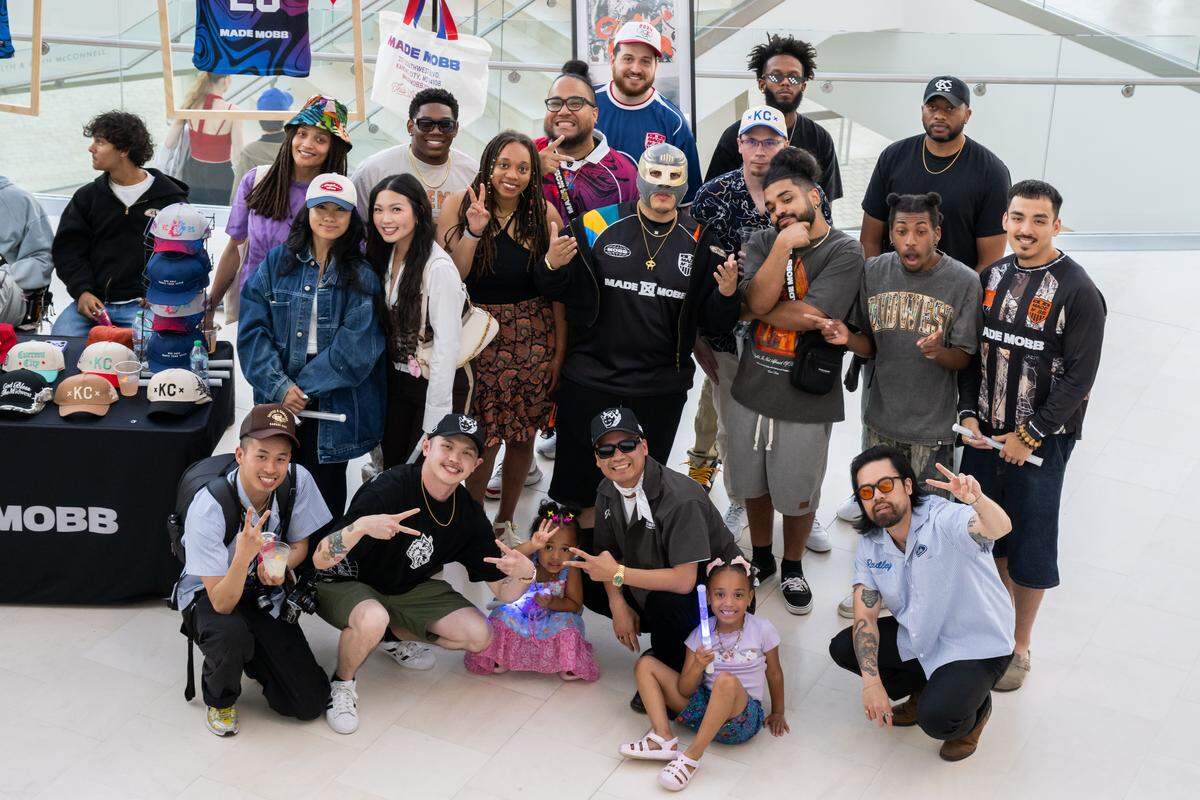
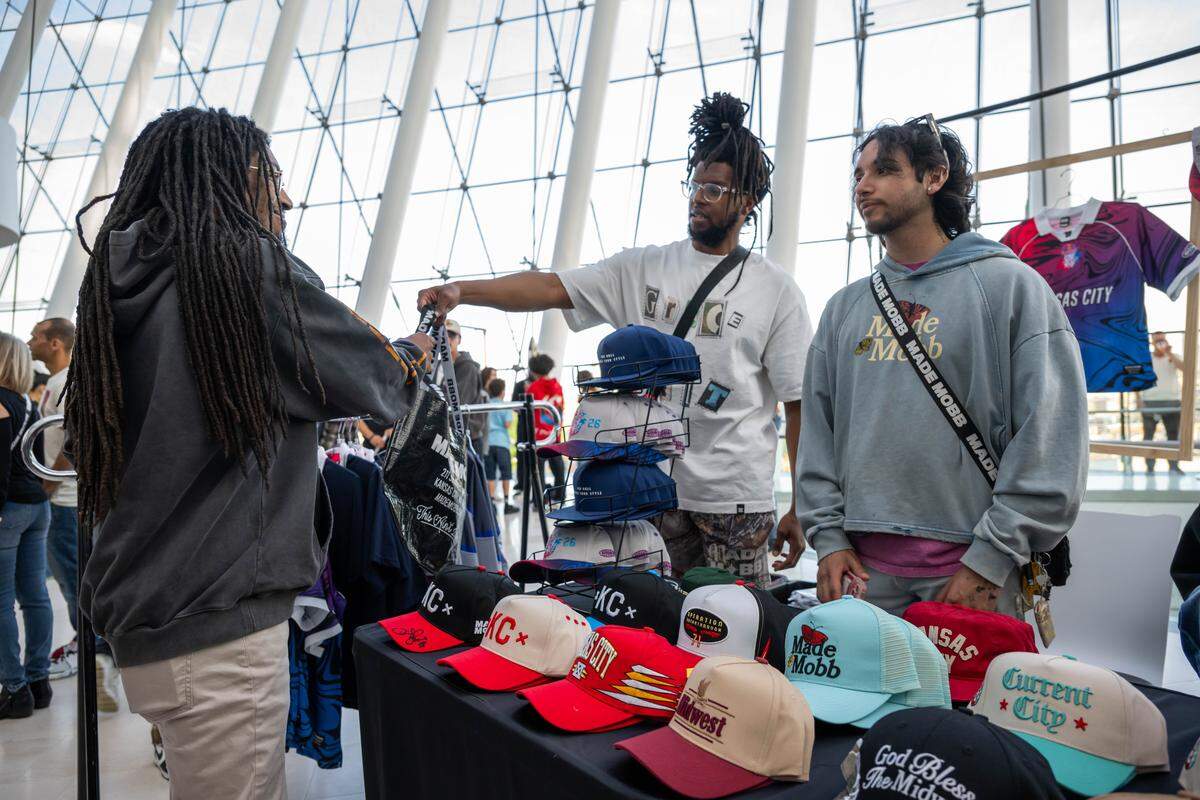
As the product evolved, so did the function of the brand. The Crossroads storefront developed into a creative hub where artists, musicians and entrepreneurs connect. Events, collaborations and open-access opportunities turned the space into a consistent gathering point.
“I think it happened by accident,” Phouangphet said. “We move like a family, and that naturally brought people in. Once we realized the impact we were having, we started to build around it.”
That impact is most visible through recurring events like First Fridays, where local vendors and creatives showcase their work. These events provide exposure for emerging entrepreneurs while reinforcing the brand’s role as a platform.
The approach reflects the values that shaped the founders’ upbringing. For Launiu, those values trace back to his childhood in American Samoa, where community operated as a shared responsibility.
“If I go fishing, I have to bring fish for everybody,” Launiu said. “That’s how I was raised. So when I came here, I just took that same approach. How do we make sure everybody around us can grow too?”
That mindset carries into partnerships and larger cultural events. Collaborations with organizations such as Red Bull have positioned MADE MOBB within national creative networks while maintaining a local focus.
As the brand has expanded, it has also entered the city’s formal fashion spaces. A recent collaboration with Kansas City Fashion Week placed MADE MOBB on a runway typically associated with more traditional designs reflecting its growing visibility.
The opportunity came through relationships rather than a direct push into that space. Organizers invited the brand based on its community presence, creating a segment that reflected both its identity and the city itself.
“It’s kind of cool,” Launiu said. “We already had a relationship with the people putting it together, and they liked what we were doing in the community. They wanted to highlight that and put us on the runway.”
At the same time, the founders have continued developing their own runway show in July, now entering its next edition this summer. The independently produced event blends streetwear with more elevated presentation while creating opportunities for emerging creatives.
“We’ve been doing our own show for over a decade,” Launiu said. “It’s really a platform to highlight people who look like us and people who might not get that opportunity.”
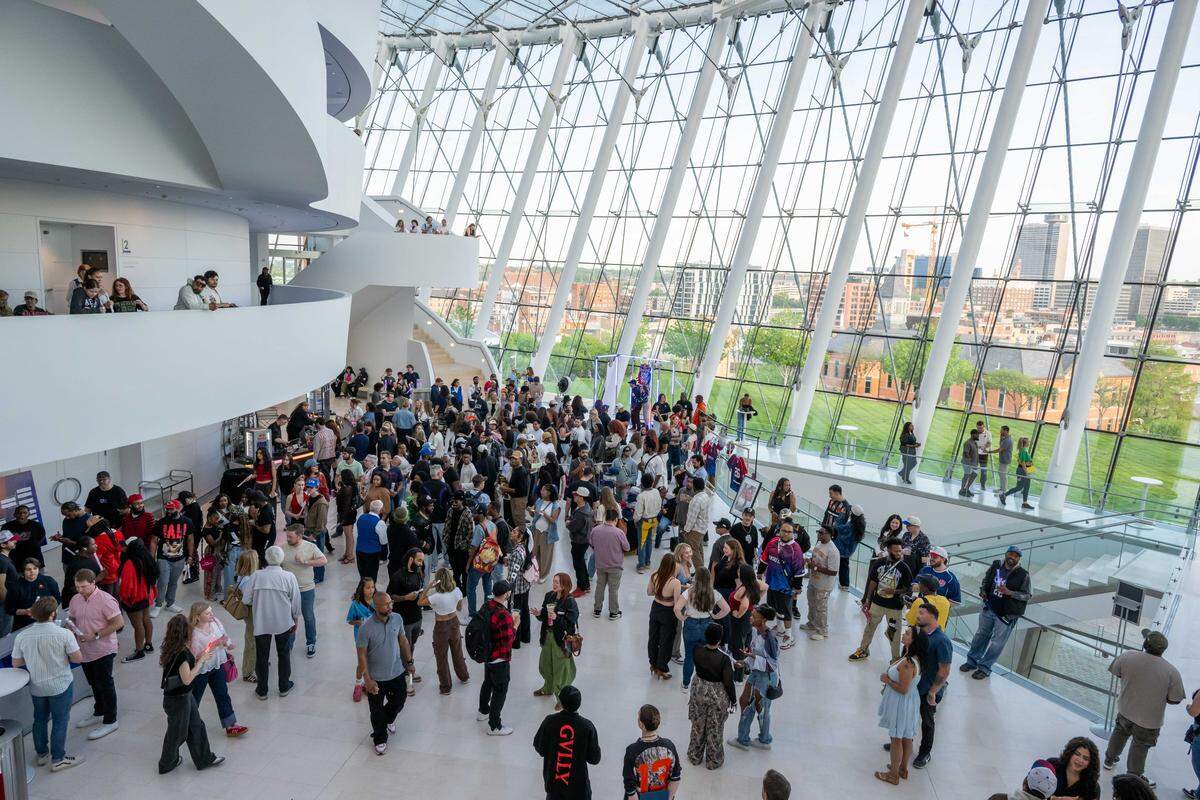
That same approach carries into the brand’s work with Red Bull, now in its second year. The collaboration has expanded into a multi-day dance competition bringing together performers, artists and audiences from across the Midwest.
The event includes a pre-qualifier, workshops and a final competition, positioning Kansas City as one of a select group of cities hosting regional qualifiers at the Kauffman Center for the Arts.
“Last year we blocked off the street and had over 2,000 people come through,” Launiu said. “Kansas City was one of the cities chosen to host, and that was big for us.”
The expanded format at the competition allows for deeper engagement across multiple creative disciplines, including dance, photography and video.
“It’s about giving people a platform,” Launiu said. “The clothes are part of it, but it’s really about impact. Can you help people around you grow?”
Looking ahead, the brand is positioning itself for increased visibility tied to Kansas City’s role as a host city for the 2026 FIFA World Cup. Planned releases include jerseys inspired by international team colorways, reinterpreted through a Kansas City lens.
“It’s souvenir style,” Launiu said. “People can take a piece of Kansas City home.”
For Nguyen, that expansion reflects the evolution of the brand’s creative direction. What began with limited production has developed into a space for broader experimentation in and concept.
“Every collection, I want it to be better than the last,” Nguyen said. “You drop something, learn from it, and the next one gets better.”
That progression has been mirrored by the audience. Supporters who encountered MADE MOBB early have continued to engage as it has grown, creating a sense of shared development.
“I think people have been able to watch us grow,” Phouangphet said. “They’ve seen everything behind the scenes. That creates a real connection.”
This story was originally published May 4, 2026 at 5:40 AM.