Apparel brand spreads across Midwest. But it’s still ‘a taste of Kansas City’
For more than a decade, MADE MOBB has established itself as one of Kansas City’s most recognizable fashion brands. Now, the local label is seeing a steady rhythm of orders move out the door through a new distribution deal with Scheels.
The moment did not arrive with much warning.
The founders had long been working toward a breakthrough into national markets. That opportunity has now taken shape, with MADE MOBB apparel in the sporting good stores set to appear in 24 locations across 16 states.
“It felt surreal,” said co-owner Mark Launiu. “Out of nowhere, all these orders came through. We were like, this is crazy.”
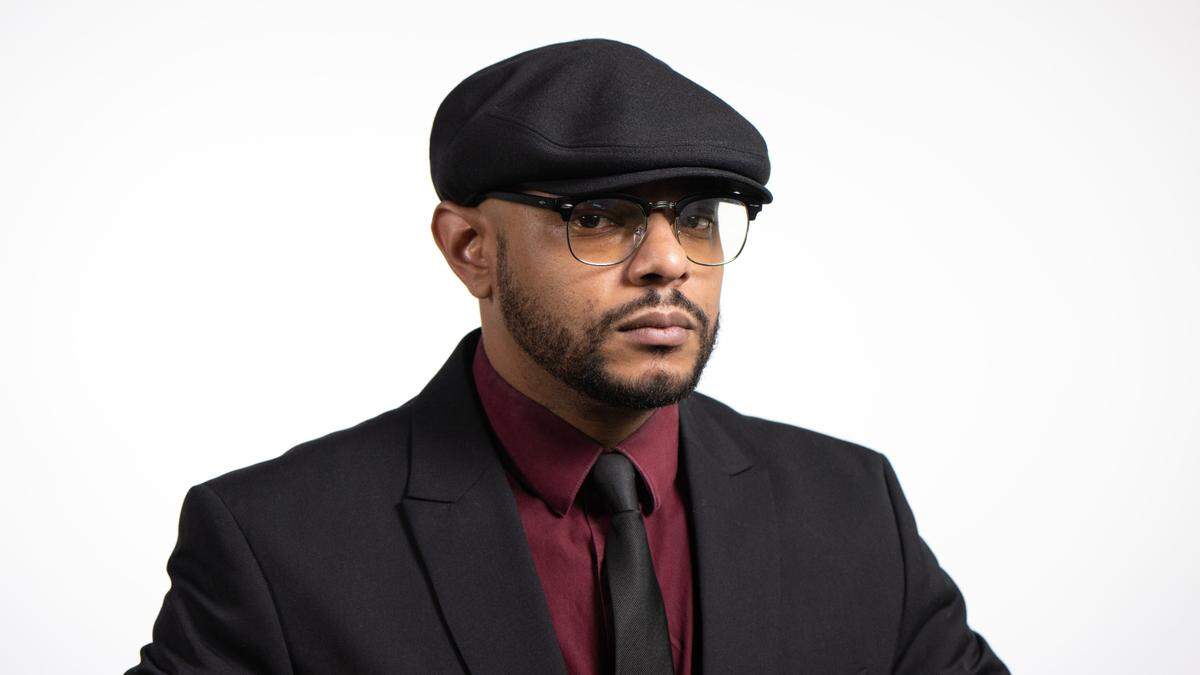
The streetwear brand was established by Launiu along with Vu Radley and Jesse Phouangphet in 2013. Together they blend their various cultural backgrounds to create designs that honor their love of hip-hop street wear and passion for the metro.
For a brand built in Kansas City, the expansion into Scheels stores across the Midwest marks more than growth in scale. It signals a shift in reach, placing MADE MOBB in markets far beyond its home base.
“South Dakota, North Dakota, Wisconsin,” Launiu said. “Places I never even thought of. Like, what are we doing up here?”
The path to that moment, however, was slow and uncertain.
When the pandemic hit in 2020, the brand’s momentum stalled. Retail connections faded as foot traffic disappeared, cutting off communication with buyers.
Inside the storefront at 221 Southwest Blvd., the change was immediate. The space that once centered community became a warehouse. Staff were let go. Even the owners stopped paying themselves. Still, they showed up.
“We were closed for eight months,” Launiu said. “People couldn’t come in. It felt abandoned. Every day we came in and shipped stuff.”
When stores reopened, Launiu focused on rebuilding. Over the next several years, he repeatedly visited Scheels’ Overland Park location, reconnecting with new buyers.
During that time, MADE MOBB also deepened its presence locally, leaning into community-driven events like First Fridays, which have become a consistent draw in the Crossroads District.
The return was gradual. One Scheels store became three. Wichita. Iowa City. Then came the test.
Launiu said Scheels wanted to see if the brand could deliver consistently at a larger scale.
MADE MOBB met the moment, hitting deadlines, maintaining communication and restocking regularly. Months later, Scheels expanded the partnership.
“They said, ‘We want to grow y’all into different markets,” said Launiu.
Expansion required more than production. It required a shift in design.
Known for its Kansas City-centered identity, MADE MOBB began translating its aesthetic for a broader Midwest audience.
“The Midwest to me is the rodeo, farms, cowboys,” Launiu said. “Fishing, hunting. That whole lifestyle.”
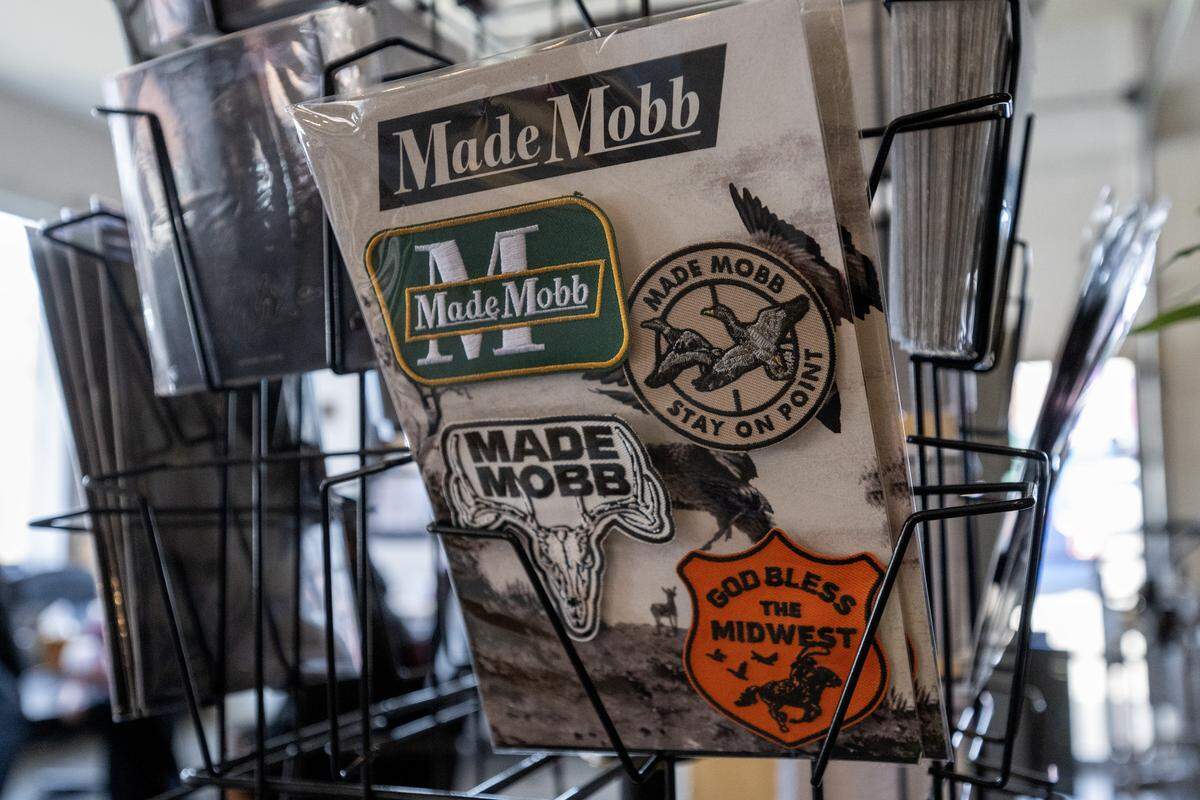
Those influences shaped new collections. Camo patterns, outdoor textures and regional references allowed the brand to align with Scheels’ environment while maintaining its streetwear identity.
“When we got into Scheels, they said they were having trouble finding the right camo,” he said. “We were already thinking about getting into that lane.”
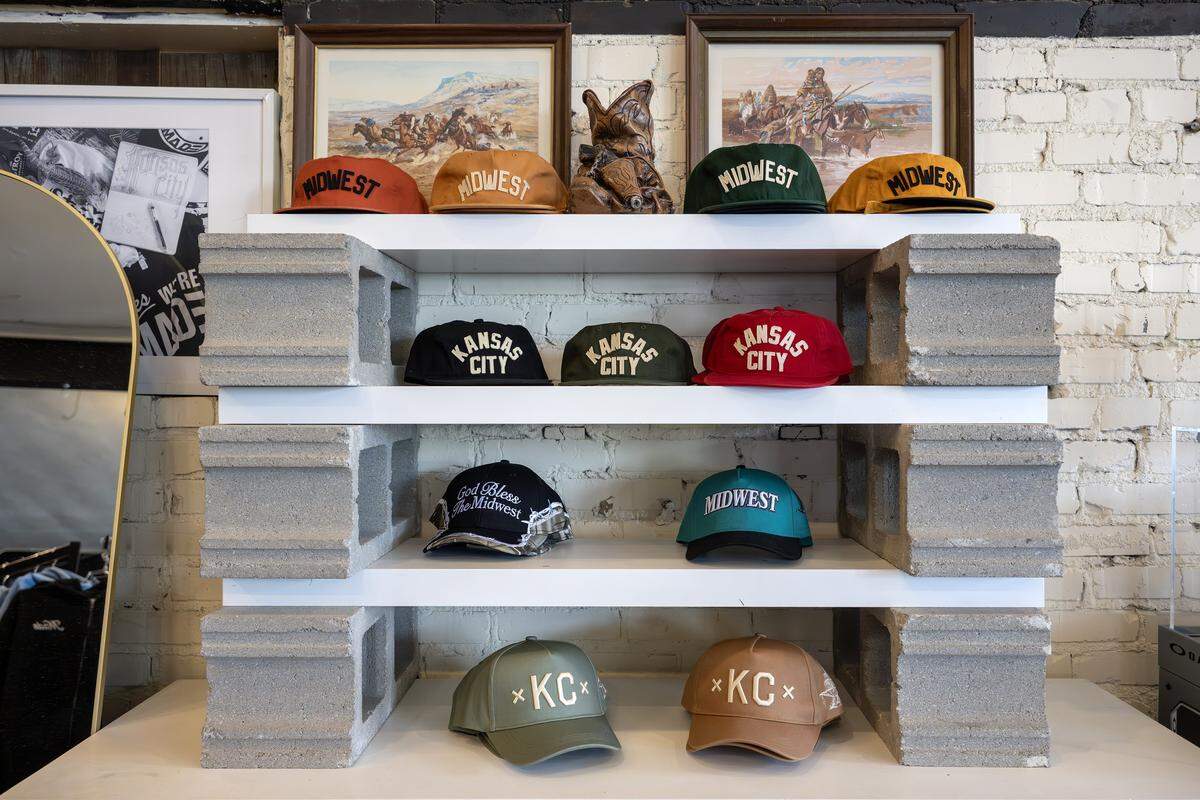
The shift was deliberate. The team spent six months developing custom patterns, refining cuts and building garments from scratch.
For designer Anthony Arellano, that evolution is reflected in how the clothing is experienced.
“Clothing is something you have to see and feel in person,” he said. “We try to capture a feeling and emotion in everything we do.”
Arellano joined the brand after interning and working his way into a full-time role, learning production before moving into design. Today, his work spans everything from T-shirts to outerwear.
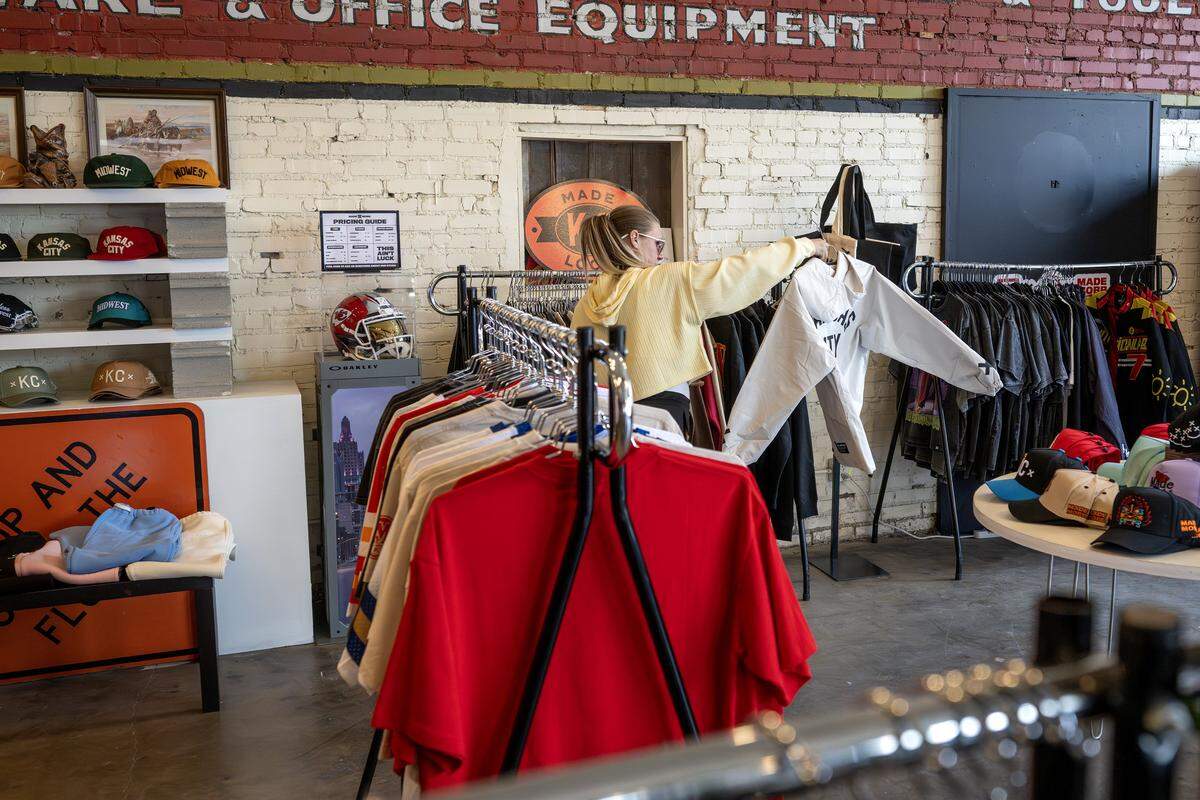
He describes MADE MOBB’s appeal in simple terms.
“It’s that feeling of home,” he said. “Kansas City is a place where people support each other.”
That sense of place remains central, even as the brand expands.
“If you go out of town and see somebody wearing Kansas City, more than likely it’s MADE MOBB,” Arellano said. “There’s that feeling of home, safety and community.”
For Arellano, the growth carries personal weight.
“I grew up walking distance from here,” he said. “To see the brand reach new levels is amazing.”
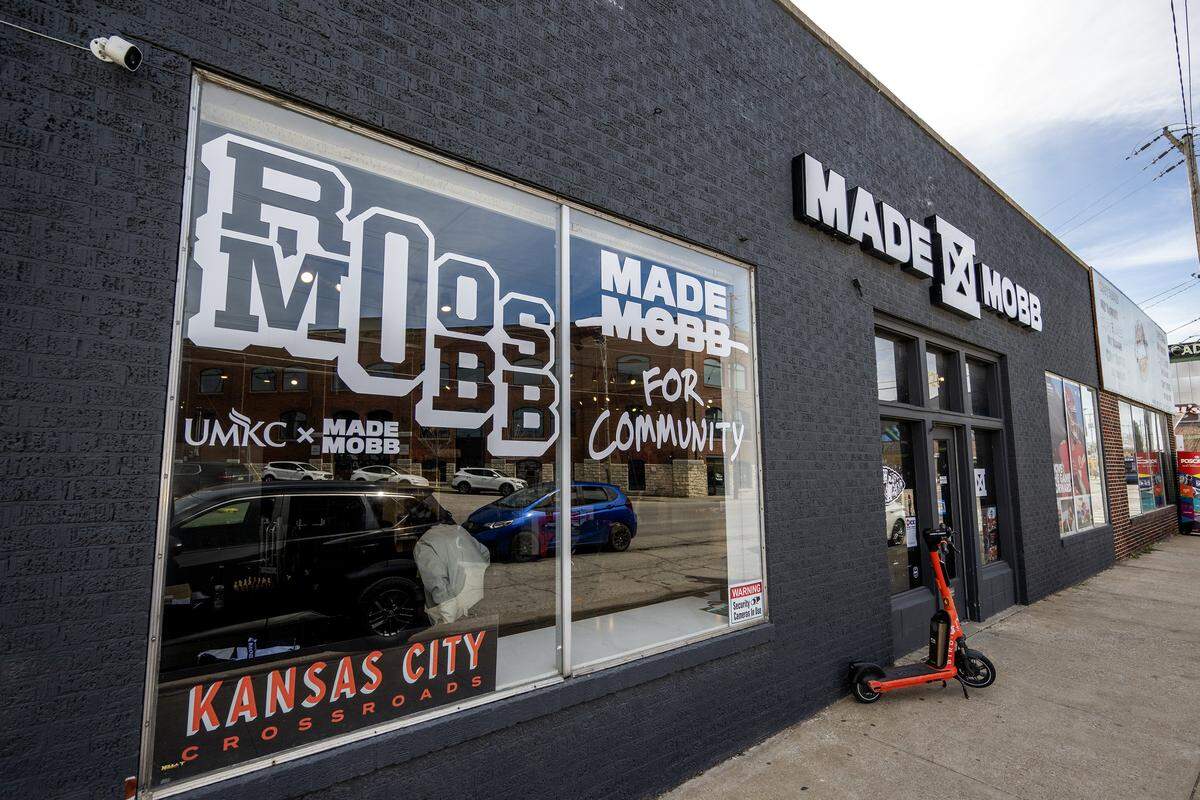
What once existed as a neighborhood presence now reaches across the country.
“It’s awesome to see our product anywhere,” he said.
Still, the mindset remains steady.
“It’s a notch in the belt, but there’s still more work to do.”
For Launiu, expansion is less about arrival and more about leverage. Past collaborations, including one with the Kansas City Chiefs, helped open doors. The Scheels deal now extends that reach.
“It helps us reach different demographics,” he said. “How do we become a household name in other cities?”
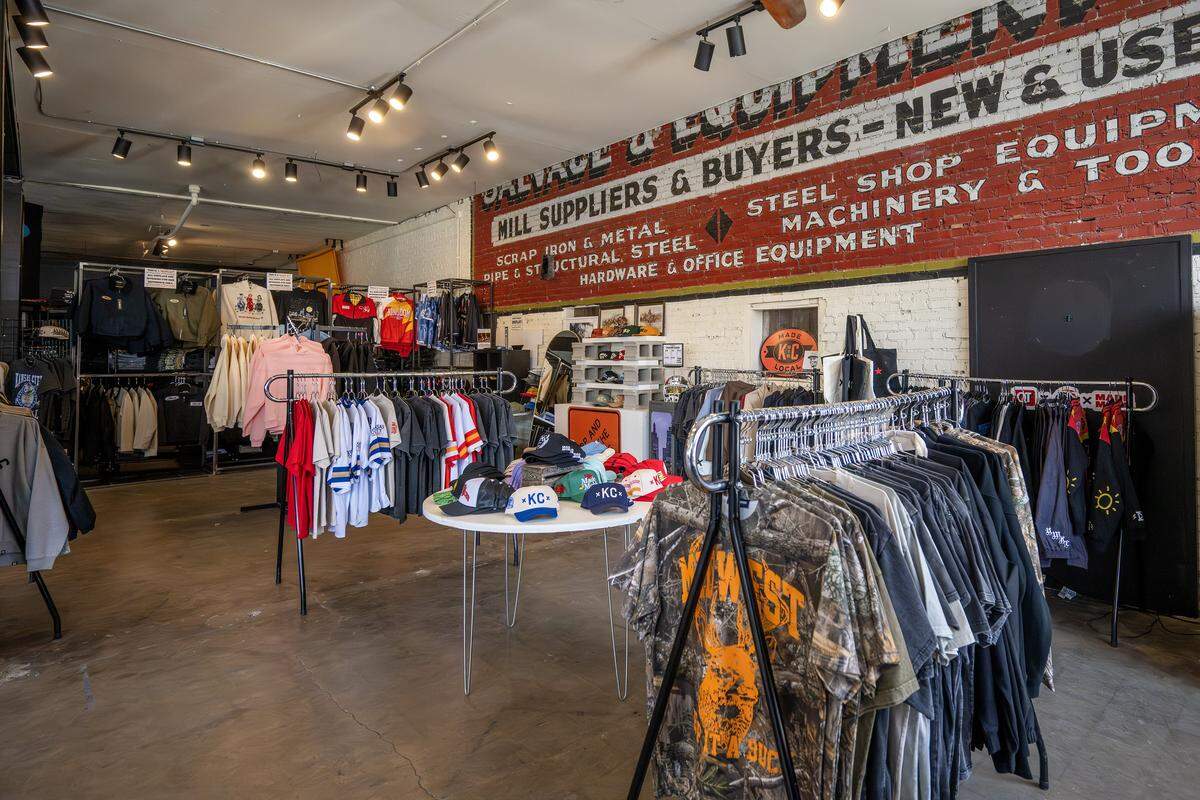
Even as the brand grows, its foundation remains in Kansas City.
“There is no MADE MOBB without Kansas City,” Launiu said.
The city’s culture of local pride has fueled the brand’s rise, and that support continues to shape its identity and direction.
“You don’t see that in many places,” he said. “A city that supports its own like that.”
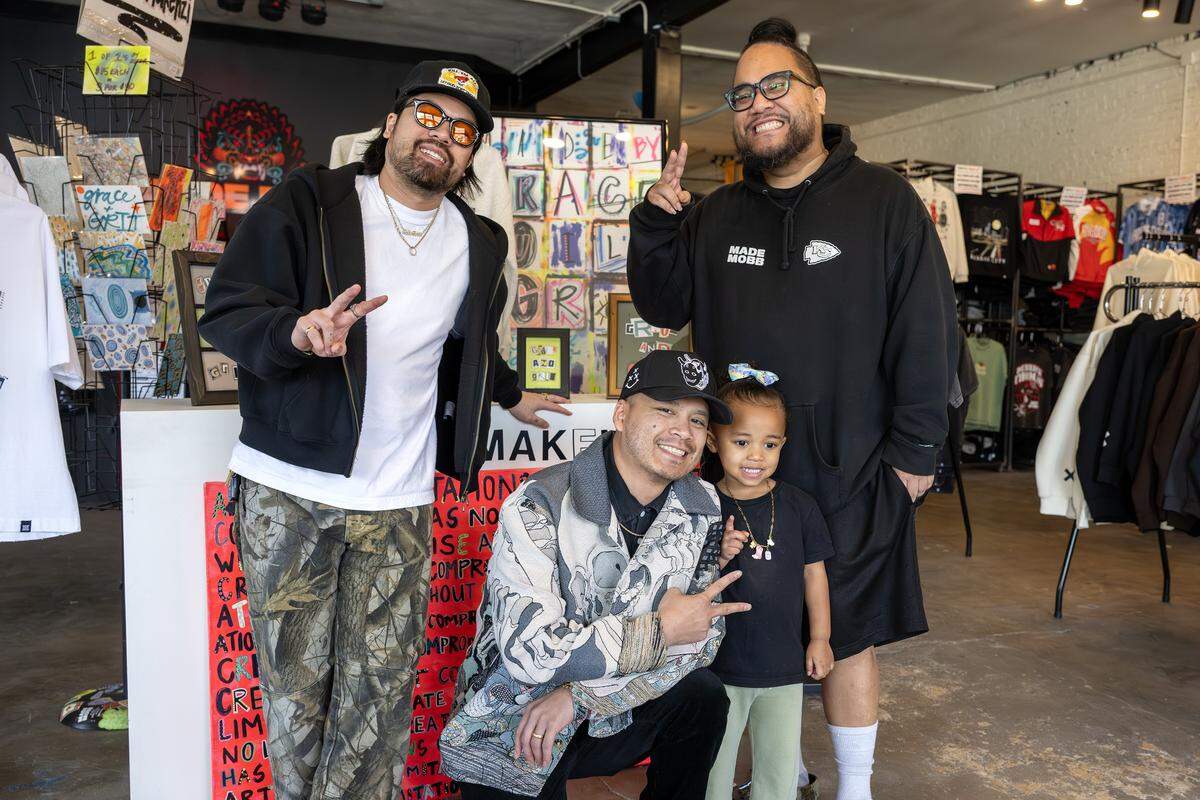
Inside the store, that connection is tangible. Music, art and community interactions create an environment that extends beyond retail.
“When people come in, they get a taste of Kansas City,” Launiu said.
That approach extends beyond clothing. Through workshops, collaborations and open access, MADE MOBB continues to invest in other creatives.
“To change the world, you’ve got to start in your own backyard,” he said.
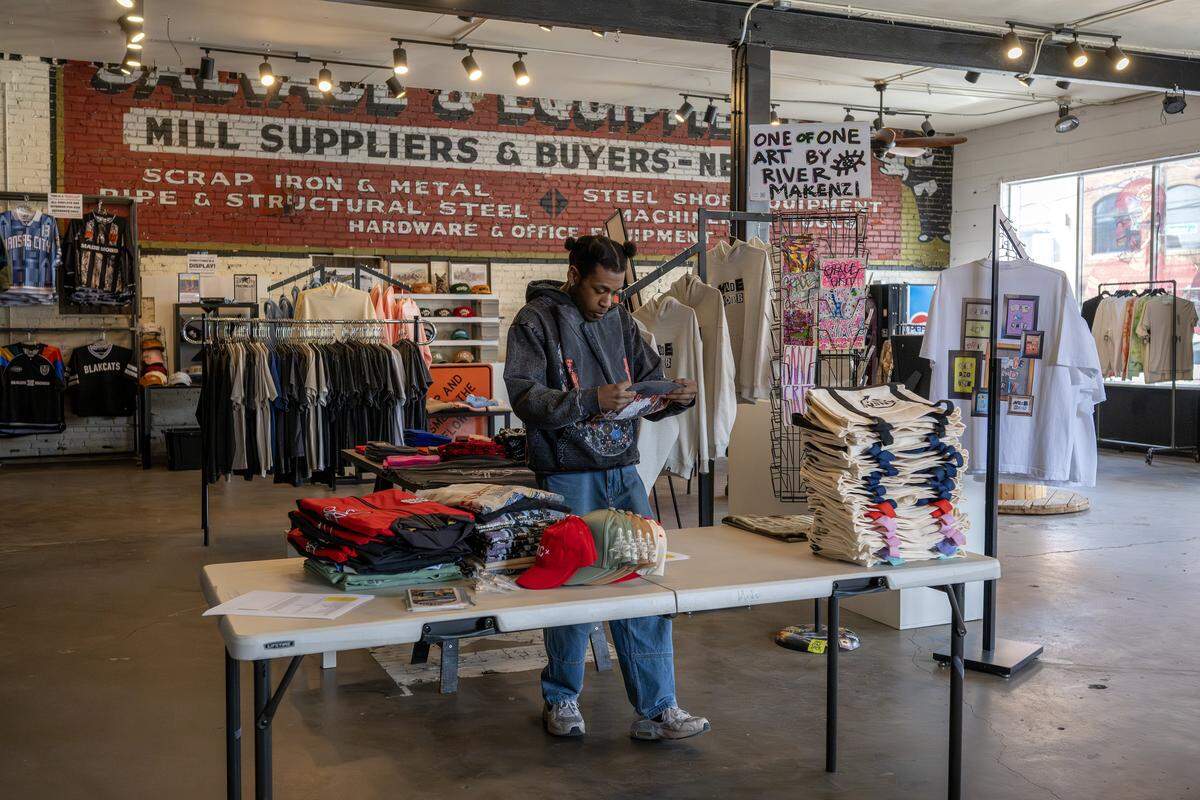
With Kansas City preparing to host World Cup matches, the brand is positioning itself for another moment of visibility.
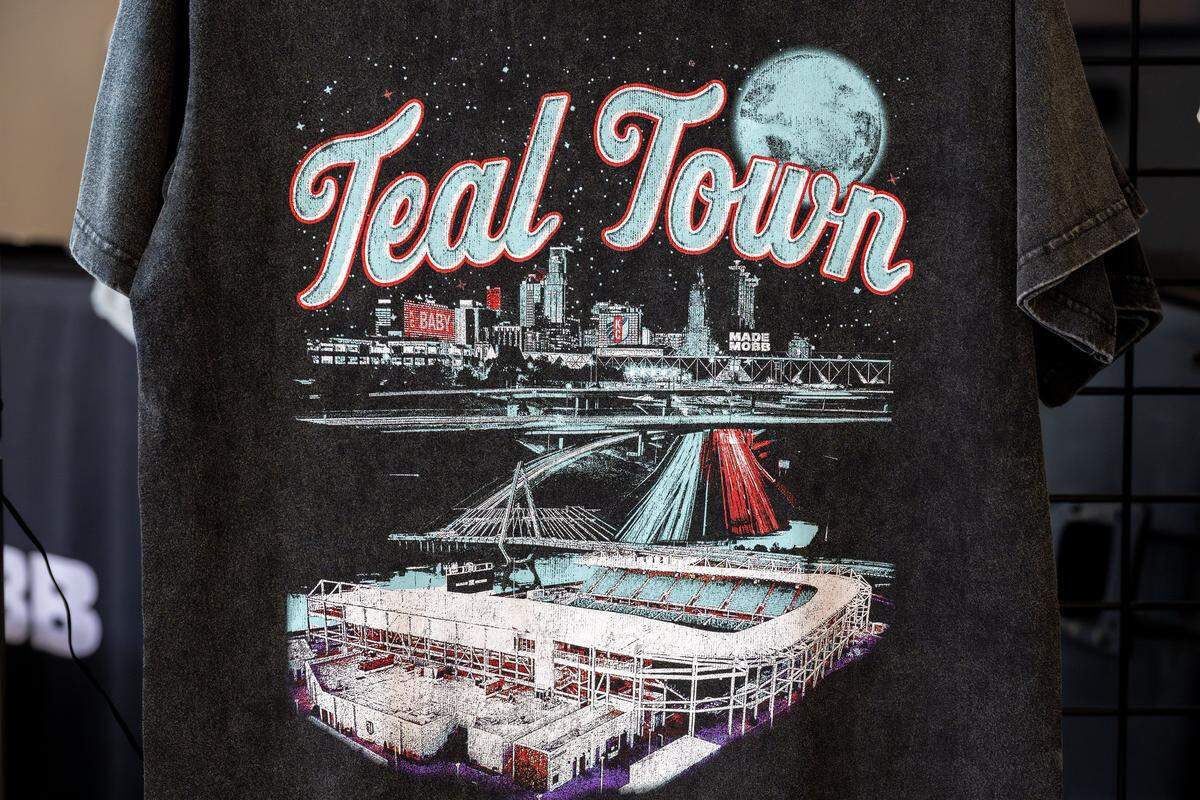
MADE MOBB plans to release 10 jerseys inspired by international team colorways, reimagined through a Kansas City lens.
“It’s souvenir style,” Launiu said. “People can take a piece of Kansas City home.”