$125K KC contract went unpaid for 2 years: ‘We thought we put it in the budget’
AI-generated summary reviewed by our newsroom.
- Kansas City owed $250,000 for 2024–25 amid confusion over who should pay
- Officials blamed unclear budget roles between city and state-appointed police board.
- Crime Commission used paid $96,700 in tip rewards during the unpaid years.
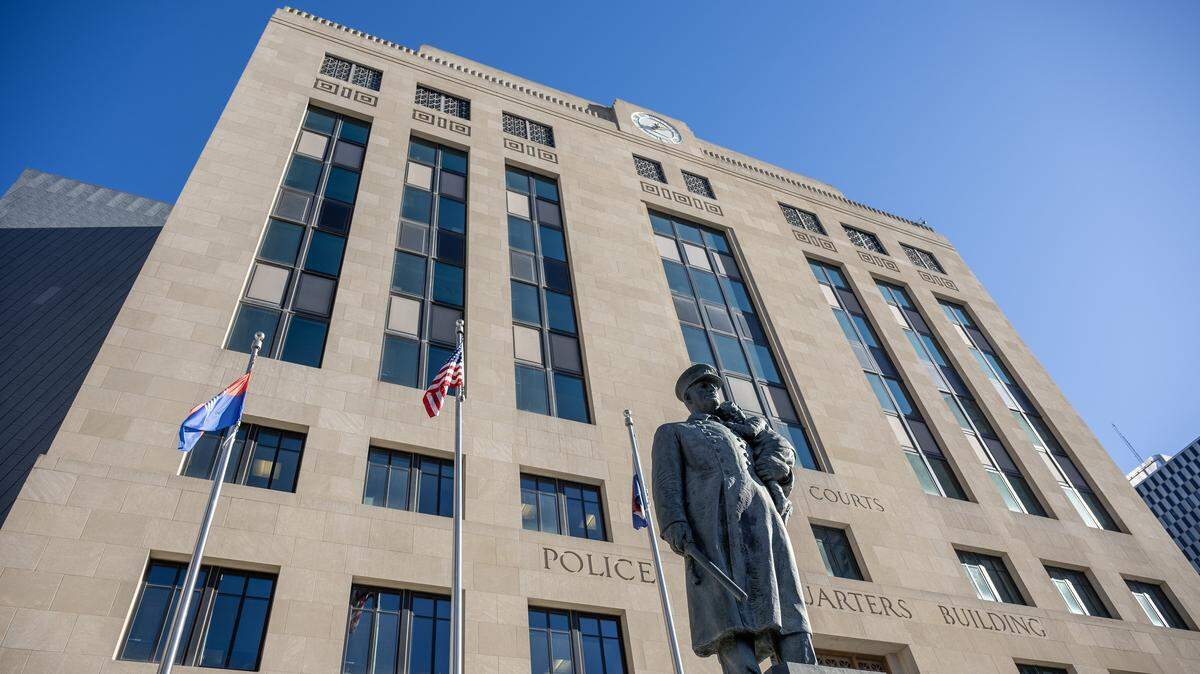
Kansas City failed to pay a nonprofit crime-prevention organization for two years after confusion over whether the city or the Police Department was responsible for the bill.
The Kansas City Metropolitan Crime Commission, which runs the local Crime Stoppers program, was owed $250,000 for its 2024 and 2025 contracts with the Kansas City Police Department.
City officials approved paying half that amount or $125,000 during a Jan. 6 committee meeting, but the meeting exposed ongoing confusion over police funding in a city where the department is governed by a state-appointed board.
Because the Police Department’s funding is overseen by the five-member Kansas City Board of Police Commissioners, there was discussion on who was responsible for paying the contract, despite it being sent to the agency.
Crime Commission President Rick Armstrong told officials during the City’s finance, governance and public safety committee meeting that the commission traditionally sends its contract to the police department, but that Kansas City is unique among metro-area cities because its police force is governed by the police board.
“Every year lately, we thought we put it in the budget for the police department,” Mayor Quinton Lucas said during the meeting. “I understand they’ve represented, perhaps, that they have a different view, that it’s not in that budget for them.”
Armstrong said that the issues began in 2020 when COVID-19 hit. Several local cities asked for extensions to pay the contracts with the Crime Commission due to funding interruptions brought on by the pandemic.
“No one did anything (wrong),” Armstrong said. “We never lost support from the city or the (police department). But the question became, who did this? Police weren’t paid out of their budget, which was pulled from their funds, or did the city pay it out of city funds?”
That question lingered in the Jan. 6 committee meeting, with council members and Lucas questioning how the money should be allocated in the future. Lucas said he believed that it would be best the funding come from the Police Department budget. But Council member Crispin Rea said those funds should be paid by the city, allowing more autonomy between the interested parties.
Armstrong said that during those two years, the Crime Stoppers program issued $96,700 in rewards, 12 arrests made for homicides and 20 cases cleared for homicides based on tips received to the program.
As a non-profit, Armstrong said that the crime commission dipped into its reserves to continue funding crime prevention programs.
Local control
Lucas said the payment issue is another example of state and local control over the police department.
“This state control, being the board, may have a different view of what the city council actually is approving each year,” Lucas said. “And, of course, they have the final ability to allocate funding where they wish.”
For budget purposes, Lucas said that he believes it is in the best interest of the Police Department to ultimately pay for that contract since it goes to them to sign, but also because the department has an officer who works directly with the crime commission.
“The city council has real issues with, I think, that indication that there’s a contract signed by the chief of police,” Lucas said. “However, the payment is due to the city, which kind of goes back to our thought that is something that is within the funding of the police budget.”
Lucas said the state control of the police department is a frustrating hurdle to navigate, and something he doesn’t see as being in the best interest of the people of Kansas City in the long term.
Police Department officials did not respond to requests for comment on its payment to the crime commission.
“It’s my view that the city has actually allocated that money to PD to have allocated to the Crime Commission thereafter,” Lucas said. “That’s what it is, and it’s just another day in the saga of not necessarily having control over these sorts of things.”