Bullying hurt her — then her daughter. Now she’s working to eradicate it in KC
When Crystal Ellison was young, bullying was often dismissed as a childhood rite of passage. Growing up in Wyandotte County, she endured verbal bullying that quietly eroded her confidence, an experience she believed time and progress would eventually erase.
Decades later, she watched her daughter face the same insults and emotional harm, underscoring how little had changed. In the way bullying is addressed in schools and communities.
Now an attorney, Air Force JAG (judge advocate general) officer Ellison transformed that realization into action.
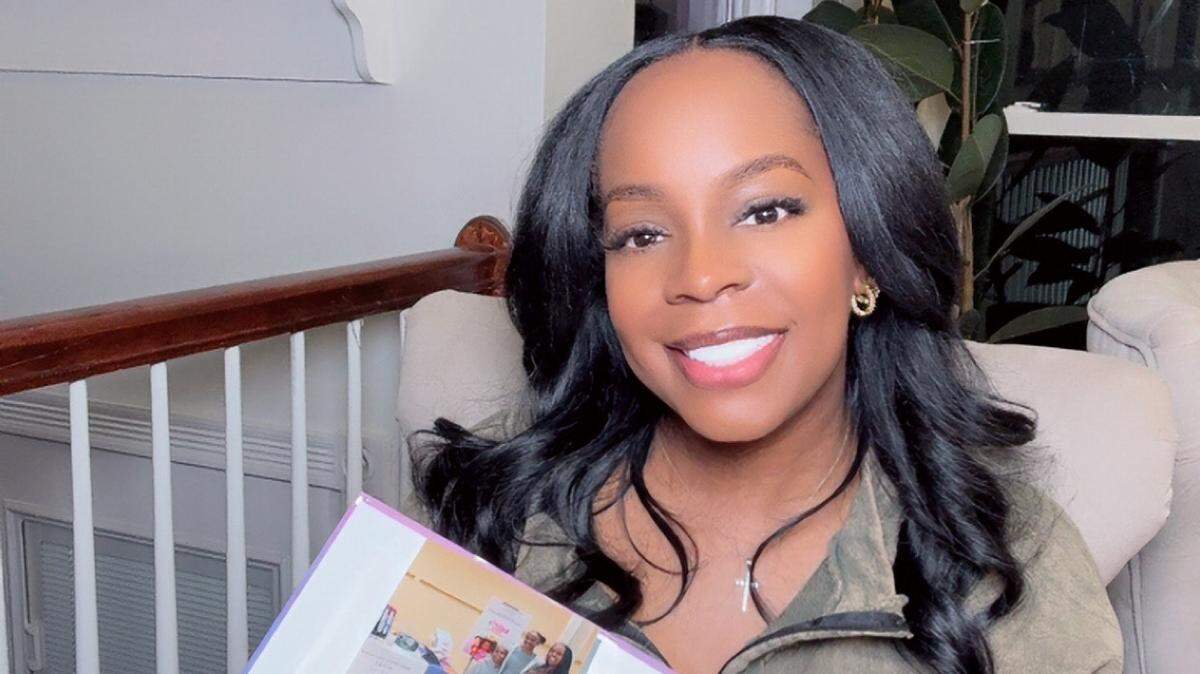
Inspired by her daughter’s journey and her own childhood, she wrote “Aubri’s Story: Rising Above Bullying”, a children’s book aimed at helping young readers build resilience, self-worth and empathy.
Through her writing and community work, she created Serenity Infinity Books LLC, for not only self-publishing her series set to encourage children. Ellison is reframing bullying as a long-term issue that requires accountability, compassion and sustained engagement, rather than simple reassurance.
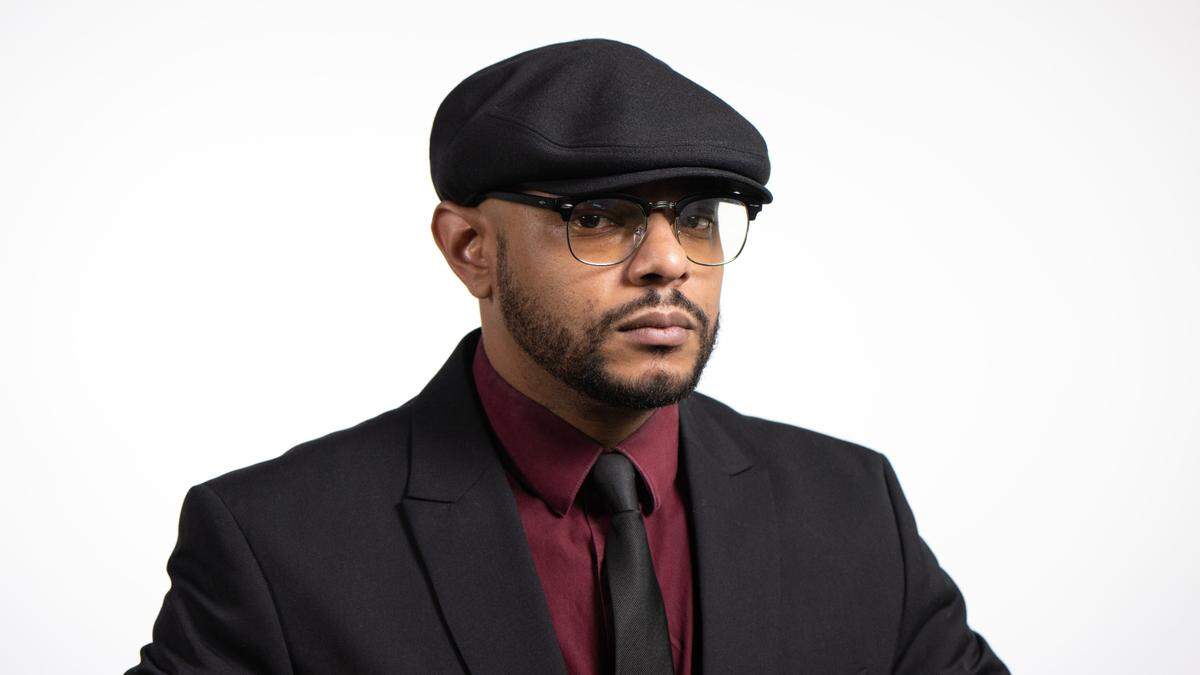
Recently she sat down with The Star’s culture and identity reporter J.M. Banks to talk about her own experiences with bullying, seeing her daughter deal with the same issues and writing books to give children the courage to move past it.
Can you tell me a little about yourself and upbringing?
I am originally from Wyandotte County, Kansas and graduated from Wyandotte High School. However, I currently live in Independence, Missouri. I attended several universities, but I graduated from Donnelly College with my associate degree in arts. Then I graduated from Park University with my bachelor’s in legal studies and a minor in political science. After that, I graduated from the University of Kansas School of Law with my Juris Doctor degree.
What were your early experiences with bullying, and how did they shape the way you saw yourself as a child?
I was bullied when I was younger in the same way that my daughter has been bullied. In grade school, kids used to talk about my forehead and say that I had a big forehead. There were times when those comments affected my self-esteem, and there were times where I started to believe that my head had to be huge since everyone kept saying it.
I eventually had to realize that it was about self-love. I’m glad that it didn’t impact me in a way so severe that it has impacted others. I come from a loving family. I have a large family with about eight siblings and my mom and dad, and they always reassured me that I was beautiful. While it impacted my confidence and self-esteem at the time, it didn’t impact me in a drastic way where I couldn’t recover from it.
At the time, did you feel equipped with the language to support or advocate for yourself, or was that something you carried quietly?
I would say that I carried it quietly. When I look back 20 years ago, I think I handled it quietly because sometimes I would say something back, or I would just remove myself from the situation and deal with it internally or with my family and support system at home.
Looking back now, what do you wish the adults around you understood about what you were going through?
I wish they understood that although a comment may not seem like a big deal to some people, it can have a real impact.
Instead of simply telling the child, “You don’t have a big head,” and telling them to ignore it, I wish more focus had been placed on redirecting the behavior of the person committing the bullying and addressing it at the school and community level. I remember maybe only a couple of anti-bullying assemblies, but we had many assemblies about drugs, which is important, too.
When decades later my daughter receives the exact same comments I did, it shows that it has not been addressed in the way it should be. If this issue were taken seriously, there is no way my daughter would be experiencing the same bullying comments generations later. I wish more time had been spent addressing the behavior and educating everyone as a whole.
How long did those comments affect your sense of self-worth, and was there a point when you realized they didn’t matter?
I would say they affected me for several years. At some point, I realized how beautiful I was and had to build my own confidence. I began to understand that people may be jealous, want to be my friend, or be projecting their own issues. Through conversations with my parents and other adults, I learned that hurt people hurt people. Eventually, I felt more sorry for them than anything else.
When you became a mother, how did that change the way you reflected on your own childhood experiences with bullying?
When my daughter Briah first told me about what was happening, it brought me back to what adults told me when I was younger. I initially reassured her that the comments weren’t true, but after talking with my family, I realized that even untrue comments can still hurt. I learned that reassurance alone isn’t enough.
You have to build children up so they love themselves enough to not let those comments affect them. Over time, Briah built her confidence and now knows her worth, which has changed how she responds to those situations.
When you saw similar challenges emerge in your daughter’s life, what emotions did that surface for you?
I was really sad. It was emotional watching her struggle, especially when she didn’t want to go to school or would cry. As a parent, it hurts when you feel like your reassurance isn’t enough. It took time for her to truly believe that she was beautiful and worthy, and that was very painful to witness.
At what point did you realize your personal experience could become a source of guidance for others?
I knew early on that my experiences could help others, but it wasn’t until my daughter started being bullied that I felt compelled to do something about it.
How did your journey as a mother lead to the creation of Aubri’s Story: Rising Above Bullying?
Once I saw a change in Briah’s confidence, I felt comfortable asking her if she would want to tell her story. She was excited, and we worked on it together. She helped proofread and gave feedback, and she has been involved in the process ever since.
How did you decide what parts of your story to include?
I focused on verbal bullying and comments commonly directed toward African American females. Some experiences were left out because I didn’t want to overwhelm children or detract from the message.
What was the emotional process like turning lived experience into a healing story?
Writing the book was exciting and creative. The emotional part came after the book was released, when teachers, parents and students began sharing their personal stories with me. That outpouring of support validated how necessary this work is.
How have your careers as an attorney and Air Force JAG officer shaped your understanding of advocacy?
My time as a public defender deeply shaped how I advocate for underserved communities. Advocacy looks different in different spaces, but the passion remains the same. Serving in the military has further reinforced the importance of standing up for others.
What misconceptions do people still have about bullying?
The biggest misconception is that bullying doesn’t exist or that it’s just part of life. Bullying has long-term effects, and even when someone appears OK, the impact can resurface later in life.
What do you hope readers take away from your book?
I hope they understand that they are not alone, that their feelings matter, and that forgiveness is part of healing. Above all, I want them to walk away with kindness, self-worth, and positivity.
What’s next for your work?
I will continue writing books and expanding Serenity Infinity Books through speaking engagements, workshops, and monthly community challenges focused on kindness and positivity.
I’m incredibly excited about the mission of Serenity Infinity Books. Recent personal losses have further confirmed that this message is needed. I hope the work continues to spread beyond Kansas City and across the nation.
For more stories about culture and identity, sign up for our free On The Vine newsletter at KansasCity.com/newsletters.