WyCo deputy charged in man’s death used restraint similar to George Floyd killing
A Wyandotte County deputy who was involved in an altercation with a 50-year-old Kansas City, Kansas, man being held in county jail in July faces murder charges after he knelt on the man’s back, using a restraint method that’s been widely criticized since the death of George Floyd.
Richard Fatherley has been charged with second degree murder and involuntary manslaughter in connection with the death of Charles Adair. An autopsy report, which labeled the death a homicide, revealed a deputy knelt on Adair’s back when Adair allegedly began to resist corrections officers July 5.
A retired undersheriff said details from the autopsy are consistent with a law enforcement practice known as “prone restraint,” where a person is held face down with their stomach on the ground while an officer tries to gain control, usually by handcuffing the person.
“Once you have the ability to restrain them and get their hands behind their back, the practice is to set them up, stand them up, or get them in the position to where you can ensure that they’re breathing appropriately,” said Christopher Darcy, a retired Las Vegas area undersheriff.
Darcy spent much of his law enforcement career trying to improve use of force policies and is now a use of force consultant for cities on the west coast. Darcy reviewed Adair’s autopsy at the request of The Star.
It is unclear from the autopsy, and limited information provided by investigators, if deputies followed best practices and procedures after Adair had been handcuffed. After being subject to a prone restraint, people are supposed to be checked out my medical staff, Darcy said.
Statements from the KBI say Adair was set in his cell bunk, and medical staff were called after he had been found unresponsive.
“I don’t know, in this case, how combative he was, or any of the facts, but what I can say is that when you have them down on their stomachs, the idea is to get them secured as fast as possible, and then rolled over on other side, sat up or stood up,” Darcy said.
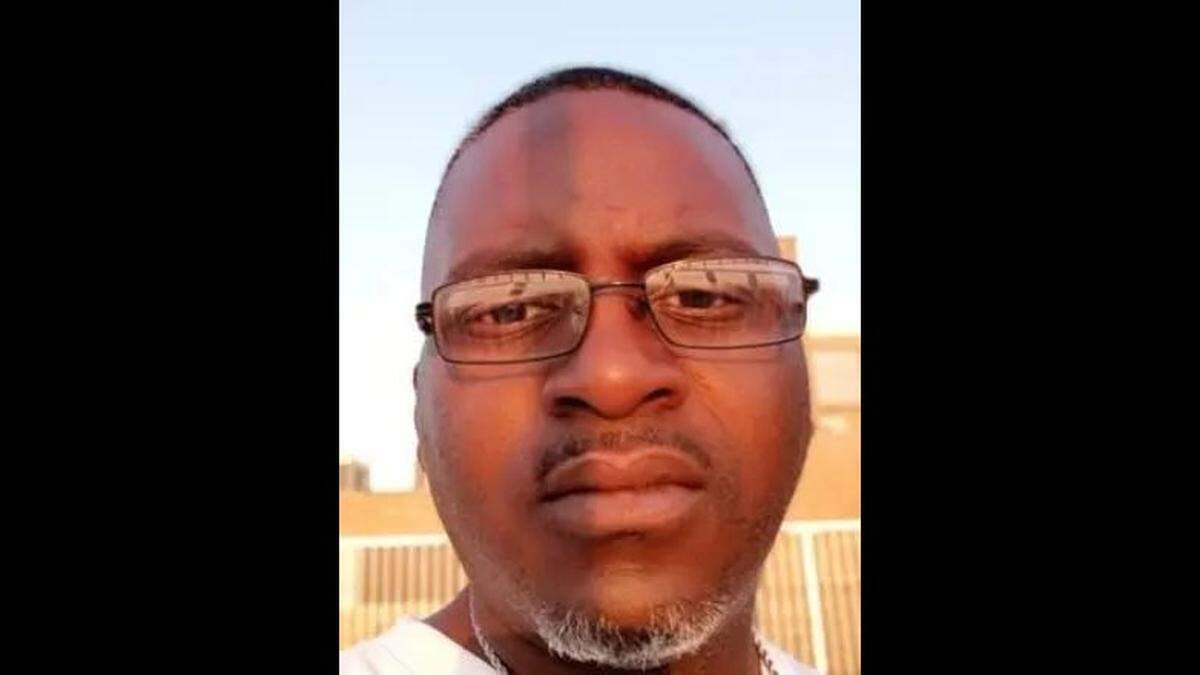
Adair died from ‘mechanical asphyxia’
Adair was being wheeled back to his cell from the infirmary after receiving treatment for a pre-existing wound on his leg when a physical altercation broke out around 8:30 p.m., according to the Kansas Bureau of Investigation.
Multiple deputies responded to assist in handcuffing Adair, the KBI said. Once he was handcuffed, deputies placed him on the lower bunk of his cell. When they tried to remove the handcuffs, Adair continued to resist, according to a KBI statement.
Deputies eventually gained control, removed the cuffs and left the cell, the KBI said. Minutes later, at 8:37 p.m., Adair was found unresponsive and medical staff were called to evaluate him.
After emergency medical services performed life-saving measures, Adair was pronounced dead at 9:19 p.m., the KBI said.
Adair had been in custody since he was arrested July 4 on misdemeanor warrants for failure to appear in court for multiple traffic violations.
The KBI made no mention of the deputy kneeling on Adair’s back in its statements about their investigation into his death.
In a statement Sept. 5, the KBI announced results from the autopsy, which had determined Adair died from “mechanical asphyxia,” or when a force or object prevents someone from breathing.
“Often, a person will say, you know, I can’t breathe, or I’m having trouble breathing, because if they were exerting themselves... they’ll be out of breath.,” Darcy said about the restraint method used by the deputy. “And if they have medical conditions, that can be a contributing factor.”
The autopsy found small scrapes on Adair’s skin and hemorrhages, or bruises, on his back and shoulders. The medical examiner also observed multiple rib fractures and a sternal fracture, the autopsy shows.
The autopsy was completed July 8 by Feng Li, a medical examiner with Forensic Medical of Kansas. There was nothing abnormal in the toxicology report, Li said in his report.
Other factors also contributed to Adair’s death, including hypertensive cardiovascular disease and hepatic cirrhosis due to chronic alcoholism. Adair also wore a pacemaker, according to the autopsy.
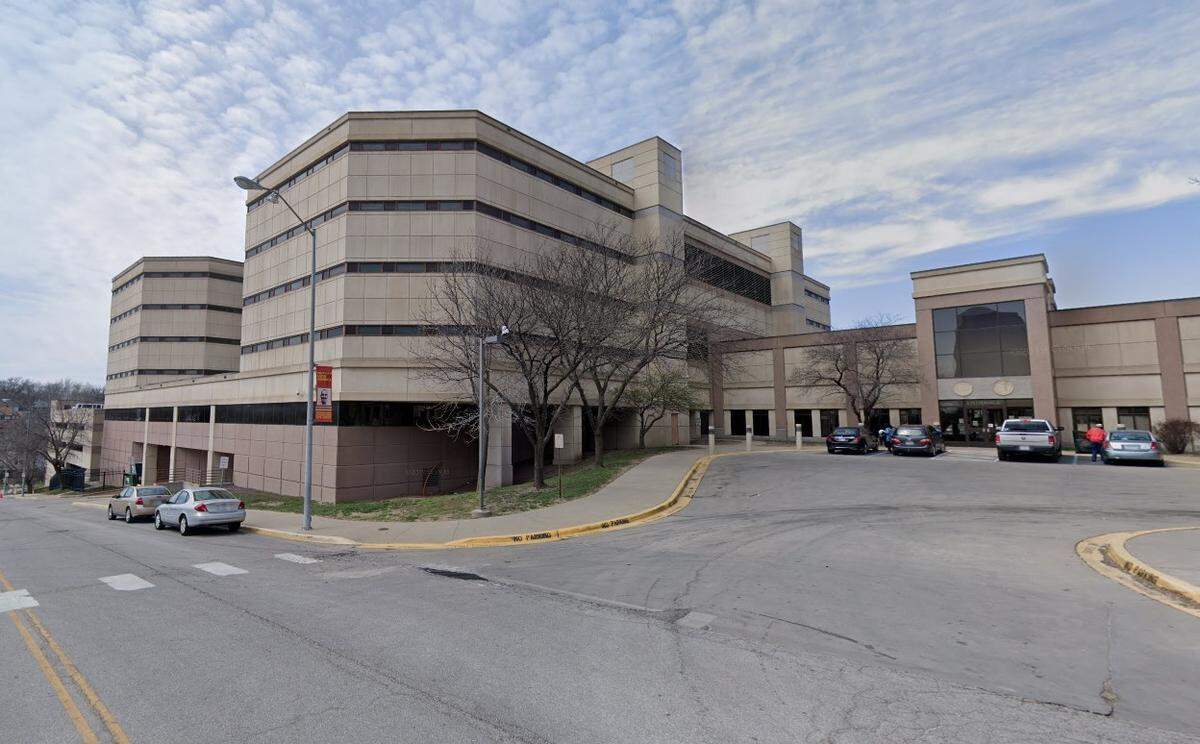
Did deputies know about Adair’s medical conditions?
It is unclear how combative Adair, 50, had been against deputies during the altercation, or how aware they were of his health conditions.
The sheriff’s office and KBI declined to comment on the results of Adair’s autopsy while charges against Fatherley were pending.
The sheriff’s office also denied a request for any documentation describing Adair’s medical conditions that jail staff were made aware of, citing a state law that exempts medical records.
According to the sheriff’s office policy on handcuffing and restraints, deputies are trained to balance safety with factors like crime severity, the person’s demeanor, age, health, pregnancy and disabilities.
Police restraints have often been the subject of court cases in the years since George Floyd’s death. In 2020, an officer knelt on Floyd’s neck for over nine minutes while Floyd, unresisting, repeatedly told Minneapolis officers he could not breathe.
Medical examiners found the police restraint caused a lack of oxygen, leading to Floyd’s death.
In a 2024 ruling in the 9th District of the U.S. Court of Appeals, a judge ruled that officers kneeling on a person’s torso is justified only while they are trying to get a person in custody, or handcuffed. Continuing to use body weight compression after someone is handcuffed is not justified, according to the judge’s opinion.
“Police and corrections officers commonly train that if necessary, only kneel on the shoulder blades and then stop once the individual is in handcuffs,” Darcy said.
Even so, compression asphyxia is a risk when an officer places their body weight on a person’s torso, Darcy said.
“A reasonable officer acting in accordance with common police policy, training, and tactics would not kneel on a person’s neck, especially with all the conversation and focus on the issue post the death of George Floyd,” Darcy said.
WyCo policy requires training for restraints
According to the Wyandotte County Sheriff’s Office restraint policy, restraints are to be removed as soon as reasonable after deputies complete a search or the person has been confined.
In KBI statements about Adair’s death, he allegedly continued to resist after he was handcuffed and placed on the lower bunk of his cell. Deputies then, “gained control, removed the cuffs and left the cell,” the statement said.
However, it is unknown how the deputies gained control and whether they continued to apply body weight to Adair’s torso while he was handcuffed in his bunk.
Darcy said that when a person is resisting officers, their knowledge of the person having pre-existing medical conditions is not enough to prevent them from restraining someone combative. Once they are in custody, he said, that knowledge matters.
“You put the handcuffs on them, you’re responsible for their their safety in that sense,” Darcy said.
Darcy said Adair’s death is a tragic example of why proper training is important for law enforcement.
“No cop... or corrections officer goes to work and wants to have this happen,” Darcy said. “These things are just such a terrible tragedy all around, right? For the officer, person, the families. It just impacts everybody.”
“That’s why policy and training is so important, so that when these rare incidents happen that you’re prepared for it,” Darcy said.
Wyandotte County deputies are required to receive regular training on proper placement of restraints, how to respond to complaints of pain, and special considerations for pregnant persons, amputees or someone with medical conditions, the policy states.
According to the policy, deputies learn, “proper placement of safely secured persons into an upright or seated position to avoid placement on the stomach for an extended period, as this could reduce the person’s ability to breathe.”
The restraint policy also requires the sheriff’s office to document all restraints, including factors leading to their use, supervisor notifications, type of restraint used, duration, transport method/position, behavior observations, and medical/drug issues.
The sheriff’s office denied a records request from The Star for any documentation from internal investigations into Adair’s death.
Since the KBI investigated his death, the sheriff’s office did not have such records, the denial said.
Adair’s family is planning to file a civil rights claim for the alleged killing and has retained civil rights attorneys Ben Crump and Harry Daniels, according to a news release.
Crump’s team represented the families of George Floyd; 26-year-old Breonna Taylor, who was killed in 2020 by officers at her home in Louisville, Kentucky; and Trayvon Martin, a 17-year-old killed in Sanford, Florida, by George Zimmerman in 2012.
Fatherley is due in court in November and will not be booked into the county jail in the meantime, District Attorney Mark Dupree said in a Thursday news conference.
The Star’s Sofi Zeman contributed.
This story was originally published September 21, 2025 at 6:00 AM.