
Helium for Macy’s Thanksgiving Day Parade balloons comes from a tiny Kansas town
AI-generated summary reviewed by our newsroom.
- Otis, Kansas, produces and ships helium used to inflate Macy’s parade balloons.
- Messer plant cools, compresses and liquefies gas used to fill more than 30 balloons.
- Otis plant has supplied Macy’s balloons for over 30 years, supporting national broadcast.
Otis, Kansas, is almost smack-dab in the middle of the Sunflower State, a community of about 280 people named after the son of the man who founded the town in 1886. It has a farmers coop, post office, library, schools and a helium plant.
The mayor, Jenny Landers, worked at the helium plant for five years before she took a job as a church secretary. She worked with the truckers who hauled the helium to customers across the country.
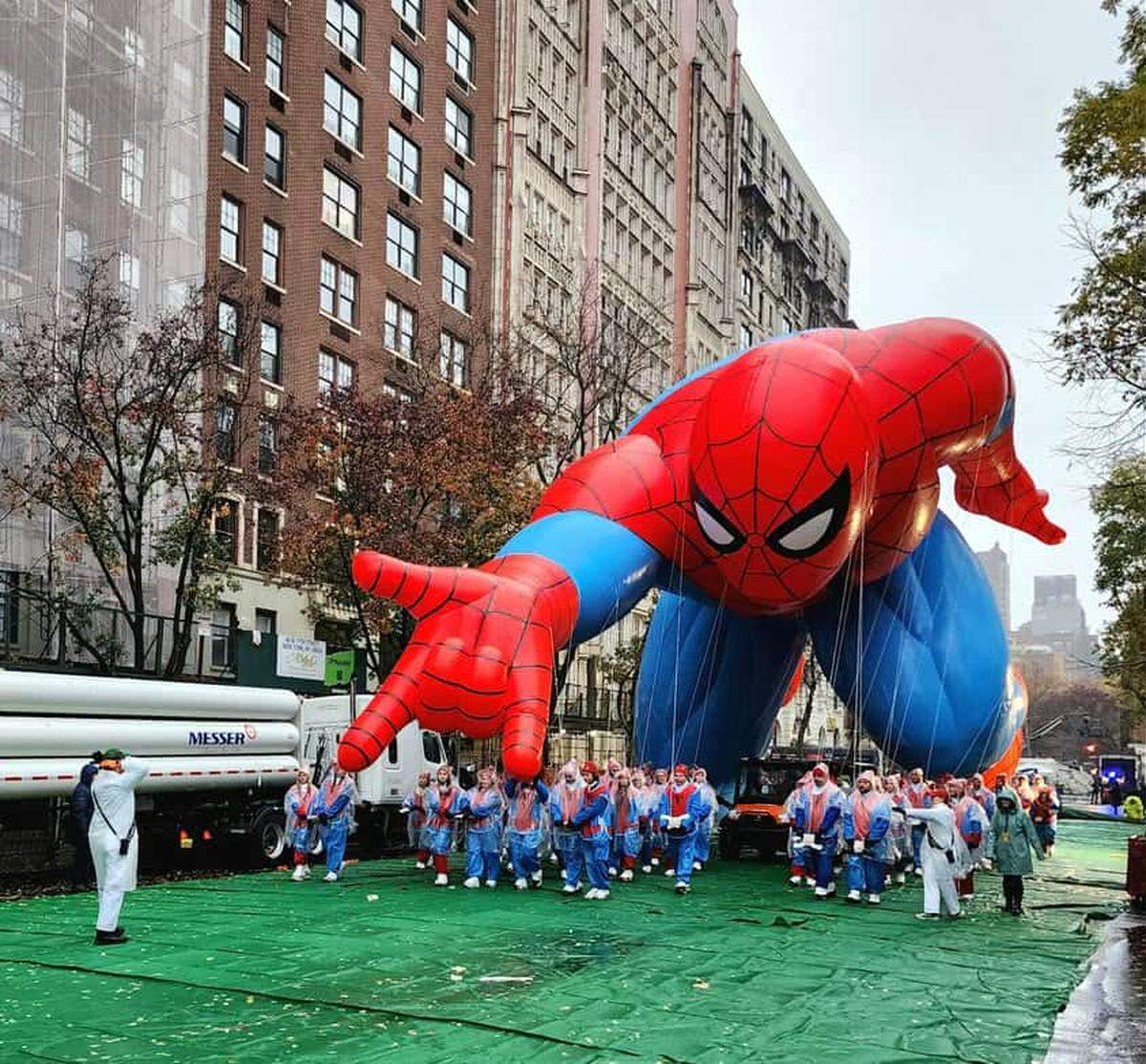
She loved her workspace there because right above her desk hung a picture of the famous Spider-Man balloon in the Macy’s Thanksgiving Day Parade, a massive version of the superhero ready to sling his webs.
It reminded her every day that tiny Otis plays a lofty role in one of the nation’s most iconic holiday events.
The helium that lifts those giant balloons and keeps them floating high above the streets of New York City comes from the Messer plant in Otis, where crude helium, extracted from natural gas, is cooled and compressed, refined and liquified.
More than 30 balloons will take flight Thursday morning filled with helium from Kansas. The Otis plant has supplied the helium for more than 30 years, plant officials say.
More than 31 million people watched the parade last year, more than 3 million in person along the route in New York. Since balloons were added to the pageantry in 1927, the parade has showcased some of the world’s most iconic and beloved characters, from Snoopy to SpongeBob SquarePants.
New this year: PAC-MAN, Mario, Buzz Lightyear, Shrek’s Onion Carriage and Derpy Tiger from “KPop Demon Hunters.”
“Even most of the people in our county wouldn’t know it unless we’ve talked to them,” said Scott Jecha, maintenance supervisor at the Otis plant. “It’s just a small community, but they really have no clue what we do out here or what we do with (the helium).”
How Kansas helium gets to New York
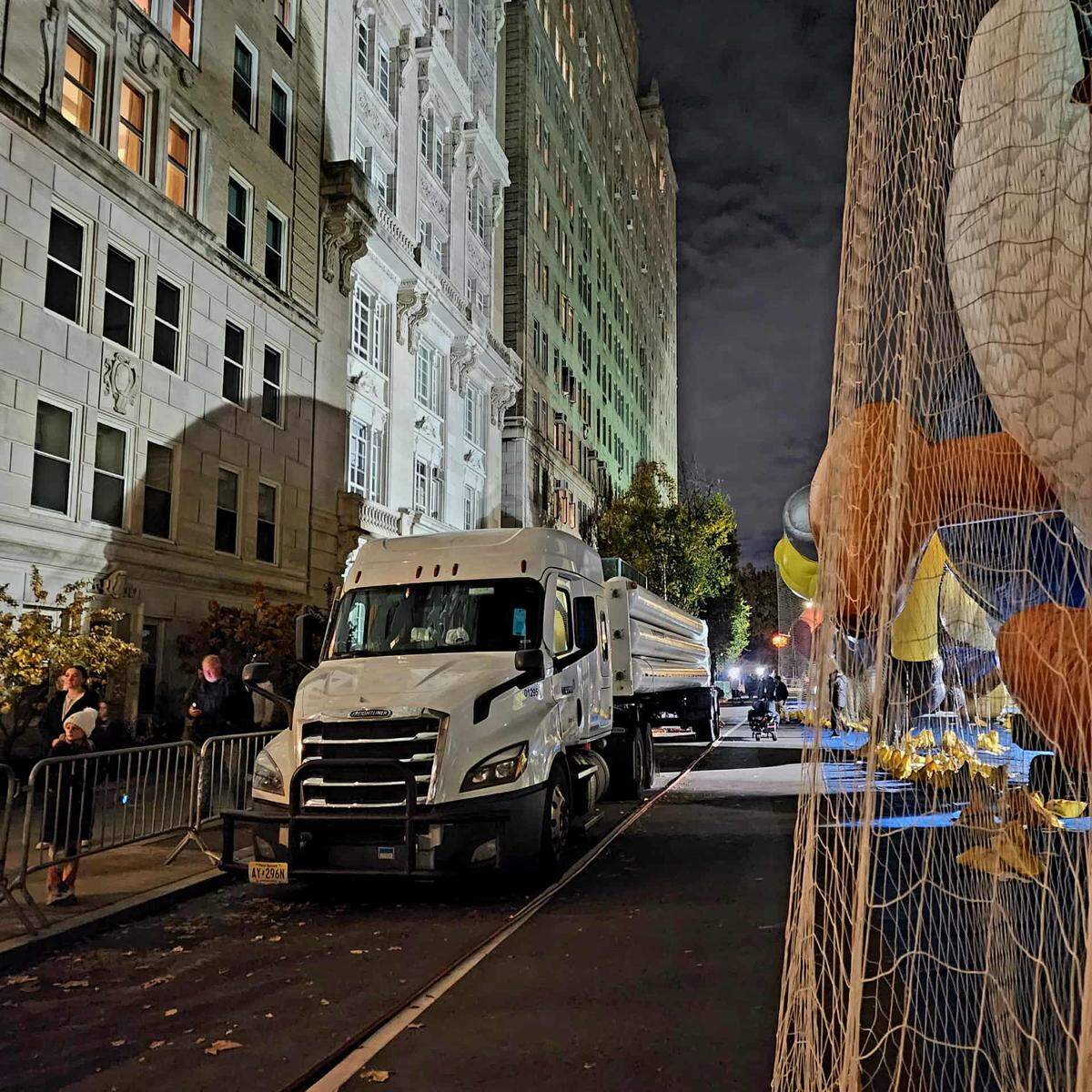
The helium, in liquid form, is loaded onto trucks at the Otis plant and driven cross-country to a Messer trans-fill facility in Bethlehem, Pennsylvania.
There, the liquid helium is converted to gas, compressed into high-pressure tube trailers and driven to New York City.
“There’s a lot of pride with everybody from Messer who is involved with helping the parade happen,” said Richard Dinwiddie, manager of helium operations at the Bethlehem plant.
“Smiles seem to get a little bit bigger Thanksgiving week, especially for those who are going into New York, because we know that we are part of something special and we want our demeanor, facial expressions, everything, to match the joy that Macy’s Studios is trying to bring the country.”
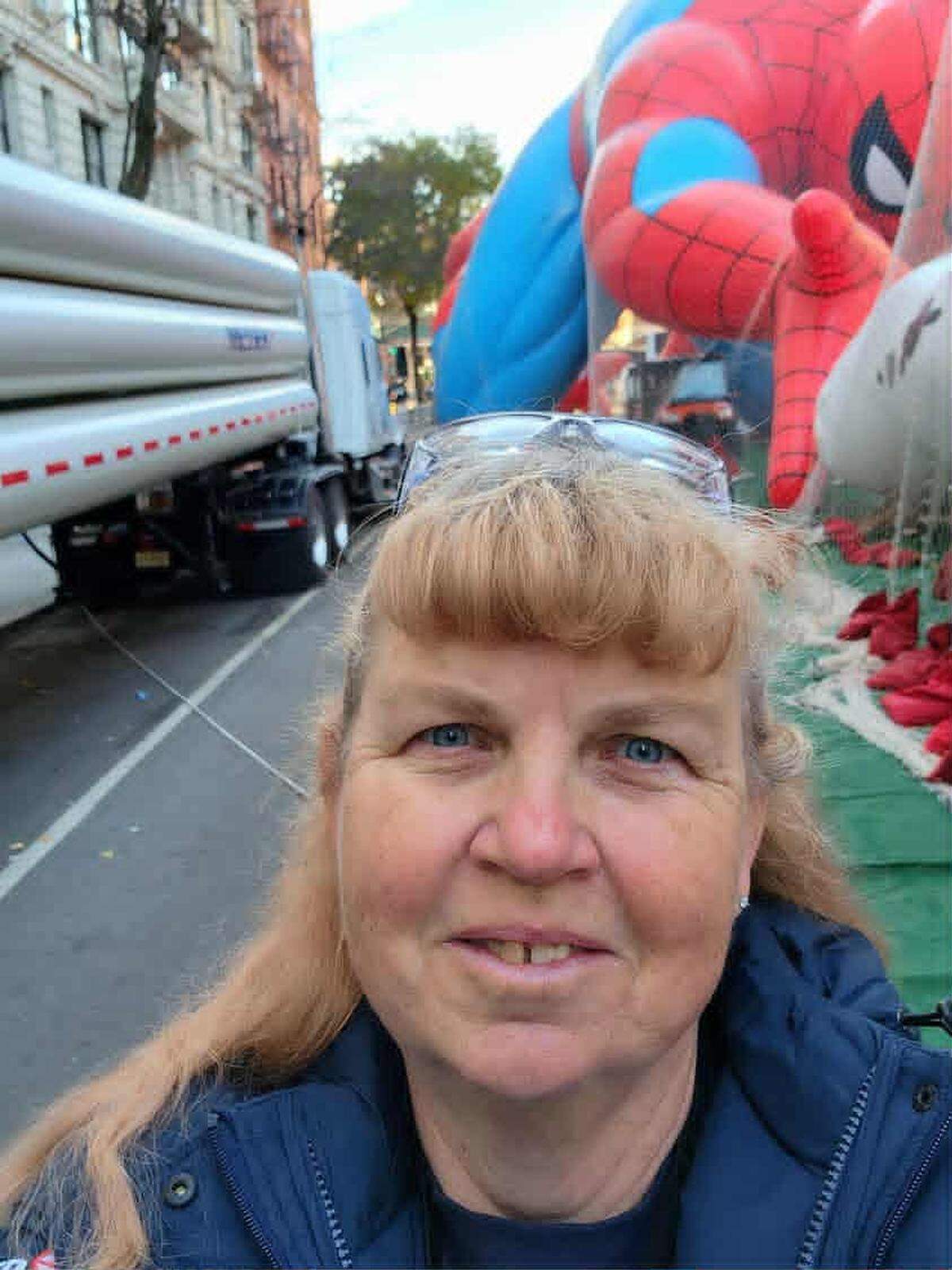
There’s never a shortage of people at the Otis plant wanting to make the trip to New York. Kathy DeCroix has made the Kansas-New York trek three times, sharing behind-the-scene photos on social media.
“It’s truly a magical experience for me,” said DeCroix, who won’t be making the trip this year. “I’ve made so many wonderful friends at the parade over the years. I will certainly miss them this year.”
D.J. Henderson, zone production manager for the Otis facility, worked at other Messer locations before joining the Otis staff six years ago.
“Even since the first year I was here you could see a strong sense of pride within all the staff at Otis just around the Macy’s parade and the fact that we supply the helium for that,” he said.
Helium’s roots in Kansas
Kansas makes most people think of wheat and sunflowers. But helium has its own chapter of Kansas history.
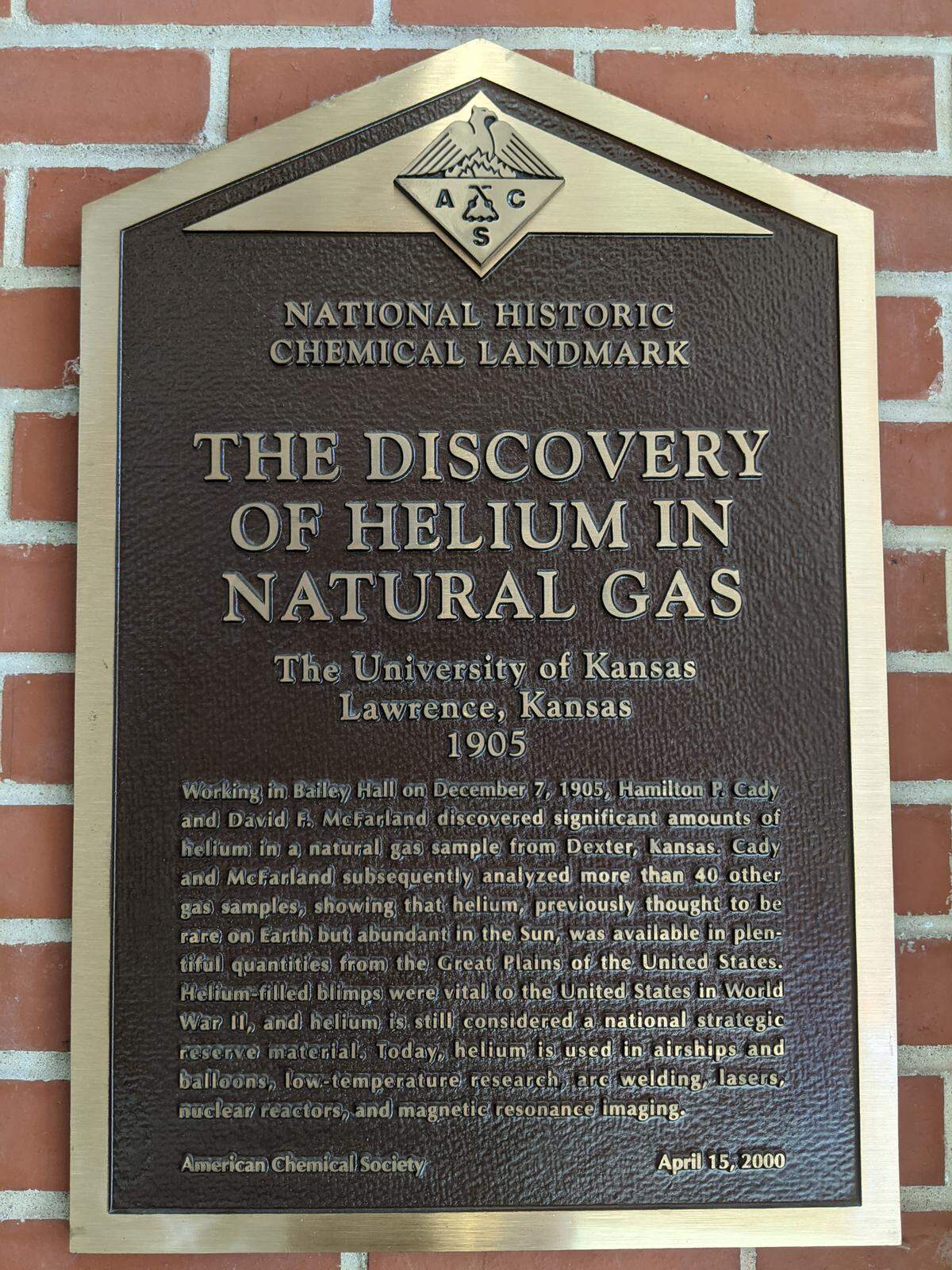
In a celebration at KU in April 2000, the American Chemical Society designated the discovery of helium in natural gas in Kansas as a National Historic Chemical Landmark.
In 1903, a large well of natural gas was discovered in Dexter, Kansas, a small town southeast of Wichita and about 200 miles from Otis. The town’s residents planned to celebrate by lighting the well, creating a giant torch. But they couldn’t get the gas to burn.
The mystery of the non-flammable gas reached professor Erasmus Haworth at the University of Kansas, who took samples of the gas to Lawrence.
After two years of research, KU chemistry professors Hamilton Cady and David McFarland discovered in 1905 that the gas contained helium. They continued to analyze more gas samples from the area and discovered a vast supply of helium existed in the Great Plains.
It was a game-changing revelation. Since its discovery in the 1860s, helium was thought to be abundant on the sun but rare on Earth. (The word helium comes from “helios,” the Greek word for sun.)
On Earth, helium comes from the slow decay of heavy, radioactive elements like uranium that accumulate over centuries in underground pockets, often alongside natural gas deposits. When the natural gas is cooled, the helium can be separated from it for commercial use.
Helium is a versatile gas. Odorless. Colorless. Lighter than air. Chemically inert. It’s used by scientists and welders alike.
Messer’s customers include electronics and fiber optics manufacturers, metal fabrication, welding and medical imaging companies, space exploration firms, defense equipment providers, and government and academic scientific research facilities.
Macy’s is one of the Otis plant’s smaller customers. “The MRI segment is one of our largest customers,” said Henderson.
“Liquid helium is supplied to super-cool MRI magnets. And then also electronics have taken off in the helium world, so we supply a lot to different electronics manufacturers for chip manufacturing … and then space exploration continues to be a large customer.
“The parade is a large customer, but in comparison to our other customers, it’s not a super large customer.”
The amount of helium Messer supplies to the parade varies from year to year depending on the number of balloons in the lineup and their size.
Messer estimates the parade uses about 300,000 cubic feet of helium, roughly the amount needed to fill a half-million standard-size party balloons.
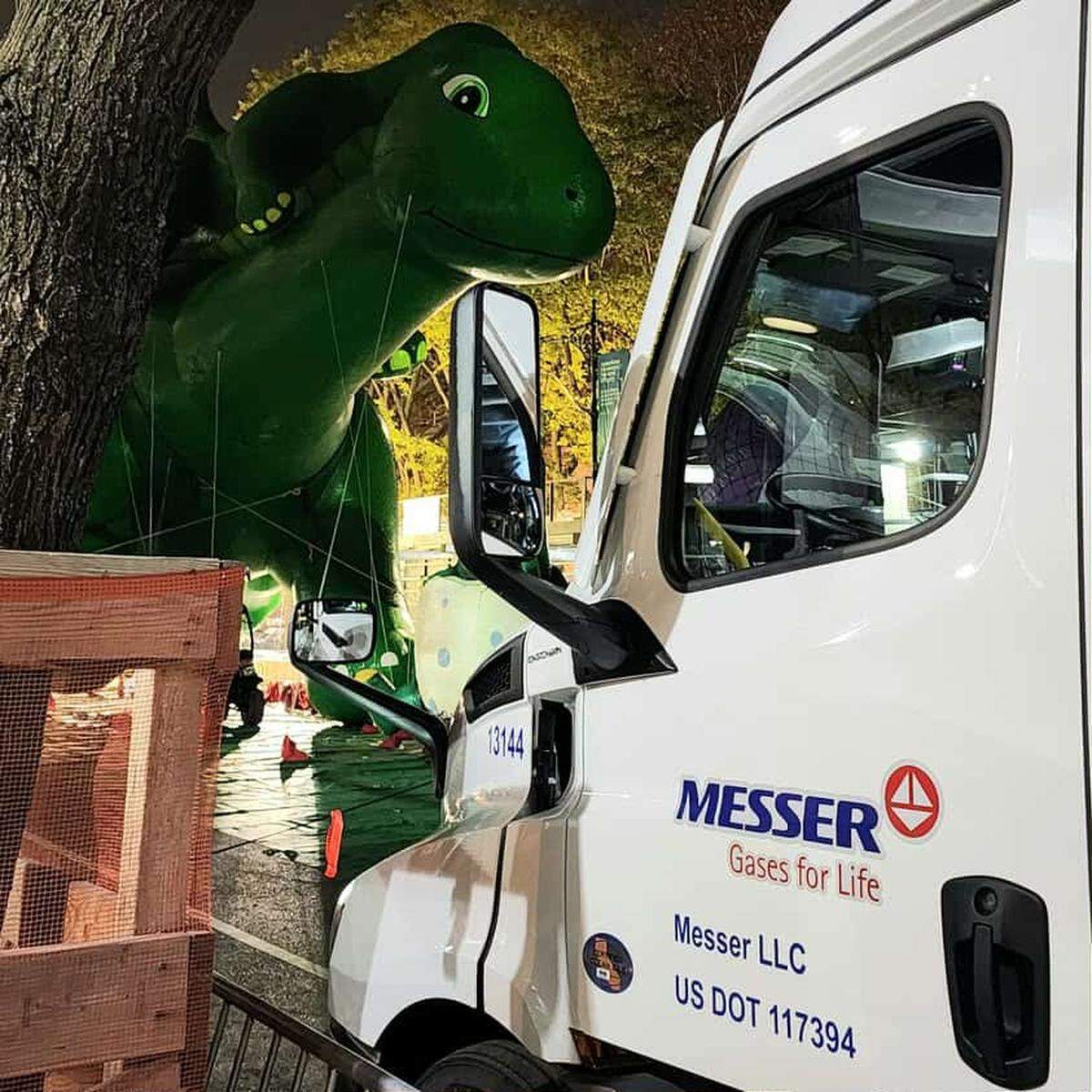
The night before the Macy’s Thanksgiving Day Parade
The helium starts flowing in early June when Macy’s begins training balloon handlers. Several training events are set up at locations around the New York City area, including the parking lot of MetLife Stadium in East Rutherford, New Jersey, where the New York Jets and Giants play.
Thanksgiving week, the parade has become a two-day affair for parade devotees.
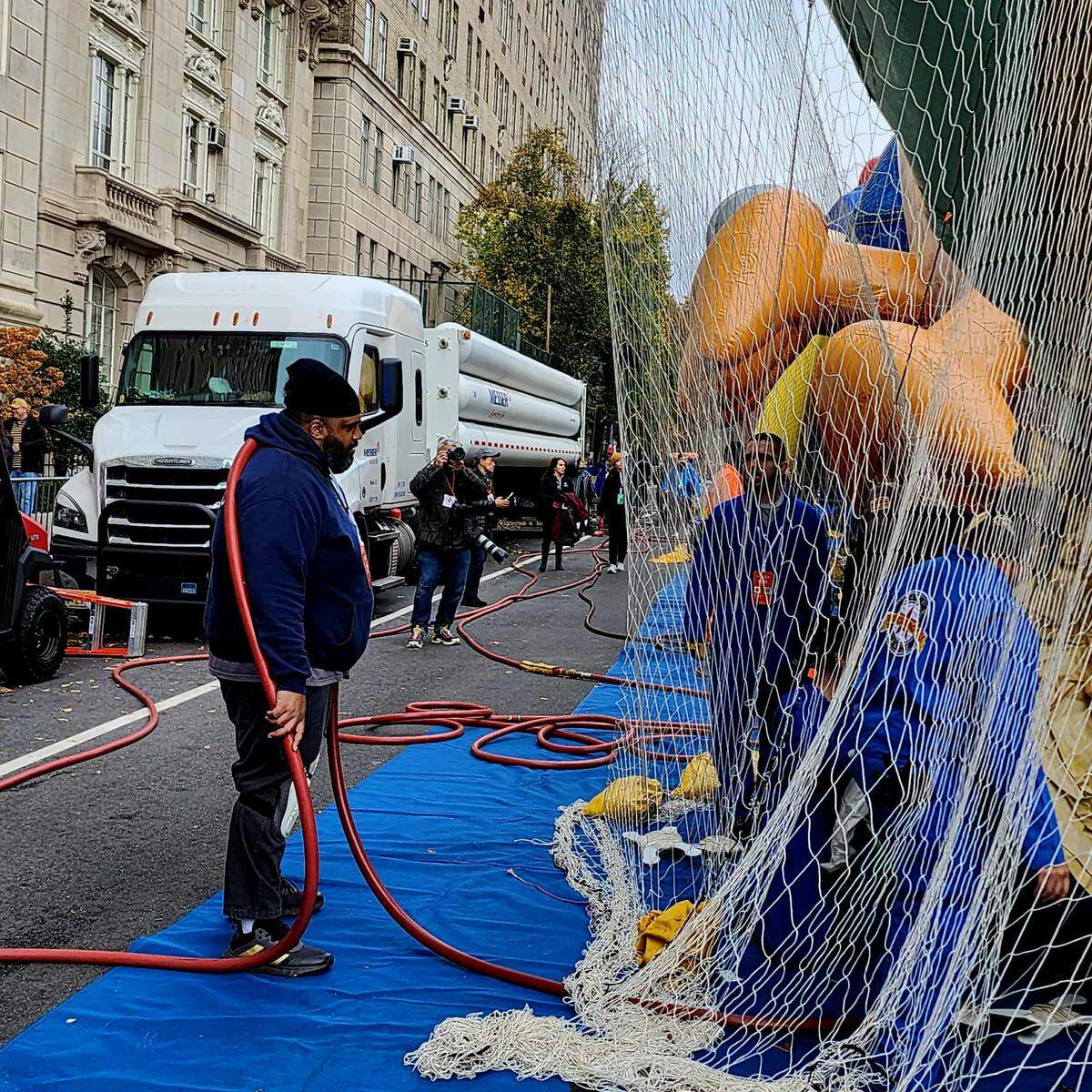
On Wednesday morning, Messer and Macy’s staff — who have met the night before — gather near the American Museum of Natural History where small teams begin coordinating the inflation process. Messer has designed a specialized gas filling device to fill the balloons safely and efficiently.
The public gets to watch Macy’s and Messer workers, including the folks from Kansas, fill the giant balloons with helium along Central Park West. The process has become a huge draw.
It takes one to two hours to fill each balloon, depending on their size, Dinwiddie said.
“The weather has a big part in that as well. If the weather is nice, people are motivated. There’s been times we’ve been done by 6 o’clock at night,” he said. “But when the weather is going south, people want to take a few more breaks ... get somewhere to get dry if it’s wet.”
Neighbors host parties and bring their kids out to watch the balloons take shape, which goes into the night. People ask a lot of questions, Dinwiddie said. Where did the trucks come from? Where did the helium come from? What is helium used for other than parade balloons?
“That’s when we talk to them about MRIs and wafer chip manufacturing and things like that that helium helps support for our other customers,” he said. “There’s a lot of inquiry about helium itself from the public, which is fantastic.”
Once they’re full, the balloons are anchored to the ground and covered with nets to keep them low and protect them from the wind, so they don’t get knocked around and rip. They’re topped off Thursday before the parade so they’re “nice and firm for parade visual,” Dinwiddie said.
People might not realize that each giant balloon is made in chambers. Individual chambers allow the balloons to take on realistic shapes, like the curves of Spider-Man’s muscles. They also isolate parts of a balloon that might need more helium to allow it to fly at specific angles.
“A few years ago Spider-Man went down the route, wind caught him and pushed him into a tree and that tree branch popped his arm. So he basically is going down the street with what looks like a broken arm, it’s just kinda hanging there. But the bulk of the balloon stayed intact because of the chambers,” said Dinwiddie.
“If it didn’t have chambers and it ran into a tree, you would lose the whole balloon. The chambers mitigate that possibility.”
Once the balloons leave the parade start point, there’s nothing Messer can do to reinflate them should something happen along the route, Dinwiddie said. Luckily, that’s rare.
“We can’t take the trucks down the street because that takes away from the visual of the parade itself,” he said.
“They actually had one last year that never even made it off 81st Street, it was just having some problems, it wasn’t flying right. It got to the point that (we said), ‘This is just too dangerous.’ They just deflated it right there on 81st Street and went without it.
“This will be my 13th parade as the manager there, and that’s the first time I’ve ever seen one not make the route.”
There’s not a chance, either, that there wouldn’t be enough helium to fill all the balloons. The Messer trucks always arrive with more than is needed and head home with about half their load still in the trailer, said Dinwiddie.
In Otis, seniority usually determines the lucky employees who get to shepherd the helium to the parade, a haul of more than 24 hours.
Rosemary Highfill, the plant’s administrator, feels lucky that she was able to take a personal trip to the parade in 2006 with her daughter where she got to watch her colleagues from Kansas fill the balloons.
She saw firsthand the throngs of people fascinated to watch the monster balloons come to life with helium processed at the plant where she has worked for 42 years.
“We were able to walk around in the ring where they inflate them, and their size, just the immense size of the balloons, being right next to them was just amazing,” she said.
Otis might be oblivious of their plant’s connection to the famous parade, Highfill said.
“But when people do hear a little more about it locally ... they are just in awe and it makes them feel good to know that they live in this area and that goes on,” she said.
This story was originally published November 24, 2025 at 12:09 PM.
.jpg)