Where Jackson County executive hopefuls stand on downtown stadium, property taxes
As the Jackson County Legislature prepares to appoint a new county executive, several hopeful candidates have come forward - and have brought their takes on county financing into the public eye.
Justice Horn, Phil LeVota and Dan Tarwater spoke Friday morning at an informal candidate forum hosted by the Urban Summit of Kansas City. The Urban Summit is focused on grassroots political organizing in east Kansas City and is affiliated with the Urban Council, a coalition of nonprofit organizations that previously called for former County Executive Frank White to resign.
After White was recalled in a landslide vote on Sept. 30, Jackson County Legislature Chair DaRon McGee appointed former Kansas City Mayor Kay Barnes as temporary county executive. Barnes was sworn in Wednesday and will serve for up to a month, during which time the legislature is tasked with selecting an interim county executive by majority vote to serve until January 1, 2027.
The four-day application process for interim county executive ends Monday.
Along with criticizing White’s legislative style and pledging to take an active role in county financing issues during the upcoming interim term, the three executive hopefuls discussed plans to keep the Kansas City Chiefs and Royals in Jackson County while reallocating financial decisionmaking powers to county legislators wherever possible.
“All nine of these legislators have never worked with a real county executive,” Tarwater said. “So someone needs to come in and show everyone what a county executive is again.”
Friday’s forum was moderated by Urban League of Kansas City CEO Gwen Grant, along with Urban Summit president Bishop James Tindall and executive director Celestine Williams. All three pushed the candidates to commit to increased public transparency and communication if nominated.
“We’re in this mess because people don’t trust people in office right now,” Horn said.
About the candidates
Though several former and current county political figures have been discussed around the legislative chambers this week as possible interim executives, only Horn, LeVota and Tarwater accepted the Urban Council’s invitation to speak.
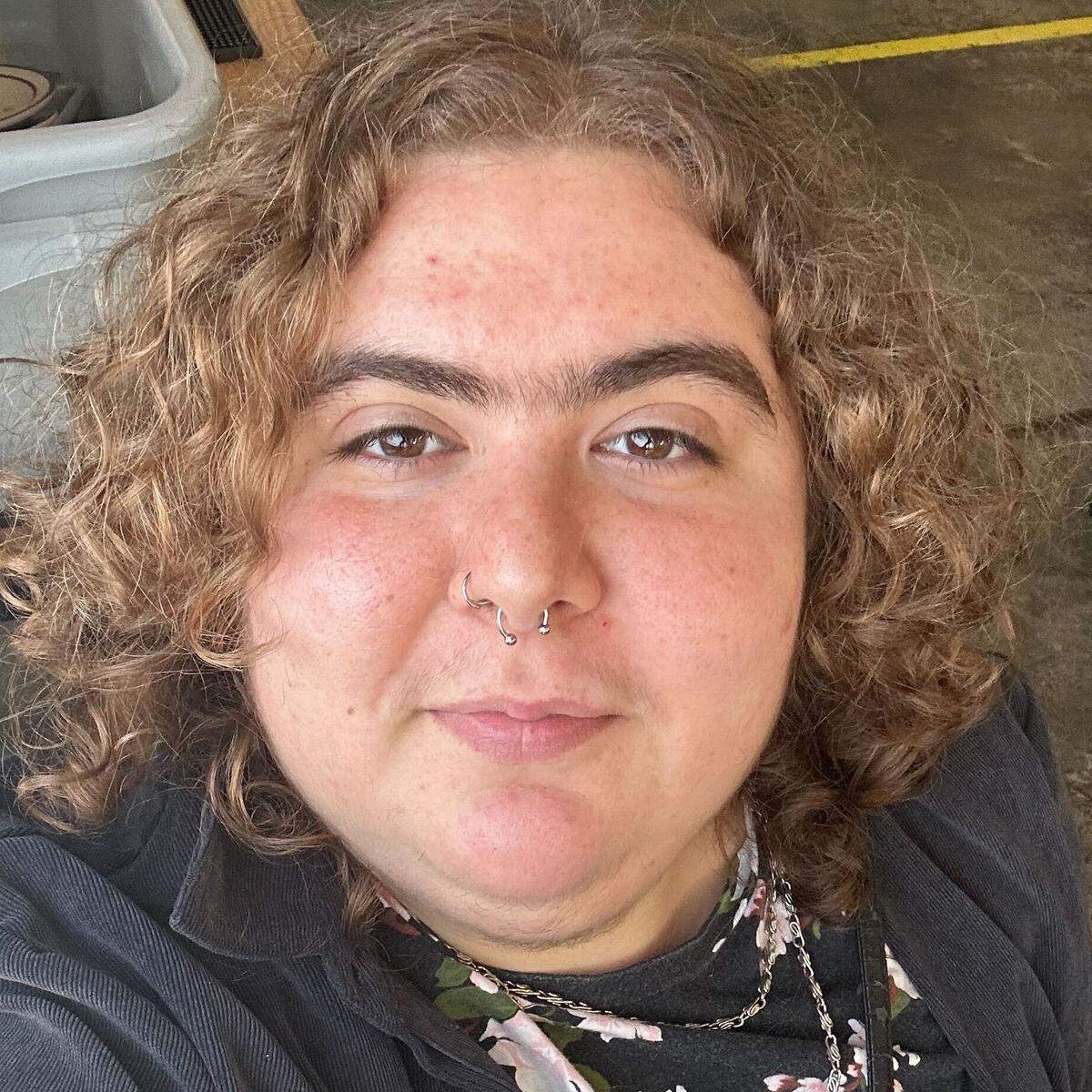
Horn is the current student body president at the University of Missouri-Kansas City, where he is working on a graduate degree while serving on multiple county committees and boards. He has been publicly campaigning for a seat on the Jackson County Legislature in the next legislative election, challenging current First District At-Large Representative Jalen Anderson.
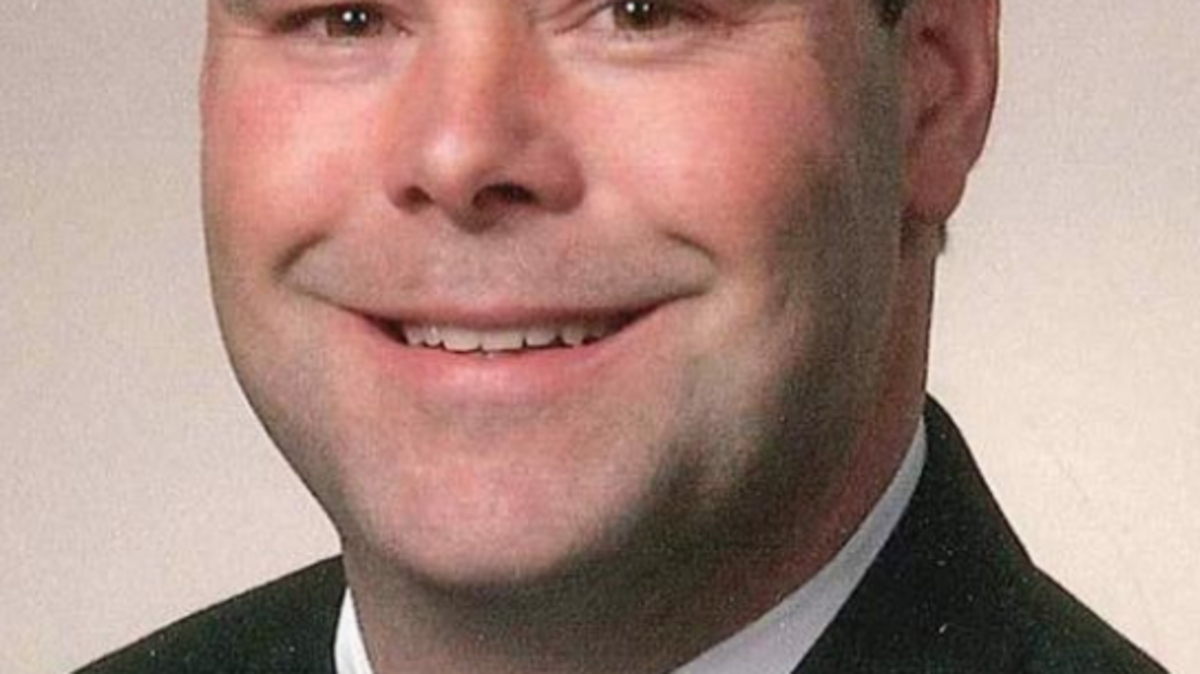
Tarwater is a former Jackson County legislator who represented the 4th District on the legislature for 28 years before unsuccessfully running for Kansas City Council in 2023, losing to 6th District Councilmember Johnathan Duncan. During his last race, Tarwater was endorsed by organizations including Freedom Inc., the Fraternal Order of Police and the Greater Kansas City Building and Construction Trades.
LeVota, an attorney, formerly chaired the Jackson County Democratic Party. Alongside the Urban Council, he was active in calling for White’s resignation and previously told The Star that he had been “approached by many people” during the recall process to campaign for interim county executive.
The Urban Summit also invited current legislators DaRon McGee and Charlie Franklin, both of whom had indicated they would accept a nomination as interim county executive, to attend Friday. Both legislators declined, Horn wrote on social media Friday. McGee later sent a statement saying he is removing himself from the running for interim county executive.
White previously named LeVota and Tarwater as potential candidates for temporary county executive, along with McGee and Manny Abarca IV. Abarca has said he will not seek nomination.
Stadium stances
All three candidates at Friday’s forum indicated that they would be willing to take steps to keep both the Chiefs and Royals in Jackson County if possible - and hinted that the Royals might be more likely than the Chiefs to move away from the Truman Sports Complex.
Both teams are currently contemplating moves away from Arrowhead and Kauffman stadiums, inspiring an escalating financial “border war” between Kansas and Missouri on both the state and local levels. Temporary County Executive Kay Barnes said this week that she hopes to see the Chiefs stay at Arrowhead but would support moving the Royals to a new site in downtown Kansas City at Washington Square Park, near Union Station.
“The Royals are the ones that want to move,” Tarwater said. “The Chiefs are in a situation where they don’t necessarily want to move, but they do want the Royals out.
They cannot build a stadium like they have right now, so I fully assume that that would stay there. The Royals are going to move somewhere, and that’s because they have new ownership.”
Tarwater said that the interim county executive needed to look for ways to “be protecting the Royals and Chiefs.” He said if one of the teams did move to Washington Square Park or elsewhere in Jackson County, he’s confident that he would be able to negotiate a strong community benefit agreement as interim county executive.
LeVota also said he would work to keep the teams in the county if he were interim county executive. He said that he would support keeping the Chiefs at Arrowhead and moving the Royals downtown, but only if the teams could prove that a downtown site would be a “good fit” for the community.
“I’m positively optimistic that they still want to be Jackson County teams,” LeVota said. “And they have not had a team or leadership to bring the community together… we have to remember that in any new plan developing, our partners in state, city, county and the teams have to be transparent.”
Horn, however, pushed back on relocating either stadium downtown, expressing concerns for residents and business owners located near any potential site.
“If that’s where people want to move, then so be it,” Horn said. “But my only focus would be making sure our taxpayers, our residents, have a strong return on investment.”
Financial fixes
All three candidates agreed that White’s recall demonstrated that residents and legislators want to communicate more directly with the office of the county executive, and pledged to lean in.
Tarwater said that he would hope to have an “open-door policy,” criticizing White for maintaining some distance from day-to-day activities of the legislature.
LeVota agreed but said he would hope for legislators to also buy into a more collaborative approach to county government.
“We’ve had a dysfunctional legislature,” LeVota said. “They’re not getting along. I’m hopeful that this is a reset for them also.”
Horn, Tarwater and LeVota acknowledged that residents were dissatisfied with the way property tax values were calculated in recent years and indicated that this was a factor in White’s recall.
Tarwater said that his own strategy would be to attempt to freeze property tax rates for the next two years in order to give the Board of Equalization time to work through the current backlog of active appeals. As of Friday, at least 289 appeals from either 2023, 2024 or 2025 still have not been addressed, he said.
Horn also suggested a two-year property tax freeze, which he says would help Black and brown communities and other historically marginalized residents maintain generational wealth in the form of home ownership.
LeVota also said he would prioritize property tax reform. He proposed rolling back Jackson County property values to 2022 levels, then focusing on working with the state to implement a potential cap on increases in the value of commercial properties.
Though residential tax issues dominated the 2023 cycle, commercial values were a major concern for small business owners in and around Kansas City this year.
“We need to make these changes immediately, because you have businesses that are ready to move back over to Kansas and get out of Jackson County,” Tarwater said. “That’s bad for all of us, because our tax base is the lifeblood for all of the community.=”
Trust in assessment
Creating a long-term fix to property tax concerns will require the county executive seat to have a closer working relationship with the legislature, Tarwater said. All three candidates referenced a perceived lack of public trust in the office of County Assessor Gail McCann Beatty, who was appointed by White under the Jackson County charter.
“We need new people involved, because one of the problems wasn’t just the assessment, but it’s how the people were dealt with when they were trying to appeal it,” LeVota said. “They had no response from county government, and they were so frustrated.”
A ballot measure this November will ask Jackson County voters whether they want to switch to electing the county assessor directly. However, Tarwater and LeVota said that building public trust in the assessment process will be a long-term project, with the upcoming interim county executive having a short-term impact.
“One person cannot solve this,” Tarwater said. “Working together, we can do this, and we can make this so that the county government works again.”
Horn and LeVota also proposed prioritizing the release of more than $70 million in ARPA funding, which was committed to various county organizations and construction projects but not disbursed during White’s administration. Horn said if appointed, he would want to reapportion the funding into $10 million ‘microgrants’ for seven priority areas including utility assistance and services for unhoused residents.
Term length
All three interim county executive hopefuls said Friday that they don’t plan to run for the next full-length term in 2026.
For the Urban Summit, this isn’t enough. Grant called on Horn, LeVota and Tarwater to sign a public-facing document pledging not to run for county executive, even if they are urged to do so by any supporters that the temporary county executive accrues over the next year.
Grant acknowledged that the pledge would not be legally binding but called on the candidates to make a promise to potential constituents anyway.
“It’s just a sign, a statement of what you won’t do,” Grant said, addressing the candidates. “If you change your mind, we have no redress for that… maybe you’ll like the taste of power in that seat.”
Tarwater noted that he expects the interim county executive to occupy 50 to 60 hours a week for whoever is appointed. This wouldn’t leave enough free time to run a full election campaign, impeding either the campaign or the job beyond reproach, Tarwater said.
Friday afternoon, Horn was the first to sign an affidavit pledging to voters that he would not run for county executive in 2026 if he were appointed interim county executive this month.