In last push before recall vote, Frank White says his replacements would be worse
Days before he could be recalled in an unprecedented special election in Jackson County, County Executive Frank White Jr. says he’s worried about the fate of county leadership if he’s removed — and is holding tight to his own integrity during a process he claims has been marred by misinformation.
White, a Democrat and former Hall of Fame-awarded Royals player, has been county executive since 2016. Next week, his term could end a year early if a majority of voters in a $2 million special recall election opt to remove him from office.
The embattled county executive, previously tight-lipped about county disputes and criticisms of his actions, has started talking more in public in the final days before votes are tallied. He recently appeared on the radio and at a town hall co-organized by Kansas City PBS and the KC Public Library.
“We’ve been getting out in the community a little bit more, talking to folks and kind of giving the people a general idea of what’s going on, what they can expect,” White said.
As Tuesday’s vote looms, White told The Star that he harbors serious concerns about the character of some of the candidates who could possibly replace him, some of whom he has had public-facing and heated disagreements with for years.
White wants voters to know his take on the matter: If you think I’m bad, the people who could replace me would be worse.
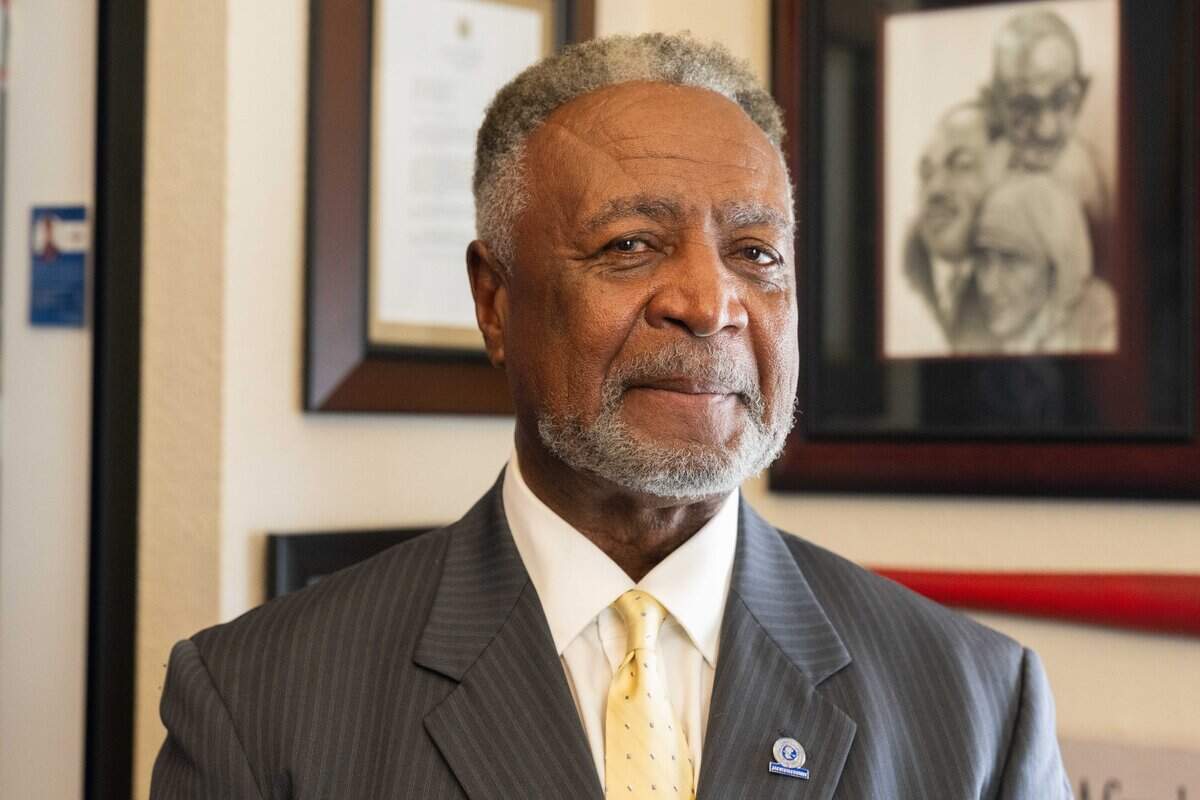
“I’m worried about everything,” White said. “I’m worried about the infrastructure of this county. I’m worried about this building. I’m worried about the working conditions for the associates of the county.”
If White is recalled, his temporary replacement will be appointed by either the county legislature or a Jackson County judge. Whether or not he is recalled, a new county executive will be elected in 2026, with the temporary replacement eligible to run for a full term at that point.
Sitting down with The Star ahead of the election, White said he feels the recall is taking place in a much different Jackson County than the one he inherited 10 years ago when his predecessor Mike Sanders resigned and went to federal prison.
Jackson County is growing, White said. It’s more international, more cosmopolitan, and the leaders of its 18 cities interact more frequently.
At the same time, White said, he feels that relations between Kansas City and the eastern portion of Jackson County have become more distant, while communications between the legislative and executive branches of county government have become more strained.
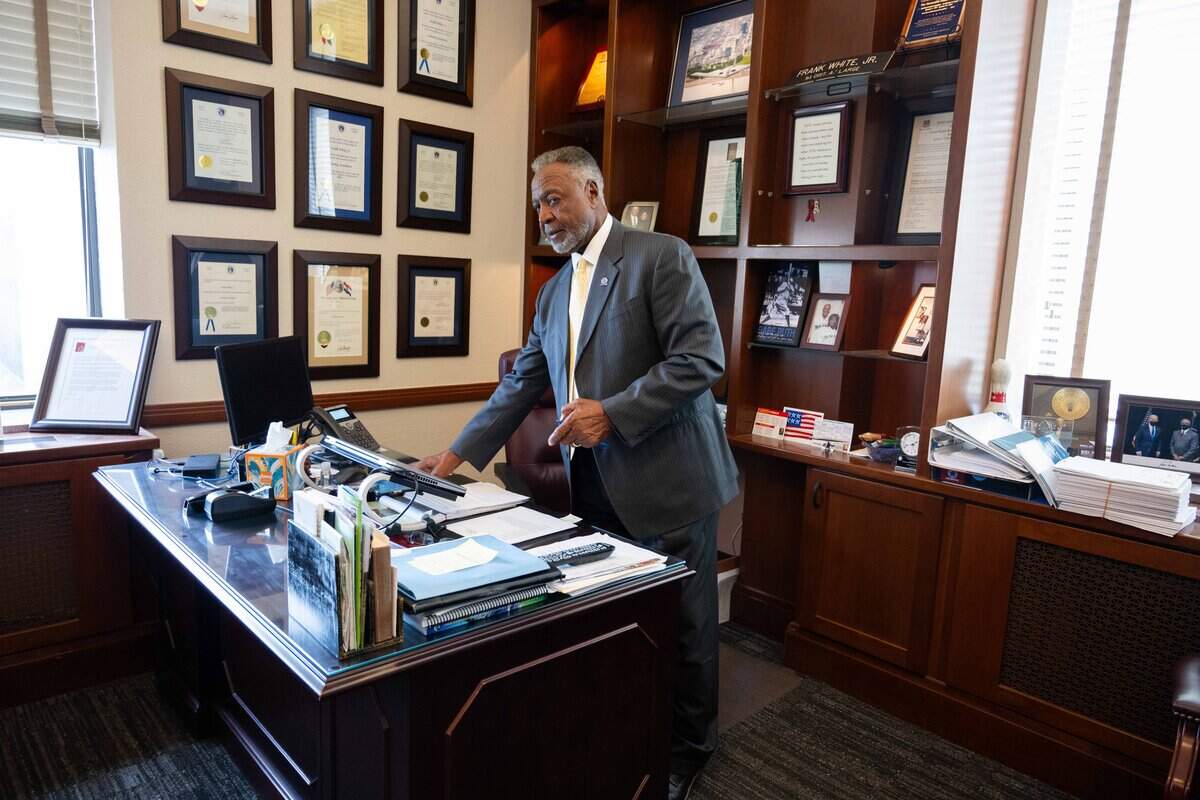
“Since I’ve been in this office, everything the legislature has done has been to weaken the county executive office,” White said.
Tuesday’s recall election, he said, could open the door for further division.
Behind the recall?
The effort to recall White began in earnest two years ago with eastern Jackson County residents collecting signatures, many frustrated over spiking residential property values and what they deemed the county’s mishandling of the reassessment process.
Under the Jackson County Charter, residents would need to collect just under 43,000 votes — representing 20% of the initial vote total to re-elect White in 2022 — in order to trigger a special recall election.
The recall effort was significantly bolstered by Democracy in Action, a political action group which collected about half of the necessary signatures, spending more than $30,000 in the process. Democracy in Action is considered a “dark money” group because its funding sources are not publicly disclosed, which supporters have said is intended to protect donors from harassment.
White maintains that the recall was financially motivated by the PAC’s members — who he says hail from both sides of the state line — in order to bring another elected official into power who might be more willing to allocate additional funds to keep the Kansas City Chiefs and Royals stadiums in Jackson County.
White told The Star that the recall effort didn’t seriously concern him until April 2024, when White publicly opposed a ballot measure that failed but if passed would have helped pay for a new Royals ballpark and renovations for Chiefs.
“[The recall] was pretty much dead in the water until the Chiefs election and Royals election, the tax going on the ballot,” White said. “After that tax failed, then everyone said it was Frank White’s fault.”
Stadiums on the line?
So far, future stadium funding debates have inspired a “border war” between the Kansas and Missouri state legislatures, with both states offering incentives and proposing potential new stadium sites outside of Jackson County.
Over the summer, White sent a letter to the teams indicating that he would support a county sales tax, but only if a portion of the revenue it generated was reserved for projects outside of the stadiums.
“I really believe [investors] can build the stadium on their own if they choose to, but the taxpayers of Jackson County have always been willing to help them out,” White said. “And what I want to do is get a reasonable agreement with them that will benefit everybody.”
White told The Star that if he is recalled, he expects a new ballot measure to show up before Jackson County voters in April, proposing some sort of new allocation of public funding toward the teams to incentivize them to stay in their current stadiums at the Truman Sports Complex.
Since a temporary interim executive would be appointed without having to win an election, White said he sees the recall as a strategy for potential interested parties to advance a stadiums plan without having to maintain financial accountability to voters.
“Hostile” environment concerns
In the weeks leading up to the recall election, several members of the Jackson County Legislature have openly supported recalling White or publicly encouraged him to resign.
White has responded with concerns of his own, repeatedly alleging that legislators Manny Abarca, Sean Smith and DaRon McGee — among others — have approached both the recall and their larger jobs with poor character and “bullying” tactics.
“My biggest concern is Manny Abarca or DaRon McGee being appointed to this seat,” White said. “Because I don’t think they’ve earned the right to be in this seat based on their character and their backgrounds.”
White told The Star that he feels Abarca and McGee are out of touch with the needs and daily lives of Jackson County voters located east of city limits.
White also said that he is concerned about both Abarca and McGee’s conduct toward county staffers, especially women. The Star recently obtained a copy of a cease and desist letter sent by an attorney on behalf of three female county officials to Abarca, alleging that he threatened to push them out of office if White is recalled and threatening further legal action if alleged slanderous behavior continues.
White said he worries that long-standing county employees will continue to be targeted in similar ways if he is recalled. Some executive office staffers have also begun to decline to attend legislative meetings, White said, in order to avoid what he describes as a “hostile” environment.
“The way that [Abarca] is allowed to embarrass our directors when they enter meetings, the way he’s allowed to get out of control, there’s no real guidance from the chair of the legislature,” White said. “There’s no control in the building.”
Legislators respond
In a statement to The Star Friday afternoon, Abarca said that he is not seeking appointment as county executive and alleged that White has consistently refused to take phone calls or meetings with him leading up to Election Day.
“When it comes to candidates prepared to serve, I would say I have an arguably dramatically more prepared position than Frank White ever had,” Abarca said. “All that being said, I am not seeking an internal appointment for County Executive.”
“I have led my efforts of accountability for Jackson County as I said I would during my campaign,” Abarca said. “Frank White would like to be a dictator. Unfortunately, early on it became evidently clear that it was Frank’s way or no way. The irony of his characterization of my actions in the legislature are indicative only of that very ‘crybaby syndrome’ he talks about from me.”
McGee declined to speak directly to whether he would seek appointment as temporary county executive but said that his record as two-time chairman of the legislature speaks for itself, in a statement to The Star on Friday. He referred to the recall process as a “job evaluation” of White’s performance, reflecting what he called a “deep frustration” among residents.
“My focus is where it should be: standing up for taxpayers and working to fix the systems residents depend on,” McGee said. “His latest attempt to smear my character is false, beneath the office he holds, and a desperate attempt to distract from his record before the recall vote.”
Smith told The Star Friday afternoon that he is “unaware of any concerns about [his] character” and that he fully expects White to be recalled on Tuesday. Smith said he hopes that a vote to recall Frank would provide voters and taxpayers “some measure of justice” for those who were “incompetently over-assessed and then denied due process, resulting in over-taxing them.”
“It appears Mr. White wants to do as much damage as possible on his way out the door,” Smith told The Star. “...I wish him well in his future endeavors and look forward to working with a new executive to fix the mess Mr. White has created.”
Abarca and Smith have also accused White of acting disrespectfully toward the legislature, namely by declining to attend the majority of the body’s meetings. White argues that participation in the body’s weekly meetings are not part of the county executive role.
Property tax debacle
White contends that he’s been unfairly scapegoated for county disputes including over federal funding allocations, residential and commercial property valuations and the 2025 budget freeze.
Facing public outcry at times the past several weeks, White said, made him feel that the role of the county executive is widely misunderstood among Jackson County residents.
White said that if he is not recalled, he hopes to work more directly with the Missouri State Tax Commission to improve procedures for property valuation cycles in the future.
He emphasized that he is not directly involved in setting either property values or tax levies within Jackson County.
However, he said, he feels he has been blamed directly by residents who were shocked to receive high valuations for their residential or commercial properties, especially as Election Day nears.
“I think that process is broken and needs to be fixed,” White said. “We have a system where you can’t make changes at the county level… you want to be accountable for the things you can control, but you don’t want to be accountable for things you can’t control.”
Federal money and budget freeze
White has also been slammed for declining to allocate $70 million in federal funding through the American Rescue Plan Act to various nonprofit agencies across the county. He told The Star that the funds had already been allocated for infrastructure projects but that some legislators had allegedly double-promised them to other organizations.
“The whole scheme of that deal was to say, ‘Well, I’ll try to give it to you, but the county executive wouldn’t give it to you,’ which was very false, another misleading situation,” White said.
The embattled county executive faced similar criticism about a six-month freeze on the 2025 county budget, which he vetoed in its entirety in January after legislators passed it 5-4 on December 31. White says he found the veto necessary to stop significant proposed salary cuts and reorganization of legislative duties, among other concerns.
However, the move drew fire from legislators, nonprofit leaders and the Urban Council, a coalition of civil rights organizations in the Kansas City area affiliated with the Urban Summit.
Building a legacy
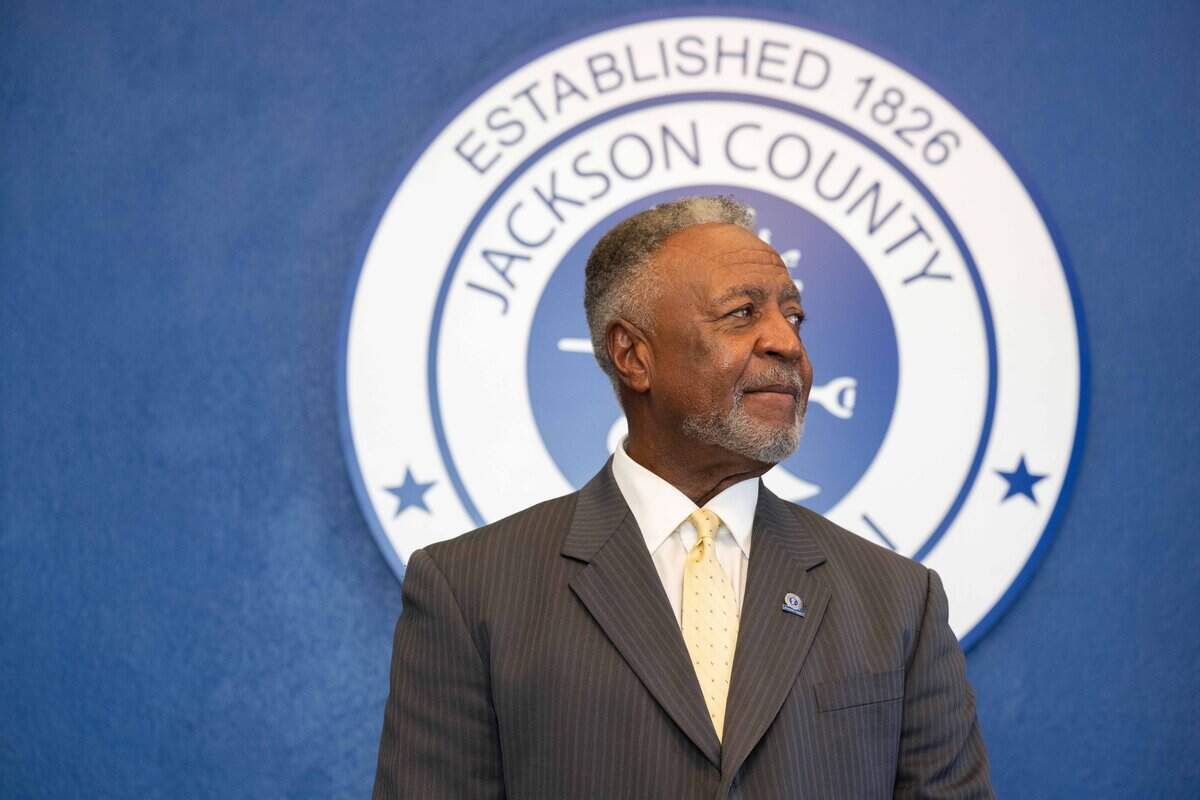
All in all, White said that during his tenure as county executive, he feels he has been able to enact direct change in the form of countywide health programs and infrastructure improvements.
He said he’s worried about what projects his successor may choose to dismantle, neglect or ignore.
“When you have a change, you run the risk of losing all your programs,” White said. “It’s very rare that the next person will take up where you are and keep your programs going. They want to probably put their own mark on things. So potentially, everything could change.”
White is credited with spearheading the Healthy Jackson County program, which launched in 2021 in partnership with the University of Missouri-Kansas City, University Health and Children’s Mercy Hospital. The program initially focused on bringing COVID-19 vaccines to residents on the east side of Kansas City.
Now countywide and focused on addressing health care inequities for Black residents and other historically marginalized groups in Kansas City, the program also includes preventative health care screenings, including blood pressure tests, diabetes intervention and dental education.
White says it has been one of his greatest points of pride as county executive, along with improving the county courthouse, health department and detention facilities.
“We were able to discover if there were other medical inequities that are out there that our citizens weren’t able to take care of or take advantage of,” White said. “Hypertension, diabetes, STIs, infant mortality - things that, from a standpoint, you have no control over your health care.”
The county executive says he stands by his conduct over the decade he spent in county leadership.
“I’m a reputable person, and I have always been associated with professionalism and with class and integrity,” White said. “Integrity, to me, is everything. I would rather have that than the job - but I think that is my biggest concern…who’s next? What’s next?”
Next for White
White has said that he will not run for county executive again in 2026, citing health concerns during recovery from a kidney cancer diagnosis.
He told The Star that he doesn’t have a candidate in mind to replace him in 2026, but would consider making a public endorsement if a frontrunner emerged that aligned with his values.
Kansas City attorney Stacy Lake, a Democrat who ran for county executive in 2022 but lost to White in the primaries, has already indicated she will run for the seat.
The Beacon also reported this week that former legislator Dan Tarwater, and Phil LeVota, former chair of the Jackson County Democratic Party, have both expressed interest in the position.
Tarwater was not immediately available for comment. LeVota told The Star Friday that he “may consider” submitting his name for interim county executive but would not run for the permanent seat in 2026. He said that he has been “approached by many people” encouraging him to put himself forth for consideration but that he knows the temporary county executive “is going to inherit a lot of problems.”
“I think that is what has been appealing about me to people looking for candidates to find someone that will commit to only serve the interim and be able to jump in and fix some of the problems without trying to grandstand, grab political headlines and using the incumbency as leverage to run for the full term,” LeVota told The Star. “But I am at this time waiting to see the results of the recall election before I finally decide and before I would start lobbying county legislators for support.”
White says that if he is recalled, he will be proud to have demonstrated an ability to endure.
White is Jackson County’s first Black county executive and appointed the county’s first Black sheriff, and said he hopes to continue serving as an inspiration for Black youth hoping to get involved in what he describes as an increasingly hostile environment for Black political leaders.
“The biggest thing I’m proud of is the fact that I survived this long,” White said. “I came in when there was so much, so many areas of the county that were neglected and weren’t maintained over the years.”