Lenexa officer returned to work amid probe into June shooting of Grandview man
A Lenexa officer who fatally shot a Grandview man in June is back at work, even though the Johnson County District Attorney hasn’t said yet whether he’ll file charges.
A second police officer, who was also on scene that morning, was back on the job months ago, said Officer Danny Chavez, a Lenexa police spokesperson.
“The officer who discharged their firearm is working in a modified duty capacity (non-patrol) and will continue to do so until the DA provides their ruling,” Chavez said in an email to The Star. “The second officer involved in this incident, who did not discharge their weapon, returned to regular duty a week or so after this incident.”
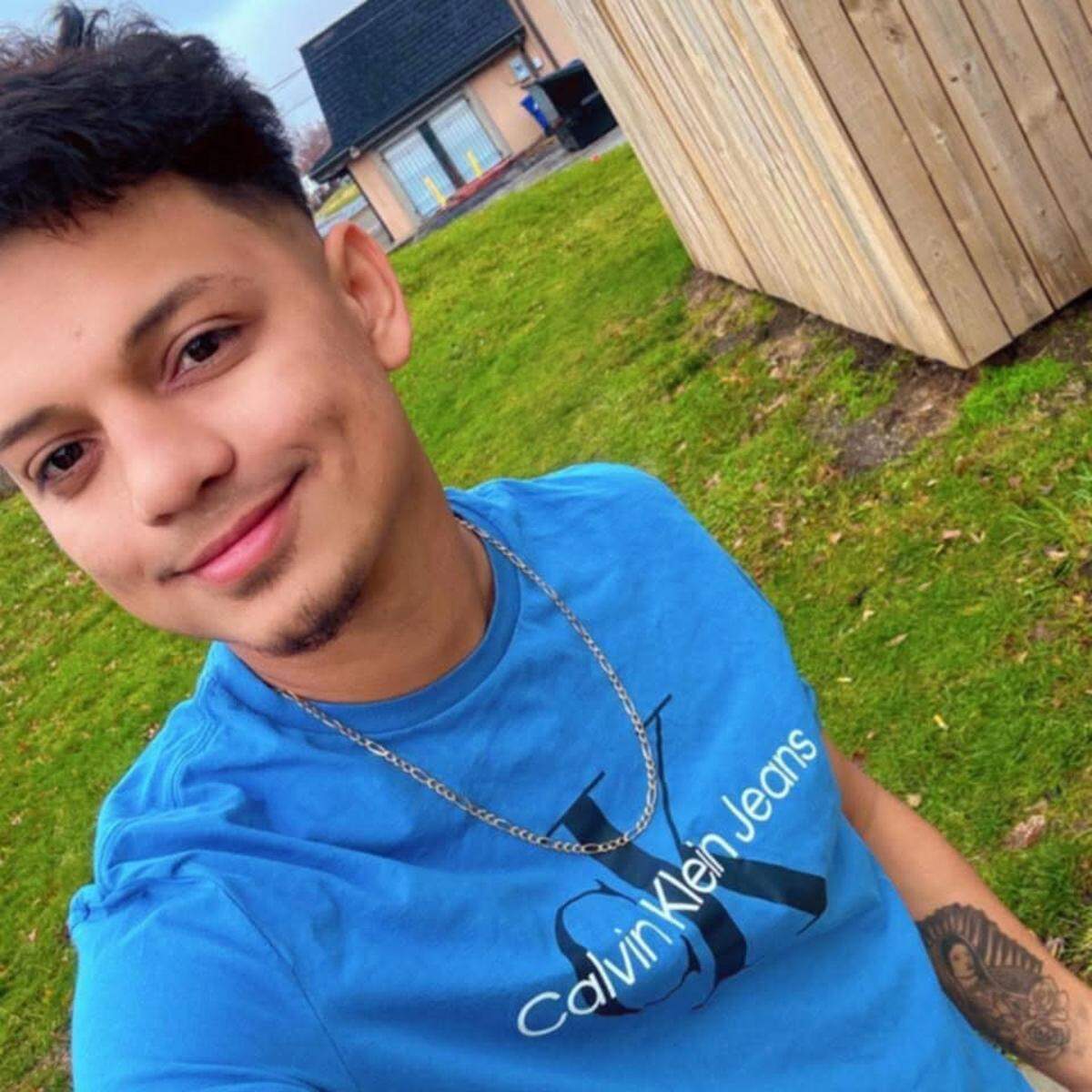
Police have shared little about what transpired in the early morning hours of June 22 when Jose Enrique Cartagena Chacon, 25, was killed. No details have been released about what specifically led up to the shooting outside the Lenexa Crossing Apartment Homes, in the 12400 block of West 97th Terrace.
It isn’t unusual for an officer involved in a fatal shooting to go back on the job before a charging decision is made, said Lauren Bonds, executive director of the National Police Accountability Project. But it doesn’t send the best message, she said.
“It communicates to the public that the investigation is just a formality and the department is not serious about holding the officer involved accountable,” Bonds said.
Having an officer wait to return to work, until after a prosecutor has made a decision, would help “protect the integrity of the investigation and the appearance of the integrity of an investigation,” Bonds said. “Additionally, it is important for public trust in the department.
“Keeping the officer away from work until an investigation is completed makes clear to the public that officers are going to respect the prosecutor’s decision and care about whether they engaged in criminal conduct.”
What’s known about shooting
Officers were called to the Lenexa apartment complex around 3 a.m. June 22 after a report of a disturbance involving someone with a gun.
Once police arrived at the complex, they located an individual inside a parked vehicle near the pool/clubhouse area, an initial release from authorities said. It is not clear who called 911 and why.
During the encounter with Chacon, police said early on that “at least one Lenexa officer discharged their firearm, striking the individual.” Chacon was transported by Johnson County Med-Act to a nearby hospital and was later pronounced dead, police said.
The 25-year-old man, who was known by many as Enrique, lived with relatives in Grandview. Police knocked on the family’s door around 7 that morning to tell them that Chacon had been shot. The shooting has been investigated by the Johnson County Officer Involved Critical Incident Investigative Team, and the Olathe Police Department served as the host agency.
It isn’t clear when Steve Howe, Johnson County District Attorney, received the case or when he will make his decision on whether charges will be filed. Howe didn’t immediately respond to an email from The Star.
Will public ever see body camera footage?
In early July, the ACLU of Kansas called for the “immediate release” of the body camera footage from the June 22 shooting. The release, the nonprofit said, would allow for transparency and accountability.
“This tragedy cannot be ignored and police violence can not remain unchecked in Kansas,” the ACLU posted on social media.
In Kansas, body camera footage is considered a criminal investigation record. Under state law, that classification gives police departments or other public officials like district attorneys broad discretion in deciding whether the recordings get released or stay shielded from public view, even after a case is closed.
The law, though, says that a police agency “shall allow” certain relatives to view the footage within 20 days of a request. Relatives of the Grandview man did get to see the footage last month.
For years, advocates for police accountability have argued that the public in Kansas should be able to see body camera footage.
Bonds said it’s important that the public at some point is able to view the footage to see what happened.
“Particularly once an investigation is completed,” Bonds said. “The public should know whether the officers, whose salaries they are paying with their tax dollars, are using appropriate force.”