Kris Kobach’s criticism prompts Johnson County to delay public safety tax vote
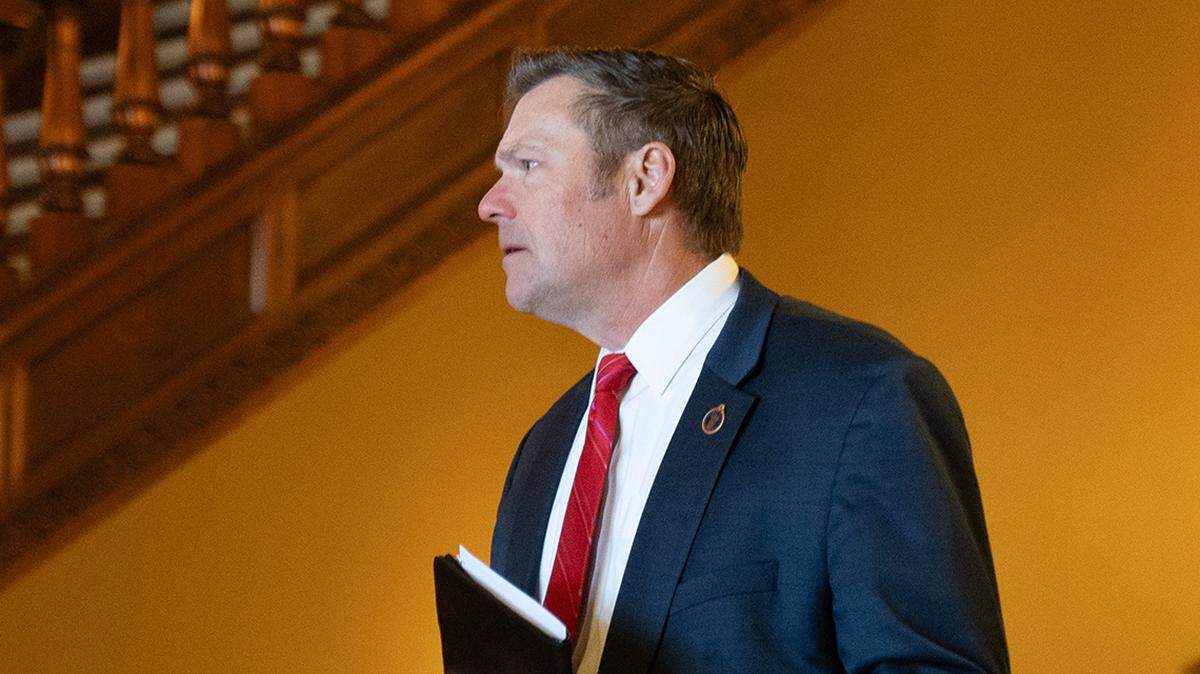
In light of a recently published opinion by Kansas Attorney General Kris Kobach, Johnson County will modify the language of its public safety sales tax ballot question, seek guidance from the court and move the vote from November to March.
“I think it’s important that we remain committed to providing suitable public safety funding for our rapidly growing and aging population,” Johnson County Board of Commissioners Chair Mike Kelly told The Star. “We want Johnson Countians to feel confident that when we’re asking them to vote on something that it’s not only necessary and critical, but that it’s legal and legitimate.”
In Kobach’s opinion, the attorney general claimed that the commissioners acted beyond their authority when they approved a November ballot question to renew the county’s existing public safety sales tax because it goes beyond what Kansas law intended such a tax to be used for.
Specifically, Kobach said that mental health and emergency services do not qualify as public safety projects.
“The attorney general doesn’t think that calling 911 or having an ambulance show up at your house to deliver life-saving care or a mental health corresponder counts as public safety,” Kelly said during today’s meeting, which discussed the opinion in executive session. “I strongly disagree with that. It’s also not his decision to make.”
Kobach’s opinion is not legally binding. It’s his interpretation of state law issued in response to questions from lawmakers — in this case, from Sen. Mike Thompson, a Shawnee Republican. But the county decided to take another look at its ballot language in the context of the law Kobach cited to try and prevent any potential legal challenges in the future.
“When we determined the timeline of the sales tax language that we approved back in May of this year, we made sure to give ourselves a cushion, knowing that the public safety sales tax doesn’t expire until March of 2027,” Kelly said. “Luckily, that does give us time to seek clarity from the court on these issues and still return to the ballot in March 2026 to let the voters decide.”
With the commissioners’ approval, Johnson County’s legal team will begin preparing the declaratory judgement immediately, and the board will vote on a modified resolution for the ballot question next Thursday. What the language will look like is unclear, but it will include shifting the vote from the Nov. 5 general election to a March 2026 special election.
An ‘attack’ on local government
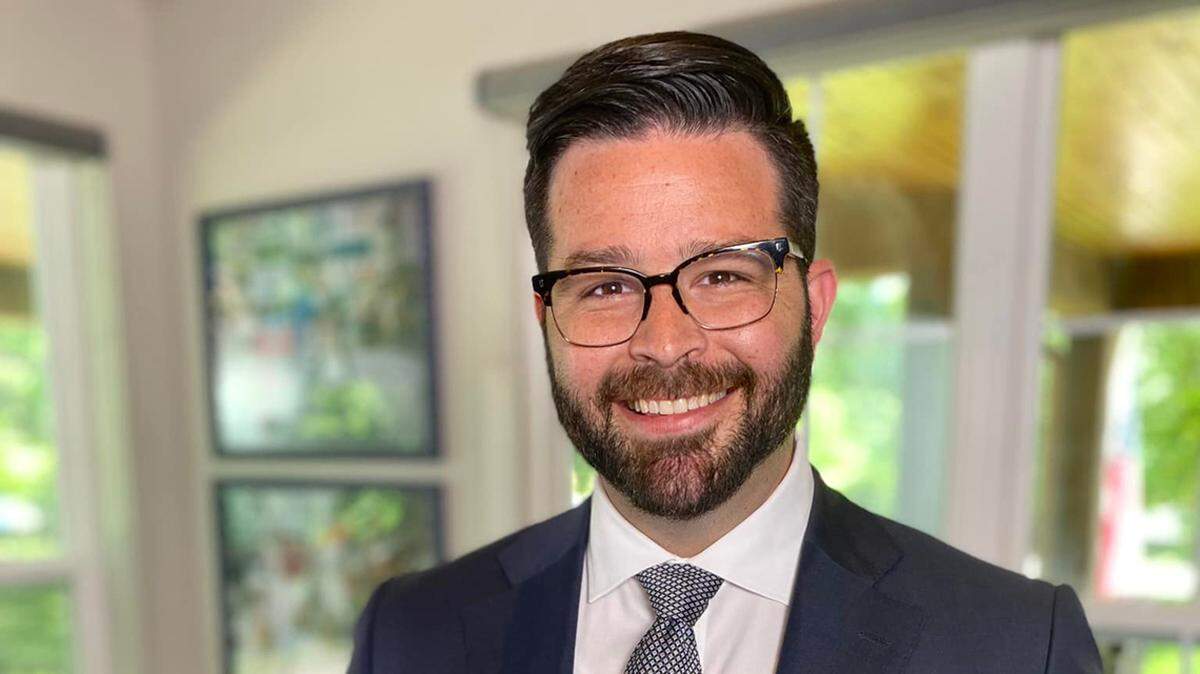
During his comments at today’s board hearing, Kelly called Kobach’s move “an attack on responsive and responsible local government.”
“I think it’s a direct attack on voter approved investments and a further erosion on local control from the state,” Kelly said.
In a follow-up interview, Kelly said that the state has continued to take away funding opportunities – like mortgage license fees, personal property tax and commercial equipment funds – from counties and cities to fund their local governments.
“Those erosions leave, really, residential property taxes as the only major source of revenue that’s available for these local governments, and that is counter to the will of the people not only in Johnson County, but the state of Kansas,” Kelly said.
As rising property taxes continue to impact residents, local leaders have worked with members of the State Legislature to find a solution. But at the same time, the county needs to be able to fund state-mandated services like public safety, he said.
“We are the arm of the state that provides crucial public safety services and social support services,” Kelly said. “We need to be able to fund those at a level that meets not only the desires, but the expectations of the people of Johnson County, and we won’t sacrifice these crucial services that Johnson Countians continue to tell us they appreciate and desire.”
The sales tax and Kobach’s claims
The Johnson County Public Safety Sales tax is a quarter-cent sales tax that paid for the construction of the courthouse and medical examiner’s facility at the county level, and that various cities within the county have used to pay for police vehicles, mental health co-responders and facility improvements.
According to the county’s information page about the tax, 64% of what’s generated goes to the county and 36% goes to cities.
With a March 2027 expiration date around the corner, the commissioners proposed to extend the tax and put the money toward an expanded set of projects – including emergency medical services, mental health and crisis intervention, among others.
The commissioners wanted the sales tax question on the ballot to help the county keep up with its population growth, the rising number of mental health-related calls, and emergency service calls as the population gets older, according to its information page.
But Kobach claims that the Kansas statute that allows the board to seek a sales tax renewal can only fund “physical facilities directly related to law enforcement and necessary related programs.”
Chair Kelly said he believes it’s more nuanced than that.
“Public safety isn’t just a cop with a gun and a badge. It’s MedACT, it is EMS, it’s mental health corresponders. It’s meeting every challenge every time with the best public service possible,” Kelly said.
This story was originally published July 24, 2025 at 5:08 PM.