Johnson County resident moves lawsuit over City Hall project to federal court
Editor’s note: This story was updated from its original version to reflect that after dismissing his initial lawsuit, Vianello refiled in federal court.
A recent lawsuit against Prairie Village is now moving to the federal level.
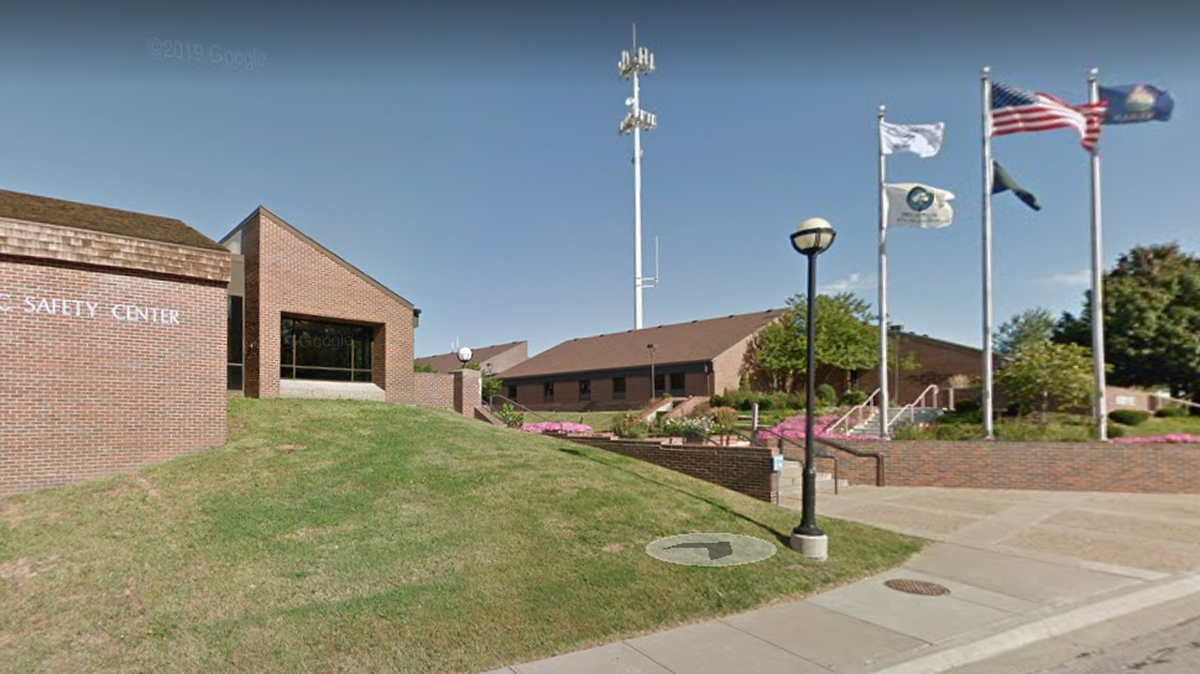
In late June, Prairie Village resident Marc Vianello filed the lawsuit in Johnson County District Court against Prairie Village shortly after its City Council approved a project to build a new City Hall and renovate its current municipal complex. The project has been in discussion for years and has become the latest to cause uproar among residents in the northeast Johnson County city.
Vianello’s complaint was filed in the U.S. District Court for the District of Kansas yesterday.
“We voluntarily dismissed the case in Johnson County District Court pursuant to the Kansas Rules of Civil Procedure and refiled in federal court because we have identified federal court questions that provide the US District Court for the District of Kansas with jurisdiction,” Fritz Edmunds, Vianello’s attorney, said in a written statement.
The City Hall project Vianello opposes calls for the Prairie Village to issue nearly $30 million in general obligation bonds to fund the construction and renovations. Once the bonds are issued, the city will commit to paying them off in a 30-year period.
In order to take this action, Prairie Village has an ordinance that allows the city to finance a broad array of public improvements through general obligation bonds without voter approval — known as Charter Ordinance 28.
In his initial lawsuit, Vianello claimed that the local ordinance violates the Kansas constitution and statutory requirements for a bond election. The lawsuit also claimed that the city’s previous reliance on the ordinance for other projects was illegal.
“Filing in federal court will further delay the ability for a judge to determine the validity of the challenge and is likely to further delay the issuance of bonds,” a Prairie Village spokesperson said in a statement. “Prairie Village has followed the same lawful process that Kansas cities have used for decades to invest in critical infrastructure. The city will continue to defend its right to govern local affairs under home rule and, accordingly, will be renewing its motion to dismiss this new duplicated suit.”
Motion to dismiss
Earlier this month, Prairie Village filed a motion to dismiss the recent lawsuit and asked the court to expedite the hearing because of the “potential for losses due to fluctuating bond rates and increased construction costs,” City Administrator Wes Jordan said in a statement.
“If (Prairie Village) is prevented from issuing the bonds under present market conditions, which were contemplated when preparing to issue the bonds, volatility could result in tremendous increased costs,” the documents read. “Even a small fluctuation of one-hundredth of a percent (0.01%) could increase the cost of issuing the bonds by $20,000.”
In the recent statement regarding the federal filing, a Prairie Village spokesperson said that delays to the project resulting from this additional lawsuit are estimated to increase the project cost by $125,000 or more per month it is delayed.
In order to move forward with the approved project, the city must show a “non-litigation certificate,” which indicates that there isn’t pending litigation that would affect the issuance of the bonds.
“Allowing one unhappy taxpayer to stop a city from moving forward on an affirmative vote could halt all government initiatives, tying them up for potentially years of litigation,” court documents read.
Other cases reaching higher levels
This isn’t the first time the city has seen lawsuits reach the federal level. While Vianello’s case was just beginning, another case saw its end in the state’s highest court.
Earlier this month, The Kansas Supreme Court declined to hear about three controversial petitions around the city’s zoning laws and requests to change the city’s form of government.
The decision will ultimately allow one question to appear on the November 2025 ballot: “Shall the City of Prairie Village, Kansas, abandon the mayor-council form of government?”
The petition does not propose an alternative form of government. If the abandonment petition is approved by voters, Kansas law requires a city to continue operating its form of government until a new form is adopted.
Regarding the City Hall project, the Prairie Village City Council needs to approve issuing the bonds before anything can move forward. Prior to the lawsuit, staff anticipated that the council would consider bids during its August 4 meeting and award construction contracts in October. As of July 17, city staff is unsure of how this lawsuit will impact the project’s timeline.
This story was originally published July 17, 2025 at 2:34 PM.