Prairie Village moves forward with latest project that has divided residents
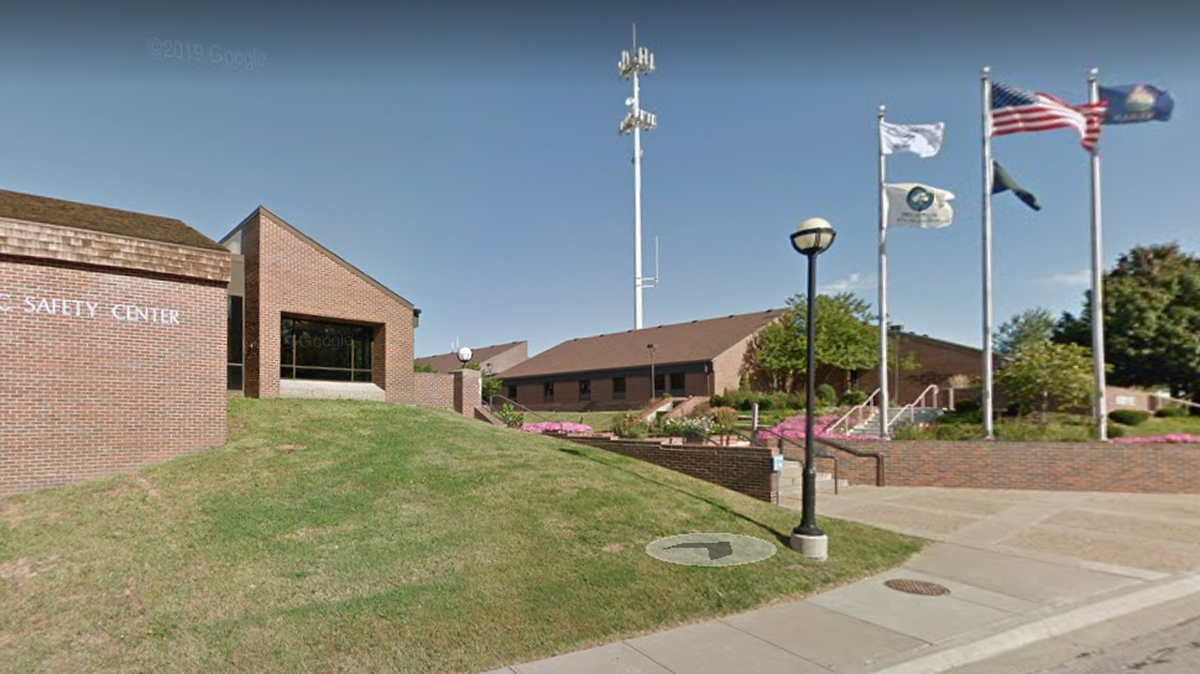
After a three-and-a-half hour meeting, the Prairie Village City Council approved a proposal to build a new city hall — but not without some resistance.
As Prairie Village has expanded, the city workforce has outgrown its buildings — with employees working out of former closets, residents standing in the hallways for public meetings and the police department running out of evidence storage space.
Both city and police staff say this will be an improvement to their workplace environment, but residents and some officials are concerned about the amount the city will be spending — and the debt it will need to take on — for “just one project.”
The near-$30 million project proposes to build a new City Hall building at 7820 Mission Road — formerly Mission Road Bible Church — and renovate the current municipal building to accommodate the police department and municipal court.
The project has been in the works since 2021. It’s become the latest project that’s caused high tension among Prairie Village residents — with a new group that’s formed to rally residents to push against the city’s plans, while others are adamant for its approval.
City Council faced their “big decision” Tuesday night, Public Works Director Keith Bredehoeft said during the meeting. The 9-2 approval — with councilmembers Lori Sharp and Nick Reddell dissenting — commits the city to issuing general obligation bonds for the project’s construction.
The bond has a $30 million limit, but city staff anticipates only needing $27 million because it will allocate existing funds — including existing federal funds — to support this project. The city agreed to pay off the bonds in a 30-year period.
The City Council will hear bids later this summer and award a contract in the fall.
The back and forth
Councilmember Sharp opposed the project because she didn’t want the city to increase its debt. The city’s current debt sits just at $9 million. Sharp said that she didn’t want to see it jump up any higher.
“That’s a concern to me, carrying that much debt and ballooning that for just one project,” she said to the dais. “I know you all are in for this, but quadrupling our debt is a big deal to me.”
Mayor Eric Mikkelson agreed it is a big deal, but said “it’s a great investment for the city.”
“This is a building that we are building to last 40, 50, 60, maybe even 70 years,” Mikkelson said. “That means it will be returning value to those residents in those years in terms of public safety, better police, better benefits, better services from staff, better staff recruitment.”
The debate played out between residents during public comment. Several residents rallied against the project, saying that this hurts the city’s debt and residents’ tax bills, and pushed for the spending to be put on the ballot for a vote.
“Residents are so naive if they believe there will be no taxes,” Resident Pam Justus said during public comment. “If it’s too good to be true, it probably isn’t. … Taxes belong to the people, not the City Council.”
Others called the debt “a drop in the bucket” and agreed it’s important for the city’s growth.
“I appreciate the almost five years this project has taken,” said Amy Bagnall, an 18-year Prairie Village resident. “I know you are facing big choices. I encourage you to vote yes.”
Past tensions
The municipal complex is the latest in a string of issues that have caused uproar among Prairie Village residents.
Last year, the northeast Johnson County city was embroiled in conflict as leaders started debating how to enable more affordable housing in the affluent suburb.
The discussions set off a series of protests — with some claiming that it would lead to a crowded city and fundamentally change the neighborhoods’ character, while others recognized that people are getting priced out of their community — that eventually poured into the city’s elections and ultimately changed the council’s makeup.
During this time, a new group of residents, known as PV United, formed to protest rezoning and pushed for changing the city’s form of government. The group circulated petitions around the community and attempted to recall the mayor nine times.
While PV United has been involved with the municipal complex discussions, a new nonprofit known as Preserve Prairie Village has formed and has been taking similar actions to stand against the City Hall project — with flyers, yard signs and surveys being mailed to residents, according to Johnson County Post reporting.
The City Council’s approval sets the ball rolling for the municipal complex, but it won’t be its last time on the dais. Staff anticipates that the City Council would consider bids for the bonds during its August 4 meeting and then award the construction contracts some time in October.
This story was originally published June 17, 2025 at 2:35 PM.