He was racially profiled while birding in Central Park. Now he’s speaking in KC
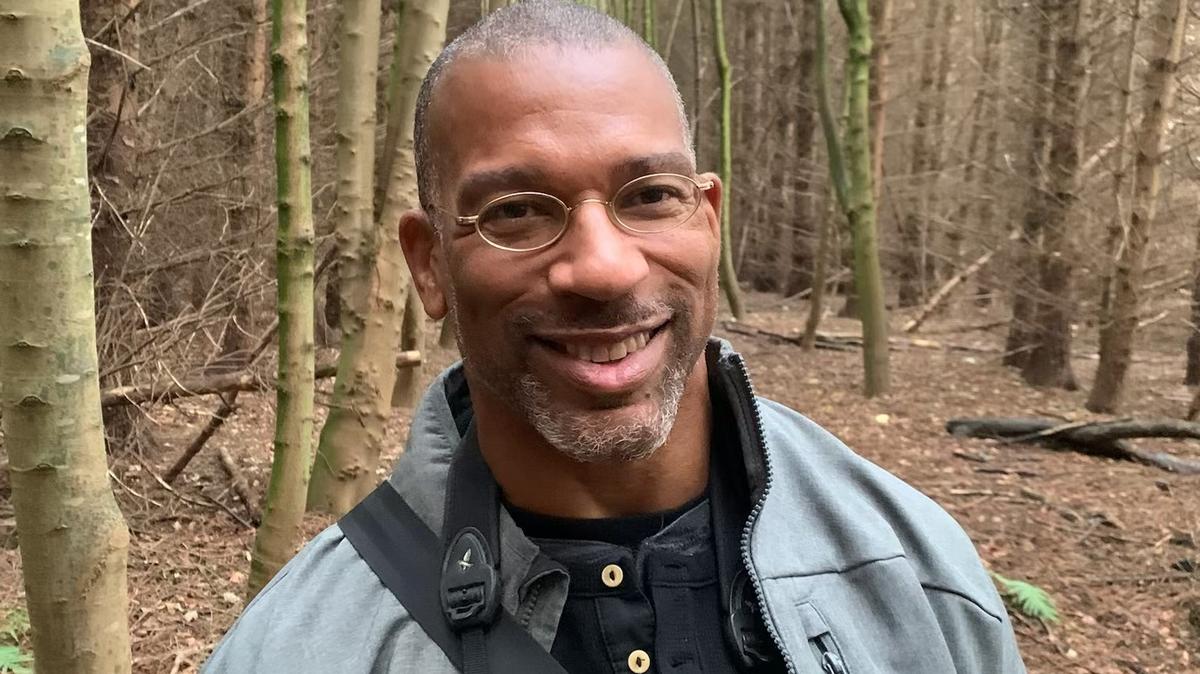
To Christian Cooper — a Harvard-educated super hero comic book writer who is Black, gay and a self-described “Blerd” (Black nerd with a pair of binoculars) — the wooded Ramble in New York’s Central Park has always been a habitat where he, as an avid birdwatcher, felt one with nature.
“Tremendous sense of peace there,” Cooper, 62, told The Star last week. “Central Park is my safe space, my source of joy, my home ground.”
But on Memorial Day 2020 — the same day that George Floyd would later be killed beneath the knee of a Minneapolis police officer — Cooper’s peace was disturbed in a racially charged moment that he captured on video and that, subsequently, went viral, generating headlines worldwide.
In the video, a white woman — whom Cooper had asked to follow park rules and place her dog on a leash — tells Cooper she’s going to report him to police via 911.
“I’m going to tell them there’s an African-American man threatening my life,” she says.
She does, dialing 911 and complaining falsely, “There is an African-American man. I am in Central Park. He is recording me and threatening myself and my dog.” Then frantically. “I am being threatened by a man in the Ramble. Please send the cops immediately!”
Although that moment changed Cooper’s life, he insisted, “by no means, is it the most interesting part.” Now on June 26, at 6 p.m. he is scheduled to speak at The Nelson-Atkins Museum of Art.
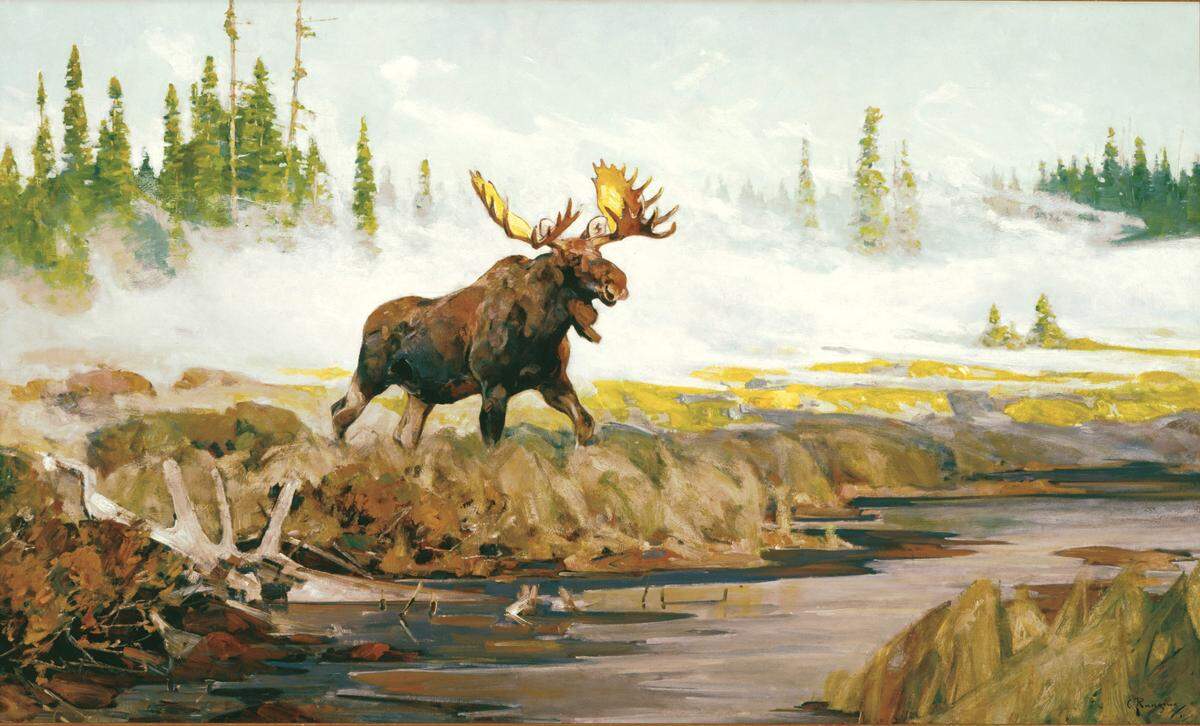
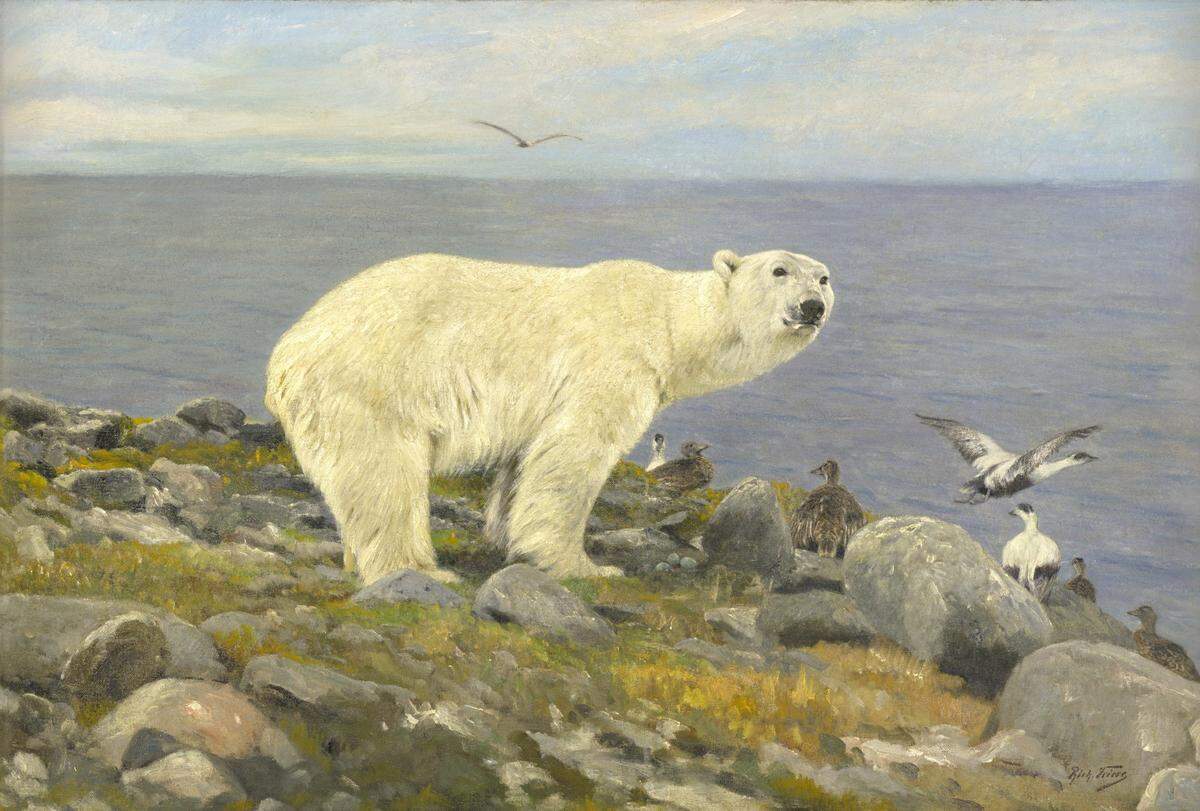
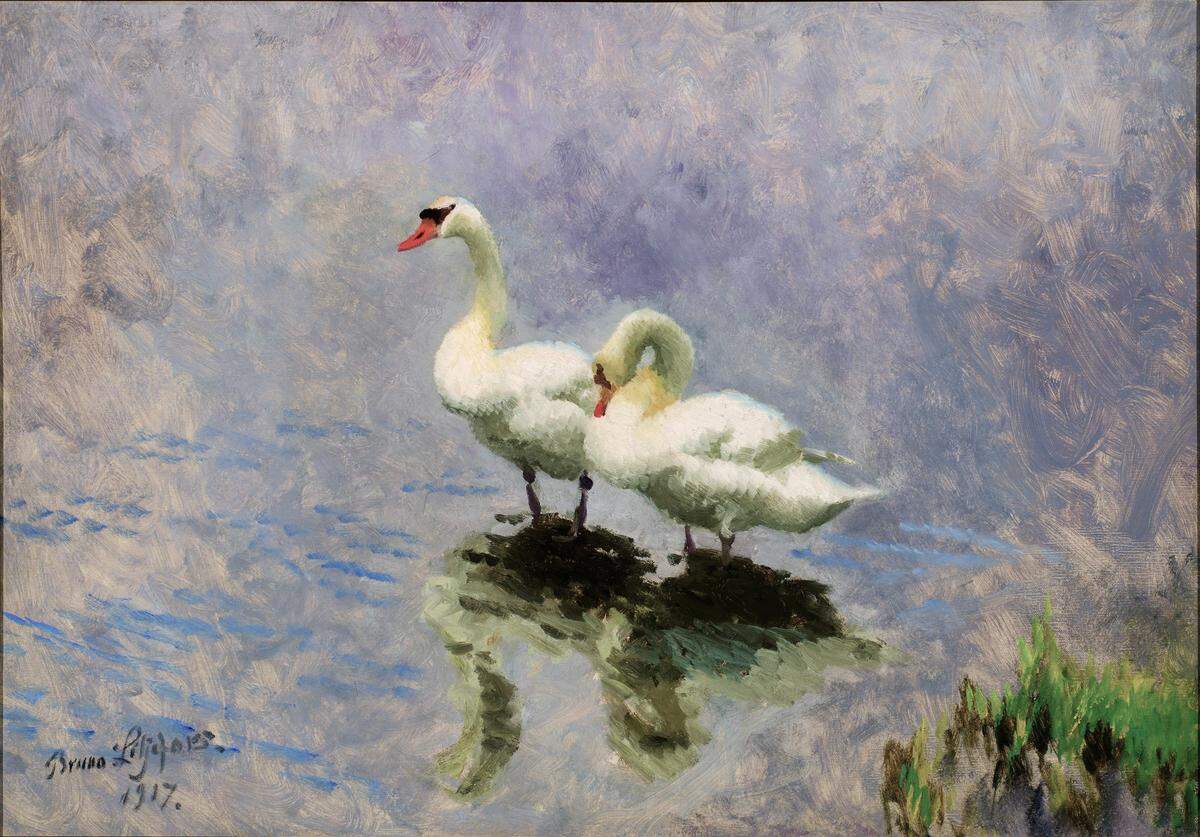
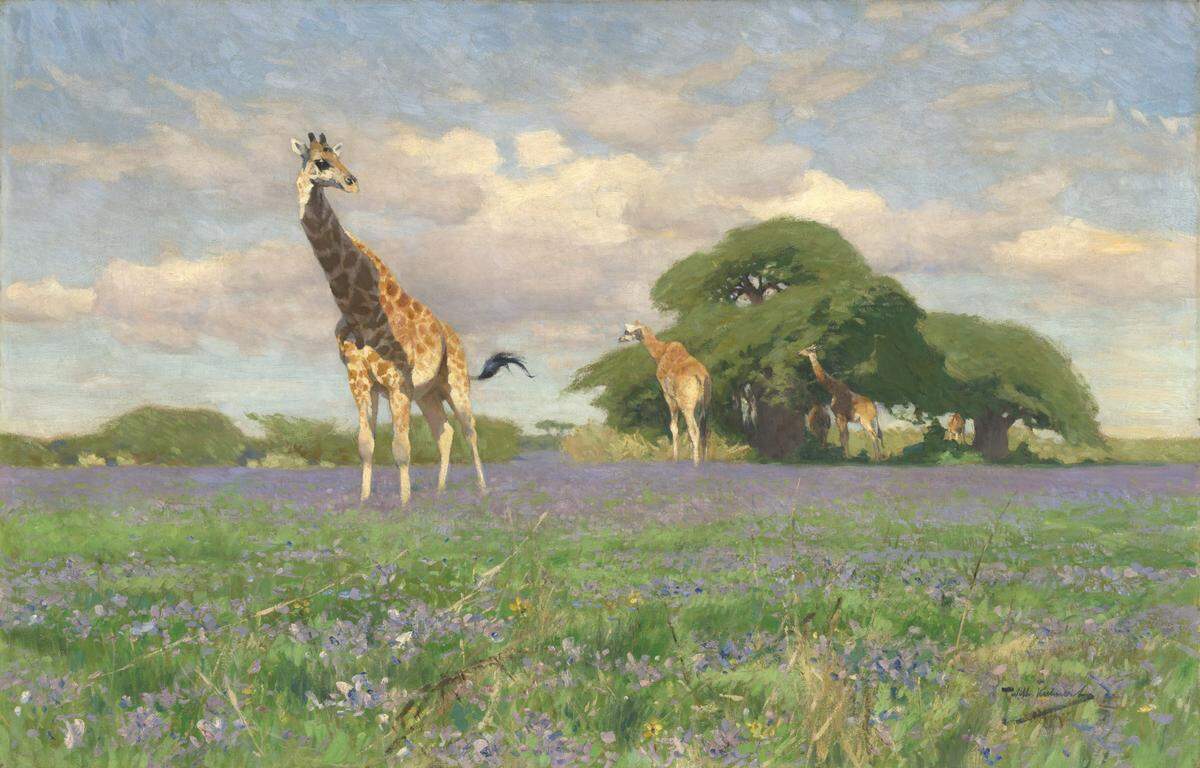
An Emmy-winning host in 2023 of National Geographic’s “Extraordinary Birder,” and the author of “Better Living Through Birding: Notes from a Black Man in the Natural World,” Cooper was invited to speak in conjunction with Pride Month and the Nelson’s current exhibition, “Survival of the Fittest: Picturing Wildlife and Wilderness,” that began in March and runs to Aug. 24.
His upcoming appearance offered an opportunity for a 30-minute Q&A, a question and answer session, asking Cooper to reflect not only on that moment — “It’s boring at this point,” he would insist. “There’s so much more to talk about.” — but also on the nature of a place, on what “Survival of the Fittest” means to him, on race, being gay and, of course, on the glory of birds.
‘This is how I will die’
Edited for space and clarity, here is that conversation:
The Star: Chris, in many ways, the “Survival of the Fittest” exhibition at The Nelson is about place. It features 50 pieces by 19th century artists who aim to depict wild animals in their natural settings, in contrast to former artists who used animals symbolically or depicted them as subservient to humans. On Memorial Day 2020, you were in a place that you knew really well and, I’m guessing, you trusted. Then, in an instant, that environment changed. So my first question is ‘Can you tell me what that place meant to you? Could you feel it change in that moment? Did it change?’
Cooper: I think you’re trying to force a connection where there is none. It didn’t change. And it still hasn’t. Many people ask me, ‘Since that incident, you know, how it is when you go back to the park? How do you feel when you’re standing in that spot?’ I’m like, ‘I don’t even notice most of the time.’ Because that spot, for me, is linked to so many other memories over so many years of, ‘Oh, that’s where the morning warbler stuck around for a week, and hopped out into perfect view on the wood chip path, and we all got a wonderful view.
That’s what I remember about the spot, not the minute-and-a-half incident that occurred one day in 2020. It has not changed for me at all. It is the same park.
Now, that said, well before that incident I was very keenly aware of the fact that I, as a Black birder in a public space, face obstacles and risks that other birders do not.
I say that — someone reminded me of that — because there was a heated discussion online in this chat group I belong to — about Black people in public spaces. . . .And I thought alright, let me just lay it out there. And I wrote something called, ‘This is how I will die.’ And it talked about the fact that one day, I will be in Central Park crawling around in the shrubs, with a black metal object (binoculars) in my hand, and someone will call and report there’s a Black man with a gun, and the cops will come and blow me away. Never mind that there are a dozen other white people crawling around the same shrubs, also holding black metal objects in their hands. None of them will be perceived as having a gun. But me, because of the virtue of my skin color, will be perceived as something else entirely — as a menace and as a threat. This is years before the incident that I wrote this. I was well aware of the fact that, as a Black person in a public space, there are presumptions made about you that put you at risk.
So, did it change the park for me? Not one bit. Am I — are most Black people — aware when we’re in public spaces that the perception of us can lead to outcomes that are completely different than the outcomes for white people, even though we may be doing the same things? Yes.
.jpg "Christian_BetterLiving (1).jpg")
The Star:You carried that knowledge with you to the park that day?
Cooper: Most Black people always know that. What’s so important about the incident is that it made some white people realize that. Black people knew it! We all knew it. But a lot of white people, I think, thought, ‘Oh, Obama’s been president. Racism is over.’ And it’s like, ‘No, not so much.’ There is this unconscious bias, this vein of racial history that runs through our culture that we are all steeped in, and that so many people are not even aware of, until it bubbles up in these horrible ways. . . .What was important about the incident was it, hopefully, made some white people go, ‘Oh, that’s not right, that this is the experience of some of our fellow Americans. That’s not right.’
The Star: So, when you’re in Central Park, in that space, are you always walking with any greater sense of vulnerability? Or is there a sense of peace?
Cooper: Tremendous sense of peace. Central Park is my safe space, my source of joy, my home ground. That doesn’t mean, in the back of your head, there aren’t these thoughts. . . .Any non-white person, any space that you’re traveling in, that awareness is in the back of your head in this society, and in this culture. And that’s sad. That’s horrible.
Not the way of civilized humans
The Star: The title of the exhibition uses a phrase, “survival of the fittest,” one that is historically fraught. Darwin, in “On the Origin of Species,” used “natural selection.” “Survival of the fittest” has long been co-opted to speak to the strong having dominion over the weak — and, in its darkest interpretation, to marginalize and even destroy the most vulnerable. You are a naturalist, someone who loves nature, and you’re also part of two marginalized groups as a gay Black man. What do you think when you hear the phrase “survival of the fittest.”
Cooper: I’m not particularly comfortable with the term for the very reasons you said. It may be the way of nature — because nature is hard, nature is brutal, right? — but it’s not supposed to be the way of civilized human beings. So when people try to take that term, as it has been used in nature, and apply it to our existence as civilized human beings, that’s a problem. That’s a big problem.
But another way I look at it, though — they say survival of the fittest. You know what? They have been trying to eradicate gay people in this country for centuries, and we’re still here. They have been trying to eradicate Jews worldwide in pogroms and all kind of awful discrimination. And the Jews are still here. They have been trying to put down Black people in this country in ways that are hard to describe in language that is unacceptable to decent people. And we are still here.
Not only are we still here, we are thriving. All the Native Americans in the country who, I mean, there was a systematic attempt to eradicate them, to drive them to extinction, or out of cultural existence. And you know what? They’re still here. The strength and resilience of all kinds of marginalized groups: We continue to thrive. That we continue to exist despite adversity, that is amazing to me. That is something to be proud of. I’ll say that now that it’s Pride Month.
Central Park incident doesn’t define him
The Star: The incident from 2020. I’m guessing it was definitive in your life, was it not?
Cooper: It’s boring at this point. There’s so much more to talk about.
The Star: Really? Do you feel it’s boring?
Cooper: Since that incident, I’ve hosted a television show that let me preach the gospel of birding to a bigger audience. There’s the memoir, “Better Living Through Birding,” which talks about the seven pleasures of birding, and how birding influenced the different aspects of my life.
The incident is what happened. It’s part of my story, but it’s a small part of the story. And, in fact, when I wrote my memoir, it opens with what you think is the incident. It’s me running in a panic through Central Park. . . Then you realize, it’s me running in a panic because there’s a rare Kirtland’s warbler that’s been spotted and I’m not going to miss it. That, to me, puts things in their proper perspective. . .It’s about the joy of birding. It’s about the pleasure of being in nature. And I’m going to talk about that (at the Nelson), and then eventually I’ll get around to that thing that happened. We’ll talk about that at length, and I’ll put it in its proper context, both in my life, and in the story of Central Park and the story of our country. And then we’ll move on. So, yeah, it’s part of my story. But, by no means, is it the most interesting part.
The Star: But it was a definitive moment.
Cooper: It was a turning point, for sure. It altered the trajectory of my life. Not that I started doing things I wasn’t doing before. . . I was birding before. I was preaching the gospel of birding before. . . .I was an activist before for both equality for gay people and justice for Black people. This just gave me a bigger platform. It was a turning point, but it didn’t change who I am.
Birds as a symbol of freedom
The Star: Who you are is someone who absolutely loves birds, right? And you love superheros and comics. Tell me why you love each of those?
Cooper: Oh, gosh. Birding was a refuge for me as a young, queer, Black kid in conservative, suburban Long Island. I knew I was gay from the age of about 5 years old. So I knew very young. When you have that awareness, boy is it a tough existence . . .especially back then when you were not supposed to exist. And yet here I was. So one of my escapes was birding. Because when you’re out there (in nature) — and it’s true for so many people — I think no matter what awful thing they’re wrestling with, or what problem is weighing on them, you get into the field, and you want to see birds, you’ve got to focus outside of yourself fully. You’ve got to engage with your surroundings. You’ve got to be looking and listening in a way that just a simple hike doesn’t involve. Yes, a hike will get you out into nature, and you’ll get the healing power of nature. But birding gives you that, plus the focus beyond yourself ... Whatever problem is preying on your mind, it just kind of falls away for a bit.
The Star: When did you come out?
Cooper: I came out in 1981, winter of 1980, beginning of 1981. Freshman year of college.
It’s funny, because having known since the age of 5, and hidden it all that time, the metaphor I use is that it was like being buried alive. You know you’re there, but you’re trapped in this coffin, under six feet of earth, pounding on the lid, desperate to breathe, desperate for sunshine, desperate to get let out. Meanwhile, the rest of the world has no idea that you’re down there, buried. They’re walking on top of the green grass of your grave like nothing’s going on, thinking you’re fine. And that’s what it was like up until I was 17 and finally came out. And I think that’s why I’m a very happy person generally now. Because, having lived through that hell, everything else is, ‘Yeah, I’m good.’
The Star. Although birding had been a refuge, when you came out, it wasn’t like, ‘Oh, I don’t need the birds anymore.’
Cooper: I mean, you know, yes, it’s a refuge, but it’s why I talk about the seven pleasures of birding (outlined in his memoir) ... but, beyond that, you’re looking at dinosaurs. Real, living dinosaurs. You’re looking at creatures who are masters of the air. I mean it’s so uplifting, inspirational. I don’t care who you are, but, particularly, for us, Black people, with our history of captivity, and not being free, to see that ultimate symbol of freedom, those birds that are masters of the earth. That’s incredible.
And birds communicate the same as people do, unlike cats and dogs, who are mostly about their noses and their sense of smell. Birds communicate by sight and sound the way we do. So we can appreciate those incredible colors, the plumage, the patterns, the songs that songbirds make.
The Star: I sense you’re making a connection here with race and sexual orientation — the idea of different appearances, communication, freedom.
Cooper: I mean the other thing is that the birds don’t care. They don’t care if you’re queer. They don’t care if you’re straight. They don’t care if you’re bi. They don’t care that you’re trans. They don’t care if you’re an immigrant. My favorite story to tell is of the house finch. Familiar bird all across North America. You know what it’s scientific name is? Haemorhous mexicanus. Because it’s originally from the southwest. But it’s spread all over North America. Try building a wall to keep them out!
The birds just don’t care. They belong to none of us, but they are for all of us to enjoy.
The Star: If a young person — queer, gay, Black, or whatever race — comes to this talk and sees you around this exhibition space, where you’re talking about it being Pride Month, and race and birds and nature, what do you hope they take away from this place full of art on wildlife?
Cooper: I hope it’s an opening of their horizons. Because, when you’re young, you can get caught up in thinking that that’s all there is. If they come away from the exhibit, and from my talk, realizing, ‘Oh, there’s all this out there, there’s this way of moving through the world, there are all these things that I can be, I can do: Then it’s mission accomplished.
This story was originally published June 10, 2025 at 6:00 AM.