
See which KC area cities gained — or lost — population in latest census data
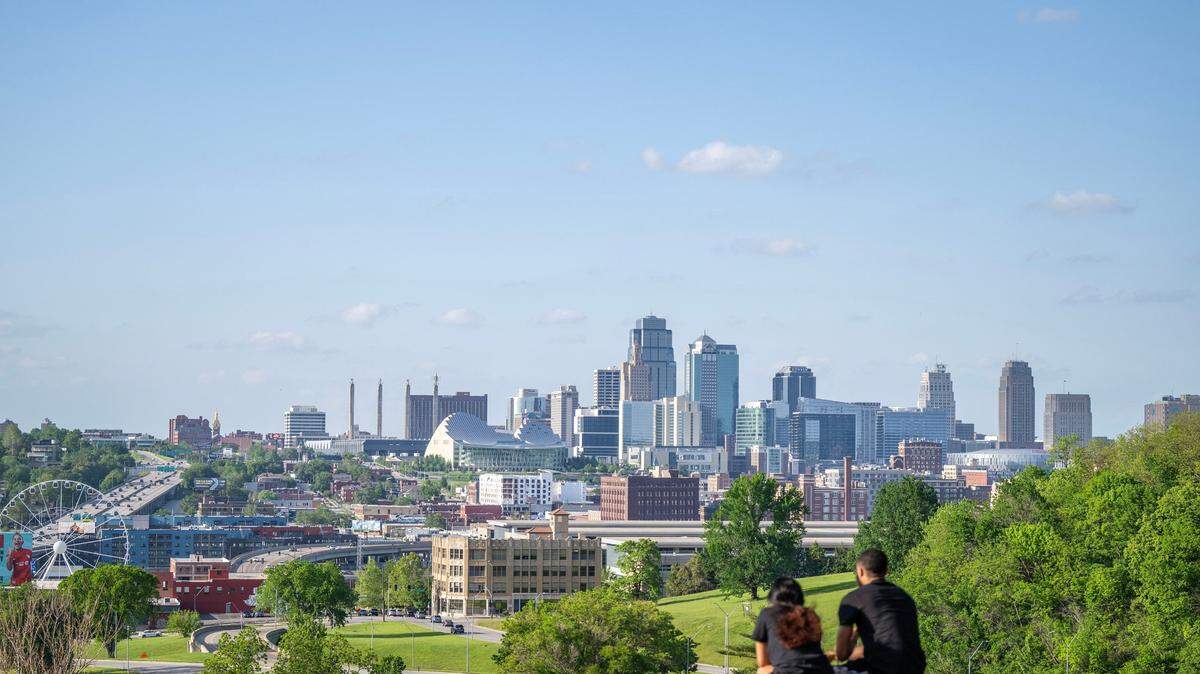
Kansas City has gained more than 8,000 new residents since 2020, according to the latest census estimates.
But the mayor says there’s still more work needed to bring in more people to call Missouri’s largest city home.
The U.S. Census Bureau on Thursday released the most recent population estimates for cities and towns in Missouri, Kansas and across the United States on Thursday, as of July 1, 2024.
The latest data shows Kansas City had an estimated 516,032 residents in 2024, up from a base estimate of 507,984 in April 2020 and 511,300 in July 2023, or a 1.58% increase since 2020.
The Census Bureau will collect exact population counts of each community during the next nationwide census in 2030, unless one requests a special census before then.
Mayor Quinton Lucas said on X the new estimates are “undeniably good news, but we need to continue our ongoing work to repopulate the core of our city, particularly in east and south Kansas City, with infill housing development.”
Population in KCK and Johnson County
Across state lines, Kansas City, Kansas was estimated to have 156,752 residents in 2024, slightly up from 156,605 in 2020.
Overland Park, Kansas City’s largest suburb, had an estimated 202,893 residents in 2024, a gain of 5,647 people from 2020, or a 2.86% increase.
Lenexa gained about 2,000 residents from 2020, with a population of 59,427, while Olathe gained about 8,000 residents, with a population of 149,035. Shawnee gained more than 2,000 new residents to 69,724.
And three suburbs in Johnson have seen considerable growth in population since 2020: De Soto with a 7.46% increase to 6,579, Gardner with a 10.67% increase to 25,836, and Spring Hill with a hefty 26.43% increase to 10,070.
Gardner’s population has nearly tripled from 2000, while Spring Hill’s population has risen more than threefold.
Population in Missouri cities
Some suburbs in Missouri have also seen significant growth: Blue Springs is now estimated to have 61,246 people, up 4.25% from 2020, while Grain Valley has grown 7.93% to 16,859 people. Oak Grove’s population rose to 9,129, or an 11.88% increase.
Lee’s Summit has gained more than 5,000 people since 2020, up to 106,419 in 2024.
North of the Missouri River in Clay County, North Kansas City’s population grew to 5,630, or a whopping 26.09% increase from 2020.
And Kearney’s population rose 7.82% to 11,215.
Some Platte County communities have also seen major population increases: Riverside at 4,498, or a 12.14% increase, and Parkville at 8,980, or a 24.88% increase.
A handful of communities in the Kansas City metro area were estimated to have lost population since 2020, including Independence down 1.06% to 121,629 and Raytown down 2.56% to 29,244.
Did my Kansas City-area town grow from 2020?
Below are population estimates for various communities across the Kansas City area between 2020 and 2024, according to the most recent data. The 2020 numbers are base census estimated for April 2020, while the 2024 numbers are estimates as of July 1, 2024.
KCMO and KCK
Kansas City, Missouri: 516,032 in 2024, up 1.58% from 507,984 in 2020.
Kansas City, Kansas: 156,752 in 2024, up 0.09% from 156,605 in 2020.
Jackson County
Blue Springs: 61,246 in 2024, up 4.25% from 58,749 in 2020.
Grain Valley: 16,859 in 2024, up 7.93% from 15,620 in 2020.
Grandview: 26,630 in 2024, up 1.65% from 26,199 in 2020.
Independence: 121,629 in 2024, down 1.06% from 122,926 in 2020.
Lee’s Summit: 106,419 in 2024, up 5.24% from 101,122 in 2020.
Oak Grove: 9,129 in 2024, up 11.88% from 8,160 in 2020.
Raytown: 29,244 in 2024, down 2.56% from 30,013 in 2020.
Sugar Creek: 3,223 in 2024, down 2.8% from 3,316 in 2020.
Johnson County
De Soto: 6,579 in 2024, up 7.46% from 6,122 in 2020.
Edgerton: 1,716 in 2024, down 2.33% from 1,757 in 2020.
Fairway: 4,160 in 2024, down 0.17% from 4,167 in 2020.
Gardner: 25,836 in 2024, up 10.67% from 23,345 in 2020.
Leawood: 34,013 in 2024, up 0.35% from 33,896 in 2020.
Lenexa: 59,427 in 2024, up 3.51% from 57,411 in 2020.
Merriam: 11,560 in 2024, up 4.10% from 11,105 in 2020.
Mission: 10,013 in 2024, up 0.57% from 9,956 in 2020.
Mission Hills: 3,521 in 2024, down 1.95% from 3,591 in 2020.
Olathe: 149,035 in 2024, up 5.48% from 141,290 in 2020.
Overland Park: 202,893 in 2024, up 2.86% from 197,246 in 2020.
Prairie Village: 22,919 in 2024, down 0.14% from 22,952 in 2020.
Roeland Park: 6,689 in 2024, down 2.69% from 6,874 in 2020.
Shawnee: 69,724 in 2024, up 3.58% from 67,315 in 2020.
Spring Hill: 10,070 in 2024, up 26.43% from 7,965 in 2020.
Westwood: 1,719 in 2024, down 1.66% from 1,748 in 2020.
Clay County
Claycomo: 1,370 in 2024, up 2.24% from 1,340 in 2020.
Excelsior Springs: 10,727 in 2024, up 1.53% from 10,565 in 2020.
Gladstone: 27,579 in 2024, up 1.90% from 27,066 in 2020.
Kearney: 11,215 in 2024, up 7.82% from 10,402 in 2020.
Liberty: 31,245 in 2024, up 3.60% from 30,158 in 2020.
North Kansas City: 5,630 in 2024, up 26.09% from 4,465 in 2020.
Pleasant Valley: 2,750 in 2024, up 0.22% from 2,744 in 2020.
Smithville: 10,971 in 2024, up 5.12% from 10,437 in 2020.
Platte County
Parkville: 8,980 in 2024, up 24.88% from 7,191 in 2020.
Platte City: 4,867 in 2024, up 1.82% from 4,780 in 2020.
Riverside: 4,498 in 2024, up 12.14% from 4,011 in 2020.
Wyandotte County
Bonner Springs: 7,832 in 2024, up 0.15% from 7,820 in 2020.
Edwardsville: 4,748 in 2024, up 0.66% from 4,717 in 2020.
Cass County
Belton: 25,861 in 2024, up 7.84% from 23,980 in 2020.
Loch Lloyd: 1,030 in 2024, up 19.35% from 863 in 2020.
Leavenworth County
Basehor: 7,996 in 2024, up 15.88% from 6,900 in 2020.
Lansing: 11,316 in 2024, up 0.68% from 11,240 in 2020.
This story was originally published May 15, 2025 at 3:50 PM.