Instead of jail or ER, people in crisis can get help from new Johnson County center
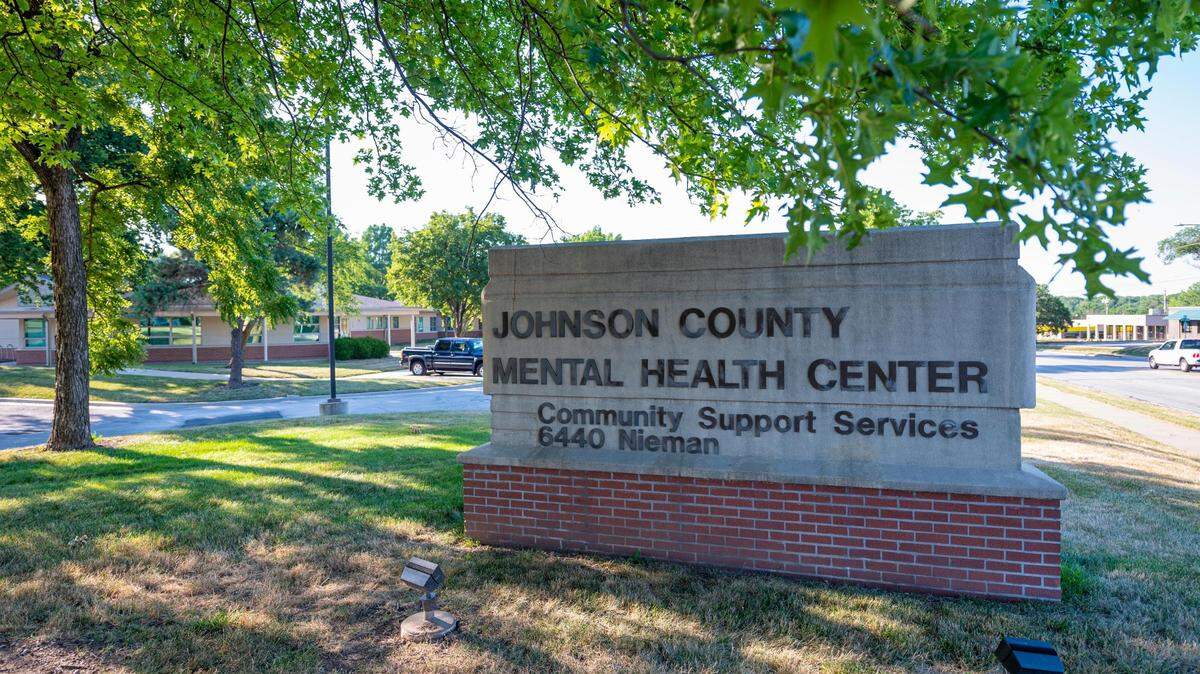
To address the growing mental health needs for adults, the Johnson County Board of Commissioners approved 18 full-time positions to establish an Adult Crisis Stabilization Center and add new positions to the 988 suicide prevention hotline.
“These additions are a response to undeniable community needs. The Adult Crisis Stabilization Center will benefit not only members of the community in need of mental health assistance but will also lessen the demands on area law enforcement and emergency rooms where these individuals were previously treated,” Chairman Mike Kelly said in a statement. “The additional 988 operators will better serve our youth population by expanding texting services, meeting young people where they’re at with their preferred form of communication.”
More than $1.2 million from Medicaid’s Certified Community Behavioral Health Clinic funding will fund the positions of one mental health clinician, one mental health case manager, 12 behavioral health specialists, three nurses and one nursing supervisor.
On the same day, the commissioners approved to allocate $222,000 to fund three new case manager positions for the county’s operation of the 988 Naitonal Suicide Prevention Lifeline.
The hotline came to the county in 2022 in partnership with the Kansas Department for Aging and Disability Services to provide 24/7 coverage for all residents in the county.
“Mental Health has continued to see a rise in crisis calls and contacts in previous years, especially during the pandemic, and staff now respond to approximately 41,000
calls annually,” according to the county staff report on the hotline.
The current staffing levels are inefficient to provide the service requirements for the 988 system, the briefing stated. Adding more staff will help the county better manage its call loads and allow them to add text and chat capabilities with the 988 team, which can help the team better reach younger people who feel more comfortable using those methods of communication, county mental health director Tim DeWees said in a statement.
Gaps in adult care
To better assist young people in the community, the commissioners approved new positions to establish a youth crisis stabilization center last February, according to the county’s briefing sheet. During that time, mental health staff indicated that adults’ access to care remains challenging and that there isn’t enough infrastructure to support adult mental health needs.
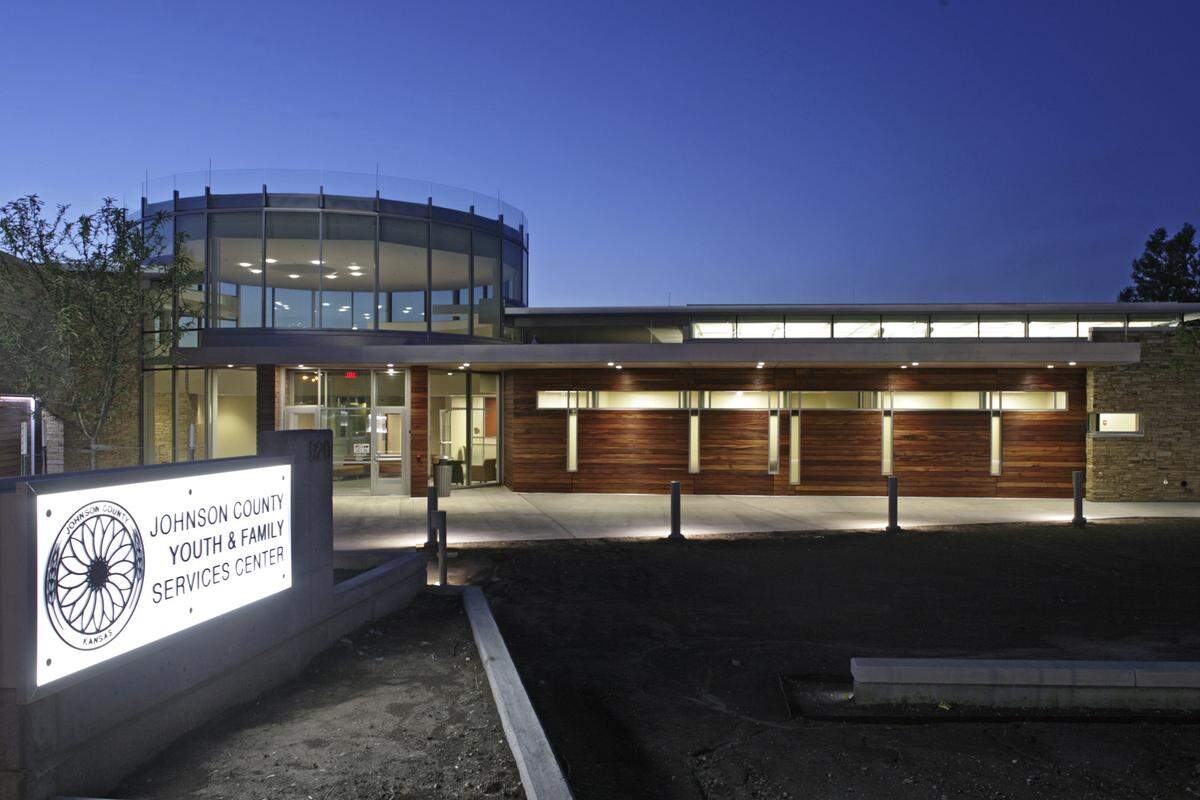
“One of the most significant gaps in care in Johnson County is the lack of a 24-hour crisis center for adults experiencing a behavioral health crisis,” according to the briefing sheet.
By opening the 14-bed program, which will be housed at The Recovery Place in Shawnee, it will be the second 24-hour crisis center opened and run by Johnson County mental health.
“Adults in need of mental health services are generally directed toward jail, emergency departments, or out of county crisis support services,” the briefing stated.
Johnson County Mental Health said it wants to add additional staff to prevent folks from going down a criminal justice path in order to receive mental health help.
“There is a strong need for intervention services and a focus on treatment and rehabilitation rather than detention,” the briefing stated.
This follows the county’s recent moves to put a higher priority on integrating law enforcement and mental health professionals in recent years, recognizing that police are often on the front lines of mental health crises.
In Dec. 2022, Olathe Police Officer Conner Thompson fatally shot Brandon Lynch — a 27-year-old man who had known mental health conditions and was in crisis. Lynch’s mother, Maria Varnas, filed a federal lawsuit in the District of Kansas in May 2024, alleging that Thompson used excessive force when he killed Lynch and that officers are not adequately trained to de-escalate crisis situations.
Similarly, in Overland Park,17-year-old John Albers was shot six times as he backed out of the driveway of his family’s home. Police went to the residence on a welfare check after 911 calls said the teen was having a mental health crisis and trying to harm himself. Police officer Clayton Jenison fired 13 shots at the teen, who died at the scene.
Albers’ mother, Sheila Albers, became a strong advocate to push the city into improving its own mental health resources, whose work later helped establish a new behavioral health unit in Overland Park’s police department.
At the county level, the Mental Health Center used to provide services at its two adult detention centers, but it was terminated last year under former Sheriff Calvin Hayden’s leadership — despite the center seeing a decrease in recidivism.
“The adult crisis stabilization center will strengthen Johnson County’s commitment to focusing on treatment and rehabilitation as an alternative to incarceration, reducing the prevalence of serious mental illness in the criminal justice center,” the county said in a statement following the commissioners’ decision.