Jury should decide if Olathe officer who shot Brandon Lynch used excessive force, judge says
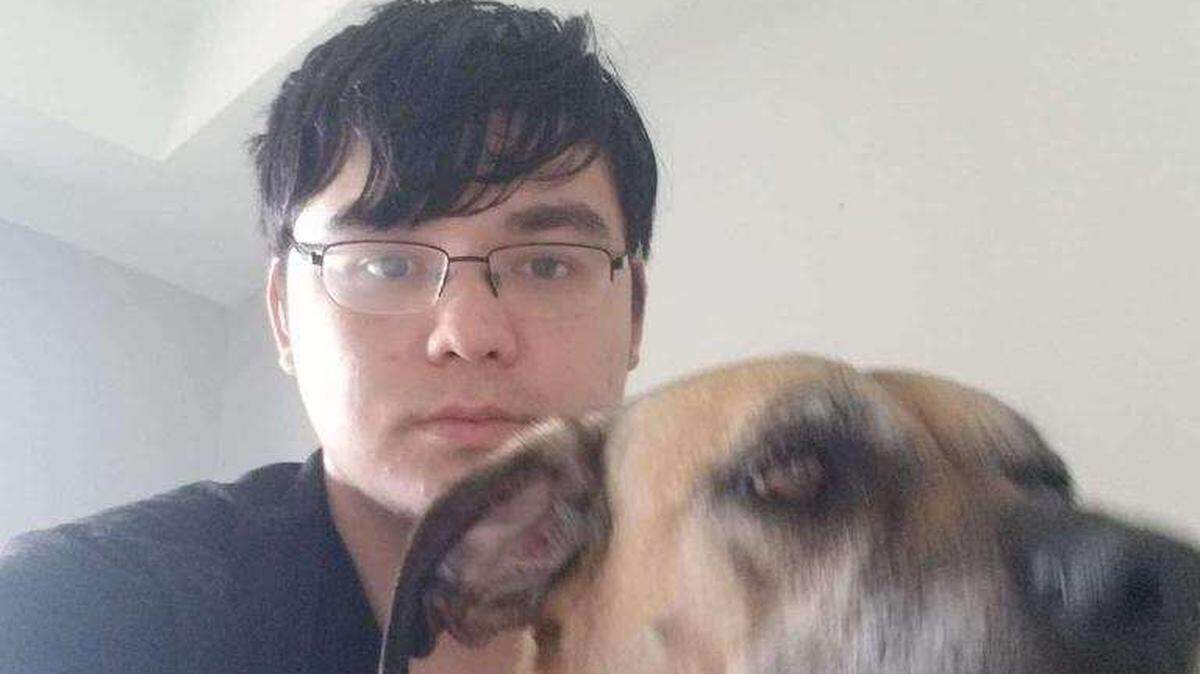
The Olathe police officer who shot and killed a 27-year-old man in a mental health crisis is not entitled to qualified immunity, a legal protection that shields public employees from liability, according to a new ruling.
Officer Conner Thompson fatally shot Brandon Lynch on Dec. 31, 2022.
Police were called to Lynch’s home after an altercation with his sister, who told dispatchers that he had a history of schizophrenia and was in crisis.
Two officers, including Thompson, responded. Both had previous contact with Lynch and were aware of his behavioral issues.
Thompson shot Lynch, who was holding a knife, three times.
Lynch’s mother Maria Varnas filed a federal lawsuit in the District of Kansas in May, alleging that Thompson used excessive force when he killed Lynch, and that Olathe officers are not adequately trained to de-escalate crisis situations. Olathe filed a motion to dismiss the suit in July.
In a 20-page order handed down Wednesday, U.S. District Judge Julie Robinson affirmed part of the lawsuit and dismissed another part.
On the excessive force count, Robinson found that the claim was substantial enough for a jury to decide whether Thompson violated Lynch’s Fourth Amendment rights. Though police had ordered Lynch to drop the knife and he did not comply, Varnas’ suit alleged Lynch did not make any hostile motions toward the officers, Robinson’s order said. He was also 12 to 15 feet from the officers when he took “two slow steps” and Thompson fired at him.
The judge’s order also said that a jury may decide whether officers failed to de-escalate the situation and that there was “a plausible claim that Officer Thompson recklessly or deliberately brought about the need to use deadly force.”
She emphasized that “the officers were aware of Lynch’s diminished capacity.”
“To state a claim of excessive force under the Fourth Amendment, a plaintiff must show both that a ‘seizure’ occurred and that the seizure was ‘unreasonable,’ Robinson’s order reads. “There is no argument here that Lynch was not seized. Thus, the Court must consider whether the seizure was unreasonable.”
Robinson refused to dismiss the suit and ruled Thompson was not entitled to qualified immunity. She also dismissed a count against Thompson that was redundant.
The Olathe Police Department declined to comment when reached Wednesday.
In May 2023, Johnson County District Attorney Steve Howe announced that charges would not be brought against Thompson and that the shooting was justified.
This story was originally published October 30, 2024 at 3:07 PM.
CORRECTION: This story has been corrected to reflect the fact that while a judge refused to dismiss the case, the court did not make a decision on whether Thompson had violated Lynch’s Fourth Amendment rights before a settlement was reached.