As winter homeless shelters close for season, Kansas City moves to keep some beds available
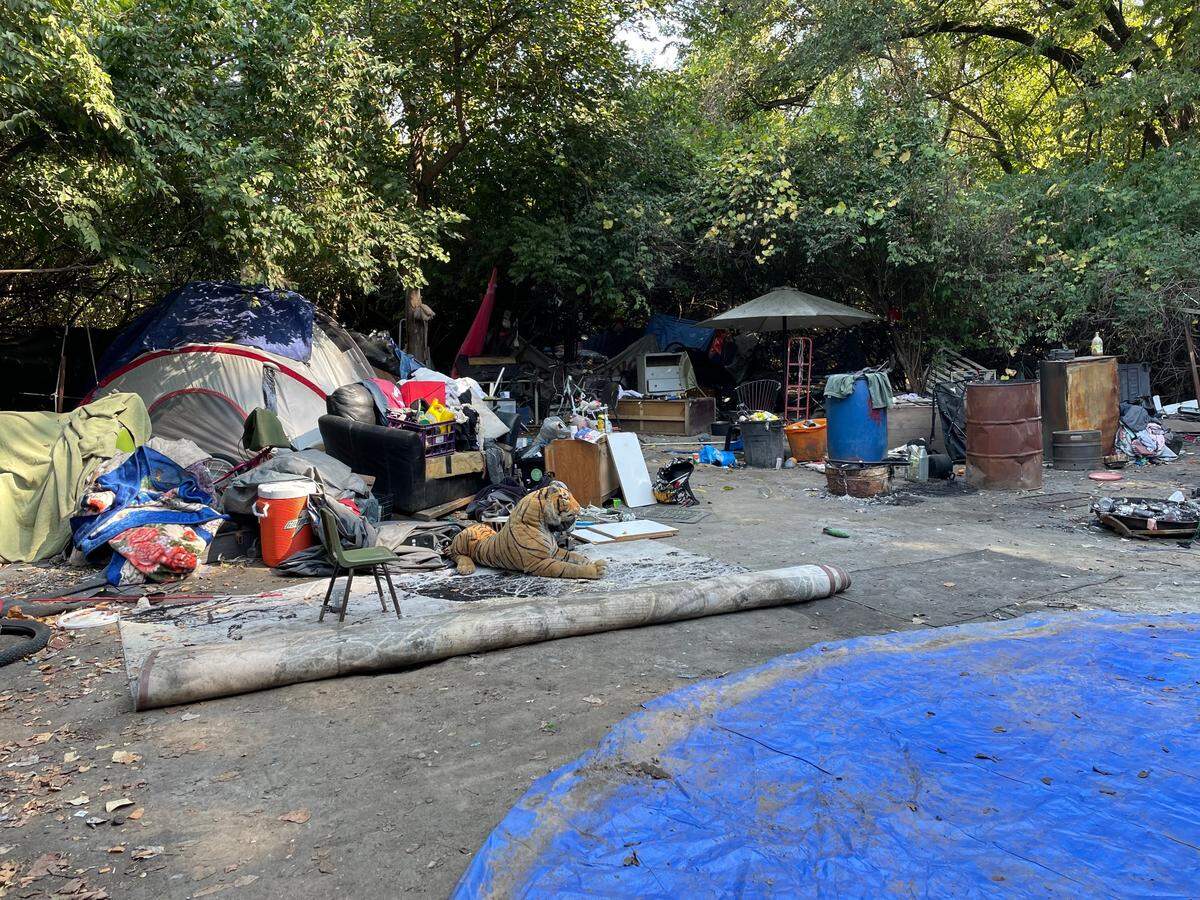
Days before Kansas City’s temporary winter homeless shelters were set to close for the season, city officials announced a limited 60-day extension plan. It will keep about a quarter of the beds the city provided this winter available for a couple more months, and potentially longer if all goes as planned.
City officials said their goal is to transition some of the temporary winter shelters to offer year-round services. They’re starting with 100 beds in March with the intention to expand to 160 during the summer, according to a city news release.
That’s down from about 400 beds offered temporarily through the end of February and doesn’t include beds in any of the three biggest shelters that had been part of that winter program.
The city has said that these services for people who would otherwise be sleeping outside will continue without interruption.
Officials have been working until the final hour to ensure that happens. Some providers told The Star they had not seen a draft of a contract as of Thursday afternoon. But on Friday night, assistant city manager Melissa Kozakiewicz said the contract process is well underway and asserted that services will begin Saturday without issue.
The city will pay provider organizations on average $50 per bed per day for those 60 days until the new city budget goes into effect in May, Kozakiewicz said.
Providers have told The Star they’re happy to do what they can to keep making sure people have a safe place to sleep. But some, including at least one that has rejected the city’s proposal for an extension, said it may be difficult to provide some of the needed social services in the long-term without being funded at a similar scale as over the winter.
City officials say the two-month, 100-bed extension is the best way to be able to bridge the gap until it can work out a plan for a more permanent shelter, a goal it has been discussing for years.
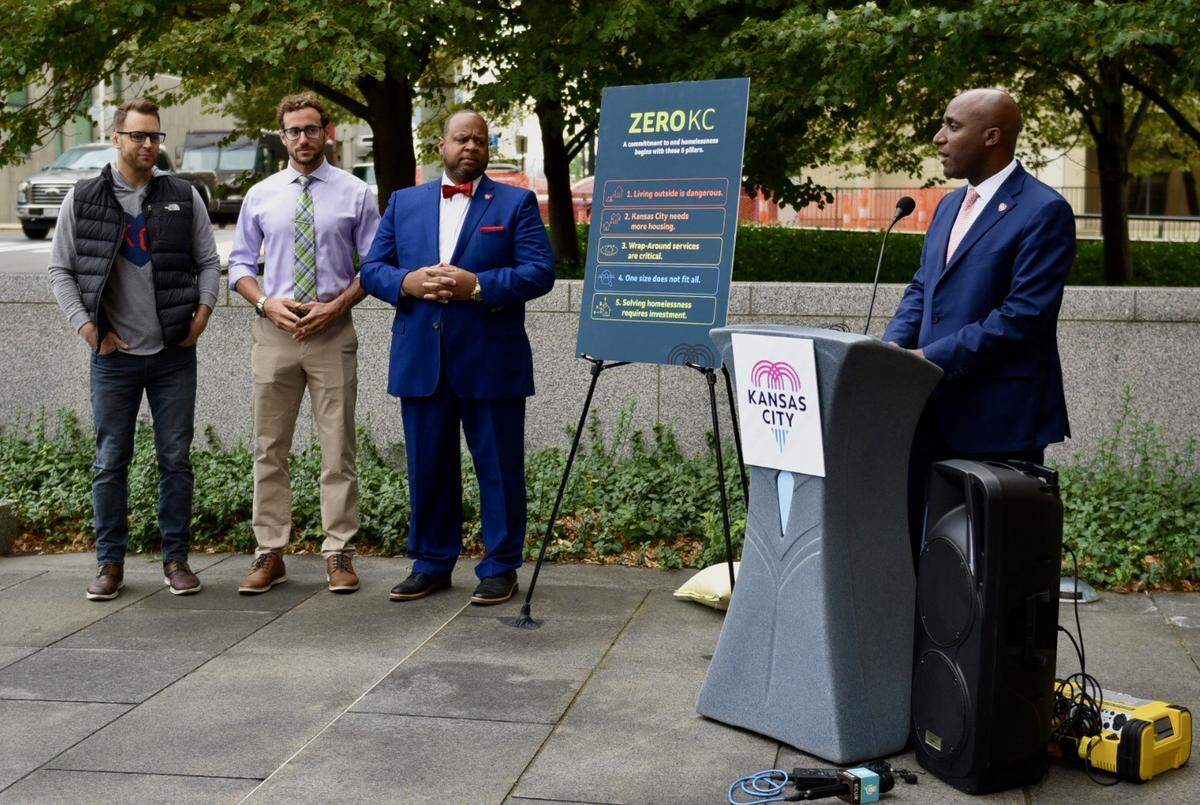
“The goal isn’t just shelter, the goal is to transition them out of homelessness. The goal is a journey that ends in permanent housing and the first stop is shelter,” said Josh Henges, Kansas City’s houseless prevention coordinator.
‘The in-between’
These efforts come as the Kansas City area has the highest percentage of people experiencing chronic homelessness and living outside of any major U.S. city, according to a report by the U.S. Department of Housing and Urban Development.
One of the city’s key goals outlined in its 2022 plan to reduce homelessness was to establish a permanent low-barrier shelter. Such shelters accept people without requiring participation in programs like religious activities or substance use treatment. Most cities the size of Kansas City have one.
The city has had federal grant money set aside for years to pay for a permanent shelter once it approves a plan.
Henges said the fact that beds are starting to be offered year-round at all is a victory years in the making. He said the temporary extension is needed until the city can establish a more permanent shelter.
“It’s the same model as the winter low barrier shelter, but it’s temporary in the sense that as soon as an actual building and a whole one location is put together, this extension plan would no longer be needed. This is the in-between until everything comes together,” Henges said.
Henges said that the city is on the right track and reaching the people who can benefit from its services, saying 87% of those who used the cold weather shelters this season were new.
“Word is out that this is a safe place to go, that it truly is a low barrier and it takes time to build that trust,” he said.
‘We have to start somewhere’
Organizations participating in the shelter extension plan include Restart and Open Doors, which will each receive funding to provide 30 beds. Neither organization was part of the winter shelter operation.
True Light and the Heartland Center for Behavior Change, which both provided beds this winter, will receive money for 20 beds each. Two shelters will serve men, one will serve women and another will aid mothers with children, according to the city.
The city’s plan moves forward without nonprofit Hope Faith, after the organization’s executive director Doug Langner said the city wasn’t offering enough money for the organization to properly staff and operate the shelter beyond the end of February.
When asked if other organizations have expressed concern about the amount of money available to continue housing people, Kozakiewicz said, “Negations are always a challenge beyond this particular initiative but we are pleased to be able to execute a number of contracts at a fair price.”
Kyle Mead, CEO of The Heartland Center for Behavioral Change, said he heard the first elements of the city’s extension plan on Feb. 21. He said figuring out the details on how an initiative like this will work is always a challenge.
“We’d love to be able to offer 200, 300 beds if that was a conceivable opportunity, but we have to start somewhere in order to be able to get to the end goal of actually helping people,” Mead said.
His organization will continue to focus on providing aid for those who are both homeless and struggle with substance use disorder.
Stephanie Boyer, CEO of reStart, said the organization is jumping in despite not having been one of the winter shelter locations. They already operate 24 hours and have case manager services, access to meals, employment services, as well as behavioral and medical help. The 20 mothers and children will have the same access to those services.
Long-term plan still unclear
The extension plan runs through May 1, according to Kozakiewicz. Beyond then depends on how much money the city dedicates to homeless services in its next budget.
Kansas City’s aim to unveil its first permanent low-barrier shelter in time for the 2026 World Cup has faced delays. To have been able to meet that goal, Langer said construction would have needed to begin already.
He said Hope Faith learned toward the end of January that the organization can expect to receive a fraction of what they originally expected from the Department of Housing and Urban Development (HUD) for a proposed year-round shelter.
“It’s frustrating because we felt like we were getting close, but we’re still committed to making sure that, you know, sleeping outside is dangerous and we want to find a solution for this... just seeming like it’s gonna take longer to get there, and that’s frustrating,” he said.
In a statement, Mayor Quinton Lucas said the city is committed to ensuring homeless people have a safe place to sleep and establishing a sustainable system for permanent housing.
“We will continue to implement effective and compassionate solutions for our unhoused neighbors to make sure that absolutely no one falls through the cracks,” Lucas said.