KC therapist grew up in a house of addiction: now works to break culture of silence
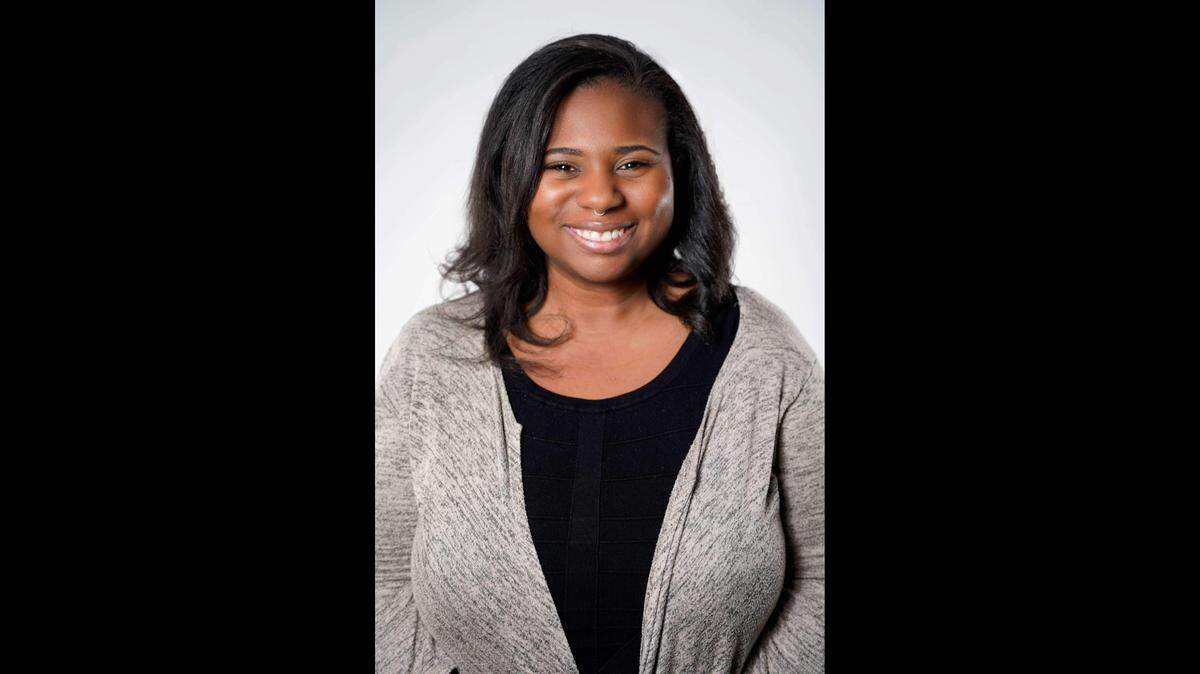
Tamara Vang has worked in the field of mental health, addiction and substance abuse for the past two decades. As a drug and alcohol counselor she has worked to create a compassionate and empathetic environment for clients struggling with addiction.
Born the child of two parents battling with mental illness and drug addiction, Vang’s passion for this work grew from her life experiences. As 6 year old child, Vang had to essentially look after herself in an environment filled with crime and drugs.
Seeing many people from that environment get caught in the cycle of addiction, she decided to use her experience to make an impact.
Since 2022,Vang has served as the chief operating officer for the Kansas City Black Mental Health Initiative, a community organization dedicated to destigmatizing mental illness and providing therapeutic services within the Black community. She fights to break generational stigmas attached to therapy within the Black community and move clients away from the culture of silence they were raised in so they can heal from past traumas.
Research says that due to a complicated mix of historical factors, including systemic racism, mistrust of the medical system because of historical abuse, and cultural beliefs that view mental illness as a sign of weakness, only one in three Black Americans who struggle with mental health issues receive treatment.
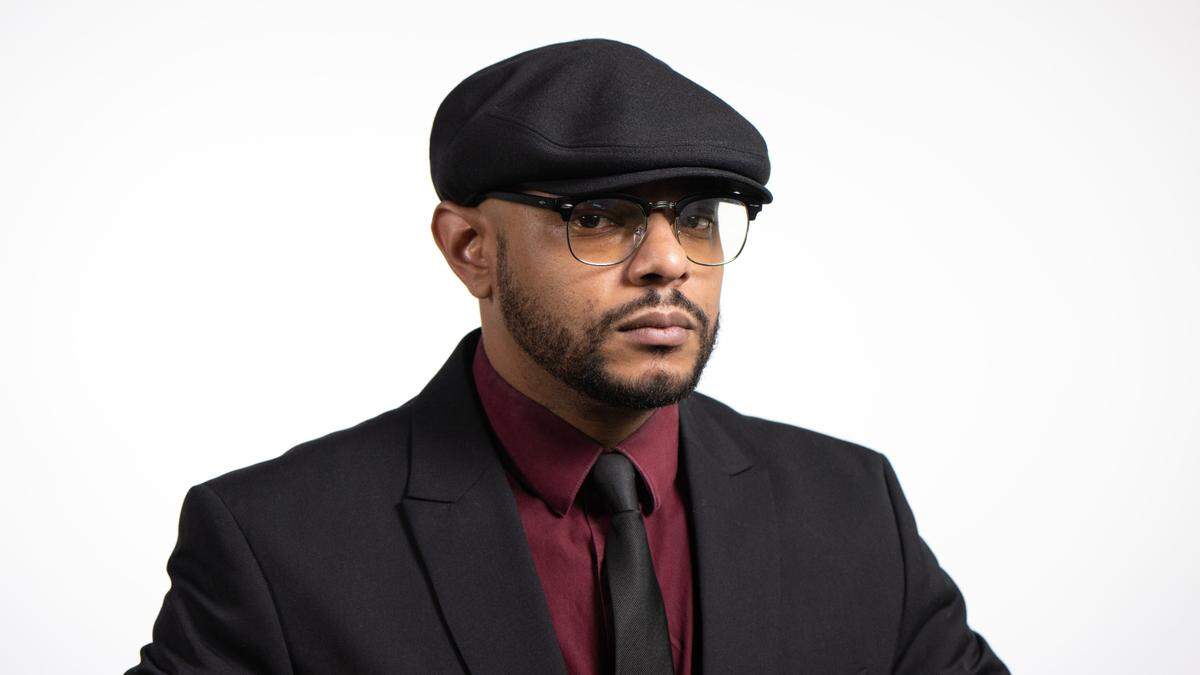
Recently, Clark sat down with The Kansas City Star’s culture and identity reporter, J.M. Banks to talk about her struggles growing up in a house of addiction, finding a purpose for her experiences and dispelling the stigmas around therapy in the Black community.
Banks: Can you begin by telling me about your early life and upbringing?
Vang: I always like to say I was born into the field. I was born to a mom and dad who were unable to take care of me due to concerns due to psychiatric and substance issues. I was removed from their custody immediately and thrown into living with my maternal grandmother who adopted me. But my early life was filled with dealing with all kinds of addictions. My mother and father both had mental illness and addiction issues. My grandmother had a gambling disorder and alcoholism. So, I knew at an early age what addiction looked like. I felt like I was an adult by the time I was 6 years old and had to learn how to navigate through the world. I had to learn how to cook for myself, care for myself and my family because we were struggling. I knew from an early age how to navigate through people with addiction. I didn’t have all the fancy words to associate what was happening but I was very aware of what was happening to me and my family. That set me on my trajectory to get my bachelor’s in psychology and later my master’s.
How do you think you were able to rise above growing up in a house filled with addiction?
It wasn’t until I was in high school that I realized what I was going through was not normal. Growing up in a home like that you are told you can’t tell anyone what is going on. I knew a lot of people who grew up in similar situations and they are either incarcerated or dead. Being conscious of what is happening to you makes a huge difference and recognizing what is going on around you and that you have to depend on yourself.
Can you tell me about your position and what you do in your work?
I do therapy and the operations for the Kansas City Mental Health Initiative. So basically I make sure that everything runs. I pull in community partners, provide training, bring in new people and just supporting the clients. But my favorite part of what I do is giving therapy and talking to people. One of the things about the Kansas City Black Mental Health Initiative or KCBMHI, as we affectionately call it, is a space that is two-fold. First, for clients to receive culturally competent services but without all the barriers people run into while seeking aid. The second part is supporting the clinicians who are administering the therapy like myself, in providing aid to said clients.
How have addiction counselors like yourself dispelled the stigmas about therapy in the Black community?
People are beginning to start talking. They are realizing that their family culture or community’s culture of staying silent is not helpful. So many of us have these experiences and being able to tell someone I have gone through this struggle and this is how I dealt with it makes a difference. We have one-on-one sessions and group events where you can ask those questions and have those conversations. We have had people who have never shared their experiences because they were raised with the stigma of what happens in this house stays in this house.
Why do you think so many people were raised in that culture of silence?
It is for safety. These actions are all protective factors. What we are doing most of the time here is explaining that what went on in your house is not normal. It is historical and in the Black community, at least, goes back to slavery: don’t tell anyone anything because something bad will happen. That is where we learned that for generations and goes back to a fear of someone coming in your home and taking your kids.
How big of a part does finances play in a person’s likelihood to see a therapist?
It plays heavily into it. The average session with an addiction counselor or therapist is around $150 for 50 minutes and that is the base rate. We are funded so we can offer those services to people who wouldn’t normally be able to get them. When we say they don’t pay anything to be seen, a lot of people are still waiting for the bill. These people are being supported, listened to and treated so a lot of them are waiting to hear that there is a price tag down the line that they will have to pay. But it never comes.
Is there any time frame for the recovery process with addiction?
No, there isn’t because everyone is different. I have worked with some people who will have a breakthrough after a few weeks and some people who have taken a few years. It just depends.
How do you know when a person is really ready to change their lives?
We are all in different stages of our lives with things. I have found that if someone comes in and are there because they have to be, it usually comes with some resistance. More times than not, after a few sessions, they start to come on their own and want to be here. There has to be a commitment to attending. It also has a lot to do with what is happening in their life at that moment. If their home situation, work situation and support is consistent and stable they have a greater chance of success.
What are the challenges that you face in your career?
Some of the challenge is just being able to make the system match the therapeutic intervention. That can be challenging because systems are based on how they are and it is hard sometimes to make changes to them.
What I mean by that is the system, whether that be the criminal justice system or the the healthcare system, they all operate with people and addiction in their own ways, in one way to deal with everyone. We may call for something different that is effective and sometimes those things don’t correlate.
An example is if there is a criminal case and a person has a substance in their system it will be mandated for them go through a substance abuse course. But, this is a person who doesn’t have an addiction but they have used. So sometimes they will have people in programs for addiction for someone who doesn’t actually need that and that could take the spot from someone who really does need it. For healthcare, take insurance for example, if you have it, most plans only cover 21-28 days of inpatient treatment. In theory it takes nine to 22 months of treatment to impact someone suffering from long-term addiction.
How do you feel your work impacts the community around you?
I think we provide a safe space for people to come and for them to be heard. The reality is that most people just want to be heard and they are unable to do so. Also it provides a working space for up and coming Black and BIPOC practitioners.
What is the most fulfilling part of your work.
Being able to support my community. Not just by being able to see clients who look like me and serving a community that looks like me but being able to do the work in these systems. I don’t know if people really think about how health systems play a part in our communities and the care they give. Being able to be in the room and make sure that the people who need the help are getting it is important to me.
Do you find your clients respond better to a therapist who has shared experiences with addiction?
I would say 100% of the time. I have worked with people who grew up in my neighborhood. I grew up in an environment with a lot of crime and drugs around so I am able to empathize with the struggles coming from that place. Being able to relate to a person’s experience helps you to understand them better.
Do you have a personal motto or philosophy that guides you?
Each one, reach one to teach one. Because if we work together we can be the solution to our own communities and healing comes from learning.
What advice would you give to someone who is looking to follow the same career path that you chose?
Study the system that you are wanting to be in and understand what they are needing and asking for.
For more stories about culture and identity sign up for our free On The Vine newsletter at http://KansasCity.com/newsletters.