Local

2002 Kansas City ice storm: Photos show damage, power outages, and cleanup efforts
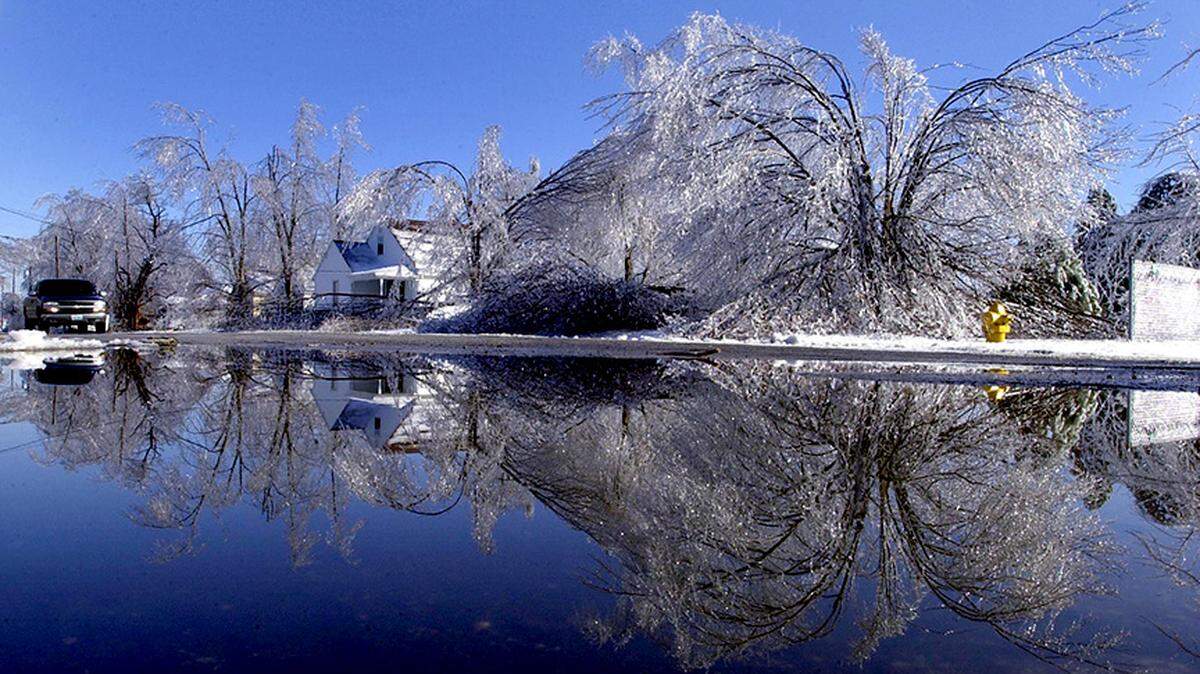
Bent, broken and still frozen trees surround a home at the corner of Chestnut and South Streets in Olathe on Feb. 1, 2002, following several days of freezing rain that downed power lines and crippled the Kansas City metro for several days.
Bent, broken and still frozen trees surround a home at the corner of Chestnut and South Streets in Olathe on Feb. 1, 2002, following several days of freezing rain that downed power lines and crippled the Kansas City metro for several days. The Kansas City Star

The Kansas City Star is revisiting its archives to showcase powerful images from the 2002 ice storm, highlighting the widespread damage and recovery efforts. These photos provide a vivid reminder of the storm’s devastating impact on the city.

From January 29 to 31, 2002, the Kansas City Metropolitan Area endured one of the most severe ice storms in its history, leaving an indelible mark on the region. The storm, which saw ice accumulations of up to 2 inches across much of the area, caused widespread devastation, resulting in power outages, dangerous travel conditions, and significant property damage.
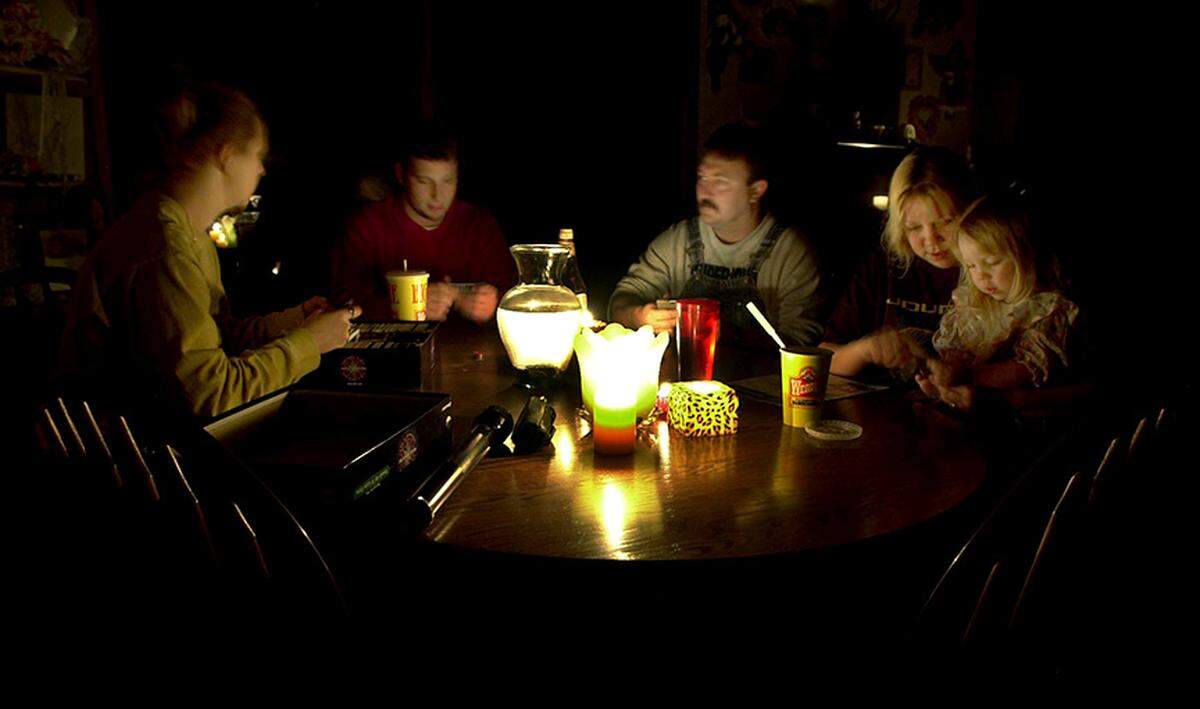
The Baker family in Shawnee brought out the candles and played a game of Who Wants To Be A Millionaire after the 2002 ice storm caused the power to go out.
The Baker family in Shawnee brought out the candles and played a game of Who Wants To Be A Millionaire after the 2002 ice storm caused the power to go out. John Sleezer The Kansas City Star

The freezing rain and sleet that blanketed the city wreaked havoc on trees, power lines, and infrastructure. Approximately 500,000 trees were affected, with many falling or severely damaged due to the heavy ice accumulation.
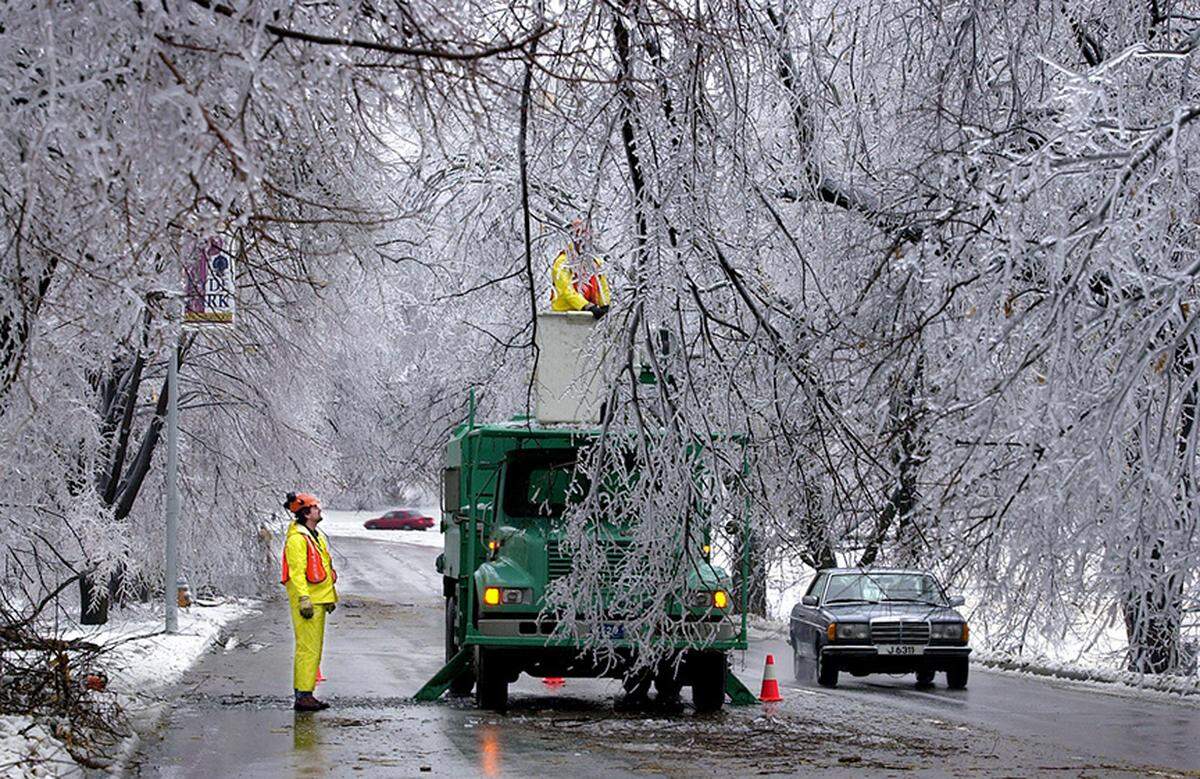
Mark Polston, left, and his co-worker, Matt Huling sawed down several hanging branches laced with ice on Gilliham Road near 37th Street in 2002.
Mark Polston, left, and his co-worker, Matt Huling sawed down several hanging branches laced with ice on Gilliham Road near 37th Street in 2002. Delores Johnson The Kansas City Star
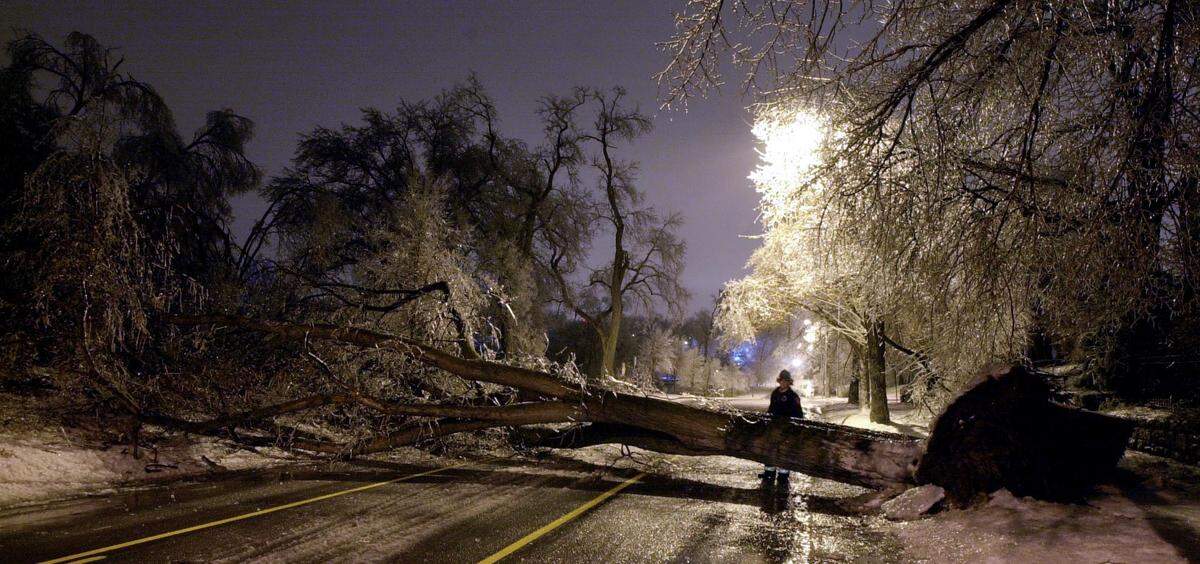
A Kansas City firefighter examined a downed tree that blocked Wornall Road at 53rd Street last on Jan. 30, 2002.
A Kansas City firefighter examined a downed tree that blocked Wornall Road at 53rd Street last on Jan. 30, 2002. John Sleezer The Kansas City Star

Power outages were widespread, leaving 350,000 residents without electricity. For many, the power was out for days, and in some areas, it took up to two weeks to restore service. The outages were exacerbated by downed power lines and the difficulty of accessing affected areas due to hazardous road conditions.
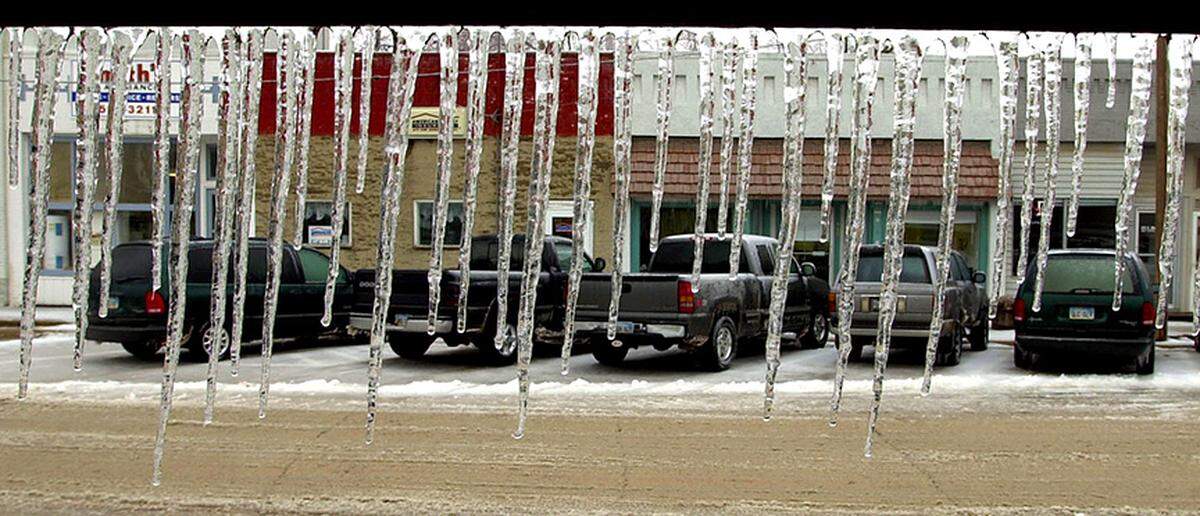
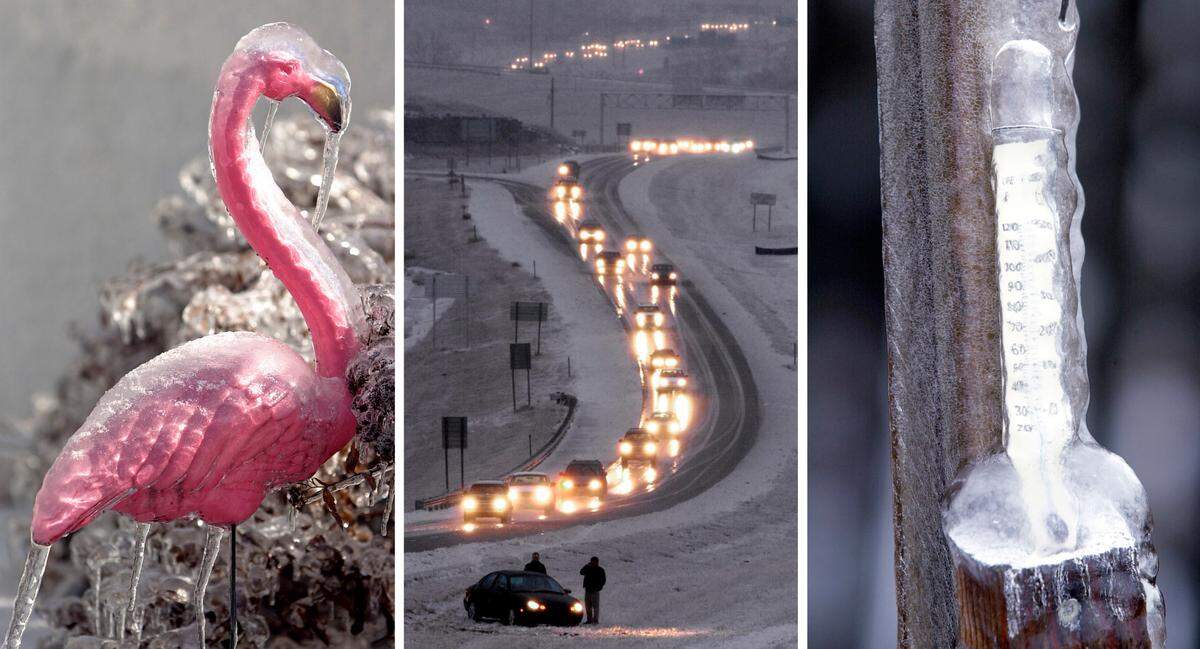
Icicles form on the front porch of the Bruce Funeral Home in Spring Hill in 2002.
Icicles form on the front porch of the Bruce Funeral Home in Spring Hill in 2002. John Sleezer The Kansas City Star
Nearly two inches of ice coated anything left outdoors in the storm. Driving on Highway 10 in Olathe was treacherous.
Nearly two inches of ice coated anything left outdoors in the storm. Driving on Highway 10 in Olathe was treacherous. John Sleezer The Kansas City Star

Travel across the metropolitan area was treacherous, with slick, ice-covered roads and bridges making driving extremely dangerous. The storm caused numerous accidents and prompted the closure of highways, forcing many people to stay home. Schools and businesses across the region shut down, with local authorities urging residents to stay indoors and avoid unnecessary travel.
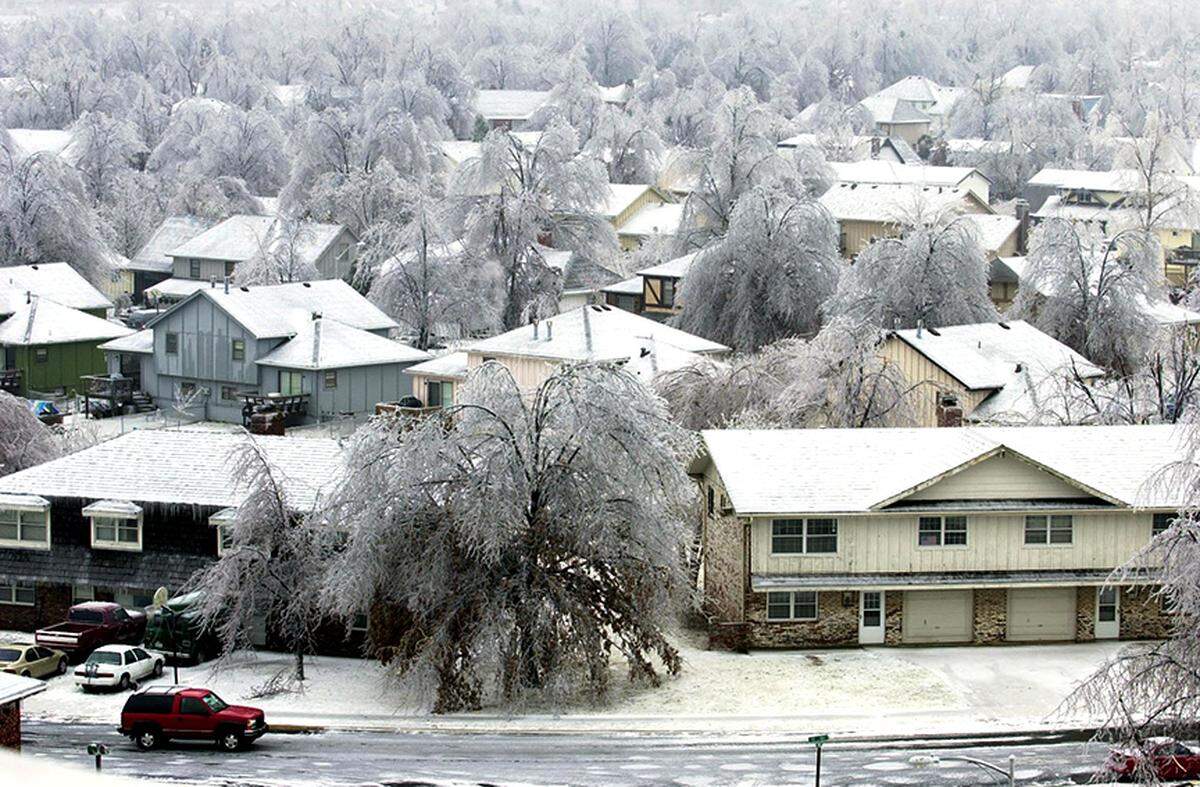
Area residents awoke to a vista of ice-heavy trees and glazed rooftops, like these seen form the Good Samaritan Towers in Olathe in 2002.
Area residents awoke to a vista of ice-heavy trees and glazed rooftops, like these seen form the Good Samaritan Towers in Olathe in 2002. John Sleezer The Kansas City Star

One of the most concerning effects of the ice storm was the collapse of several building roofs under the weight of the accumulated ice. In addition to the damage to homes and businesses, this added an extra layer of difficulty to an already complex cleanup and recovery process.
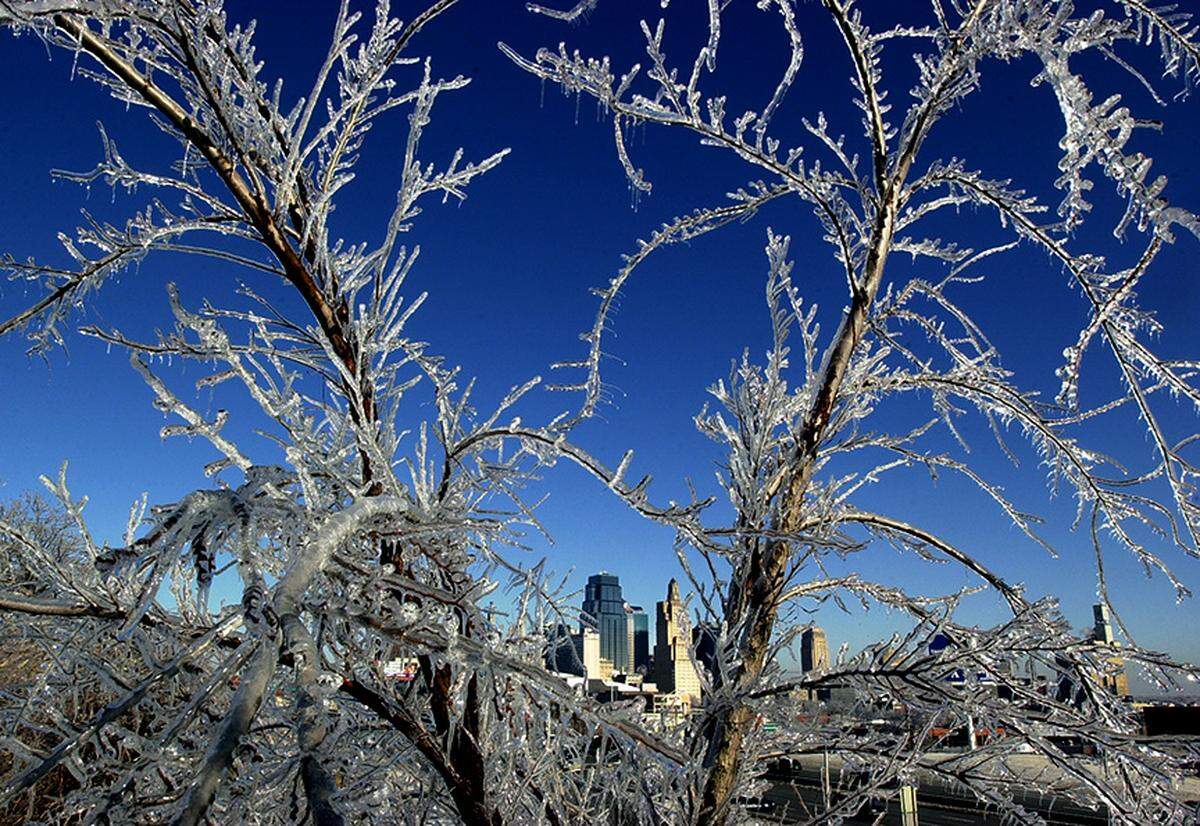
Downtown Kansas City can be seen through ice-covered branches in 2002, from the West Side along Interstate 35.
Downtown Kansas City can be seen through ice-covered branches in 2002, from the West Side along Interstate 35. Keith Myers The Kansas City Star

In total, the cleanup efforts were estimated to cost around $28 million, as crews worked tirelessly to remove fallen trees, restore power, and clear roads. Despite the scale of the destruction, the resilient Kansas City community came together, with residents, businesses, and local authorities working in unison to recover from the storm’s impact.
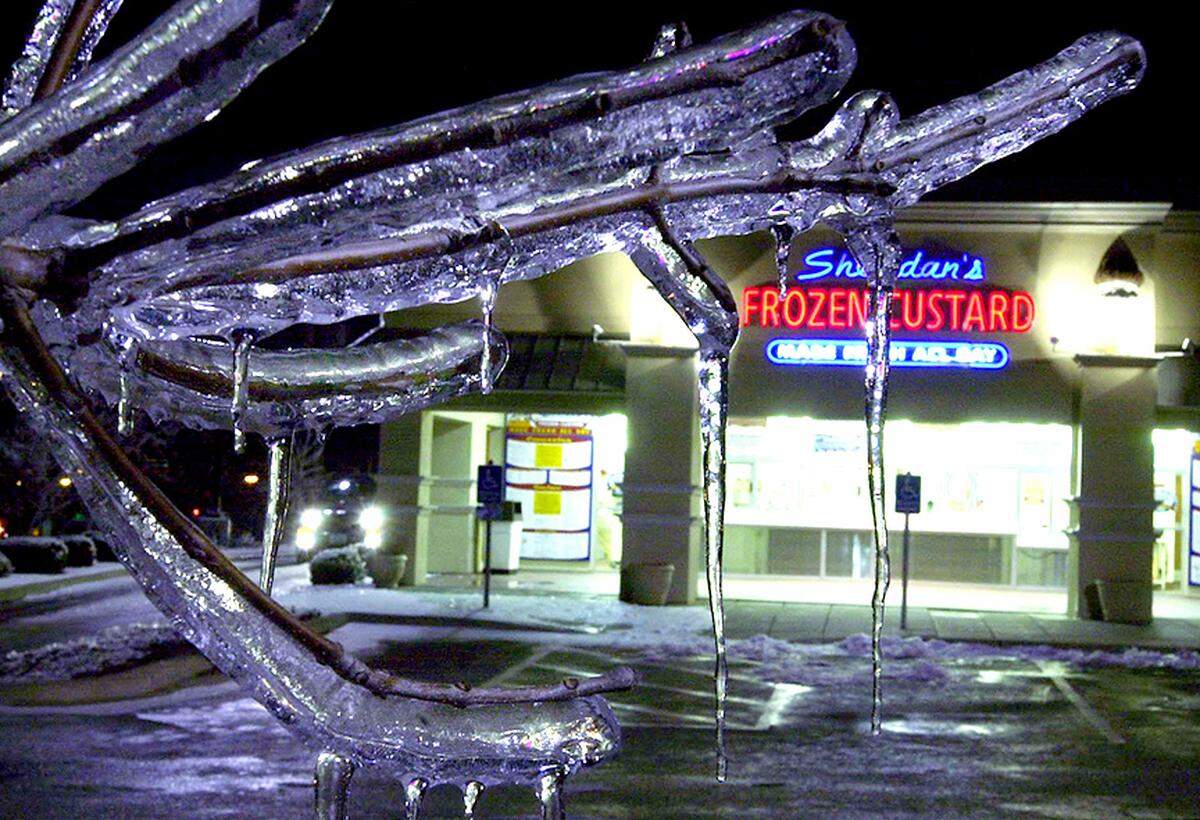
Icicles hang from a tree in the parking lot of Sheridan’s Frozen Custard store in Olathe in 2002,
Icicles hang from a tree in the parking lot of Sheridan’s Frozen Custard store in Olathe in 2002, John Sleezer The Kansas City Star

The 2002 ice storm remains one of the most devastating weather events in Kansas City’s history, serving as a reminder of the unpredictable power of nature and the importance of preparedness during severe winter weather.
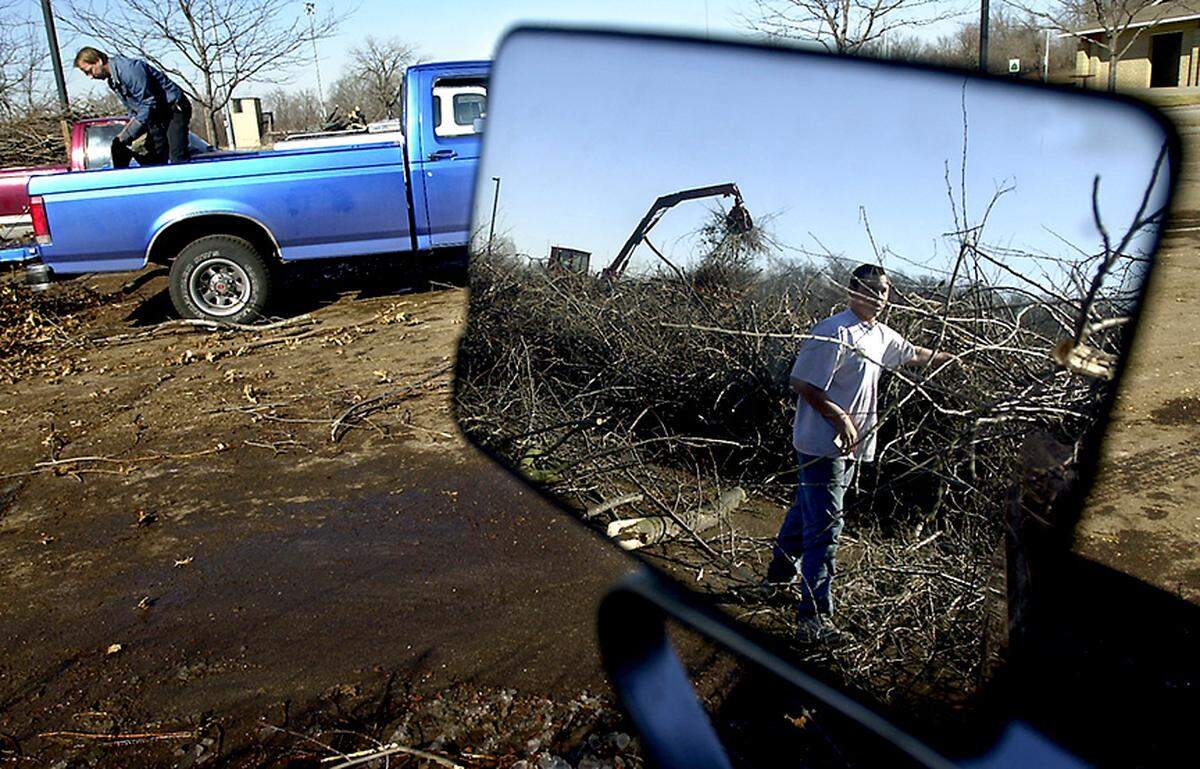
Once the thick ice melted from trees after the ice storm, it was time to clear debris. Ronnie Fellers of Blue Springs unloaded tree limbs from his truck in 2002.
Once the thick ice melted from trees after the ice storm, it was time to clear debris. Ronnie Fellers of Blue Springs unloaded tree limbs from his truck in 2002. Whitney Curtis The Kansas City Star
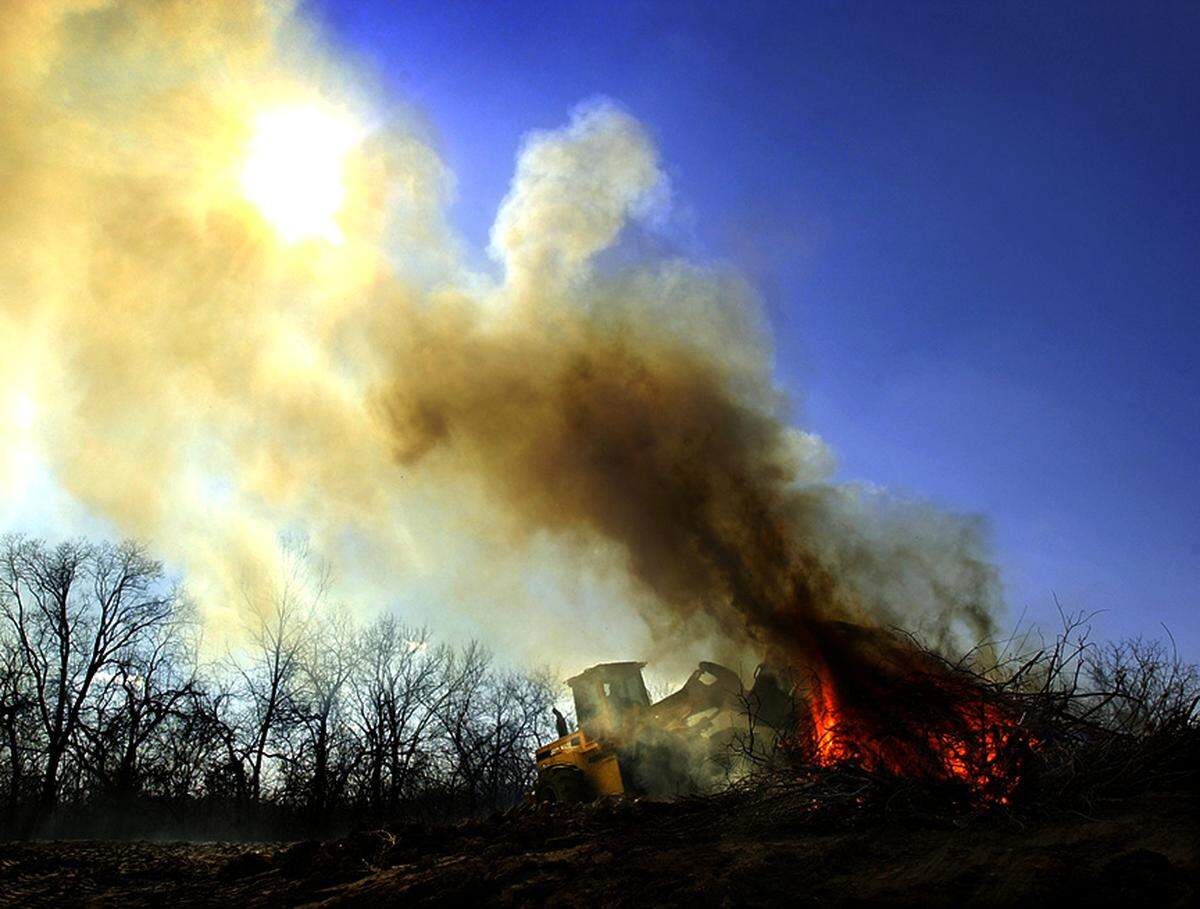
In 2002, the Unified Government of Wyandotte County was burning debris from the ice storm in Coronado Park.
In 2002, the Unified Government of Wyandotte County was burning debris from the ice storm in Coronado Park. Keith Myers The Kansas City Star

Follow More of Our Reporting on Uniquely KC

Monty Davis
The Kansas City Star
Monty Davis is a video producer and has been with The Kansas City Star for 20 years. He specializes in telling human interest video stories using mobile gear such as his iPhone 13 Pro. Recently he took up an interest in deltiology which is the study and collection of postcards. From that came a new series for The Star called Past | Present. When he’s not working, he’s spending time with family, his pugs, kayaking and reading historical biographies about the American Revolution and the Civil War.
Get unlimited digital access
#ReadLocal

Try 1 month for $1

CLAIM OFFER