KCK slashes funds for neighborhood upkeep. How residents fear it will hurt quality of life
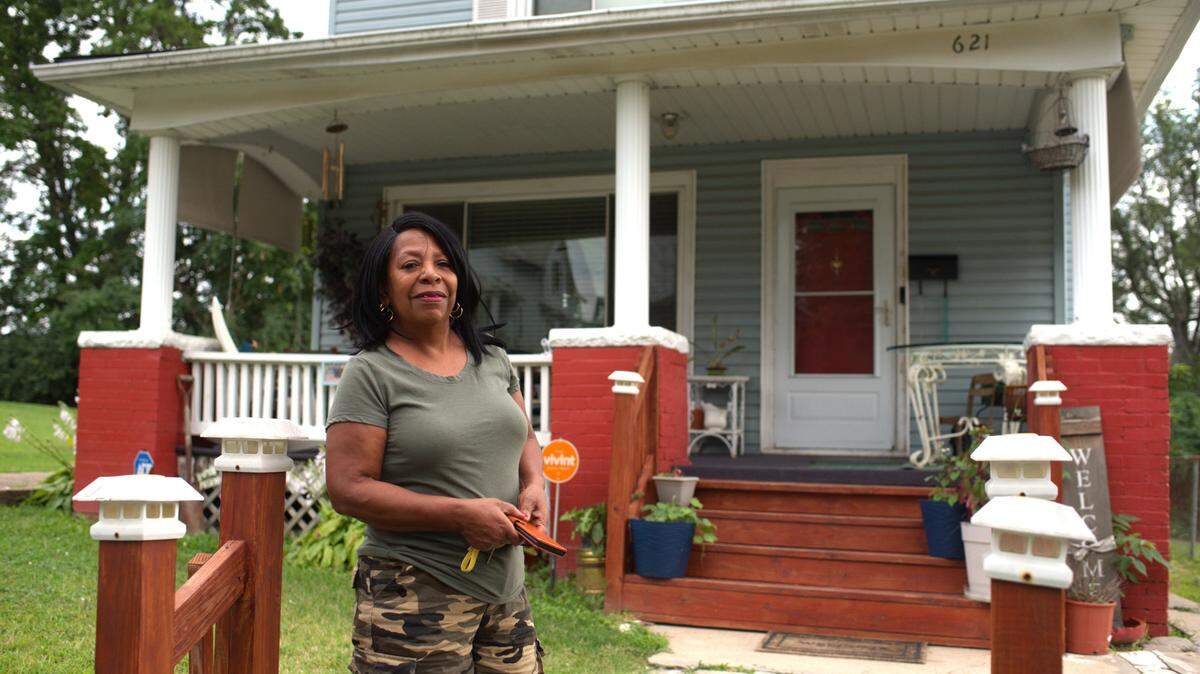
Some days, Vanessa Robinson gets mad just sitting out on her front porch.
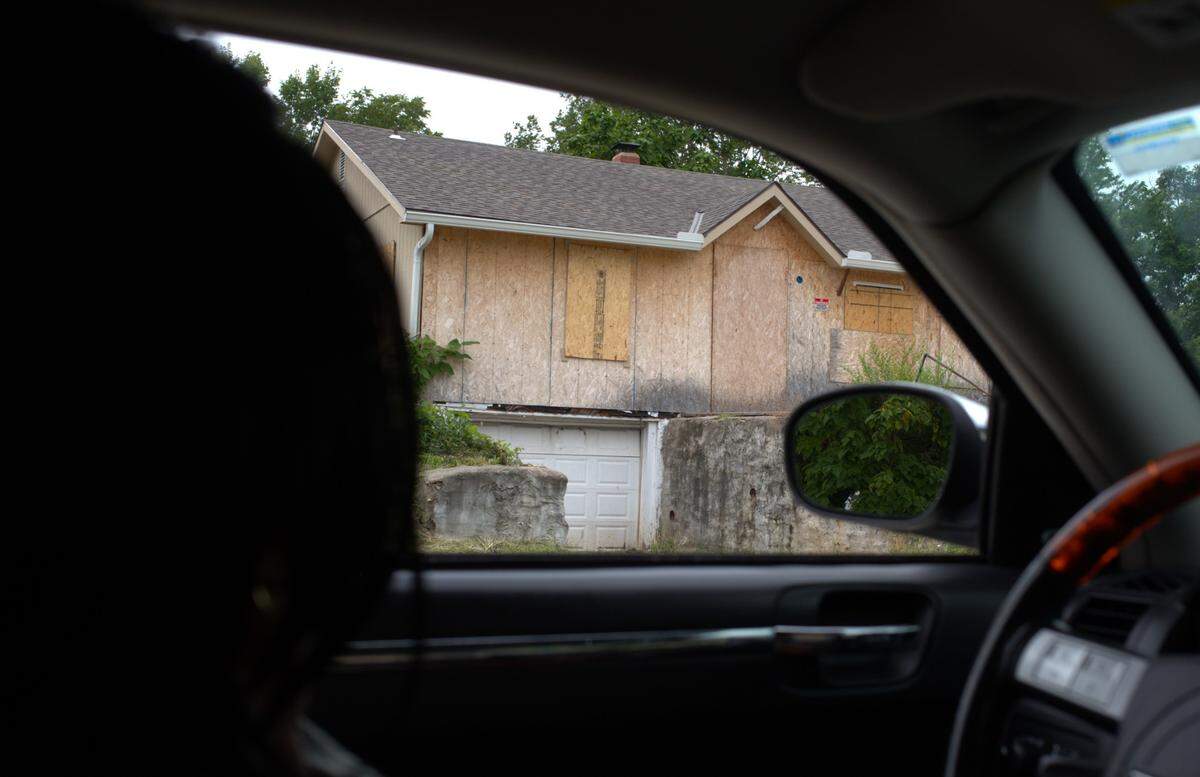
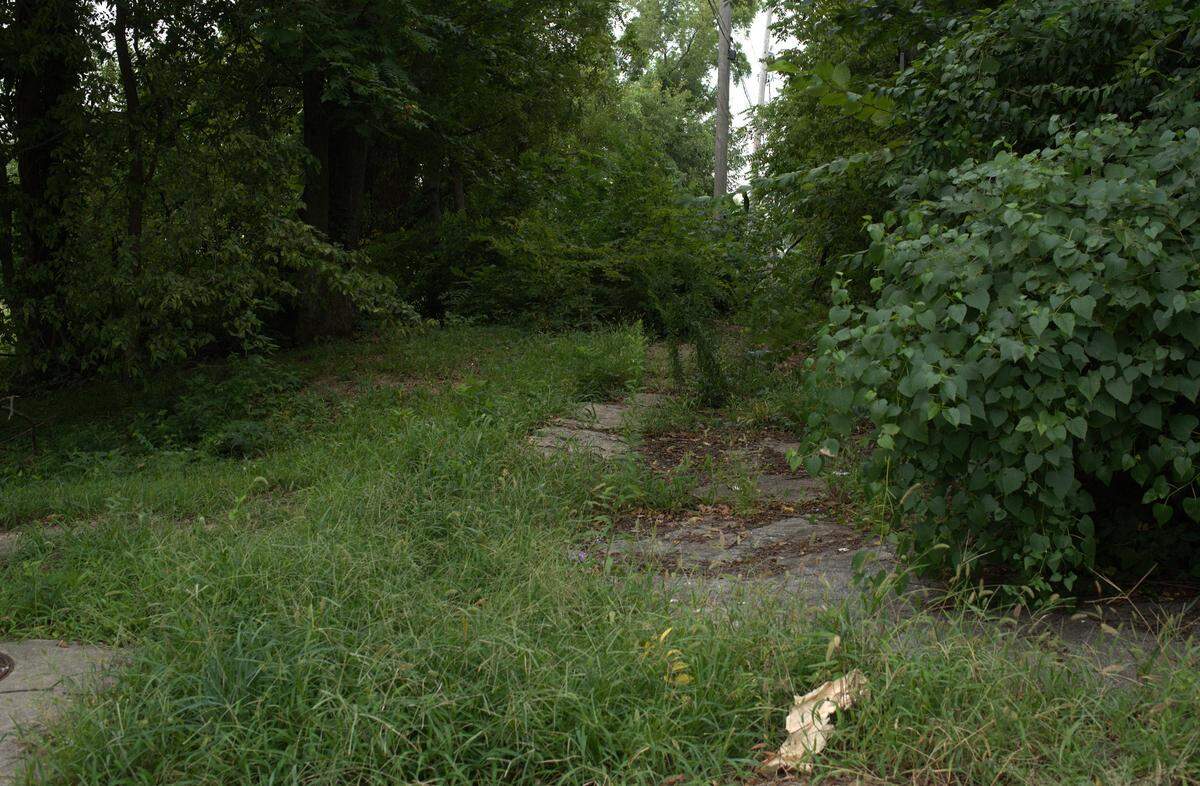
Across the street are two abandoned houses with tall grass, one with a patio cover on the verge of caving in. Empty lots occupy space on either side of her home. And throughout her neighborhood are downed trees, discarded trash bags, broken sidewalks and alleyways blocked by overgrowth.
“Just jacked up,” Robinson, 68, told The Star during a recent driving tour of northeastern Kansas City, Kansas. “Would you want to live down here? Even if somebody put up a house for rent. Look at that. Looks like we live in the country.”
As president of her neighborhood group, called Caring Neighborhood Association, Robinson says she does what she can to better the area she’s called home her whole life.
She relies in part on services provided through the Livable Neighborhoods program, a 30-year-old community resource credited with boosting volunteerism, blight removal and more cohesive neighborhoods.
But next year, public funding for the government office is facing steep cuts. Those come as the Unified Government of Wyandotte County and Kansas City, Kansas, is tightening belts across its departments to meet concerns raised by residents who have begged city and county leaders to reduce the burden of property taxes.
Elected commissioners in June placed a cap on property tax revenue collection to use for Unified Government services, forcing a round of cutting to city and county programs as costs are rising due to contractual obligations, employee raises and inflation. The spending plan, which passed on a 6-4 vote last week, slashes roughly $17 million across city and county budgets.
Cuts were made without employee layoffs or furloughs. But some departments saw unfilled positions eliminated and others redesignated, including Livable Neighborhoods, a division of the Neighborhood Resources Center.
Among the broader cuts outlined in the budgets is also a $750,000 reduction for the Parks & Recreation Department, which will trim costs by reducing its land maintenance operations, including the care of vacant lots in Wyandotte County.
Robinson, a lifelong resident of northeastern Kansas City, Kansas, says she receives a modest grant annually that she spends to host block parties, clean up litter and pay for lawn-mowing in unkempt parts of the neighborhood.
A part of the city beset by redlining, Robinson has witnessed the once vibrant community she grew up in struggle as houses have disappeared, businesses along Quindaro Boulevard shuttered and many neighbors have moved out.
Robinson says some of the money the neighborhood group receives goes to pay for services the city and county should already provide, such as more frequent maintenance of its large stock of publicly owned land in northeastern Kansas City, Kansas. Many properties in the northeast that fell into tax foreclosure are now part of the county’s Land Bank.
“I gotta pay somebody out the grant money to do y’all’s job,” Robinson said.
She is not the only one worried.
Over the past few weeks, as elected leaders weighed cuts proposed by top city and county staffers, the Livable Neighborhoods division — a sort of nerve center that assists dozens of neighborhood groups across Wyandotte County neighborhood groups — became a line item of concern. Among those voicing protest have been neighborhood leaders, including Robinson, and a former director of Livable Neighborhoods.
The two-person office manages partnerships between neighborhood groups, including oversight of assistance grants, the external nonprofit Livable Neighborhoods Taskforce and eight Neighborhood Business Revitalization organizations. It also coordinates the minor home repair program and distributes information about community resources.
Amanda DeVriese-Sebilla, president of the Southwest Argentine Neighborhood and executive director of the Argentine Betterment Corporation, said the home repair program has been of significant help to the residents of her community.
“I don’t know all the details of the impact yet, but I’m slowly learning different ways that it’s going to affect us, and Liveable Neighborhoods is a huge asset to the community,” she said.
The city and county are set to spend roughly $473 million next year. The Livable Neighborhoods office last year cost about $489,000 to run, according to the Unified Government’s budget documents.
Next year both of its full-time positions, including an executive director who resigned earlier this year, are being eliminated. The other employee is being reassigned to a communications division but will continue to provide services for Livable Neighborhoods, according to the Unified Government.
In all, the Livable Neighborhoods program is to receive $130,000 in funding, or roughly 73% less than in 2024.
The office also coordinates a monthly meeting with neighborhood group leaders. Last week, County Administrator David Johnston briefed the group and answered questions about the cuts, some of which he acknowledged are unpopular.
Responding to concerns raised by attendee Paul Soptick, the county administrator said those changes are done and “we’re not going backward” for the year at hand.
“Every department had to contribute cuts, but we’re still going to try to make it work the best that we can,” Johnston said, advising those in attendance to be engaged in the budget process next year “as we look past this reset” for 2025.
Soptick, president of Wyandotte Countians Against Crime and active in the group since 1996, told The Star after last week’s meeting the Livable Neighborhoods office has long been short-staffed and provides essential assistance to the neighborhood groups, including information, copying and phone tree services.
“That’s why I think Livable Neighborhoods is the glue that holds us together with the city,” Soptick said, adding: “You take all the neighborhood groups that we have, and you multiply that by the numbers of bodies that are in those groups. You’re talking about thousands of people. So, I would hate to see the budgeting cuts slow that communication down to the people on the street.”
In past years, Soptick said the neighborhood groups collectively calculated tens of thousands of volunteer hours that deliver value to residents in need. Examples of his group’s volunteerism include management of a small orchard to feed the hungry and mowing lawns for elderly residents who struggle to manage their properties.
“If we lose that contact, if we lose those resources, we’re going to lose a lot of that,” Soptick said.
Editor’s note: An earlier version of this story contained an incorrect name for a neighborhood organization in Kansas City, Kansas. The correct name is Caring Neighborhood Association.
This story was originally published August 26, 2024 at 6:00 AM.