WyCo, KCK officials warn of impacts to public services after sweeping budget cuts
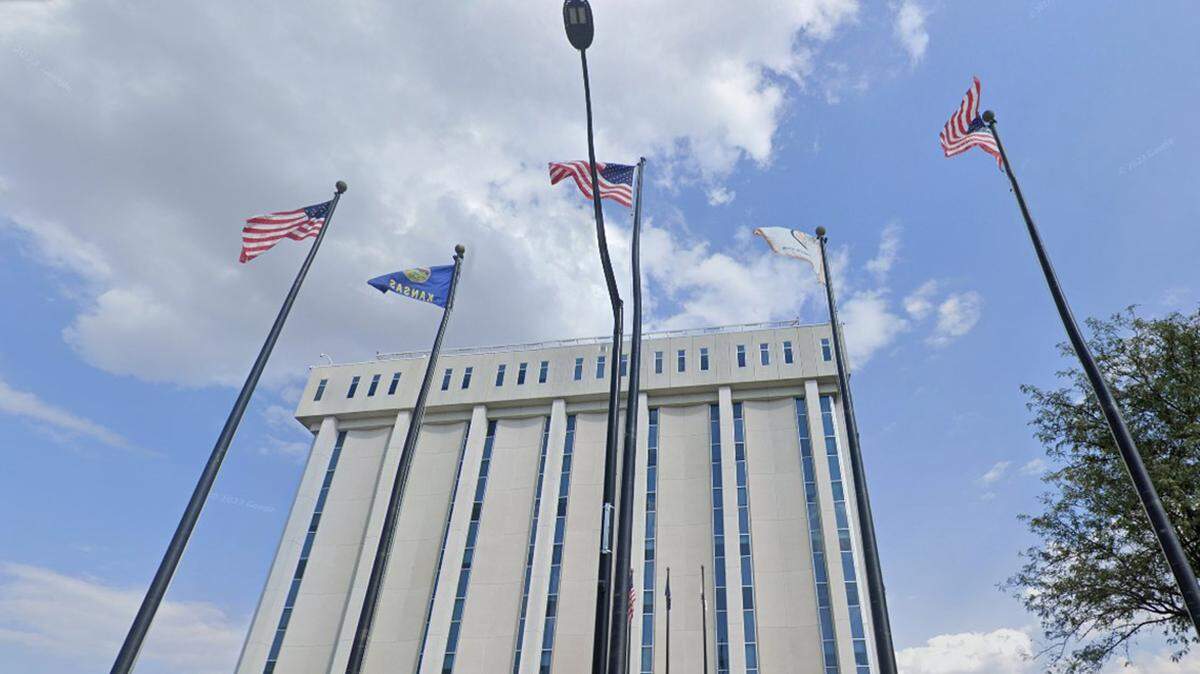
Less than two months after a decision to cap property tax revenue, Unified Government of Wyandotte County and Kansas City, Kansas, commissioners passed budgets Thursday with significant cuts to city and county services that will take shape next year.
Over the past two weeks, local government leaders identified roughly $15.4 million in spending to carve out. Reductions were necessary, according to top staffers, as costs will naturally rise to meet contractual obligations, employee cost-of-living raises and inflation.
No public employees will be laid off or furloughed, according to county administration. Dollars were saved in large part through the reductions of unfilled positions, overtime, capital projects and some programs.
Earlier this month, County Administrator David Johnston outlined a proposed budget that curtailed roughly $4.6 million in mostly personnel expenses for police, firefighters and sheriff’s deputies. He also warned commissioners there was no wiggle room, and any restorations of funding would require a decrease elsewhere.
Other cuts include parks and recreation, which will see its operating budget scaled back by $750,000. Savings will come through reduced maintenance, including less frequent lawnmowing on publicly-owned property.
The public works department is set up to see $790,000 in cuts from open jobs and fleet maintenance. And the Neighborhood Services Center will be cut by $620,000, raising concerns among area neighborhood leaders over volunteer and community service programs.
Another item on the chopping block is public transportation. Federal COVID-19 pandemic relief funds will dry up next year, leaving a $2.4 million shortfall the Unified Government may close with the elimination of two bus routes run through the Kansas City Area Transportation Authority.
Property tax woes
The cuts are driven by a 9-0 decision commissioners made in June to adopt a so-called revenue neutral budget. In 2021, the state created new mandates for local governments that require a more extensive public engagement process whenever residents are expected to see any increase on their property tax bills.
Residents have long been pressuring commissioners to do something about rising property taxes, including some who say they’re being taxed out of Wyandotte County. While tax rates have stayed largely flat, increases have been felt by homeowners as property values have risen substantially due in part to a housing shortage.
Mayor Tyrone Garner, who has advocated for property tax relief throughout his first term, acknowledged Thursday the budget will not lead to a reduced cost for taxpayers. And he relied on a few words once famously delivered by former President John F. Kennedy during his 21 minutes of closing remarks on Thursday.
“I have to challenge our residents as well when we talk about shared sacrifice,” the mayor said Thursday in a wide-ranging speech that touched on hopes for efficiencies in local government, an improved business climate and lower costs for residents overall.
“And to take specific notice to President John F. Kennedy’s again, inauguration quote, where he says that ‘We ask not what your country can do for you. But ask what you can do for your country.’”
Commissioners passed the county and city budgets by a 6-4 margin. Concerns hovered on impacts to all city services, including police and firefighters.
“Be careful what you ask for, ‘cause you might get it,” said Commissioner Mike Kane, 5th District, who also referenced the diminished ability to fix major roads.
“There were ways to do what some of the folks wanted to do without this big a hit. This hit is going to continue on for a couple more years,” Kane said.
Also voting against the spending plans was Commissioner Christian Ramirez, 3rd District. He previously voted in favor of the revenue neutral policy, a step he says the residents of his district disagree with.
“This is a fiscally irresponsible policy directive that we have done. Yes, I voted for it. I regret my vote,” Ramirez said.
Speaking to reporters after the public hearing Thursday, Garner rejected the idea that the cuts will be “a huge hit.”
“Our police officers will still be patrolling, our firefighters will still be responding. Infrastructure projects are still on schedule to move forward. Trash will still be picked up,” Garner said, adding the spending plan maintains a “functional government that our residents have come to expect and what they deserve.”
For all the cuts in the Unified Government, property taxes bills are likely to increase next year anyway for many Wyandotte County residents.
The Unified Government’s levy is only one item on the tax bill. Of the taxing districts in Wyandotte County, the largest ones outside the Unified Government that have committed to a revenue neutral budget are the Kansas City, Kansas Community College and Wyandotte County Library. City leaders in Bonner Springs and Edwardsville and area school districts have signaled property tax collections may increase.
Increased fees on BPU bills
Other actions taken Thursday by commissioners concern the public utility bills residents will see next year.
The Board of Public Utilities PILOT collection, or payments in lieu of taxes, will decrease from 11.9% to 10.9% for residential customers only. The rate will stay the same for commercial businesses and nonprofit organizations.
The Unified Government directed the BPU, governed by a separate elected board, to remove the long-hated PILOT fee from utility bills by Oct. 1. Johnston, the county administrator, has said the municipally owned utility is incorrectly charging customers directly when the money is supposed to come out of BPU’s coffers.
Some local activists have taken issue with that step, raising concern that the obvious fee will be hidden and replaced with rate hike. The public utility’s leaders have yet to say how they will address the situation.
Next year the Unified Government will depend on roughly $37.1 million generated through PILOT collections to help fund city operations.
Commissioners also increased rates for sewer and trash collection fees that will appear on public utility bills.
Sewer increases are meant to address infrastructure investments needed to comply with the federal Environmental Protection Agency’s consent decree. The fee is set to rise by 4%.
Trash collection will increase by $1.07 per month, totaling $19.01 per month, to meet step increases with the local government’s contract with private company Waste Management. The higher fee is also meant to keep other trash disposal programs run by the city and county government afloat.