As cold snap persists, Kansas City shelters open more beds for unhoused residents
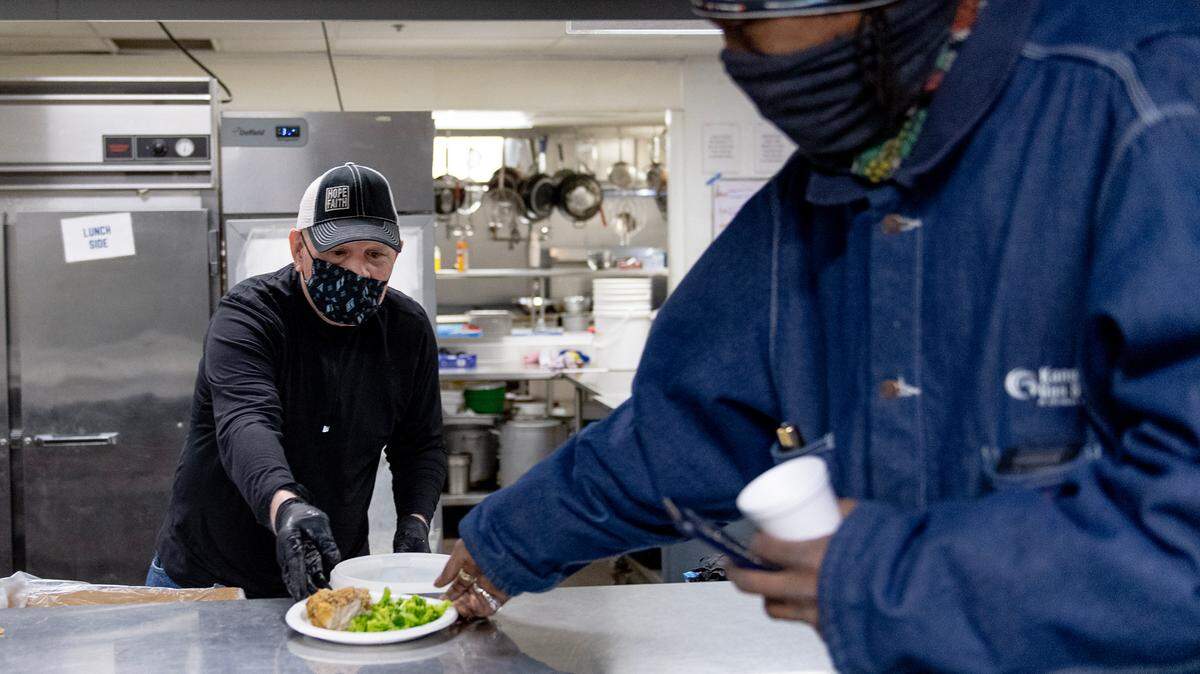
As dangerously cold temperatures persist in the Kansas City area, the city has worked with local shelters and organizations to expand resources for unhoused residents.
The city’s cold weather strategy opens more than 200 additional beds across 10 locations — regardless of conditions — between Dec. 1 and March 1. If temperatures drop further, more beds are made available.
The cold weather plan provides low-barrier shelter to ensure as many people as possible have a warm place to stay, said Josh Henges, Kansas City’s homelessness protection coordinator.
As the metro area continues to experience a cold snap with temperatures dropping below zero, 450 additional beds have been made available across the city this winter. Last winter, he said the city provided around 200 additional beds when temperatures dropped.
“(It) is a massive improvement overall,” Henges said. “We’ve been able to provide more shelter for folks every year, and this is our best one yet.”
Before the city was blanketed in snow last week, Henges said many people were already seeking services at shelters like Hope Faith. With temperatures and wind chills dropping into the negatives, he expected even more to look for a warm place to sleep.
Creating low-barrier shelters during the winter months helps utilization rates, Henges said. Eventually, he wants the city to have low-barrier shelters offered year-round so that as many people as possible can seek shelter.
When temperatures fall below freezing, City Union Mission, another Kansas City shelter, opens an additional 20% of its shelter space for overflow beds at both its locations. The shelter was at capacity Thursday as the bitter cold persisted across the metro area, according to CEO Terry Megli.
After the shelter hits capacity, Megli said City Union Mission will refer those individuals experiencing homelessness to the other emergency shelters organized across the city. His organization has also done outreach to encourage unhoused men to seek shelter as temperatures drop, since they’ve found men have been more likely to stay outside longer than women and families.
At Shelter KC, Executive Director Eric Burger said staff members are trained to look for signs of hypothermia and frostbite in each person who enters. He hopes that events the shelter has hosted the last two years to give out winter gear, including boots, gloves and socks, will reduce the amount of frostbite they’ve seen in previous years.
Shelter KC is currently sleeping about 75 people in its emergency shelter and around 120 in its addiction recovery program.
Megli and Burger encouraged people who want to help to donate money or in-need items, which can be found on each shelter’s website.
People in need of information on shelters and other resources during the extreme cold can visit kcmo.gov/cold or call the Activation Hotline at 816-513-3699 for more information.