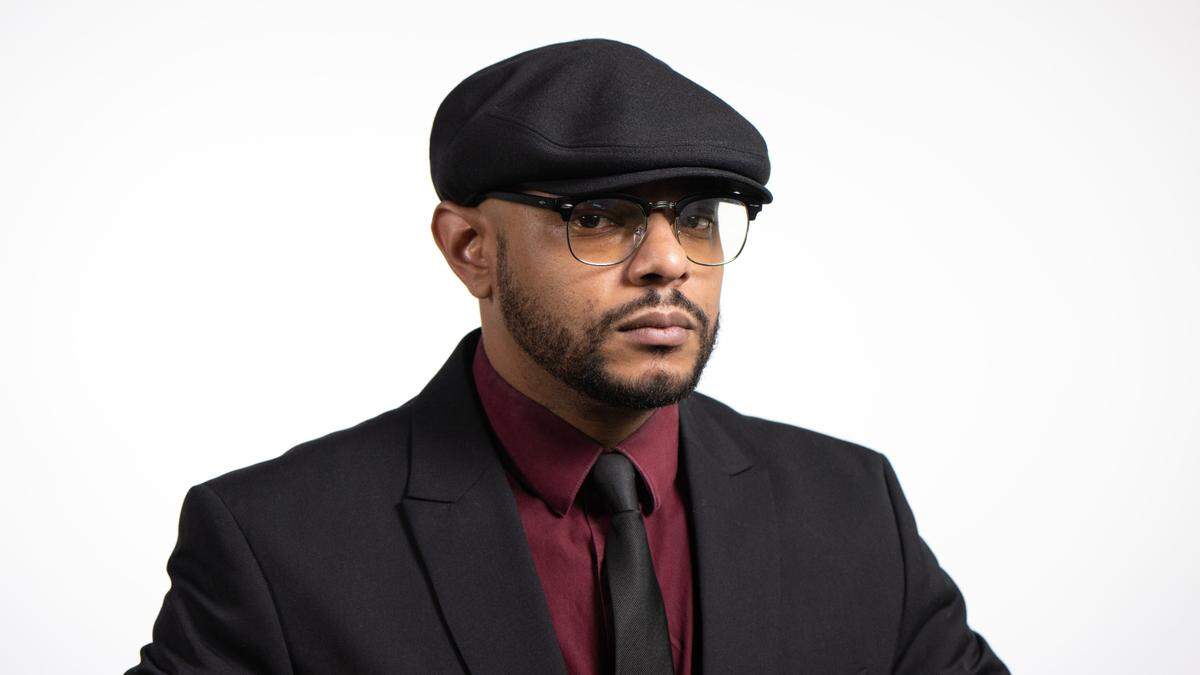
Beyonce exalts this Black queer subculture. A KC competitor and a designer are thrilled
.JPG "Beyoncé will bring her Renaissance World Tour to Arrowhead Stadium on Oct. 1.")
(Editor’s note: Do you want to commemorate the finale of Beyoncé’s Renaissance Tour in Kansas City? Sign up to get a free digital download of The Star’s front page sent to your email after the concert.)
When he is not ripping the runway in the LGBTQI subculture of ballroom competitions, Keith Irvin Jr. — stage name Father Papi Alain Mikli — works as a flight attendant traveling the country.
But this Sunday, he’s made sure to be back home to attend a show that’s huge in his community: the last stop of Beyonce’s Renaissance World Tour, coming to GEHA Field at Arrowhead Stadium.
A fan since he was a teenager, Irvin sees the Grammy-winning artist as one of the loudest champions of ballroom culture.
”It’s an honor,” said Irvin, a Kansas City native who performs on the national ballroom circuit. “I feel like she took those terms, words and dance moves from a place most still see as taboo and made it a trend or craze.”
Irvin, 36, has been involved with ballroom since 2008 and was a contestant on season three of HBO Max’s “Legendary,” about the ballroom scene.
”It’s a form of self-expression and it allowed me to tap into my inner creativity,” says the Ruskin High graduate. “The way I like to explain ballroom, it’s sort of like the Olympics of a marginalized community within the LGBTQIA community.”
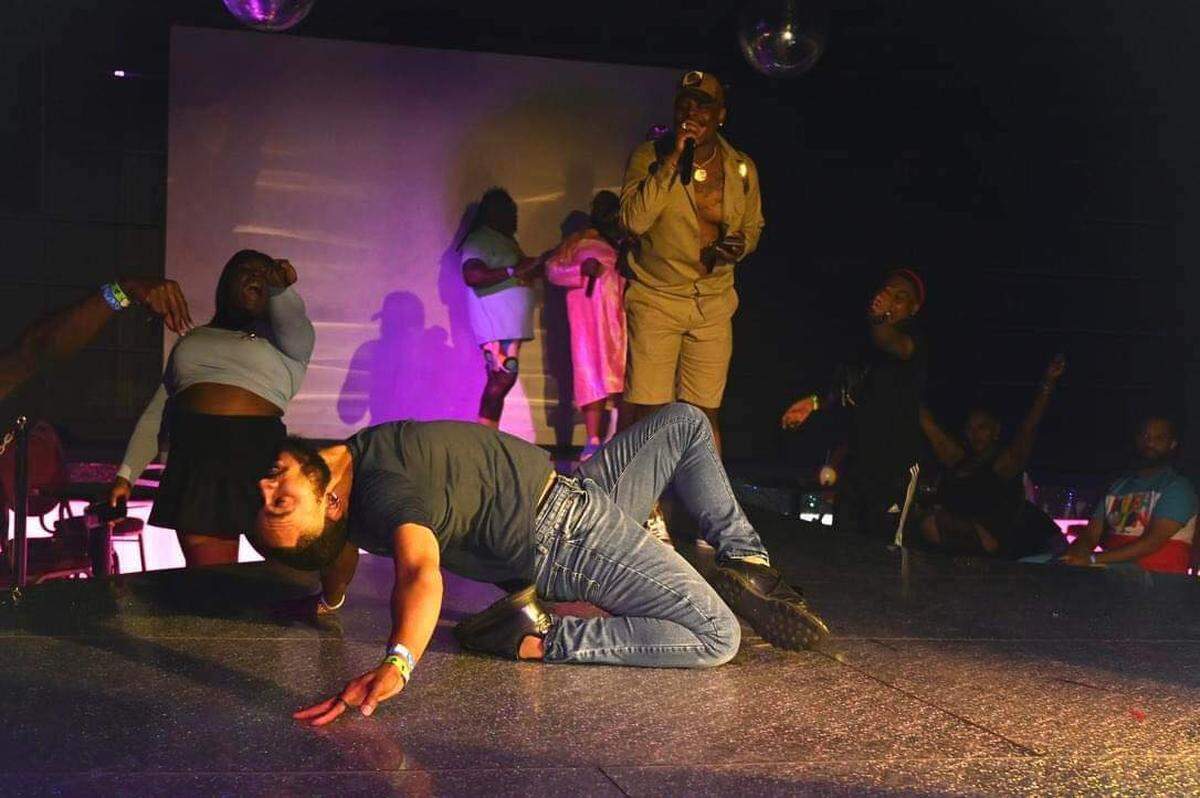
With Beyonce wrapping up her tour, fans have been captivated by a stage show that captures the spirit of ballroom.
Her “Renaissance” album is dedicated to the memory of her late uncle, who died from AIDS, and pays homage to the man who introduced her to the ballroom sound, look and attitude.
Tracks like “Break My Soul,” “Pure/Honey,” and “Summer Renaissance” teem with the upbeat flair of the ’80s subculture. The Houston-born singer has woven the influence of ballroom into her music for years, with phrases like “Snap for the kids,” in her 2007 single “Get Me Bodied,” which, unknown to many then, was a reference to gay Black performers in the ballroom scene.
With the scene gaining more mainstream recognition with TV shows like “Pose” on FX and “Legendary,” KC’s ballroom community patiently awaits the arrival of one of ballroom’s biggest admirers.
The ballroom underground emerged in the 1920s during the Harlem Renaissance, created by Black queer performers kept out of drag shows dominated by white performers.
The outcome was the creation of ballroom houses, a family unit that performed together and acted as a second “chosen family.”
Ballroom fused dance, fashion and singing into a performance that transcended barriers and racial divides, with white members of the LGBTQIA community appreciating the high-octane competitiveness and spectacle.
For performers like Irvin, Beyonce has become a shining symbol of someone who has appreciated the culture as a fan but also influenced its progression. For over a decade, Beyonce has created songs like “Single Ladies (Put a Ring on It),” “Run the World (Girls)“ and “Diva,” which have become anthems within the scene.
Her music is filled with the confidence and creative daring that ballroom has always stood for. Irvin believes that ballroom performers of his generation see Beyonce as the apex of what it means to be a master performer, and many channel her persona on stage.
”A lot of things she has done have influenced a lot of people involved in ballroom over the years, whether it’s fashion or how she performs,” he says. “She has this essence and energy and overall willingness to push the envelope in her performances.”
On this tour, Beyonce has asked her audiences to wear silver, which the singer is adorned in on her album cover atop a silver horse. The motifs call backs to the disco ball and sequin designs of past icons in the Black queer community like Donna Summer and Diana Ross.
De’Angelo Daniel, a Kansas City designer and stylist, says that at previous Beyonce concerts he has attended, each show is a spectacle with several outfit changes — and that motivates audiences to go all out with their own outfits.
”When you look at the history of our concerts, most people just sort of went as they are,” says Daniel. “But now that fashion and things have become more accessible, people have begun to go over the top, and she knows Black people love a reason to dress up.”
Daniel is from Chicago and experienced the high-energy ballroom scene there, styling contestants. He’s been designing and styling creatives in the KC urban core for over two years.
”Ballroom has its own language, its own vibe and it moves very fast,” says Daniel. “We are seeing Beyoncé grow and evolve and use little nuggets from ballroom like Madonna did with voguing.”
The 38-year-old stylist and owner of DeLo Stylez, has watched the influence of ballroom grow over the years with performers like Beyonce, something all members of the LGBTQIA community should be proud of, he says.
Irvin says that because the scene was formed when queer members of the Black community could not simply walk into your local boutique and buy a dress, they had to get creative.
”Ballroom used to be people taking things around the house like shower curtains, towels and lampshades and making it look like fashion outfits,” says Irvin, who is a member of the House of Alain Mikli and founder of the Kansas City chapter. “They took things that are seemingly imperfect and made them look glamorous.”
Daniel has styled clients for previous concerts in Kansas City, but this will be his first time styling for a specific concert theme. Though not a personal fan of the silver color scheme, he dares not to deviate from the instructions given by Beyonce.
”If the Queen says we wear silver, that’s what you wear,” says Daniel. “I don’t want to say it’s like church, but it has its own energy and flow and its own essence to it.”
Kansas City used to have one ballroom competition a year, in June for Pride Month, but this year, another event was held in early September and a third is planned for December.
Although excited for the long overdue mainstream popularity, they know once ballroom is shared with the world it no longer belongs to just one group.
“I think there is this worry that we need to gatekeep as it becomes bigger and you start to see the look, sound and words become more common,” says Irvin. “That line has already been crossed and most people don’t even know that ballroom is already here. Its been here and it is up to us to make sure people know where these trends came from.”
This story was originally published September 29, 2023 at 5:30 AM.