
‘Never complained.’ Nellie Bland, longtime Olathe schools cafeteria worker, dies at 83
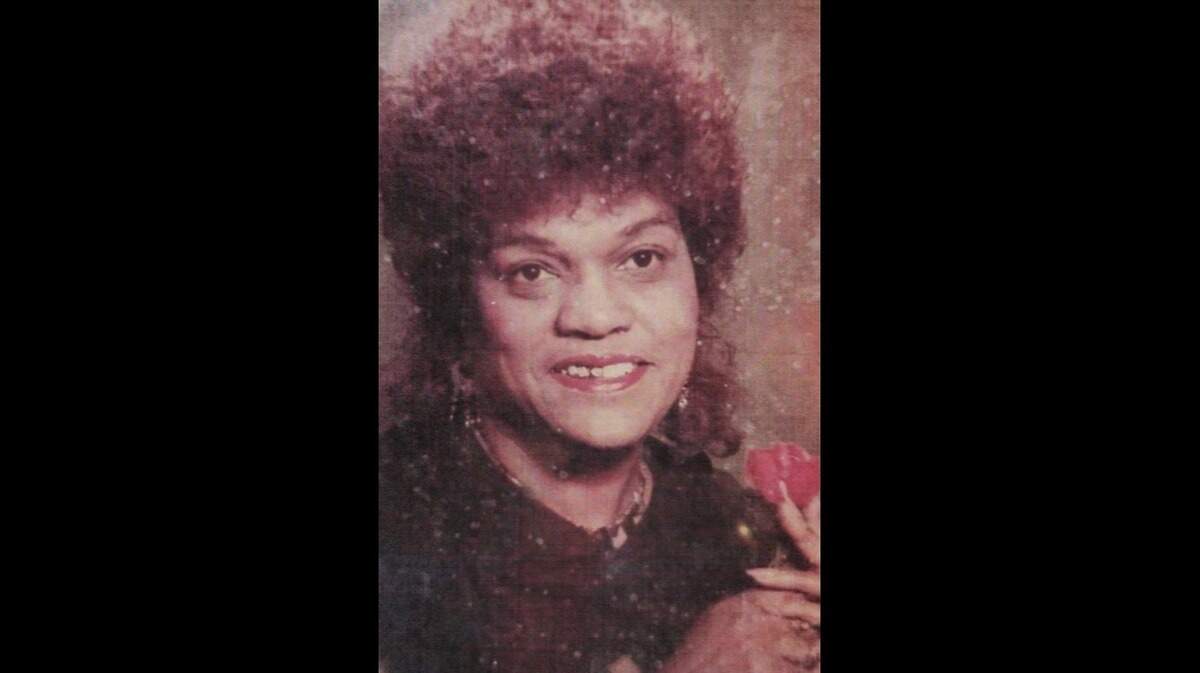
When Nellie Bland would get home from her job at 2 p.m. — her kids still off at school, leaving precious time to spare before she had to prepare dinner — she did something for herself, perhaps the only selfish decision made in the course of her rigorous work-filled days: She took a catnap.
By 3 p.m., the mother of four was fast asleep, her son, Wayne Cubit, now 61, said. Exhaustion, deep in her overworked bones, took over.
She was tired from her job, which at that time began before 6 a.m. in a cafeteria. Tired from being a single mother relying on a small paycheck and meager government subsidies to keep up with the never-ending stack of bills.
But she didn’t complain — not ever that Cubit can recall. Hard work, even monotonous and repetitive work, didn’t bother her. It gave her purpose.
Bland, who died on April 17 at the age of 83, reported to work each week and enjoyed it, fueled by an innate desire to serve others, her family said. That love of service extended especially to her own flesh and blood, which included her kids, her 22 half-and-full-siblings and her dozens and dozens of extended relatives. She played the host at all their family get-togethers.
At times it seemed to Cubit his mother was “always preparing to go to work.” There came a time — after her kids were grown, and after she married a successful concrete worker named Sammy Bland who moved them into a house in Olathe — when she no longer needed the money. But she still wanted a job.
.jpeg "Captur_fitted (4).jpeg")
That’s when, in the 1970s, she began a 29-year career with Olathe Public Schools, working in the food production center, where staff in latex gloves prepare the meals that go out to K-12 schools. Though she didn’t actually see the kids picking up their school breakfasts or lunches, she liked knowing they did, Cubit said.
Being a housewife was never an option.
“They’ve got all this nice stuff, you know, but she don’t want to sit,” Cubit said over the phone. “She’s got to have something to do.”
Nellie Bland in Kansas City
Bland was born Dec. 22, 1941, in Helena, Arkansas, to Ida Mae Wright and Eddie Wright. After the couple separated, her grandmother raised her in a house with her two younger siblings and about 10 aunts and uncles close to her own age. They didn’t have a lot of money, and at the age of 14, Bland got a job in a downtown Kansas City hotel. She decided to move out of the house after that.
As she started a new life, her extended family grew all around her, with her mother having more children in Detroit and her father in Kansas City. Bland, over the years, became the one who habitually made sure they all stayed in touch. She was renowned for giving straightforward advice over the phone, giving it to them straight. She believed in “good common sense,” Cubit said. She also believed in showing up.
When her grown daughter, who was going through a difficult time, could no longer look after her two young boys, she and her husband took them in.
The younger boy, a baby, began to bump into walls and furniture as he crawled around the house. Bland couldn’t figure out why until she took him to the doctor. He had developed cancer in his eyes, and they would have to be removed. He would be blind for the rest of his life.
She learned to watch him like a hawk, to protect him from what he couldn’t see, Cubit said. She got him into the Kansas School for the Deaf and Blind in Olathe, where he learned to read in Braille, to use his senses to navigate. With government aid, she secured him a $5,000 guide dog, who helped him get around until he learned how to do it on his own.
Though no one may be prepared to deal with life-altering news like this, Bland may have been the person in her large family most prepared to take on this type of situation. Her life was full of unexpected challenges she overcame with hard work.
She retired from the Olathe school district in the early 2000s and spent her twilight years with her husband, raising the sons they inherited, traveling to places like Detroit and Mississippi. He died in 2011.
“They had been together all that time,” Cubit said.
‘She never complained’
In recent years, she went through a painful knee surgery that left her weak, with great difficulty walking. She moved into a nursing home, giving up the type of independence she had always desired.
Cubit visited every Sunday with her favorite foods: Chicken fried rice, Church’s chicken, the homemade ribs he learned to make while working at Gates — then Gates & Sons — as a 16-year-old. They would sit and listen to Pandora radio on his phone, usually a station dedicated to her blues and soul singer, Tyrone Davis. They watched NFL games or any of the innumerable old technicolor Westerns she held in high regard.
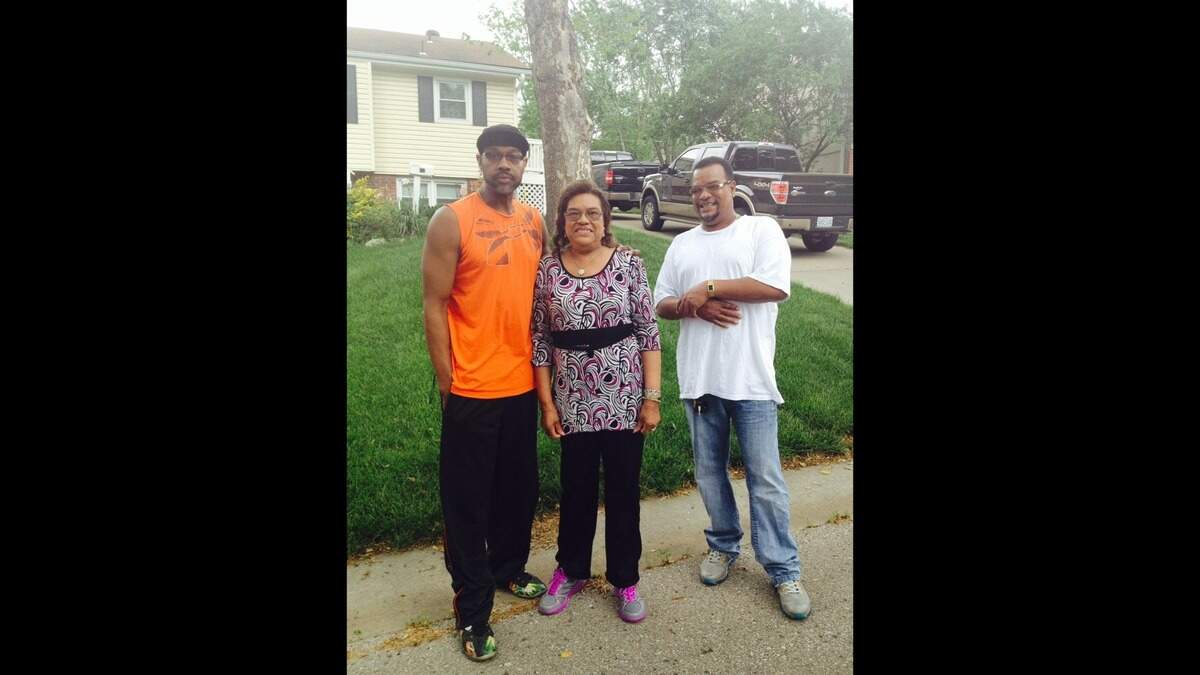
In the last weeks of her life, her son was by her side, playing her favorite songs, singing along.
Of course, even up until the end, she found it hard to stop working.
Cubit would help her out of her wheelchair and hold her up, so she could try to move her legs, one at a time. He told her, he recalls, “Mama, now take a deep breath and say, ‘Thank you God.’” She inched forward, her son right behind her, spotting her. They went down the hallway, then back to the chair.
Sometimes it hurt. Sometimes she had to sit back down. But she would declare, without fail, “I’m alright.”
Through her life, some things never changed.
“She would say that to everybody,” Cubit said. “She never complained.”