
Arthur Hester, who helped bring increased diversity to West Point, dies at 79
.jpeg "Art Hester was a graduate of the West Point Military Academy and went on to work for the college as an admissions officer, helping to increase diversity at the school.")
Editor’s note: This feature is part of a weekly focus from The Star meant to highlight and remember the lives of Black Kansas Citians who have died.
Arthur Hester had a love of his country and the soldiers who put their lives on the line for it from the time he was a child, watching World War II movies on TV and reading every military textbook he could get his hands on.
This patriotism was the reason Arthur — known to loved ones as “Art” — applied to West Point as a high school senior in 1959 and later got an acceptance letter, allowing him to join the prestigious academy and become one of only six Black cadets in his largely white class.
It was also why, during the time he spent at the upstate New York institution first as a student and then as an admissions officer, he spoke up when he felt something wasn’t right.
In 1975, President Richard Nixon was visiting the campus on the Hudson River when he inquired where the confederate battle monument was, as Art recalled seven years ago in a video for the West Point Center for Oral History. Nixon’s office formally pushed for a memorial and the college’s Association of Graduates — of which Art was a member — held several meetings to raise necessary funds. He was one of few who vocally opposed it, opening himself up to comments from disapproving colleagues.
Art said during the 2015 interview a group member told him his two grandfathers fought in the Civil War, one for the South and one for the North, and asked why he wouldn’t want to honor both of them the same way. His response, he said, was blunt: “Because one was a traitor and the other wasn’t.”
It was his steadfast conviction to what was right, and what it meant to be a patriot, that helped him become a driving force behind an increase in diversity at West Point, his daughter, Karen Hester, said.
“I learned about the thing with Nixon and then these other moments that he was a part of that could have impacted his career in the military,” Karen said over the phone this week. “But he strongly believed in that — he did the work. He was an advocate. He was a voice.”
Art, who helped establish West Point’s Equal Admissions Opportunity Program and then had a career outside of the military doing everything from overseeing massive GM plants to mentoring young children, died on February 27 following two strokes, family said. He was 79.
Dozens of family members, close friends and former comrades gathered on May 25 to memorialize Art at his church, the Church of the Resurrection in Leawood. Speakers highlighted his distinguished military career, including the Silver Star, Bronze Star and Purple Heart he earned, along with his service to his community. The Rev. Adam Hamilton remembered his dedication to tutoring students at Phillis Wheatley Elementary School through a church program.
He had reported to the Kansas City, Missouri, school two days a week for eight years so he could offer the kids guidance, recalled his wife, Cinda Hester, of Overland Park. He wanted to show them, through his example, they could achieve their dreams like he did.
“He was a very accomplished man — he could have done a lot of other things,” Cinda said. “But that was so important to him to instill in those children that they could be successful. He devoted himself to it.”
He also took an active role in supporting political candidates he believed in, like U.S. Rep. Sharice Davids. At the time of his death, he was serving on her Academy Nominations Panel, looking at the talented next generation of women and men seeking entrance into America’s elite military colleges.
Karen, the second-oldest of his four children, feels her dad could do just about anything he put his mind to.
About a decade ago, when she lived in Overland Park and he was close by, she joined the community garden and asked if he wanted to help her. Though he hadn’t gardened much before, he quickly transformed himself into a skilled botanist, diagramming the garden with careful precision. He took small samples of dirt to determine the type of soil it was.
“When he was in, he was all in,” Karen said.
A lifetime of hard work
Born on March 5, 1942, in Columbus, Mississippi, Art was the first child in his family, with two sisters arriving after him. His parents moved them to Chicago when he was young and he attended Marshall High School on the city’s west side.
His father, a janitor at O’Hare International Airport, and mother, who worked in retail stores, harped the importance of a good education and grit. Art took on a part-time job with the post office in the winter of 1959, unloading boxes from train cars that were stalled due to a worker strike, he explained in the West Point video.
When the strike ended, his supervisor offered him a permanent job. He worked the midnight shift for the final four months of his senior year of high school.
“Plus I went to college a little bit here and there in Chicago,” Art said in the video.
He decided during that senior year he wanted to fly airplanes for the U.S. Air Force, then only a 13-year-old institution, but one he had read about. The results of his entrance exams, however, dashed his hopes; he was deemed “flat-footed” with less-than-perfect vision.
Art was unsure what to do; he had already been accepted to colleges in Illinois but wanted to go somewhere far away, and knew he would need scholarships to do it. He applied to West Point at the behest of his area congressman who believed in his potential, and was right.
One of the first things he noticed at West Point was the scarcity of other Black people. There were five other Black cadets in his class when he started; two eventually dropped out.
Though Art said he felt a kinship with all of his comrades, he acknowledged he and his African American peers formed a special bond, spending weekends and holidays together and helping each other get through the torturous training process.
Their time at the U.S. military academy coincided with the rise of civil rights demonstrations and calls for justice across America. Art read about it every day in The New York Times and felt conflicted.
“It was without a doubt the most uncomfortable thing for me, personally,” Art said back in 2015. “When I saw some of the pictures and read stories about the Freedom Riders in ‘63, and the treatment that they received in the South…It just made me feel guilty that I wasn’t there.”
He went on to serve his country in Vietnam for two tours, settle back in America and get his master’s degree in finance from New York University and his master’s in industrial engineering from Stanford — all while starting a family with his first wife, Mae Hester.
Then, when he came back to work for West Point as an admissions officer for 30-plus years, he got to affect the kind of changes he wanted to see in the world, family said.
He took pride in getting to recruit minority teens from across the country, meeting with large groups and enthusiastically sharing his story. He wanted to reach more women too.
Cinda said Art once said of all his accomplishments in service, he was proudest of “helping to make equal admissions an official policy of the Military Academy.”
His daughter, Karen, didn’t learn of his impact on West Point’s diversity until she was an adult who happened to be working as a diversity consultant for companies and nonprofits.
She realized she was her father’s daughter.
“So here I am, this is a passion of mine,” Karen said. “And then he shared his backstory…that was a passion of his. Not only was it part of his job, but then he also volunteered when he was in the reserves and he was retired.”
‘A helper’
Art and Cinda moved to Overland Park in 2011, following Art’s long careers with the Army and GM that took him everywhere from Germany, to Texas, to Detroit. He put all his focus on family.
His only son, Arthur Hester III, of Palm Desert, California, said he was an active grandfather with his three sons, flying out to visit often and always trying to show how much there was to do in their picturesque city. He took them to the pickle ball courts, the polo grounds, the golf course, the movie theater.
Hester III can remember his father doing the same kind of things with him as a kid, whether it was teaching him and his sisters how to read a map or bringing him to see the original “Top Gun” in theaters in 1986 when he was 10.
He pointed out to him what was accurate and what was inaccurate, unable to fight his habit of passing along some of the knowledge he had gained in his life. Art, he said, was curious by nature and also “a helper.”
Hester III recently brought his own 10-year-old son to see the film’s revival, “Top Gun: Maverick,” on the big screen.
He thought of his father as he looked at his son.
“I took him on Memorial Day of all days,” he said. “So we did do that — to keep that going.”
Art is survived by his wife, Cinda; four children, Karen, Hester III, Zina Hester and Lisa White; mother, Evie Thompson; sister, Jeanne Fairman; former wife, Mae Hester; seven grandsons; three granddaughters; and several nieces, nephews and other relatives.
Other remembrances
Loreace Watley
Loreace Watley, a social worker, certified medical assistant and mother known to speak with her children on the phone for hours, died May 24, family said in an obituary shared by Thatcher’s Funeral Home. She was 83.
Watley was born on December 2, 1938, in Marion, Louisiana, the second child of eight. After she graduated from Union Parish High School in 1958, she moved to Kansas City, Kansas, where she was hired as a social worker for the Kansas Department for Children and Families. She spent more than 29 years in the job, while at the same time furthering her education.
She earned an associate in arts degree from Kansas City Community College and her nursing license as a certified medical assistant from a vocational school, family said. This led her to work in nursing facilities like the Medicalodge Post-Acute Care Center and Delaware Highland Assisted Living.
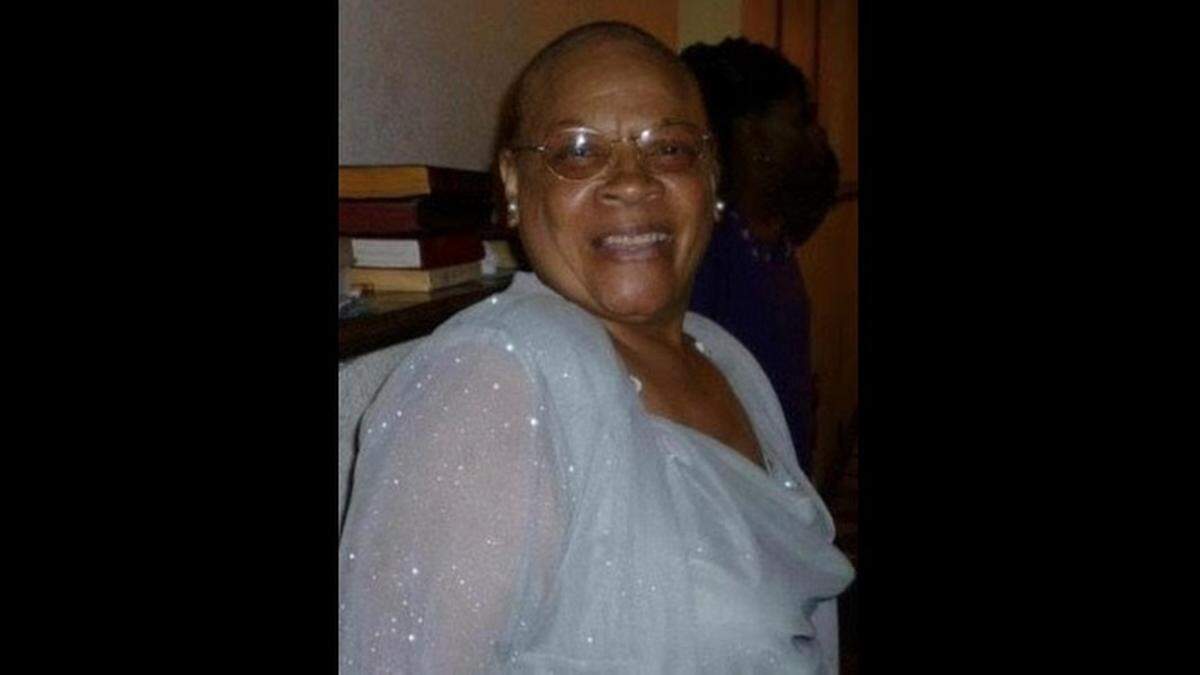
Outside of her work, she was a devout member of the Zion Travelers Missionary Baptist Church. She liked to garden, travel and play games with friends.
Family, of course, was one of her greatest joys in life; she was a mother to seven children, including one stepson and some who were adopted, family said. She was married to Clenton Watley for 25 years.
Elouise Robles, one of her daughters, wrote in a tribute on the Thatcher’s Funeral Home website, “Sweet memories are with us always.”
“You make my day happy with memories of you and how you will be in my heart forever,” Robles said. “Love you Mom.”
Watley is survived by her six children, Robles, Carolyn Watley, Kathy Watley, Pricilla Watley, Lawson Watley, Melissa Hamilton and Clenton Watley Jr.; four siblings, Ladell Bilberry Jr., Herbert Bilberry Sr., LoEast Bilberry Watkins and Clare Bilberry Colbert; 12 grandchildren; nine great-grandchildren; and several nieces, nephews and other relatives.
Holly Bushnell
Holly Bushnell, a mother and nurse who had a wide range of talents from baking, to potting plants and painting her nails in the perfect color, died May 20, family said in a Watkins Heritage Chapel obituary. She was 71.
Born on Christmas Day in 1950 in Harrisburg, Pennsylvania, Bushnell only stayed in the Northeast for a couple of years before her parents moved to Kansas City, Missouri, family said. She was one of six children.
She graduated from Manual High School in 1969 and decided she wanted to stay in Kansas City. She studied to be a nurse and eventually was hired as a nursing assistant at Kansas City General Hospital, where she spent her career.
Her hobbies were extensive — reading Harlequin romance novels, watching CSI, listening to oldies music, playing bingo.
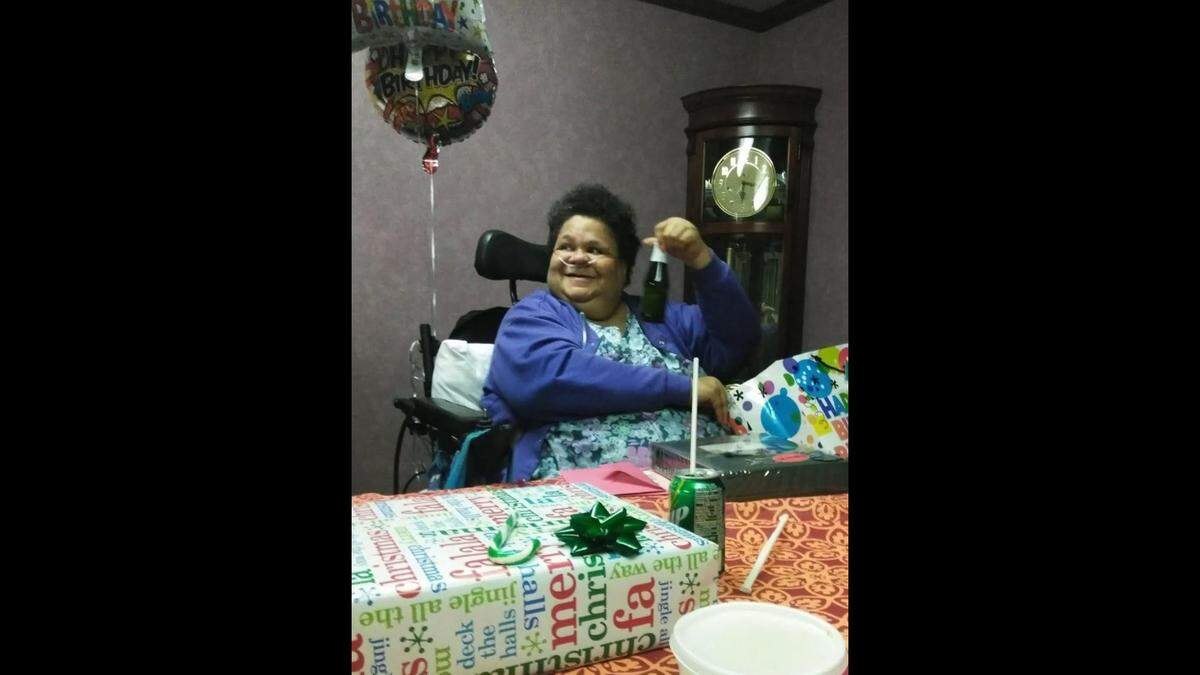
Maria Bushnell-Mosley, one of her two children, told The Star her mother was a “great listener” who “loved with her whole heart.”
She was always ready to help someone with a project like gardening or crocheting.
Bushnell, her daughter said, “seen the imperfections and tried to help make them better.”
She’s survived by her children, Bushnell-Mosley and Matthew Bushnell; four siblings, Lucida Albers, Glenda Bushnell, Donald Bushnell and Bobby Bushnell; four grandchildren, Eries Mosley, Tyjaz Bushnell, DeAnte Bushnell and Marcell Bushnell; and several nieces, nephews and cousins.
This story was originally published June 12, 2022 at 5:00 AM.