
James Banks, who drove Kansas Citians to their final resting places for 15 years, dies at 84
Editor’s note: This feature is part of a weekly focus from The Star meant to highlight and remember the lives of Black Kansas Citians who have died.
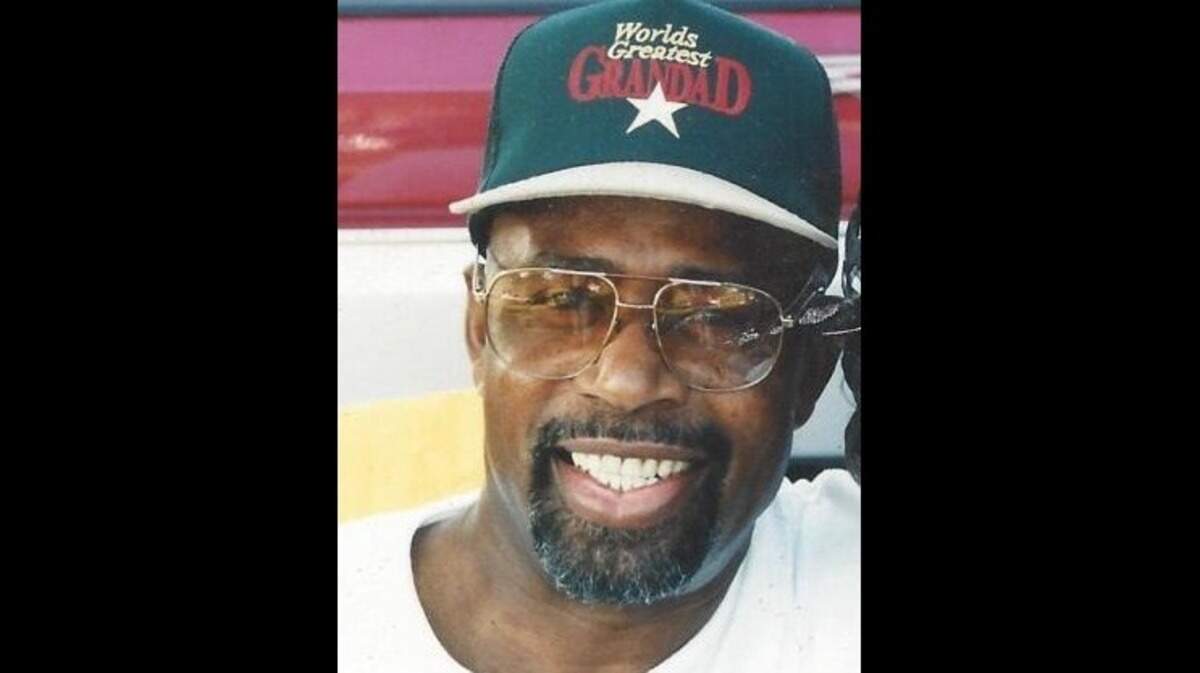
James Banks spent the final 15 years of his life helping to deliver Kansas Citians to their final resting places.
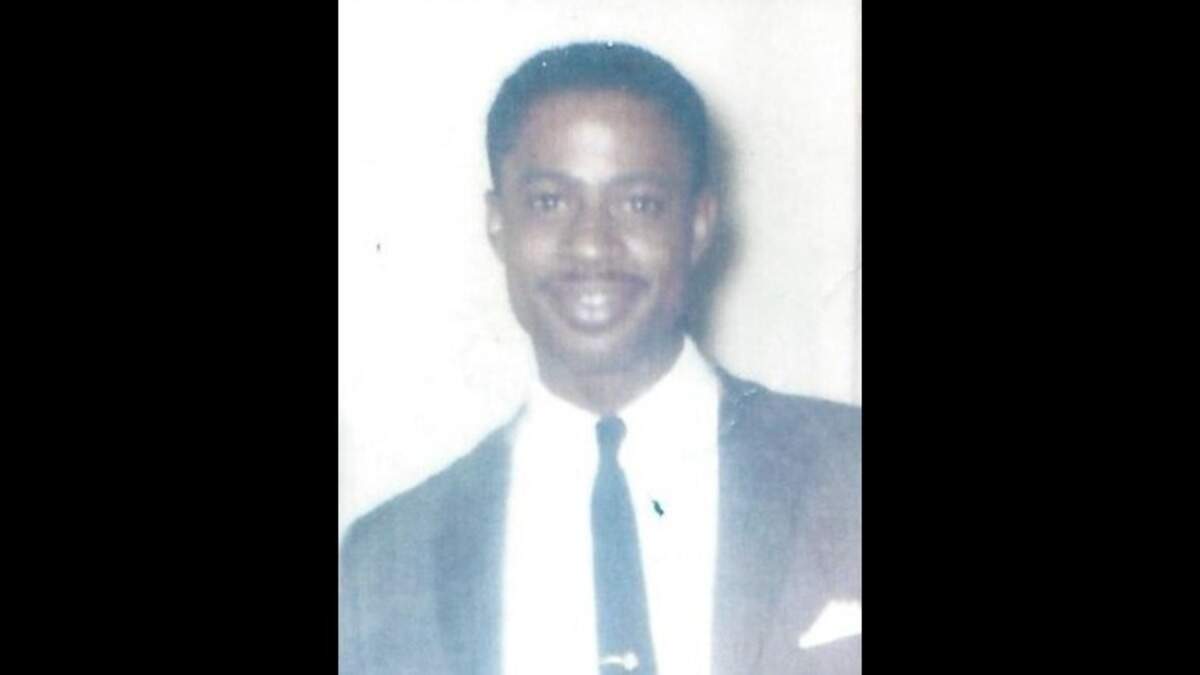
Dressed to the nines in his finest suits, typically paired with a pair of Stacey Adams and a Stetson fedora, Banks was the driver inside of the Thatcher’s Funeral Home hearse leading many a long funeral procession. The Vietnam veteran understood well the importance of giving someone a proper burial and send-off, family said. He felt a solemn sense of responsibility to the person in the casket.
Sometimes, if he knew the deceased, he would instead serve as chauffeur for the family, taking them in a limousine to the service, his youngest daughter, Latisha Bird, said during a phone call. He did little things to show them he cared, recalled Bird, 55 — lovingly offering a tissue from his pocket, or a supportive hand on the back.
The staff at Thatcher’s Funeral had become used to his calm and consistent presence at funerals, not prepared for the inevitable day when someone else would have to drive him to his.

After Banks died earlier this year, following a battle with colon cancer he told almost no one about, a Thatcher employee at his service tearfully told Bird her father was a good man. Banks, he said, was now in that better place he believed in so strongly as a Christian.
“He said, ‘That’s why I have to console you girls,’” Bird said. “‘Cause your daddy did it all.’”
Banks, who led a life filled with unabashed emotion, lots of laughs and the dedicated spirituality of a man who proudly professed he was “saved,” died on April 14, family said. He was 84.
Bird said it was roughly two decades ago, before he took the job at Thatcher’s, that he felt called to a higher purpose with his God. He had started attending New Birth Ministry with his wife, Christine Banks, and decided he wanted to be a bigger part of the institution. He gave up drinking and playing cards and eventually became deacon and even mentored younger deacons.
Banks was a bit of ladies man earlier in his life, too, family said. He was handsome — with sharp cheekbones, a warm smile and a keen sense of style — and had been married four times before marrying his wife Christine.
That was also when Bird said her father truly “met a man named Jesus,” though he had always been a God-fearing man who practiced empathy and kindness.
His older daughter, Shirella Broomfield, 56, remembers he would call her every single Sunday to pluck his guitar and sing a song for her. His favorites were uplifting hymns like “Goin’ Up Yonder” and “Amazing Grace.”
“I’m gonna miss those songs,” Broomfield said. “I’m gonna miss Sundays.”
Born on Nov. 18, 1937 in Kansas City, Kansas, Banks was the fifth of ten children, growing up in a crammed household and a tight-knit family. His mother, Bird said, showed her love through cooking — she taught him and his siblings the right way to cook soul food like fried fish and chicken, using cornmeal instead of oil, the “old-fashioned” way.
Banks had three brothers who made a big impact on him. They joined the Army and so did he, serving as a young man in the early days of the Vietnam War. He never spoke of it much with his daughters, Bird said; he would simply say it was “something to do.”
Following his time in the service, he found himself gravitating toward food, working jobs at companies like American Beauty Pasta and Sunshine Biscuits. He also worked for Massey Ferguson, an agricultural machinery company, and became the president of a local chapter of the Retail, Wholesale and Department Store Union.
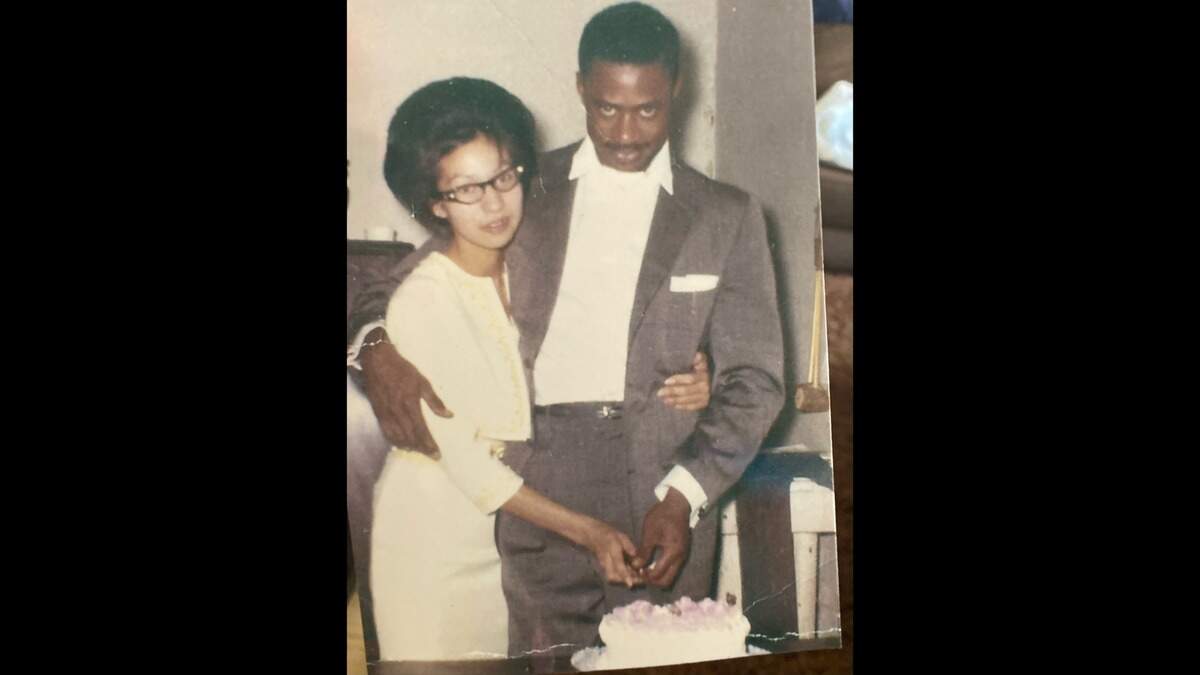
His first marriage was to Alvis Bird, a member of the Mandan/Hidatsa tribe; they had four daughters in Kansas City, Kansas. Bird and Broomfield can remember their mother and father taking them to fish on Lake Wyandotte, teaching them how to patiently wait for a nibble and then cook what they caught.
“As we’re catching fish, they would be…frying potatoes and frying fish right there on the lake,” Broomfield said. “That would be our days for the weekend.”
Banks and his first wife separated when his daughters were still young. They moved to California after, though he stayed in close contact.
They became even closer, however, when the girls were adults, making up for lost time. Bird remembers when she and Broomfield drove to Kansas City from California to surprise him at his church. She was unsure he would still recognize her — she had grown a lot since their last visit, and her hair was red.
He turned to face her as she sat down in a pew in the back. He didn’t turn away.
“He said, ‘Praise the Lord, there go my baby all the way from California,’” Bird said. “That always stuck with me.”
There have been too many funny and heartfelt stories of Banks over the years for family to count — like his first massage, with Broomfield in California, when he joked the masseuse came a little too close to his rear end, she said. He wound up saying the woman had done a good job. He became hooked on massages.
Or the time he and Bird went to see “The Best Man Holiday,” the Malcolm D. Lee-directed 2013 movie about a reunion between college friends tangled up in romance and ultimately tragedy. One of the characters — the woman behind the long-awaited meet-up — reveals she has cancer and later in the film dies of the illness.
Banks, Bird said, cried “like a baby,” tears streaming down his cheek. Then she began to weep too.
His wife, Christine Banks, had recently died of cancer.
“He said, ‘That movie touched my soul,’” Bird said.
When Banks himself became sick with colon cancer years later, he chose not to tell them, likely because it was in his nature to not concern his loved ones, family said. He would tell Bird he was going to the doctor, she said, and insist it was a routine check-up, nothing for her to worry about.
She remembers following up once, asking him if he would tell them if there were anything wrong with him.
“He said, ‘Of course, sunshine,’” Bird said. “‘I would tell you; I wouldn’t keep that from you.’”
She and Bloomfield went through his paperwork after his death and it seemed he had been quietly dealing with the illness since 2017, undergoing procedures to remove two tumors.
He had only broken the news to them about a week before his death, after coming out of a surgery to implant a colostomy bag in his abdomen. The sisters hopped on a plane to Kansas City and spent four days with him before was pronounced brain-dead. Not long after that, his heart gave out.
In spite of the secrets he had kept, they said, they knew he was comfortable with the idea of dying, having told them many times he didn’t fear the end. In death, he would say, he would get to be with his bride again.
He spent the final chapter of his life doing his best to help friends and strangers who had crossed over to the other side.
He believed he “had to drive the hearse,” Bird said.
“That was his job,” she said. “To drive people to they final resting place.”
Banks is survived by his four daughters, Bird; Broomfield; Kim Banks; and Annalisa Daniels; one sister, Mildred Webster; two brothers, Curtis Banks and Robert Banks; 27 grandchildren; two great-grandchildren; and several other relatives.
Other remembrances
Elsie French
Elsie French, a mother of eight whose tireless work ethic and love of people led her to co-own a former Kansas City barbecue staple as well as — later in life — become a foster grandparent to many local school kids, died May 18 at Aberdeen Village in Olathe, family said. She was 103.
As half of the team behind HeZe’s BarBQ, alongside her late husband, Hezekiah French Sr., she took care of the business end of things while he handled the cooking, her daughter, Leatha French-Ingram, said. The business closed in 1976, French-Ingram said, but recipes are still sought after to this day.
The long hours her mother sunk into the business were reflective of a lifelong belief in hard work and grit.
“Mom was dedicated, determined and practiced a spiritual faith in God that carried her through many storms,” French-Ingram said. “God blessed me to be her daughter.”
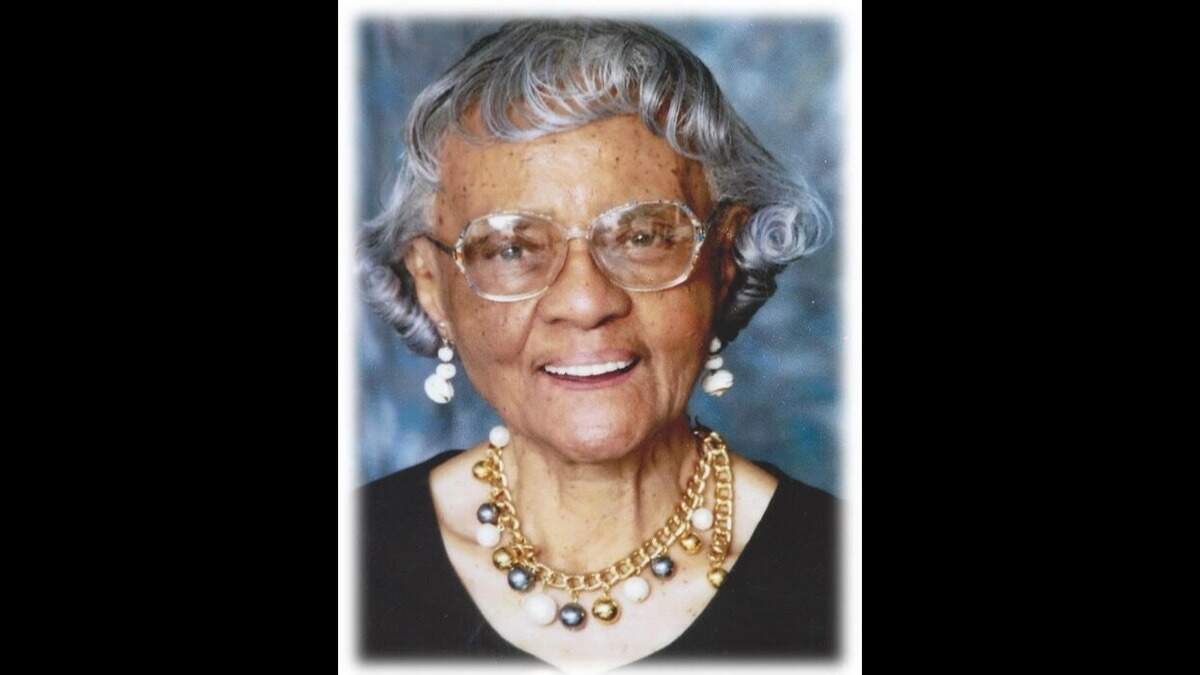
Born on July 4, 1918, in Oklahoma City, French was the second child of seven, and moved with her family to Kansas City, Kansas, at the age of five, her family said in a Thatcher’s Funeral Home obituary. She attended KCK schools but in the ninth grade, dropped out to help provide for her family, French-Ingram said. She felt she needed to take care of her siblings.
She married her husband in 1959 and together they had eight children. They believed in the importance of family as well as faith, becoming members of First Baptist Church, where French served for more than 50 years and found a community of friends that was like a family.
She started on the trustee board in 1972 and remained in that role until she was 99 years old.
She would eventually become a loving grandmother to 13, great-grandmother to 14 and great-great-grandmother to two. On top of this, she spent eight years as a foster grandparent in the KCK school district, giving love to kids who needed it.
French had several mottos, such as, “A place for everything; everything in its place” and “fail to plan; plan to fail.”
“I live by those words,” French-Ingram said.
French is survived by her children, Yolanda White, Leatha Ingram, Maeday Howell and Michael French; her younger sister, Sherell Smith-Lynch; her daughter-in-law Constance Barnett; and several extended family members.
Joe Dickerson
Joe Dickerson, an employee of the Lake City Army Ammunition Plant for more than 45 years who was known to go above and beyond in his work and as a father, died April 11, family said. He was 80.
Born on October 16, 1941, in Kansas City, Kansas, he was the fifth of nine children. He attended Rosedale High School and not too long after his graduation, wed Helen Dickerson on April 22, 1961. They had four children.
Dickerson formed lifelong friendships at the ammunition plant in Independence, Missouri, family said in an obituary shared by Duane E. Harvey Funeral Directors. An expert machine specialist, he was described by co-workers as a “bright spot” at the government-owned facility, family said.
He retired in 2013.
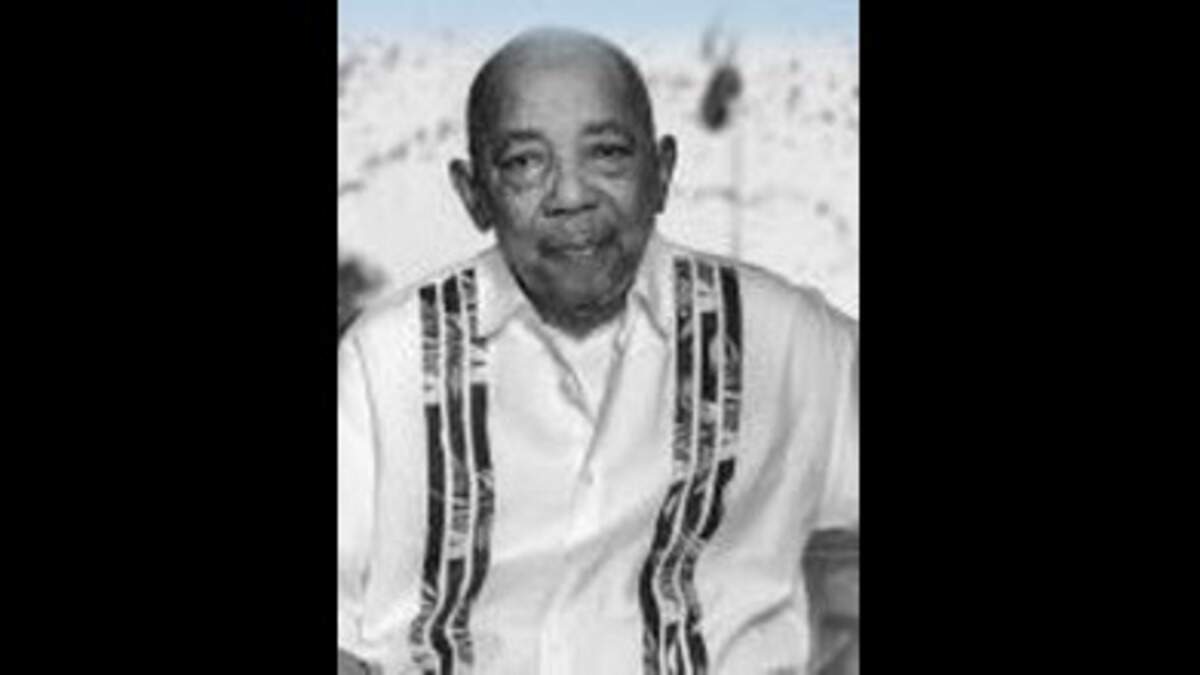
Linette Dickerson, one of his three daughters, told The Star her father was a “quiet, kind, helpful and friendly person.” He liked his job because he enjoyed a challenge, she said — something to make him think.
In his free time, he enjoyed bowling, fishing and fixing anything broken around the house. He would often say, when asked how he was feeling, that he was “fair to middling.”
“He was one of a kind, truly loved and definitely missed,” Linette Dickerson said.
He’s survived by his four children, Linette Dickerson, Janice Dickerson, Phyllis Brown and Derrick Dickerson; three sisters, Rose Starr, Karen Dickerson and Julia Starks; eight grandchildren, Gregory Allen, Laketta Neel, Tenika Jones, Alexandria Brown, Tyra Brown, Bryce Dickerson, Tyler Bass and Derrick Dickerson Jr.; 12 great-grandchildren; and several nieces, nephews and other relatives.