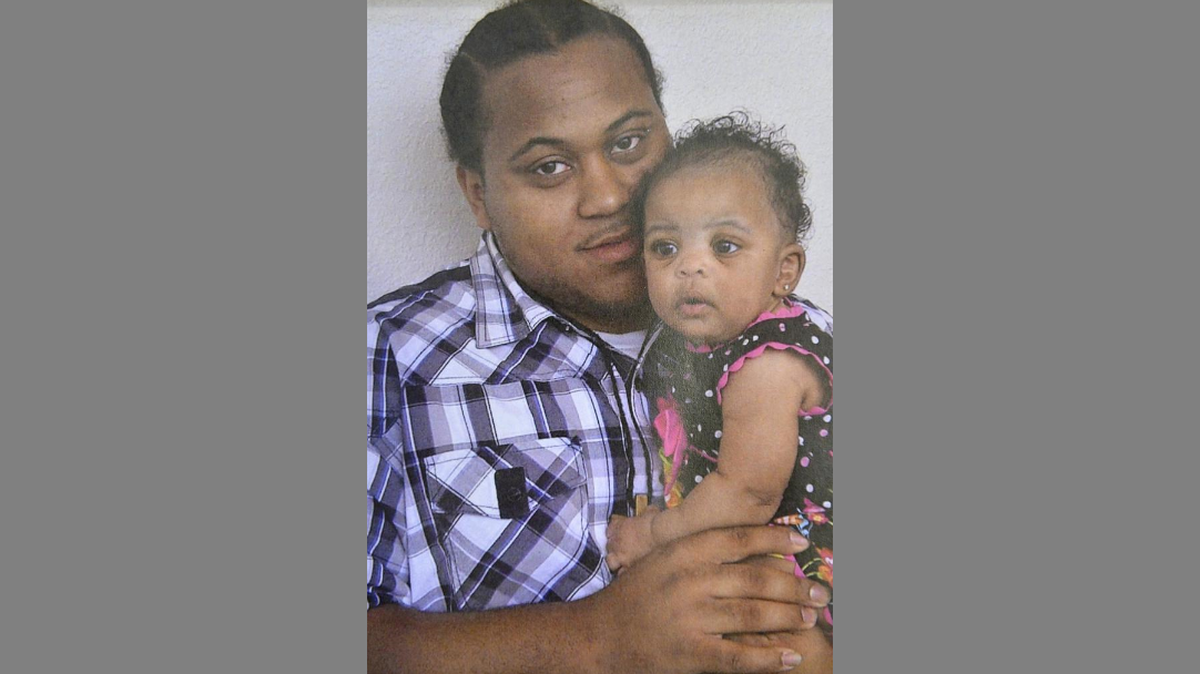
KC police officer not liable in fatal shooting of Ryan Stokes, federal appeals court says
A federal appeals court has ruled that a Kansas City police officer who shot and killed an unarmed man during a foot chase near the Power & Light District in 2013 cannot be held liable in the man’s death.
The U.S. Court of Appeals for the Eighth District on Tuesday affirmed a 2020 ruling that granted William Thompson qualified immunity when it ruled that the officer used “reasonable” force when he fatally shot Ryan Stokes, 24, on July 28, 2013.
The Stokes family appealed the 2020 decision to the federal appeals court.
In its ruling released Tuesday, the three-judge panel wrote: “Despite the tragic circumstances, the district concluded that Officer Thompson was entitled to both qualified and official immunity. We affirm.”
The court has maintained that Thompson believed Stokes was armed and turned to ambush other police who were chasing him that night following an altercation and that Thompson fired his weapon to protect his fellow officers.
The officer fired three shots at Stoke, striking him twice in the back. Stokes died a short time later.
“We have fought for justice for Ryan for the last 8 years and we will continue our fight,” according to a written statement released on behalf of his mother Narene Stokes and Brittney Lee, the mother of his daughter. “(Today) we learned that the officer will be protected by ‘qualified immunity,’ a court created doctrine designed to protect the officer and to deny citizens any protections against lawless police.”
“The laws must change. Our sons and daughters must be protected.”
The court’s ruling could end the family’s civil ligation efforts. But Cyndy Short, an attorney representing the family, said they may ask the full appeals court to hear the matter or submit the case to the U.S. Supreme Court.
At the time of the shooting, Thompson said he thought he saw a gun in Stokes’ hand when they crossed paths in a parking lot near 12th and McGee streets. Several officers said they believed Stokes was actually surrendering.
Police later found a gun in a car next to Stokes’ body. However, the handgun belonged to Stokes’ friend and the owner of the car.
A Jackson County grand jury cleared the officers of any criminal wrongdoing.
In its opinion, the federal appeals court panel wrote: “Critical to our decision was the idea that “[a]n officer is not constitutionally required to wait until he sets eyes upon the weapon before employing deadly force to protect himself against a fleeing suspect who turns and moves as though to draw a gun.”
Official immunity shields Missouri police officers from liability for their discretionary decisions, including when they “draw[ ] and fire[ ] a weapon,” even if they are negligent. Immunity ends where bad faith or malice begins, the court further ruled.
Narene Stokes has maintained that the shooting of her son was unjustified. She filed a wrongful death lawsuit against the police department in 2016.
“He had never broken the law. He loved his daughter and his family,” Stokes and Lee said in their joint statement.
“But none of those facts protected him against a young white man’s foolish drunken racist accusation against Ryan’s friend three (3) minutes before the shooting, which set off a series of events that led to this ‘tragic circumstance’ and changed our lives forever,” they said.
Stokes was among the names of Black men fatally shot by police chanted by protesters in the summer of 2020.
Civil rights groups and community activists have repeatedly called for more police accountability, transparency and reforms.
“We feel some vindication in which this opinion was written, recognizing the tragic circumstances of Ryan’s death,” Short said on Wednesday. “And the fact that the court also recognize that what happened was not Ryan’s fault but he was an innocent victim in this.
But the largest message that we would send is the fight continues,” she said.