‘Shake up the Earth’: Missouri mother fought transgender son’s school for equality
READ MORE
Missouri mother fought transgender son’s school for equality
R.J. Appleberry, a former Blue Springs student who is transgender, won a sex discrimination lawsuit against the school for barring him from the boy’s bathroom.
Expand All
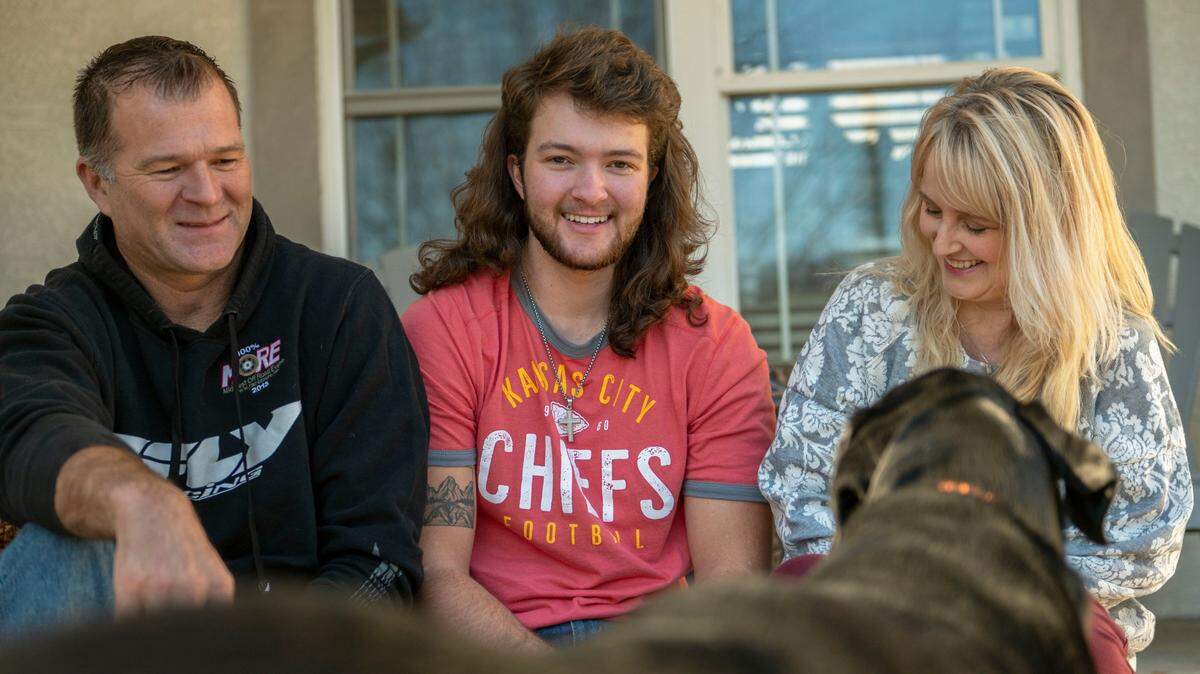
‘Shake up the Earth’: Missouri mother fought transgender son’s school for equality
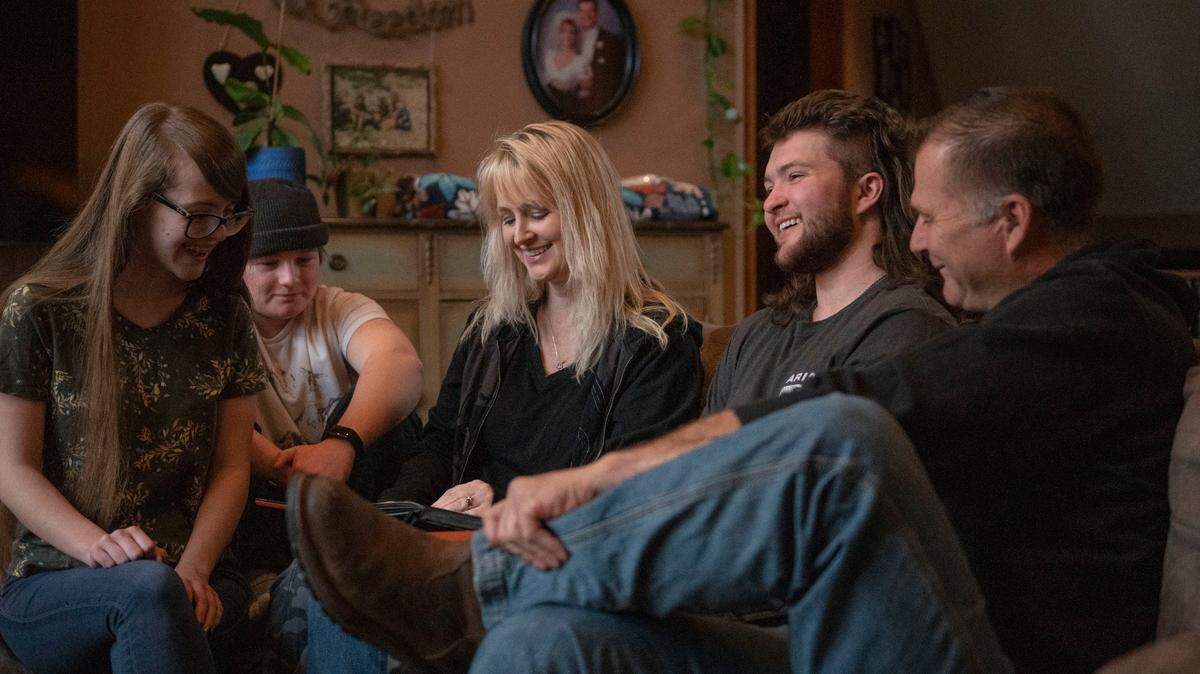
Q&A: Former Blue Springs student reflects on $4 million sex discrimination lawsuit

Here’s where Kansas City’s LGBTQ+ students can find help in the face of discrimination
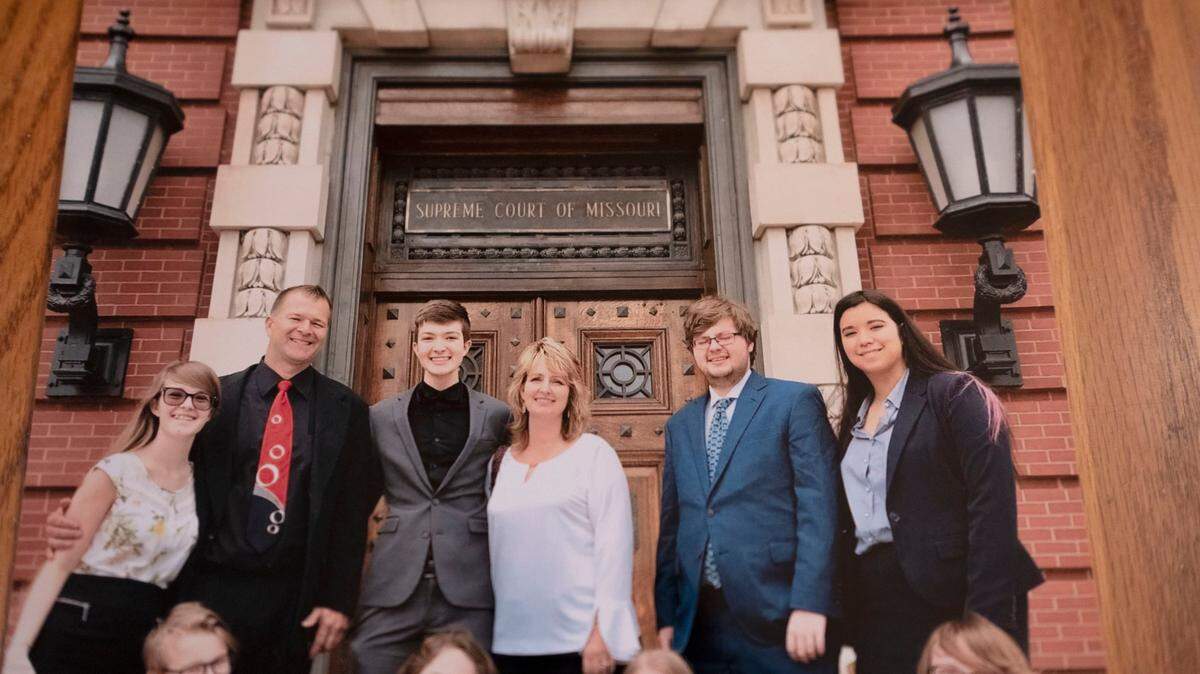
Blue Springs family seeks to stop schools from discriminating against trans students
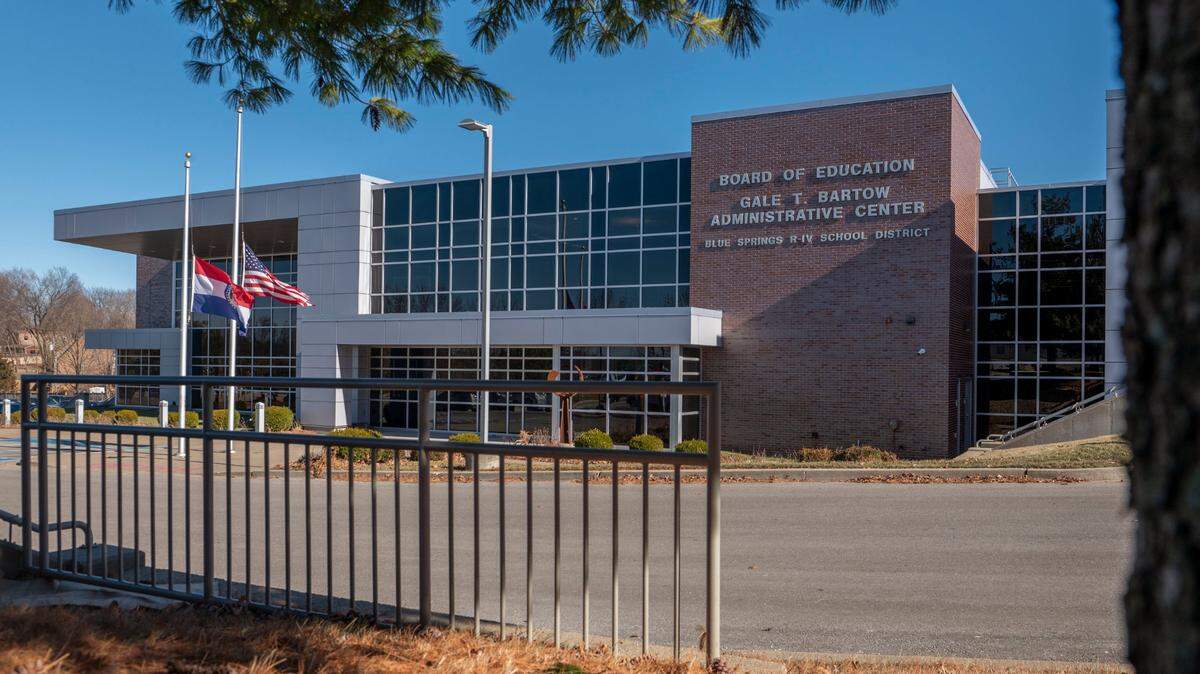
Blue Springs School District seeks new trial after $4 million verdict in lawsuit
The summer before starting fourth grade in Blue Springs, R.J. Appleberry turned to his mother as she pulled into the driveway of their home and said:
“Mom, I’m a boy.”
At the time, his mother laughed. For nine years Rachelle Appleberry had known her child to be a girl.
“I said ‘Sweetie, I was there when you were born. You know, you’re a girl.’” she recalled. “And he had tears streaming down his face. And he said ‘Mom, I’m a boy.’”
That was 2009.
In the more than 10 years following that day, Appleberry transitioned. He legally changed his name to R.J., an acronym for Robert Jr., and his sex to male. He’s 22 years old now and graduated with honors last fall from the University of Central Missouri. He was a speaker at the commencement ceremony.
It’s been a long road, marked by a painful struggle with the Blue Springs School District, which barred Appleberry from the boy’s locker room and bathrooms through middle and high school. Doing so enforced a denial of his gender identity, forcing him to stand out in a moment when most adolescents want to blend in.
After Appleberry’s mother filed a sex discrimination lawsuit against the district in 2015, the case drew attention from across the country. While the Blue Springs community was mostly accepting, there were some exceptions — even in the Appleberry’s extended family.
A Jackson County jury last month brought a $4 million verdict against the school, one of the largest penalties ever levied on behalf of a transgender plaintiff, according to Asaf Orr, an attorney for the National Center for Lesbian Rights.
“The jury’s award in this case is both historic and noteworthy because it demonstrates that the jury understood it was wrong for the school district to discriminate against transgender students and recognized the life-long harms that discrimination can cause,” Orr said.
The district, which released a statement opposing the verdict and saying it would consider an appeal, declined to comment further, as did the superintendent and members of the school board.
For Rachelle Appleberry, it was never about the money. She said she’d pick a policy change over financial compensation any day. Her attorneys hope she can get both.
The Blue Springs School District has not changed its bathroom policy. And the court’s ruling as it stands does not require it to do so. However, Appleberry’s attorneys in a motion for equitable relief filed Jan. 14 are hoping to bar the district from similar discrimination in the future.
“I really just want to see that the school district has changed their policy,” R.J. Appleberry said. “That’s what it’s all been about since the beginning.
“I didn’t realize just how wrong it was until later on, going through trial and looking at every detail of my entire life and the school situation,” he said. “And I really hope that no other 13-year-old, 10-year-old or 15-year-old or whoever has to go through that.”

To the Appleberrys, the case shows other families that a school can be held accountable for treating trans students different from their peers.
Speaking out about the experience has allowed Rachelle Appleberry to educate parents of trans children. Multiple mothers of young trans people in the Blue Springs community have reached out to her for guidance since the lawsuit began in 2015.
Learning about transgender identity
R.J. Appleberry has presented himself as a male since he was 9 years old. The clothes he picked and the way he cut his hair made his mom think her child was either a tomboy or a lesbian.
He wore swimming trunks like his father and wanted Spider-Man underwear.
“He was just always wanting to follow in his dad’s footsteps,” Rachelle Appleberry said. “Anything dad was doing, he wanted to do.”
The family’s former pastor at the Eastgate Independence Church, Jill Standley, suggested Appleberry could be “gender-confused.”
That’s when Rachelle Appleberry, who’d had little interaction with the LGBTQ+ community, decided to do some research.

Trips to Barnes & Noble for books on transgender experiences were fruitless. Online statistics showing increased risk of suicide and depression for transgender teens filled her mind with worry.
“The more I read, the more I got this sinking feeling like oh my gosh, this is kind of a really big deal,” Rachelle Appleberry said.
As Appleberry watched his mother’s hunt for resources, he began asking questions.
“He’d lean in and say, ‘Well did you learn any more about the ‘transgender.’ He was on it. I think for him it just all made sense,” his mother said.
She put him in counseling and then joined a support group called Parents Families and Friends of Lesbians and Gays, known as P.F.L.A.G.
“I had to let go of the expectations I had of this being my daughter and had to come to terms with the fact that my kid was never going to walk down the aisle in a wedding dress and probably not have biological children,” Rachelle Appleberry said. “I was a little bit sad about that, just because that’s what I thought was going to happen. But he was always my priority, so I was able to let that go.
“Something that helped me during meetings was one parent told me: You know it’s still your kid. You just have more information about them now.”
Appleberry’s two siblings, Ashley, then 6, and Robby, then 3, caught on quickly. They referred to their big brother using he/him pronouns and were relentless in addressing their parents’ slip-ups.
“They were militant in correcting us, which is good. It’s funny because that is one thing that helped us make that switch,” Rachelle Appleberry said.
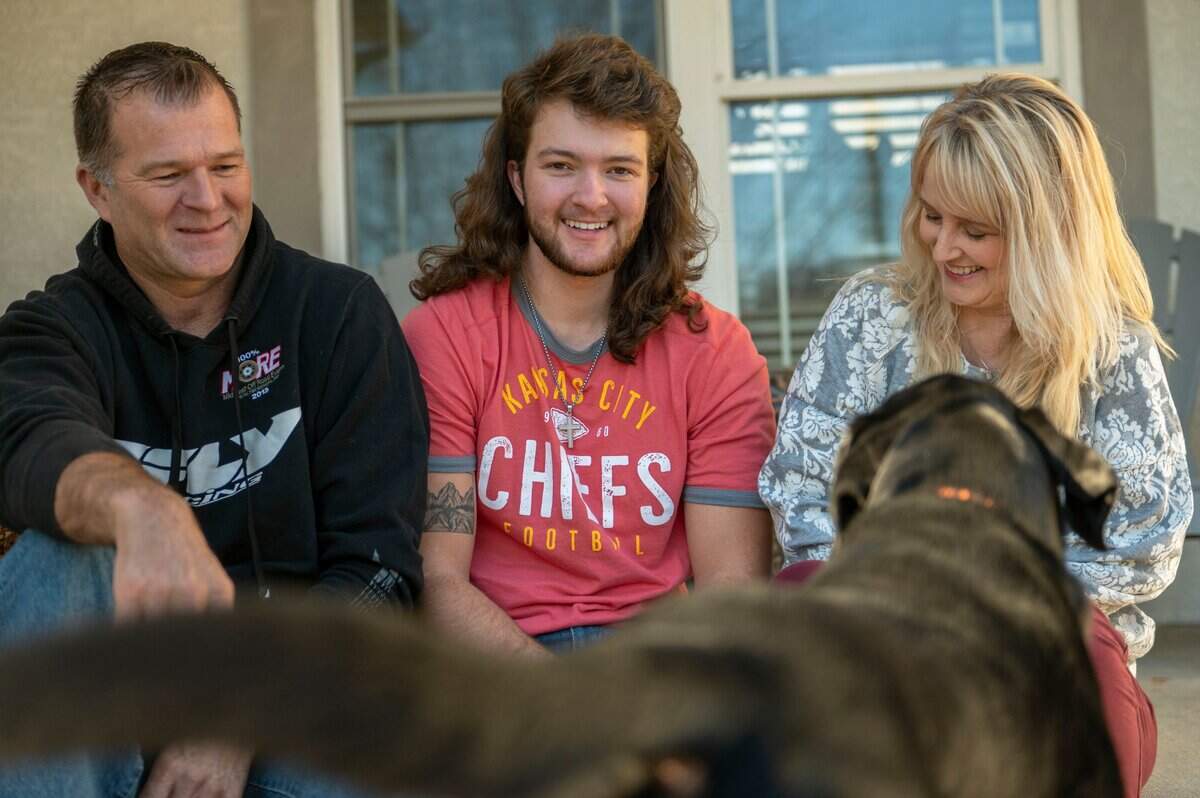
But not every family member was so immediately supportive.
In 2009, Rachelle Appleberry’s cousin asked Appleberry to come dressed as a girl for their annual Christmas gathering.
Rachelle Appleberry refused.
They declined to attend the event and she has not spoken to her cousin since.
Going to school in Blue Springs
Rachelle Appleberry worried it would be difficult for her son entering fourth grade at Voy Spears Elementary School in Blue Springs.
At the start of the 2009 school year, she called a meeting with her child’s fourth grade teachers and informed them he would no longer go by his birth name. Everyone seemed supportive of his transition.
Appleberry remained the same cheerfully outgoing kid during his classes. He was invited to birthday parties and play dates with his peers.
The Blue Springs community accepted him, though on occasion, parents questioned why he was going by a new name and whether he should be using the girl’s bathroom.
By 2010, while Appleberry was still in fourth grade, the family filed a petition in Jackson County Circuit Court to change his birth certificate. Legally, the family switched his sex to male and his name to Robert Jr. Mitchell Appleberry, or R.J. for short, after his father.
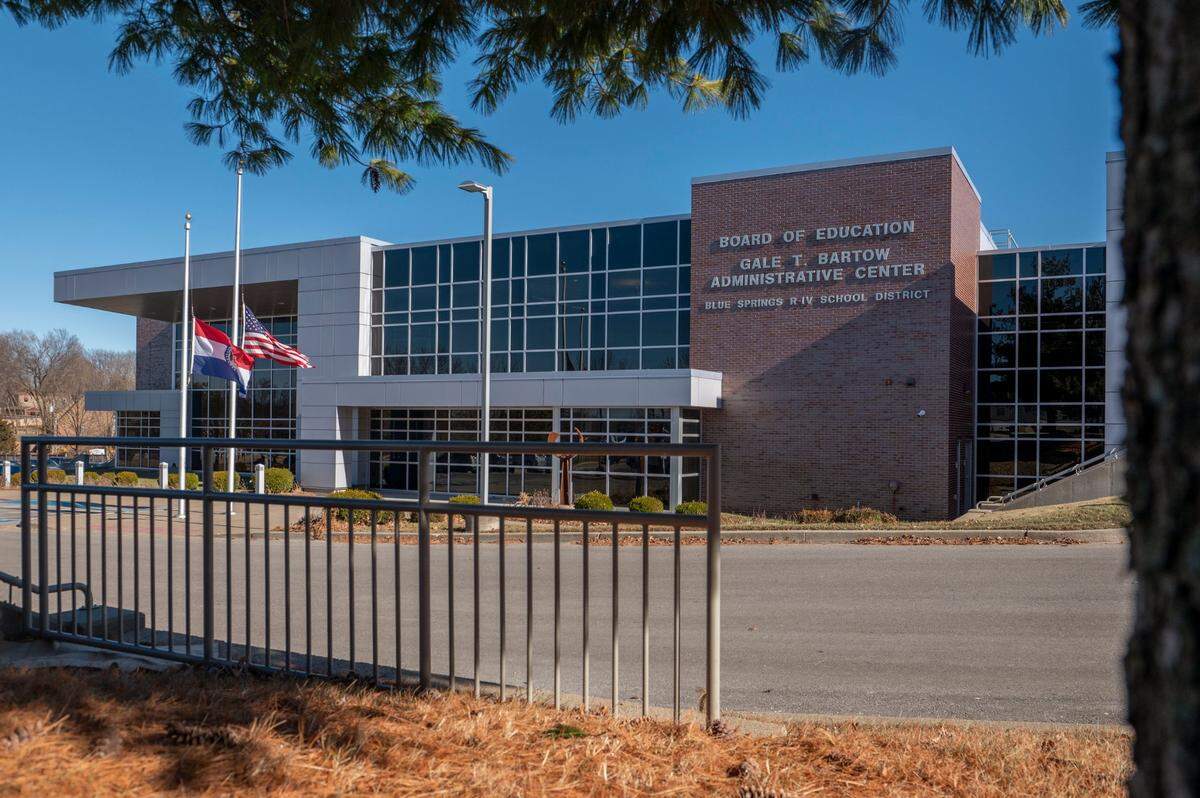
And while the school still failed to print the name “R.J.” on many of his academic certificates, the principal made an effort to correctly announce his name whenever he received an award at school ceremonies.
But some parents in the district grew fearful of Appleberry as he and his peers matured, especially when it came to school bathrooms.
By fifth grade he was told he looked too much like a boy to use the girl’s bathroom, but was still not allowed to use the boy’s bathroom.
By the end of elementary school, Appleberry was using the nurse’s bathroom.
Transitioning in the teen years
Puberty was a looming concern.
Rachelle Appleberry went to her son’s pediatrician for guidance. As Appleberry entered fifth grade, he started seeing a doctor at Children’s Mercy’s Gender Pathway Services clinic who performed blood tests to check his hormone levels every six months.
When Appleberry’s estrogen hormones increased and puberty set in a few years later, he started hormone blockers. He was in middle school by that time.
“I can’t think of anything worse for a 14-year-old boy than getting boobs and a period,” Rachelle Appleberry said.
“It wasn’t all of a sudden, overnight, change your name and start taking hormones. It was a slow progression over years,” she said. “When he did get to the point where hormone blockers were going to be necessary, he was still identifying as male, very strongly.”
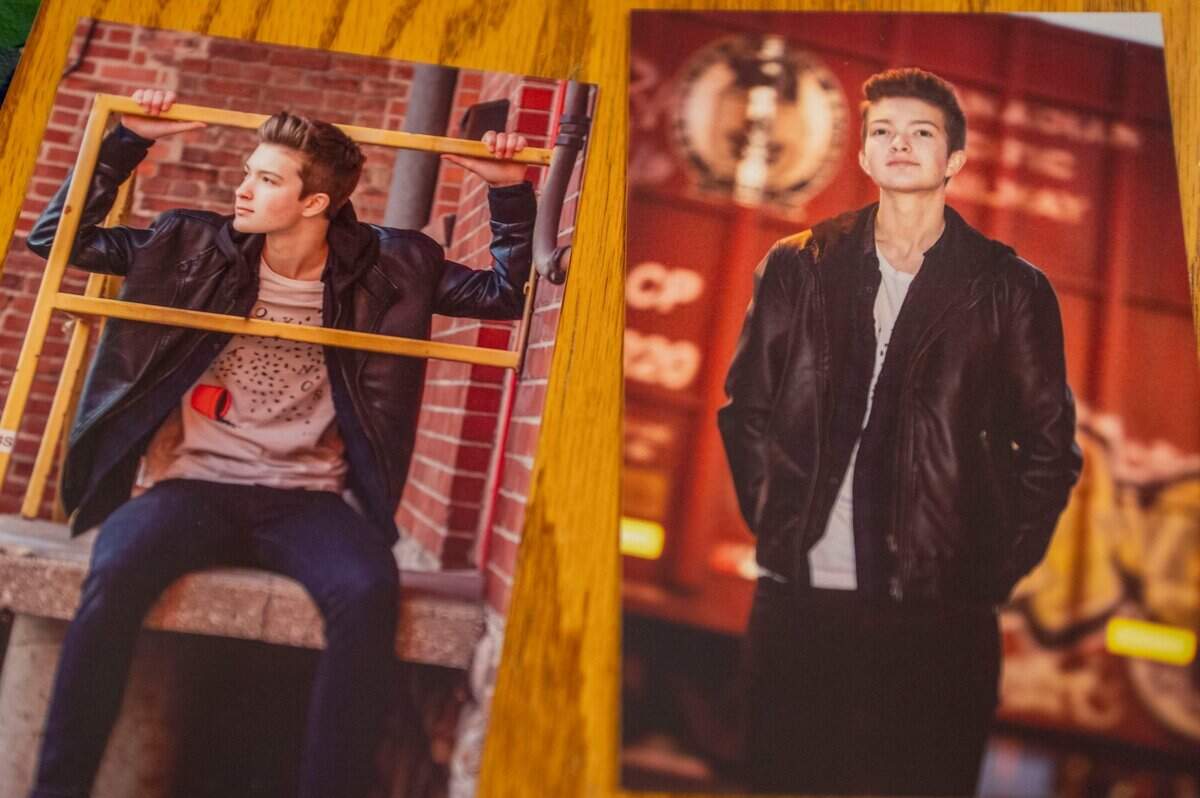
The treatment bought them time. Rachelle Appleberry feared her son would wake up one morning and feel betrayed by his pubescent body, and knowing young trans people experienced higher rates of suicide, she said, she did not want to give him any reason to hurt himself.
Hormone blockers are not for everyone, according to Anneliese Singh, a professor who specializes in transgender counseling at the University of Georgia. But they can be life-changing for young trans people. It allows their bodies to rest while they explore gender identity, she said.
Many therapists and physicians provide programs that allow trans youth to pursue gender affirming hormones after blockers, which, she said, can lead to a better quality of life.
State legislatures in Kansas and elsewhere introduced laws in 2021 that would criminalize physicians who gave transgender medical treatment to children.
Studies show gender affirming care, such as hormone blockers, can be safely prescribed and used to decrease anxiety and depression among trans youth, who are more than twice as likely to suffer from depression, anxiety, suicidal ideation and self-harm than their cisgender peers.
The school bathroom policy
Before entering sixth grade at Delta Woods Middle School, the Appleberrys were invited on a tour where the principal pointed out a separate bathroom, marked for neither boys nor girls, that Appleberry could use.
Sometimes Appleberry would come home and tell his mother the separate bathroom was locked, forcing him to walk to the nurse’s bathroom.
His mother asked the school if Appleberry could use the boy’s bathroom or get a locker in the boy’s room, but the administration argued it was against school policy.
Other Blue Springs parents and students reached out to express their support for her son and rarely voiced concern over him using the boy’s bathrooms or locker room, Rachelle Appleberry said.
She met multiple times with school administrators, at one point printing copies of bathroom policies from other districts that accommodate transgender students. Despite this, it remained unclear what was preventing her son from using the boy’s rooms.
Sarah Liesen, a member of Appleberry’s legal team, explained that the district requires birth certificates be provided to prove a child’s age when entering Blue Springs schools. Since Appleberry’s sex was female, according to the original certificate, the school refused to treat him as a male even though they had legally changed the record and repeatedly told administrators he identified as male.
“They don’t have a written policy that says your birth certificate controls your sex, they just say when you enroll you have to present a birth certificate,” Liesen said.
Changing a birth certificate is a rare step among trans youth, said Singh, the professor at the University of Georgia. Some states like Kansas can ask physicians for proof of sex-reassignment surgery, before changing the certificate. Often, parents, counselors or social services can only write a letter to a school requesting a child be referred to in accordance with their gender identity.
“So often in schools, we ignore each student’s needs and we make policies that are supposedly on behalf of them but don’t center them,” Singh said.
Research shows using a separate bathroom leaves trans students feeling alienated from their classmates, yet many schools defer to this policy, thinking it is the safest option, she said.
The Trevor Project, a suicide prevention and crisis intervention organization for members of the LGBTQ youth, recommends that transgender youth be allowed to use the restroom or school facility that matches their gender identity. Doing otherwise, they say, can be detrimental to young people’s mental health.
Joel Baum, a senior director of Gender Spectrum, a nonprofit researching gender, said a kind of hysteria can play out, most often among adults, when it comes to allowing transgender youth to use a multi-stall bathroom.
Baum spent time as a school administrator and remembers parents being concerned over the genitalia of trans youth using the boy’s and girl’s bathroom. He insists they should have been concerned with students’ behavior instead.
There’s no data suggesting transgender students have endangered peers while using a boy’s or girl’s bathroom, Baum said. In fact, it’s the opposite.
A Centers for Disease Control and Prevention report released in 2019 shows transgender students were more likely to be victims of violence than their peers, despite making up less than 2% of the population, according to a survey of nine school districts across 10 states.
In a 2021 survey, more than half of transgender and non-binary youth contemplated suicide and 20% attempted to kill themselves. Suicide rates across the LGBT community were higher among Black, Indigenous, and multiracial youth than white youth.
But, trans youth who can change their gender identity on a birth certificate or drivers license reported considerably lower rates of suicide. Most of the people surveyed were not able to change these legal documents.
High school locker room
Beginning in sixth grade, Appleberry trekked to the nurse’s bathroom to change his clothes for P.E.
By the time he reached high school, the district allowed him to be homeschooled for P.E. to avoid the locker room headache.
But he still had to use a separate bathroom to get ready for football practice. He was given a key to wear around his neck to access it. He could only join the rest of the team in the boy’s locker room after everyone had changed.
“I’d see him put that key around his neck in the morning. And I just really hated that. But you know I thought, we’re just trying to make it through,” his mother said.
One morning, Appleberry walked into the locker room a few minutes early.
The coach told him he was not allowed yet.
“The coach yelled at me like I robbed a bank,” Appleberry told his mother.
He said the coach gave him a watch and sent him to his separate bathroom, ordering him not to return until the clock struck a specified time.
The teen cried as he watched the time tick by.
The next day Rachelle Appleberry met with a school board representative. But nothing changed.
At the end of the school year, she sought legal representation, though she said she didn’t even know what that would look like.
“Do whatever you want to me, but don’t treat my kid like that,” Rachelle Appleberry said. “Especially knowing that I’m not there, and I can’t help him.”
A $4 million verdict
In October of 2015, Rachelle Appleberry filed a discrimination lawsuit against Blue Springs School District, alleging that her son had been discriminated against for his sex.
In the petition, she alleged that Appleberry was required to use bathrooms separate and inferior to those of the other boys. He was also denied access to the boy’s locker room on a daily basis, despite his peers receiving unrestricted access.
The lawsuit said Appleberry suffered degradation, humiliation, anxiety and loss of sleep. It said the school district’s conduct showed “reckless indifference” toward Appleberry’s rights.
The school’s legal team argued that the Missouri Human Rights Act did not cover gender identity, therefore excluding transgender people from protections.
A judge dismissed the case without an explanation in 2016. Motions to appeal the decision were denied for nearly three years.
Appleberry wasn’t really focused on the court proceedings. He was just trying to get by as a 14-year-old.
For his mother, however, the lawsuit was consuming.
Unkind words from a few parents and constituents of neighboring churches weighed heavy on her mind. Some relatives went so far as to mail the Appleberry’s brochures on conversion therapy.
At one point Rachelle Appleberry called in as a guest on a conservative radio show where the hosts were speaking against the transgender community. She hoped to bring a different perspective to the air. Instead, the hosts accused her of child abuse.
But the Appleberry family’s church remained supportive. Appleberry was invited to speak to the congregation, teach bible classes and attend mission trips.
“As a pastor, my job is to support people, and to love them as Jesus would love them,” said Standley, the family’s former pastor. “Our number one goal is to love God and love our neighbor, and there’s no stipulations on that.”
Appleberry was no exception.
Standley still tears up remembering watching Appleberry come to recognize his identity. Watching his family ask questions, do their research and love him unconditionally. She told The Star recently, it was extremely difficult to watch the Appleberrys experience the isolation and alienation thrust on them by some members of the community.
If anything, Standley said, Appleberry’s journey taught her “that meeting people where they are is as important as anything else.”
Rachelle Appleberry said the support from people like Standley gave her the endurance to see the lawsuit through, as did stories from other mothers of trans children who faced vitriol.
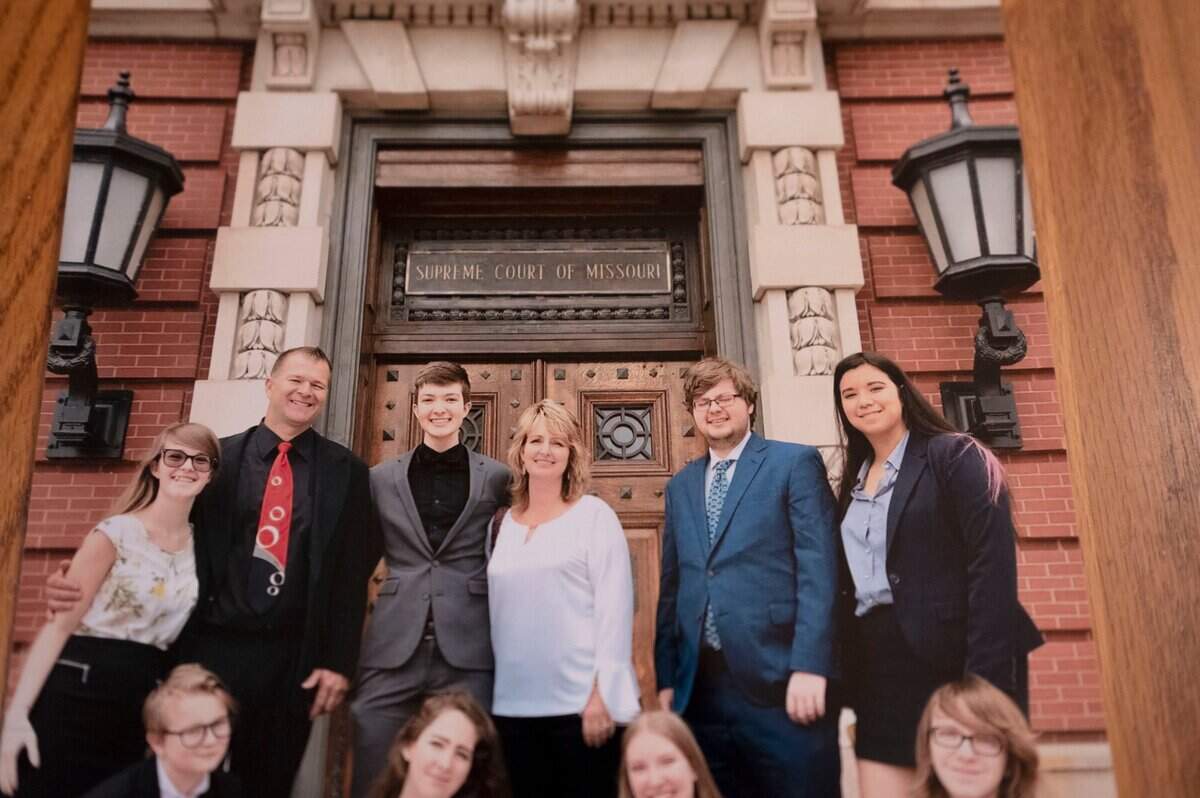
In 2019, the case was appealed to the Missouri Supreme Court, which decided Appleberry’s claim of sex discrimination included people who were transgender. Over the past decade, several courts across the country have taken a similar view.
The case was presented to a jury in Jackson County court on Dec. 7, 2021.
Six days later, jurors decided the school district owed more than $4 million in damages to the Appleberry family, one of the largest known awards to a transgender plaintiff in a discrimination lawsuit.
“We asked for $500,000 to send a statement and said $2 million would shake up the earth,” said Liesen, the Appleberry’s attorney. “They doubled that.”
On Jan. 12, the Westboro Baptist Church protested outside three Blue Springs school buildings blasting the jury’s verdict.
They were overwhelmed by a crowd of parents and students adorned in pride flags and holding signs reading “Trans Rights Matter.” Rachelle, R.J. and Ashley Appleberry drove by, stunned at the number of people supporting them.
“Initially I thought the school had chosen the wrong family,” Ashley Appleberry said. “But it turns out, they picked the wrong community, too.”
The Star’s Anna Spoerre contributed to this report.
This story was originally published January 23, 2022 at 5:00 AM.