
On The Vine: Yo, thanks for being here this year

Can’t lie y’all, the year began with the most egregious and, for my sake, terrifying display of just how deep hate and division has sown — just how much, to borrow a theme from James Baldwin, time is still needed for your progress.
Jan. 6, 2021 was a time before On The Vine. On that day I was still shooting emails back and forth with members of The Star and McClatchy team about what this experiment would look like as we prepared to drop that first newsletter. So much autonomy and leeway was given for what On The Vine could be, and while today’s newsletter barely resembles that first one we sent on Jan. 7, the aim and intent has stayed the same, and for that I thank you.
Thank you for being open; for engaging in nuanced conversations around racism, diversity and equity in Kansas City and more broadly how the crux of — and arguments around — those can propel us forward and, in far too many cases, can hold us back as a society.
Thank you for reading newsletters on the mount and engaging in journalism about white supremacy, critical race theory and not critical race theory, about reproductive rights, anti-Asian hate and anti-LGBTQ rhetoric.
I could go on, but thank you all for making On The Vine one of the best-read newsletters across the newsrooms at McClatchy.
We’ll be off next week for the holiday, so stay safe; stay thoughtful.
Around the block
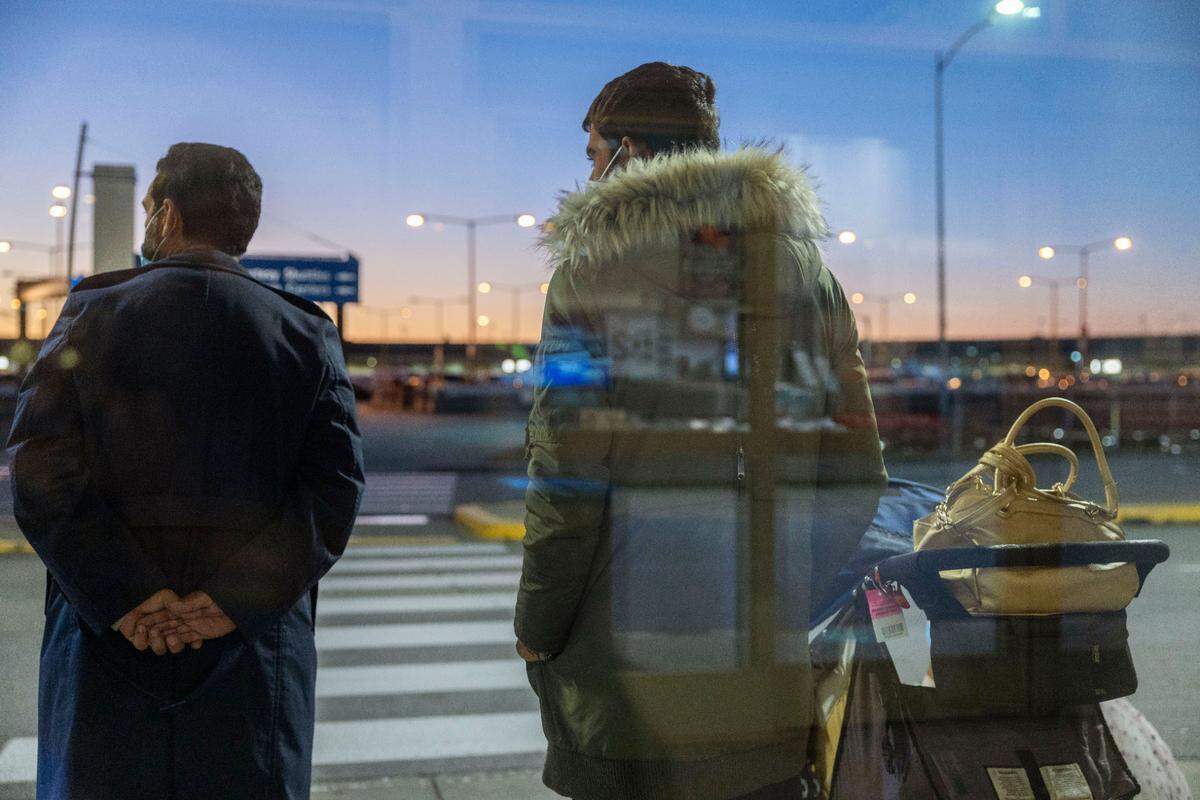
They fled Afghanistan. Now they live with 16 people in a single Kansas City apartment
Aisha fled Afghanistan through a chaotic scene at Hamid Karzai International Airport in Kabul with 21 members of her family. She was forced to leave her husband, trapped on the wrong side of a closing gate, behind in order to, as she saw it, provide for their 18-month-old son.
Now she and 16 family members are sleeping on the floor of a cousin’s two-bedroom apartment in Kansas City. They’ve arrived with nothing to their name in a city and country woefully unprepared to provide them the resources and support they need to work, resettle, and start anew.
The Star’s Anna Spoerre and Matti Gellman report:
While arriving in the U.S. offers her family a safety she feared losing in Afghanistan — a safety she is grateful to now have — the journey in Kansas City thus far has been harder than anticipated, Aisha said, speaking through an interpreter during an interview with The Star. She asked that her last name not be published for fear of retaliation against her family back in Kabul.
When Kansas City announced it would welcome 550 Afghan evacuees, most people expected that would mean finding them decent places to live and getting them back on their feet.
But for many, that hasn’t happened.
So far, at least 163 Afghans have arrived in Kansas City, and many have found a community and system unprepared to house them. Some, like Aisha’s family, have been turned away by landlords and are living in overcrowded conditions. Some have been living in homes with no heat. Others have been placed in hotels for emergency housing...
Some say city officials have not done enough to help secure housing quickly. More broadly, failure to properly prepare and delays at the federal level have left Aisha and others without the paperwork, such as Social Security cards, they desperately need to get housing and jobs.
Check these out too...
New Wyandotte Co. commissioner accused of yelling racist, sexist slurs at Black teen in 2015
Missouri AG sues Springfield schools, alleging Sunshine violations over critical race theory docs
‘Make a stand’: Liberty parents push back against suggested school book bans
Beyond the block
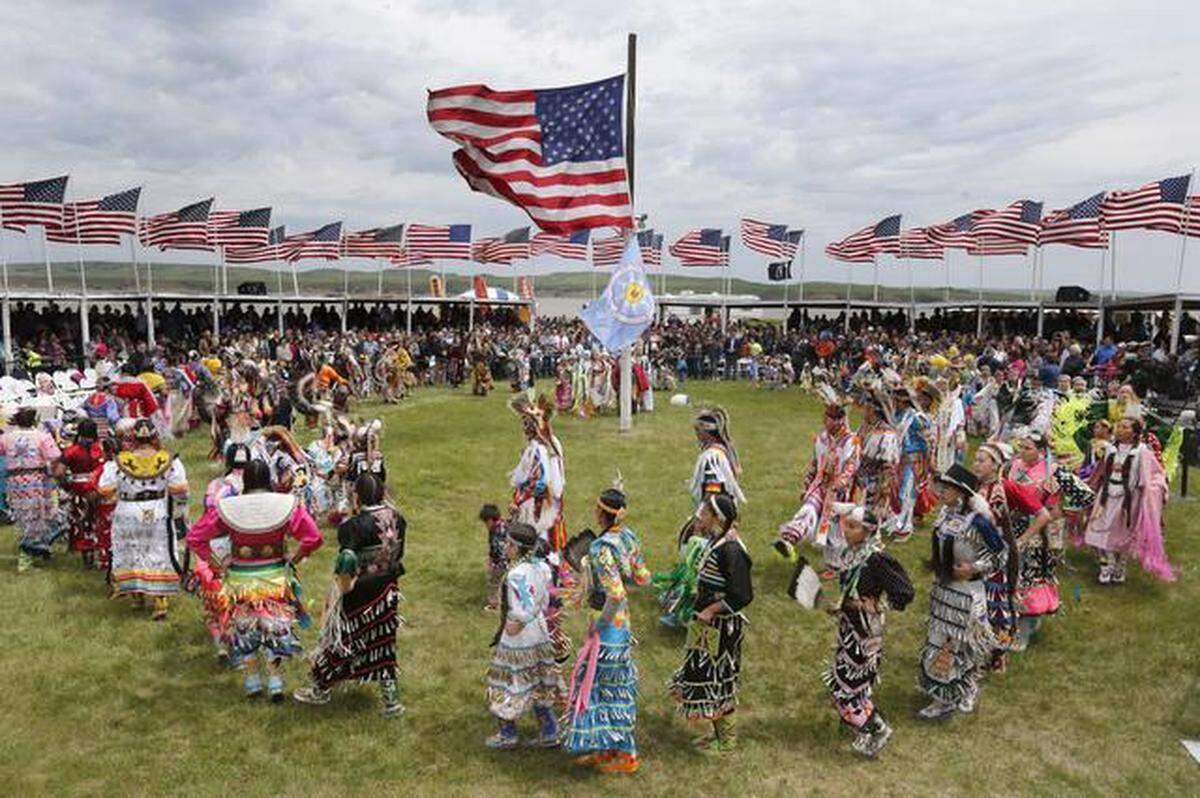
The Department of Justice this week said it would provide 137 grants to 85 American Indian and Alaska Native communities, for a total of $73 million, to improve public safety and serve crime victims.
According to a release from the DOJ, more than four in five American Indian and Alaska Native adults have experienced some form of violence in their lifetime. That equates to nearly three million people who have experienced stalking, sexual violence, psychological aggression or physical violence by intimate partners.
The grants are designed to help enhance tribal justice systems and strengthen law enforcement, improve the handling of child abuse cases, combat domestic violence and support tribal youth programs.
Read up on this...
Librarians are resisting censorship of children’s books by LGBTQ+ and Black authors
Doubts cast on alleged email from tennis star Peng Shuai amid worries over her whereabouts
Tensions grow outside courthouse as Rittenhouse jurors deliberate
Racial covenants, a relic of the past, are still on the books across the country
For the culture
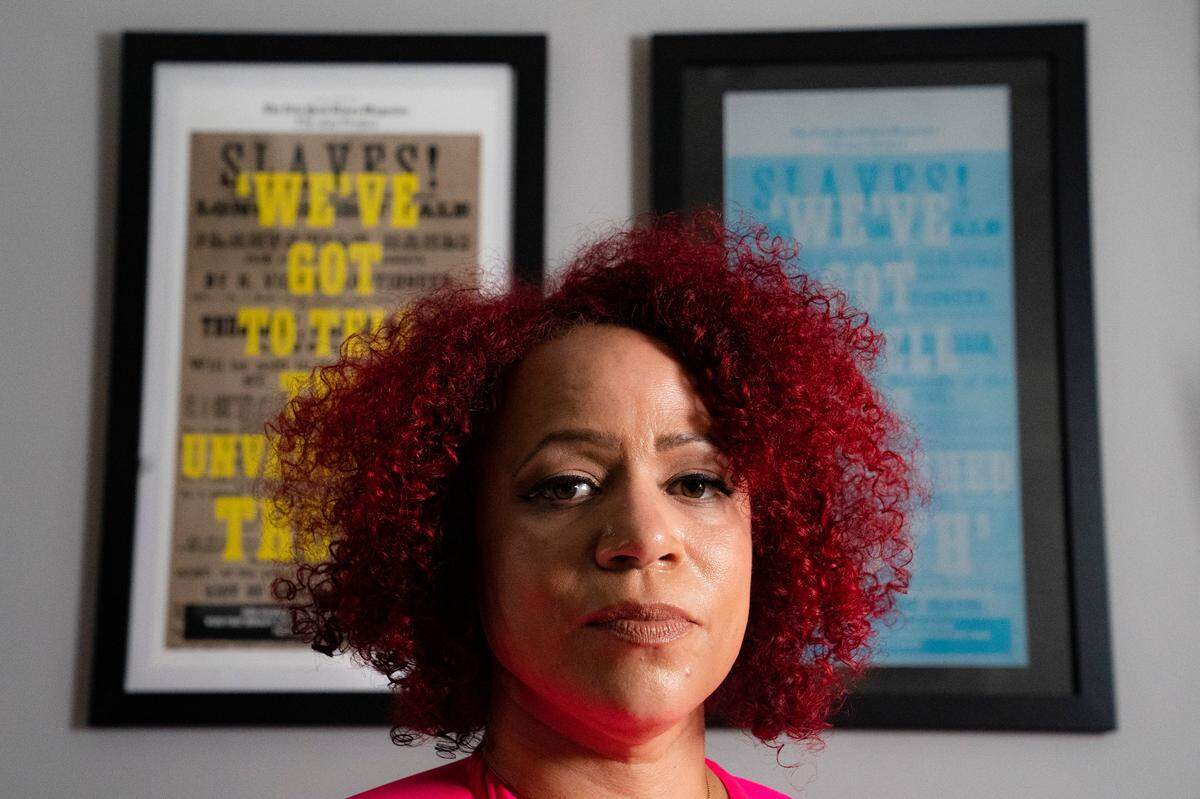
“The 1619 Project” Book Review: A Landmark Reckoning With America’s Racial Past and Present
It took everything in me not to, in researching for this excerpt, delve headfirst back into hours of awe inspiring sifting through The New York Time’s 1619 Project.
It’s from that project — which asserts that America’s origins began with the arrival of a cargo ship carrying enslaved Africans in 1619, not the Mayflower in 1620, and has led to public supremacist outcry and governmental intervention to stop its acknowledgment — that this newly release book was born.
The New York Times’ Adam Hochschild writes:
It is not without flaws, which I will come back to, but on the whole it is a wide-ranging, landmark summary of the Black experience in America: searing, rich in unfamiliar detail, exploring every aspect of slavery and its continuing legacy, in which being white or Black affects everything from how you fare in courts and hospitals and schools to the odds that your neighborhood will be bulldozed for a freeway. The book’s editors, knowing that they were heading into a minefield, clearly trod with extraordinary care. They added more than 1,000 endnotes, and in their acknowledgments thank a roster of peer reviewers so long and distinguished as to make any writer of history envious.
Part of the book’s depth lies in the way it offers unexpected links between past and present. New Yorkers, for instance, have long protested that the city Police Department’s “stop and frisk” searches for contraband or guns disproportionally snag people of color. But how many had connected it, as Leslie Alexander and Michelle Alexander do here, to the slave patrols of the old South, in which groups of armed white men routinely barged into the cabins of enslaved men and women to hunt for stolen goods or “anything they judged could be used as a weapon”?
This is for you too...
‘1619 Project’ journalist says Black people shouldn’t be an asterisk in U.S. history
These are the real-life figures that inspired Netflix’s ‘The Harder They Fall’
Bruno Mars and Anderson .Paak’s “feel-good” music comes from hard times and real pain.
Take in the little things
Did someone forward this newsletter to you? You can sign-up here. If you’d prefer to unsubscribe from this newsletter, you can do so at any time using the “Unsubscribe” link at the bottom of this message.