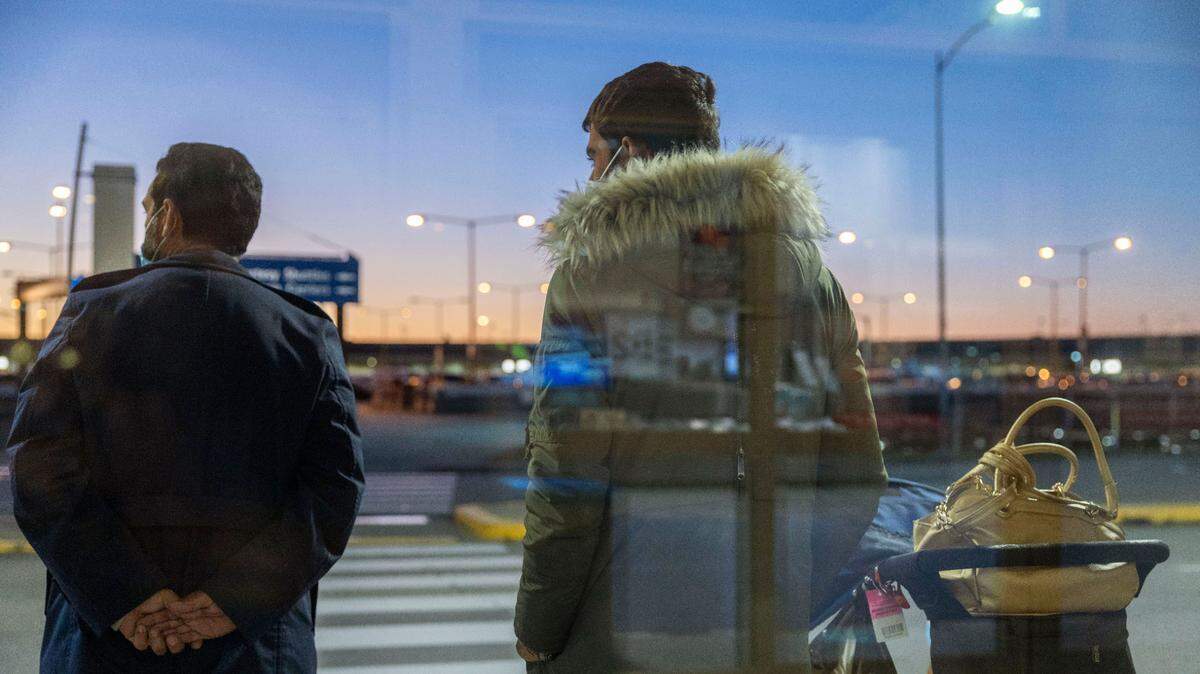
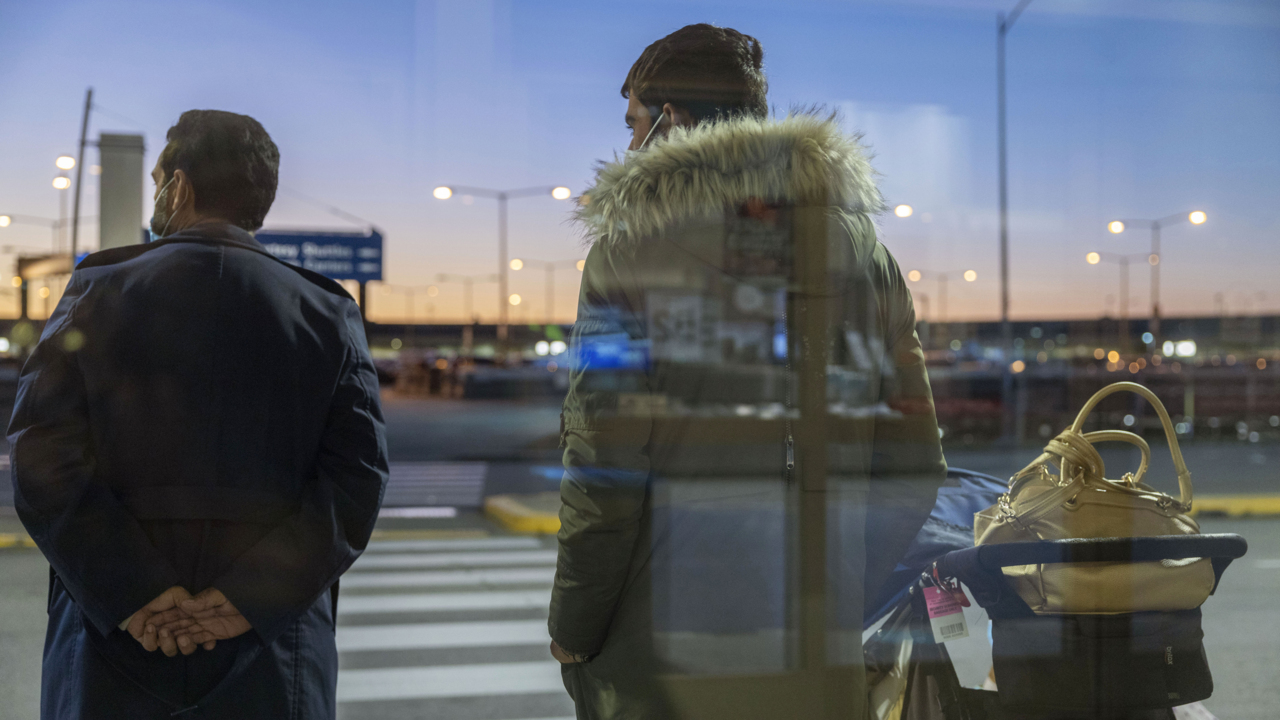
They fled Afghanistan. Now they live with 16 people in a single Kansas City apartment
READ MORE
Kansas City’s Afghan resettlement
When Kansas City announced it would welcome 550 Afghan evacuees, most people expected that would mean finding them decent places to live and getting them back on their feet — but for many, that hasn’t happened
Evacuees have been turned away by landlords and are living in overcrowded and temporary conditions due to failures to properly prepare and delays at the federal level. Some have been living in homes with no heat. Others have been placed in hotels for emergency housing.
Expand All
Crammed alongside more than a dozen other family members in a two-bedroom apartment in Kansas City, Aisha feels trapped and helpless.
Most of her family — grandparents, children and Aisha’s 18-month-old son — sleep in the living room on blankets spread across the floor. They keep their voices at a whisper to hide from the landlord, who has already told the 16 of them to leave and has threatened to evict the cousin in whose home they are staying.
They have been living this way for roughly three weeks, ever since Aisha came to Kansas City with almost two dozen relatives evacuating Afghanistan after the capital fell to the Taliban.
“We all went to the airport to rescue ourselves — rescue our lives,” she said. “We left everything behind. Everything.”
While arriving in the U.S. offers her family a safety she feared losing in Afghanistan — a safety she is grateful to now have — the journey in Kansas City thus far has been harder than anticipated, Aisha said, speaking through an interpreter during an interview with The Star. She asked that her last name not be published for fear of retaliation against her family back in Kabul.
When Kansas City announced it would welcome 550 Afghan evacuees, most people expected that would mean finding them decent places to live and getting them back on their feet.
But for many, that hasn’t happened.
So far, at least 163 Afghans have arrived in Kansas City, and many have found a community and system unprepared to house them. Some, like Aisha’s family, have been turned away by landlords and are living in overcrowded conditions. Some have been living in homes with no heat. Others have been placed in hotels for emergency housing.
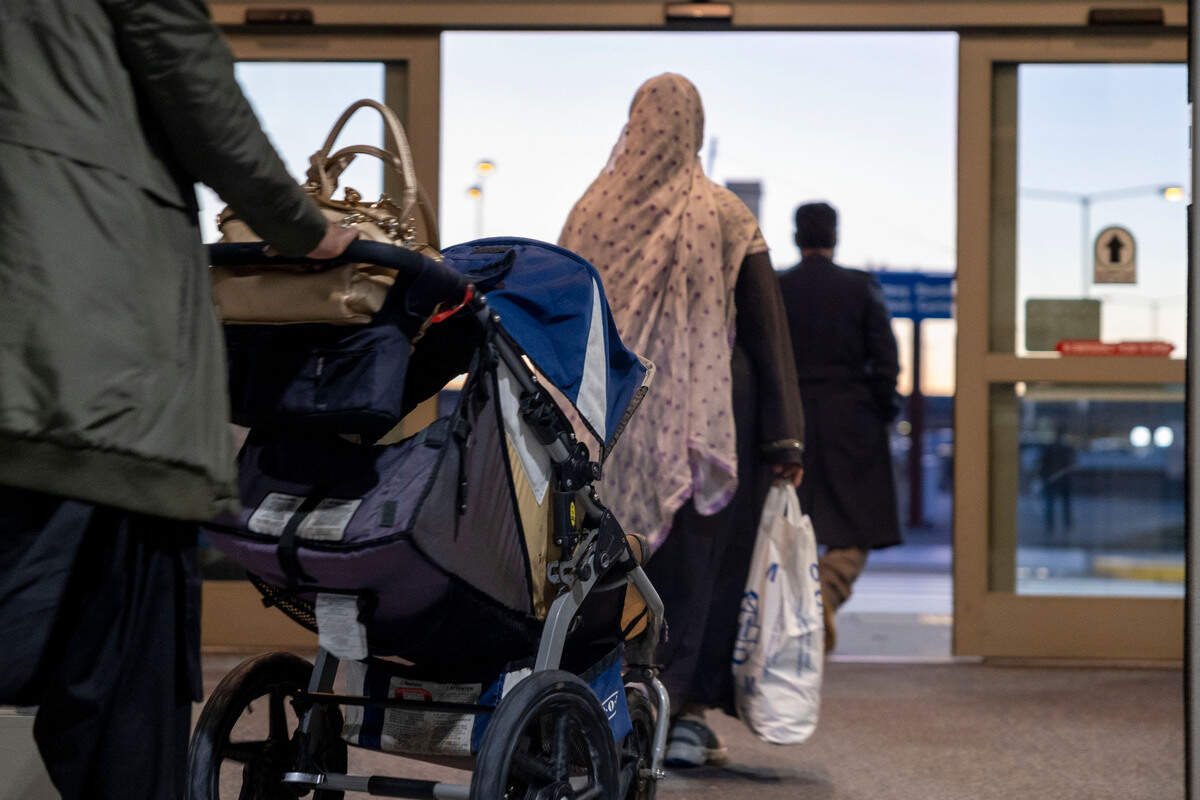
This week, resettlement agencies were expecting to receive fewer than 50 Afghan evacuees from military bases. That number quickly ballooned to more than 100 — more are expected next week — which they are now scrambling to find an appropriate hotel to temporarily house them.
Some say city officials have not done enough to help secure housing quickly. More broadly, failure to properly prepare and delays at the federal level have left Aisha and others without the paperwork, such as Social Security cards, they desperately need to get housing and jobs.
And although the system has been woefully lacking, Kansas City Mayor Quinton Lucas said that if the metro area were to close its doors to refugees until the affordable housing crisis was solved, none of the Afghans would be here today.
“We’re a community that is able to help people, to take them on and to help them rebuild their lives. And that’s what we’re trying to do, regardless of the challenges that we have at any given moment,” he said.
Yet the one-time $1,225 in cash assistance evacuees receive from the federal government is barely enough to cover one month’s rent, plus fees, especially with the lack of affordable housing in Kansas City. And the difficulty of finding work only makes matters worse.
The responsibility for resettling evacuees has largely been left up to local nonprofits, which don’t have the resources for an effort on this scale.
Della Lamb Community Services, one of the few groups taking responsibility for the evacuees, had five staff assigned to refugee services when the Afghan evacuations began. Since evacuees began arriving in Kansas City on Sept. 16, the nonprofit workers have been “pulling their hair out” working around the clock trying to stabilize dozens of families. They work alongside Jewish Vocational Services and the local arm of Catholic Charities.
But they are all overmatched.
“In theory, everything should be set up before they get here so we can hand over the keys and get them started on a new life,” said Hilary Cohen-Singer, executive director of Jewish Vocational Services.
“We knew this was going to be a very different process, just due to the magnitude of the humanitarian crisis,” Cohen-Singer said. “But we could never have prepared ourselves for this.”
As America navigates an evacuation that’s being widely compared to the resettlement of Vietnamese evacuees after Saigon fell in 1975, other cities are running into similar problems.
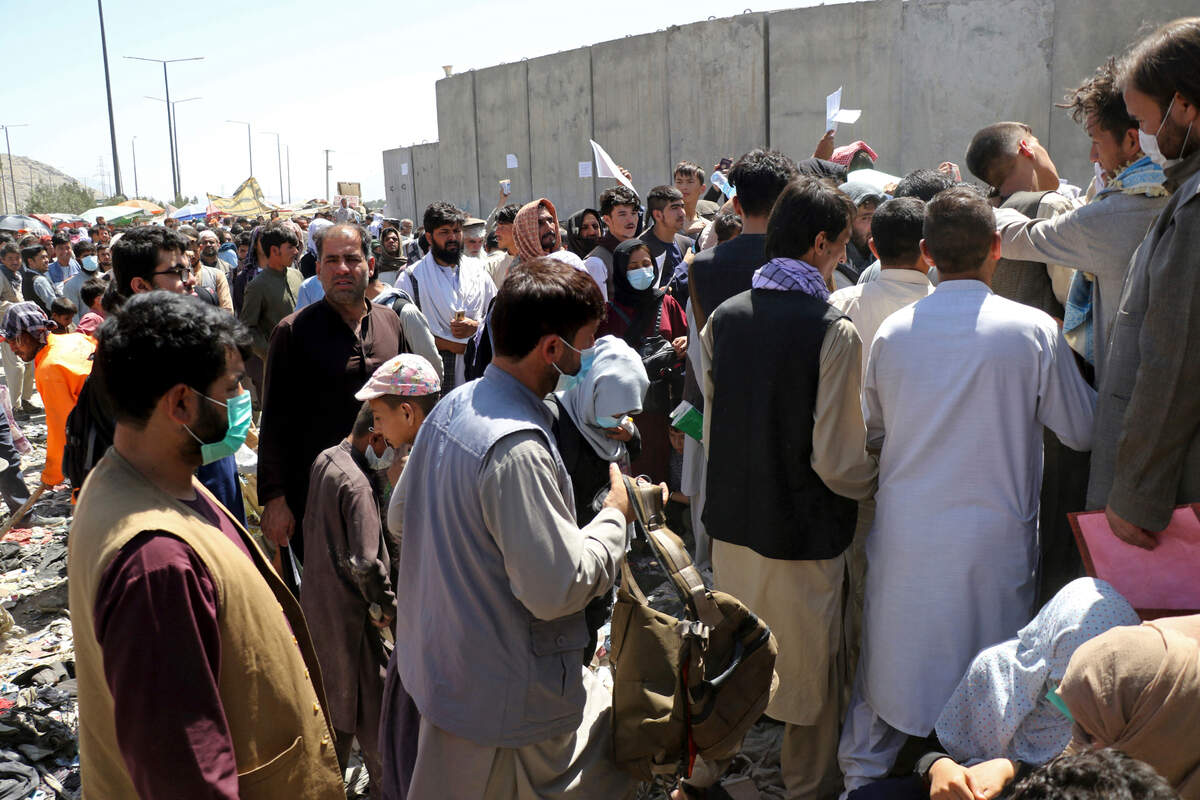
When Afghans began arriving in the Houston area, resettlement agencies in September said they were already struggling to get them access to food stamps, Medicaid and a refugee cash assistance program.
In and around Sacramento, California, a critical housing shortage led the State Department to dissuade evacuees from resettling in the area.
Earlier this month, more than 50,000 evacuees were still being housed at military camps across the country due to a number of roadblocks, including staff shortages and other logistical issues. Many don’t yet know what city they’ll arrive in as their final destination.
As military transports began taking off from Afghanistan, federal officials worked to identify the obstacles and bottlenecks keeping tens of thousands of evacuees on bases longer than they were meant to. Local resettlement agencies meanwhile have been sounding the alarm for a lack of housing before evacuees reached their final destination.
“We’re dealing with the hottest rental market in American history and a 98% occupancy rate, but we have to move 70,000 people plus into long term affordable housing,” a senior DHS official told The Star.
While many resettlement agencies have been able to successfully increase the number of housing partnerships, he said, they haven’t been able to do so at the rate needed to meet the demand, which in some places is quadruple what it was before.
In Kansas City, this means some evacuees, like Aisha, are staying with family. A few others are in hotels. As more evacuees stream into the city in coming weeks, the race for housing is predicted to only get more difficult.
“The government should take care of us,” Aisha said. “This is the only place that we have. If we are not staying here, then where should we go? Should we just stay in the streets?”
The barriers to a home
Nearly three months ago, on the day of her evacuation from Kabul, Aisha slipped through the throng of people — with her son in her arms — trying to get past an open gate at the airport.
When the gate closed behind her, her husband, who had worked with the U.S. military, was trapped on the other side.
Aisha begged an officer to let her husband through. He gave her a choice: She could continue on with her son or go back, miss the flight, reunite with her husband and remain under Taliban rule.
She thought of her son, his dark curls tightly pressed against her. She thought of his future. She turned her back and stepped onto the plane.
Aisha was one of 120,000 people airlifted out of Afghanistan in one of the largest evacuations in U.S. history. President Joe Biden promised to resettle 125,000 refugees from Oct. 1 through Sept. 30, 2022.

In Kansas City, Lucas publicly welcomed the Afghan arrivals, announcing the city would resettle 550 people through the Missouri Office of Refugee Administration, a nonprofit tasked with resettlement work by the federal Office of Refugee Administration.
“Kansas City would proudly accept refugees from Afghanistan who have served bravely by our side over the past generation,” Lucas tweeted in August. “We have space for many who have not been able to serve, but who seek freedom to learn, vote, work, and have the equal rights our country offers for women and men.”
But when Aisha and her family arrived two months later from a military camp in Indiana, they found a city still unprepared to take them in.
Their first night in Kansas City, Aisha and 21 of her family members were welcomed by a brother-in-law who has lived here for five years.
They followed him up the stairs of his building into the two-bedroom apartment. His wife had laid out a spread of Afghan foods to welcome them. Spreading out the blankets across the floor that first night, they shared a sense of hope and joy.
They never intended to stay on his floor this long.
Aisha has been looking for a new home but has been turned away from at least six apartment buildings.
Many landlords have turned away evacuees because they do not yet have Social Security cards and their I-94 documents, issued by the U.S. Department of Customs and Border Protection, that would prove they are prospective tenants eligible to work in this country.
In many ways, Aisha is paralyzed without those documents. She cannot get housing because she does not have work documents. She also cannot work to pay rent and buy groceries. And she cannot get a driver’s license to get to English classes or a job, if she were able to land one.
Another problem is money. The evacuees are given $1,225 in cash assistance. That might be enough for one month’s rent, but it’s not enough to satisfy most landlords.
“Let’s say you’re paying $750 a month for rent. You need a month’s rent and security deposit. Then it’s gone,” said Cori Wallace, a spokeswoman for Della Lamb.
Lucas said he has been advocating that the federal government give Afghan evacuees more money to get them started.
“It’s important that those new arrivals, particularly because they risked their lives to support the United States government or United States military, I think that we should make it so that they can live in some level of comfort without immediate risk of concern of being out in the streets or anything of that sort,” Lucas said. “And that’s a message that we’ll continue to share with anyone who has the ability to write those checks.”
A moral imperative
Della Lamb operates out of an office in Kansas City’s Northeast neighborhood.
It’s not a large organization.
Della Lamb has 33 employees, with 12 dedicated full-time to refugee resettlement, a team that grew from five staffers a few weeks back in response to the Afghan surge.
The other nonprofits are similarly overburdened. Catholic Charities of Northeast Kansas has 112 resettled evacuees and only two full-time caseworkers. Jewish Vocational Services has looked to hire more caseworkers to help with the load — it had five caseworkers resettle 27 people. Della Lamb has resettled 39.
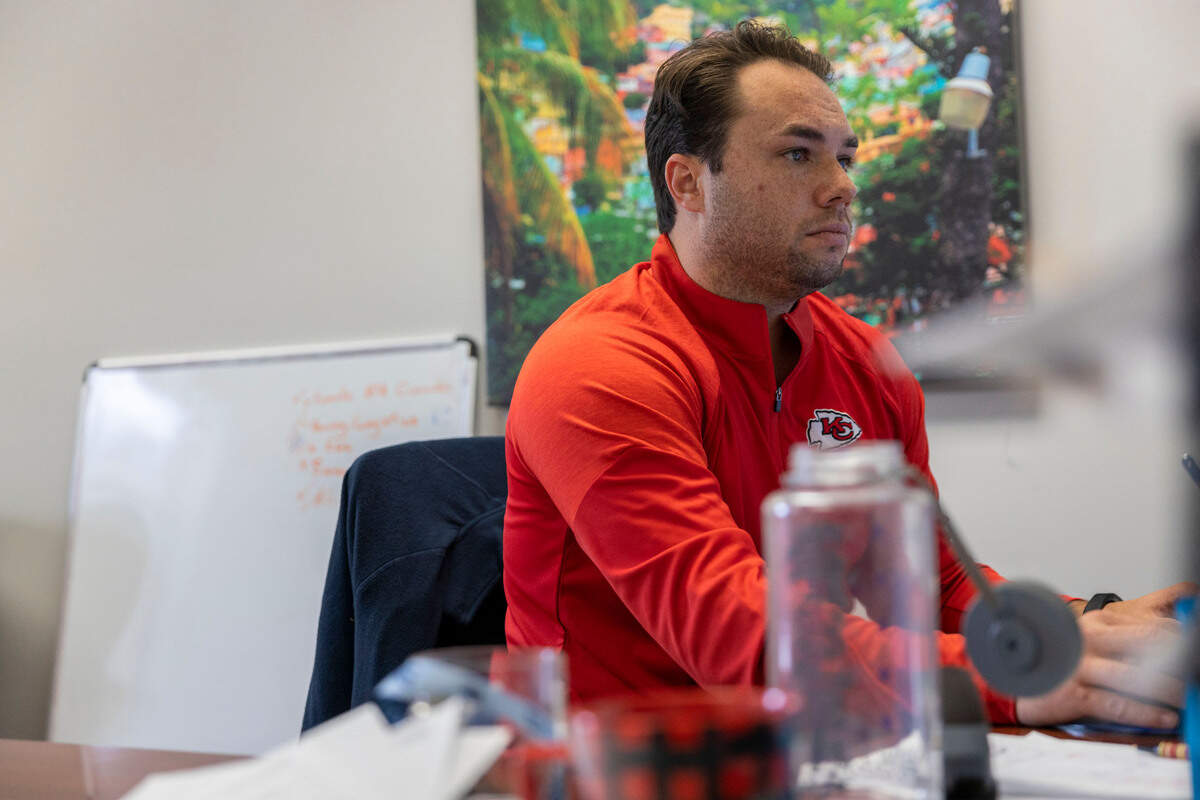
The more than 300 evacuees Della Lamb is tasked with resettling is a huge workload for an organization that had resettled fewer than 60 refugees from other countries in the previous 12 months.
It has forced the nonprofit to scale up its resources fast, which has not proven to be entirely successful. Still, leaders felt they had a responsibility to promise to help as many evacuees as they could. Earlier this year, the metro’s resettlement agencies told the State Department they had the capacity to welcome 625 Afghan evacuees — when all is said and done, they will have taken on more than that.
“We have a moral imperative to house as many as we can,” Wallace said.
As a result, they find themselves scrambling to provide critical services. They usually are able to furnish a home, arrange for groceries and set up utilities days or sometimes hours before families arrive.
But sometimes they can’t do it in time. And it’s only going to be harder as hundreds more arrive.
Elena Chan, the new community services housing coordinator at Della Lamb, said several families were living in homes that did not have heat.
She has to contact the landlords and push them to fix it, or buy the families space heaters herself.
“I feel like if I don’t do it, then it’s never done,” Chan said.
“So we’ve pulled our hair out. We’ve been fixing systems. We’ve been improving the way we’re doing things, our communication,” said Danilo Aguilar, refugee services director.
Backlog of Social Security cards
Never before have families had to wait this long for Social Security cards after arriving at their destination expecting to start their new lives, said Kasey Featherston, director of refugee and immigration services for Catholic Charities of Northeast Kansas.
“We made sure all their applications were sent in, and we have not received one Social Security card,” she said.
For the majority of evacuees, applications were sent in while they were on military bases on their way to their resettlement cities. But in many cases the issue remains that without a permanent address, they are unable to receive Social Securities cards.
By November, the backlog in delivering the cards was at least two or three weeks for a process that usually takes four to six weeks total.
As of Monday, only a couple of the evacuees through Jewish Vocational Services had received their cards. None at Della Lamb or Catholic Charities have.
The U.S. Social Security Administration did not respond to The Star’s requests for comment.
Lacking affordable housing
Stacey Johnson-Cosby, president of the KC Regional Housing Alliance, which includes landlords and Realtors, said that long before the evacuees arrived, she was concerned about where they would live.
She sent a call to action and a survey to area property owners asking who would be interested in helping house high risk and high need individuals, including Afghan evacuees. By early November, nearly half of the 36 who responded said they’d be willing to help evacuees long-term; seven said they were interested short-term.
After the survey went out, she heard from the city manager’s office, who helped connect her with a couple resettlement agencies. Johnson-Cosby said she hopes to connect with the resettlement agencies soon to offer help and to figure out how the evacuees and the landlords can navigate the lack of money and documents. But this doesn’t solve the shortage of affordable housing in the city.
“There’s nothing that we see from the city of Kansas City that will help us to increase the amount of housing that is affordable out there,” Johnson-Cosby said. “We’re in trouble. We don’t have enough for those who are already in town, for those who are homeless. People who may have other special needs or be in special voucher programs. We don’t have enough housing today.”
‘Want to stand on my feet’
It is unclear where Aisha and her family will be in a month, six months or a year, or how they will support themselves.
Some of her family members are finding new homes through Della Lamb, which recently hired her brother-in-law as a caseworker. Aisha hopes she is next.
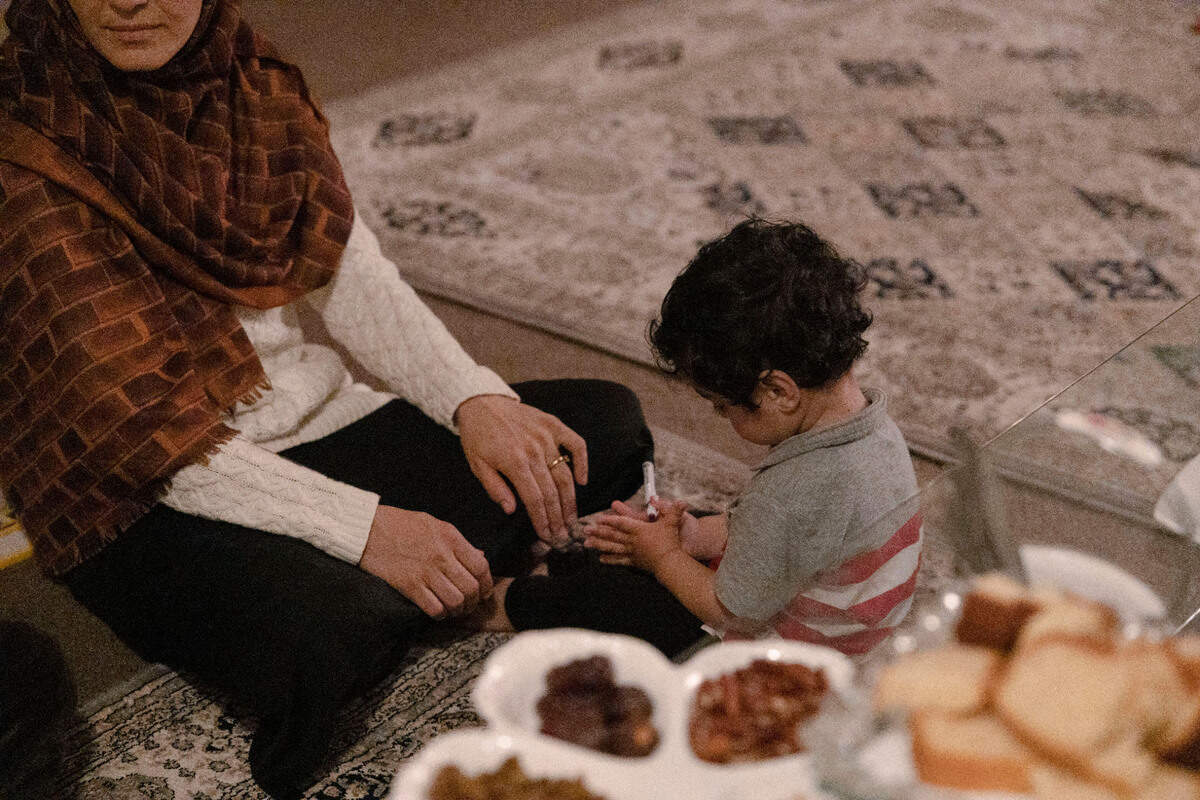
After that, her priority is getting a job, and that will be a challenge. She does not have a college degree and does not speak English. So she plans to take language courses and may be able to take advantage of programs that hire refugees.
She is waiting on her Social Security card. She will need that to get a Medicaid card or a driver’s license.
“I want to work and I want to stand on my feet,” she said.
Most of all, Aisha is anxious to get her husband to Kansas City; for now, he is stuck in limbo in Afghanistan, trying to process the paperwork that would get him out. They still talk every day.
She has high hopes for her son growing up in Kansas City. He could be safe and happy. He could grow up to be a doctor and get married. He could be anything.
“I’m hoping that my son, I will take good care of him and that he will grow up here,” she said. “That’s why I’m here and spending these difficult days.”
Correction: This story has been updated to include the total number of current refugee resettlement staff at Della Lamb, which is 12.
This story was originally published November 17, 2021 at 5:00 AM.