
On The Vine: I got someone I’d like you to meet
I want to introduce you all to someone. We made a pretty big hire recently. Aaron Torres has joined The Kansas City Star as a breaking news reporter with a focus on race and equity work. He’s hit the ground running and already done some really good work. And as a bilingual journalist... well, maybe I’ll let him do the talking.
Roll call...
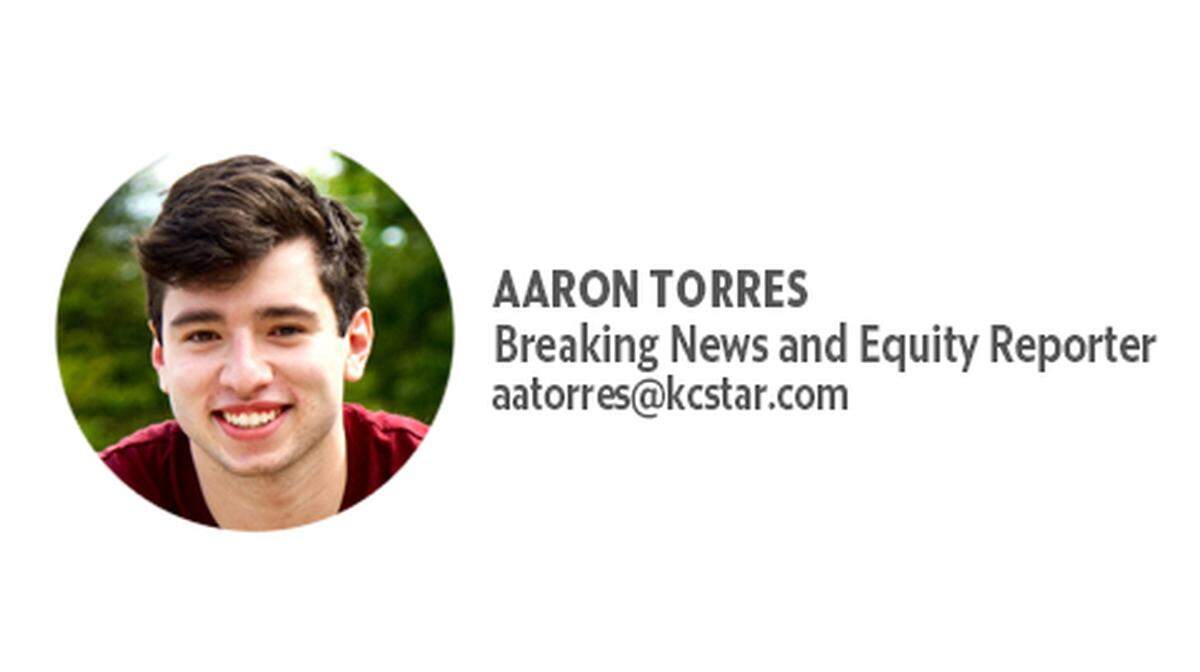
My name is Aaron Torres (or Aarón Torres in Spanish) and I just recently moved to Kansas City and have genuinely enjoyed getting to know the city — and the people here. I was born in Austin, Texas, but lived in Mexico City for the first four years of my life. My parents then immigrated to the United States after my dad got a job offer in Austin.
I grew up speaking Spanish at home to my parents because they wanted to make sure their three sons were bilingual. I have never spoken to my parents in English. I studied journalism in college at the University of Texas and had my first job as a sports reporter in Knoxville, Tennessee.
I decided to pursue this job because I saw an opportunity to tell stories and cover the Latino and Hispanic communities around the Kansas City metropolitan area — specifically Wyandotte County. I was also drawn to the responsibility of covering and writing about how race and racism impact people’s daily lives. It’s impossible to accurately write about life in America without examining the role race plays.
I’m really excited that I’ll have the opportunity to write stories in Spanish — The Star published my first Spanish story earlier this week — and talk and interview people in Spanish. Aside from journalism, I have a pet bunny named Buddy — I post a lot of pictures of him on Twitter. Buddy knows commands in Spanish. I enjoy reading non-fiction books, drinking iced coffees, going on runs and exploring Kansas City. I’m looking forward to getting to know this city and the people living here.
Around the block
‘¡Vacúnate!’: Kansas City-area officials rush to vaccinate Hispanics against COVID-19
In this piece, for which The Star’s newest member of the team Aaron Torres conducted interviews in Spanish and translated the entire thing into Spanish as well to ensure we reach the intended communities (that’s huge, by the way), he tells the story of Guadalupe Abelino, who waited months to get the vaccine.
She was nervous and scared for her children and didn’t know what information to believe. Health experts note the language barrier as a major factor in vaccine hesitancy. It was only after Abelino herself, her husband and their three children all got COVID-19 in November that she drove to a clinic and got her first dose.
In the Kansas City metro area, disparities in vaccination rates among Hispanic communities are stark. In Wyandotte County, 35% of residents have been fully vaccinated and 41% have received at least one dose, according to Wyandotte’s Resident Vaccine Data. But for Hispanics in the county, the number is just 27% who have been fully vaccinated.
“We’re still very concerned that our people aren’t getting vaccinated and they’re the ones affected the most,” said Marielena Marroquin, community engagement manager at Swope Health Services....
A big factor in the low vaccination rate among Hispanics is the language barrier that exists. Some households may only have native Spanish speakers who don’t understand the information about the vaccine if it’s only accessible in English.
Experts said it’s hard to disseminate the correct information about the vaccine.
In Kansas City, Kansas, 22% of adults and 30% of kids speak Spanish at home, according to census data. Both are more than double the rate of the greater Kansas City metro area.
Don’t miss these...
‘¡Vacúnate!’: Oficiales de Kansas City se apuran a vacunar hispanos contra COVID-19
Kansas City father went to the ICU with COVID. Now, he has a new take on the vaccine
The KC Parks group formed to study monuments to slaveholders hasn’t met in 8 months
Beyond the block
Senate Democrats unfazed by GOP police funding proposal
On Tuesday evening, Republican Sen. Tommy Tuberville offered an amendment to Democrats’ $3.5 trillion budget resolution outlining their party’s and President Joe Biden’s domestic agenda. The non-binding language suggested cutting federal aid to municipalities that defund the police.
As Alan Frams at The Associated Press writes:
Defunding the police became a progressive battle cry in a year of nationwide in protests against racial injustice over the death of George Floyd and other black Americans killed by law enforcement. The idea has been rejected by all but the most left-leaning congressional Democrats, but Republicans frequently accuse them of backing proposals to gut police budgets anyway...
Booker said Tuberville has “given us the gift that finally, once and for all, we can put to bed the scurrilous accusations that somebody in this great esteemed body would want to defund the police.”
Thumping his desk with his fist, he said Tuberville’s amendment should also state that every senator also “believes in God, country and apple pie.”
Tuberville’s amendment passed 99-0 as Democrats leapt at a chance to cast a vote they could use to argue they’re against police defunding. Minutes earlier, Booker predicted witheringly that Tuberville’s proposal would ensure there would be no more Republican ads attacking Democrats on the issue.
Check this out...
Black Real Estate Agent and Clients Handcuffed at House Viewing
A discussion of Asian and Black solidarity: ‘Wherever there’s a fight, that’s where I want to be’
New York Gov. Andrew Cuomo resigns after sexual harassment allegations
5 takeaways from the major new U.N. climate report.
I remember sitting in my fourth grade classroom and, after hearing about the possibilities of flying cars sometime by now, learning about climate change; that we had years to reverse the adverse effects of air and ocean pollution.
On Monday, a scientific body convened by the United Nations, released a major report detailing the impacts of climate change, our clear role in it and the narrow window to stop it from worsening.
Henry Fountain lays out the five key takeaways for The New York Times:
The report, based on the analysis of more than 14,000 studies, is the clearest and most comprehensive summary yet of the physical science of climate change. It lays out what the climate was like in the past, what it’s like now and what it will be like for decades to come. And it shows how humans can affect future climate through actions they take — or don’t take — now to reduce emissions of carbon dioxide and other heat-trapping gases.
Stay cool
Did someone forward this newsletter to you? You can sign-up here. If you’d prefer to unsubscribe from this newsletter, you can do so at any time using the “Unsubscribe” link at the bottom of this message.