
On The Vine: ‘Sorely missed, wildly celebrated’

May 19 would have been Malcolm X’s 96th birthday.
I don’t know if it’s the film “One Night in Miami,” the research done on a recent story about movements and Black and AAPI solidarity, or the tumultuous past year plus, but Malcolm X has been on my mind a lot more than usual. Maybe it’s just a recent realization of the futility in divorcing Malcolm, his words, his existence from the Black experience I live every day. There are reminders everywhere.
What do you think of when you think of Malcolm X?
I think about how when I was young, it was amazing to me that a Black man was presented to me so composed, so well-read — the intellectual’s intellectual.
“He must have read every book,” I’d think.
“Many who today hear me somewhere in person, or on television, or those who read something I’ve said, will think I went to school far beyond the eighth grade. This impression is due entirely to my prison studies,” Malcolm X said in his autobiography.
Check out: 15 Books Malcolm X Read In Prison
I don’t have much this week for the newsletter, these are simply the musings of a man staring at the dozens of books on his shelf he’s yet to read and thinking about Malcolm X. With all the rain in Kansas City this week, maybe I’ll just crack a couple open.
Let me know what y’all have been reading.
Around the block
Stop Asian Hate leans into legacy of civil rights to spark movement, dismantle racism
The Star’s Cortlynn Stark and Katie Moore dove into a nuanced and somewhat difficult to get a grasp on story, exploring how a moment becomes a movement and the history and necessity for solidarity between Black and AAPI activists, as well as others fighting to combat and dismantle white supremacy.
Over the last year, largely the result of escalating racist anti-Asian attacks during the COVID-19 pandemic, Asian activism has grown. The Stop Asian Hate movement led to rallies across the country, spurred by the killings of eight people, including six women of Asian descent, in Atlanta. In Kansas City, a number of groups and individuals have attained broader visibility, speaking up for the nascent movement...
...Today, Black Lives Matter “is very much establishing a model and a movement to be in solidarity with,” says Scott Kurashige, a professor of comparative race and ethnic studies at Texas Christian University.
For those in the Asian American community, that has meant conversations about how to address anti-Asian violence that recognize solutions like increased policing that may hurt other people of color.
“The whole idea of doing this work has to begin with the notion of justice for all,” Kurashige said. “And how we formulate our organizations and our identities has to begin with this intersectional concept of how oppression works and how social justice can be achieved.”
In case you missed it...
As Muslims in Kansas City emerge from holy month, focus remains on global suffering
Kansas City rally backs Palestine with hundreds marching from Country Club Plaza
Gun-wielding St. Louis lawyer Mark McCloskey launches campaign for U.S. Senate
Like Tech N9ne before him, rising rap artist finds he can still call Kansas City home
Tech N9ne called him a “one of one” artist, and the one to watch among Kansas City’s up-and-coming talent. The Star’s Kevin Hardy sat in the studio with Sulaiman Salaam, known as Suli4Q, to tell his story of what got him into rap, and where it’s taking him.
“He has the drive, the talent and the music to go all the way,” said the rapper, born Aaron Yates.
At his Strange Music record label, Yates expects artists he signs to go on to even bigger careers than his 35-year and counting run in the music industry. And he expects the same of Suli4Q, who he has collaborated with on several projects but is not signed onto his record label...
Music runs in the Sulaiman Salaam III’s family. His father, of the same name, starred in his own rap group called Islamic Force in the 1980s and 1990s. But his dad, imam at Kansas City’s Al-Haqq Islamic Center, ultimately put aside aspirations of a professional music career to stay home in Kansas City in order to play an active role with his kids.
His son, now with two young kids of his own, still thinks about that choice.
“My dad felt like he had to choose between the two,” Salaam said, “and I decided I wanted both.”
Beyond the block
The House passes bill to combat anti-Asian hate crimes
The House, earlier this week took a step in a significant piece of legislation that speaks volumes to the national view of approach to the rise in anti-Asian hate recently and throughout the course of the coronavirus pandemic.
The bill, dubbed the Covid-19 Hate Crimes Act and which already passed in the Senate, is now headed to President Joe Biden’s desk.
It would bolster hate crime tracking by designating a Justice Department official to specifically review potential hate crime incidents, providing grants for regional law enforcement agencies to set up reporting hotlines, and offering training to police on how to handle hate crime response.
The bill is significant in that it marks a notable denouncement of anti-Asian racism, which has increased during the pandemic as Asian Americans have been scapegoated for the spread of coronavirus, though some activists and legal experts worry that it doesn’t really address the root causes of hate crimes and relies too heavily on policing to tackle the issue....
...The passage of this bill makes some inroads to gathering better information about hate crimes in general: currently, thousands of hate crimes go unreported each year, and federal data is also lacking since local law enforcement agencies don’t always keep tabs on or communicate their numbers.
Don’t miss this...
Microaggressions at the office can make remote work even more appealing
Prosecutor finds deputies justified in shooting of Black man
White supremacists attacked Johnny Cash for marrying a ‘Negro’ woman. But was his first wife Black?
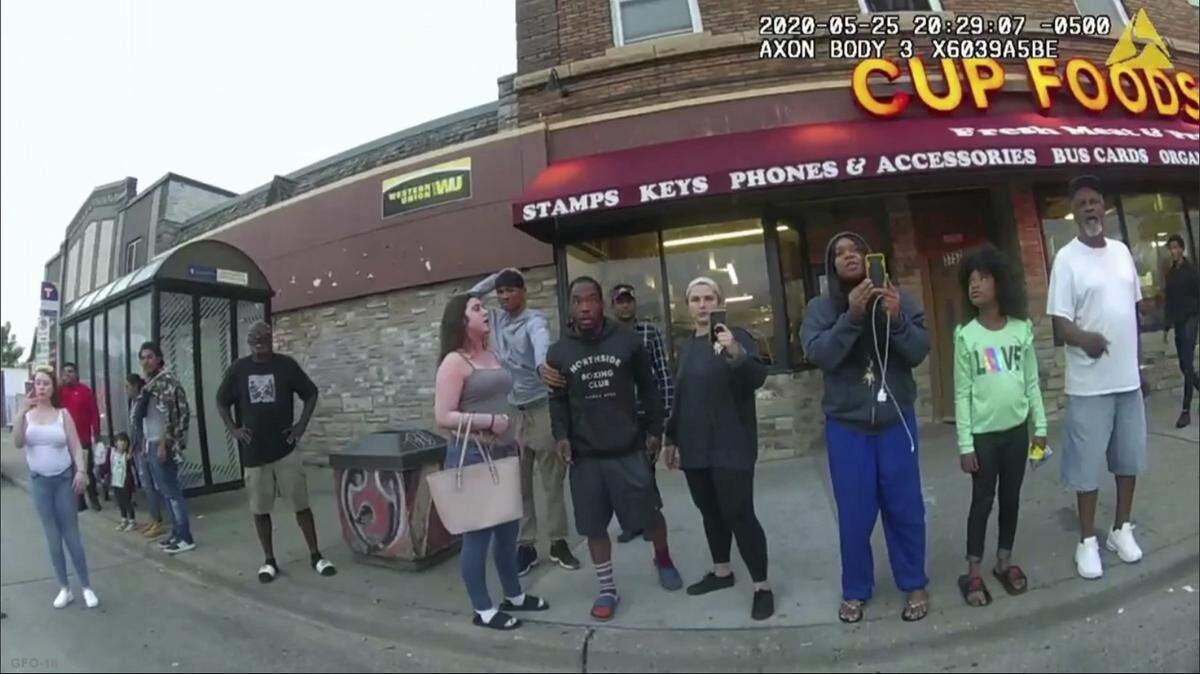
Darnella Frazier, who filmed George Floyd’s murder by police, should win a Pulitzer Prize
The Pulitzer Prize is the highest honor in Journalism. Darnella Frazier deserves to win one.
Roy Peter Clark at Nieman Lab presents the argument as soundly as anyone should need to hear it:
On May 25, 2020, a 17-year-old named Darnella Frazier stood on the sidewalk as police officer Derek Chauvin knelt on Floyd’s neck for almost 10 minutes. She stood there pointing her cell phone at a murder in progress, capturing video that spurred massive protests and resulted in Chauvin’s conviction on three counts...
...Her excruciating video had a social and ethical purpose, one that aligns with journalistic values: To give voice to the voiceless, to speak truth to power, to reveal secrets that the corrupt seek to hide, to stand strong in a moment of personal peril, and to document a fleeting reality that is fraught with meaning.
For the culture
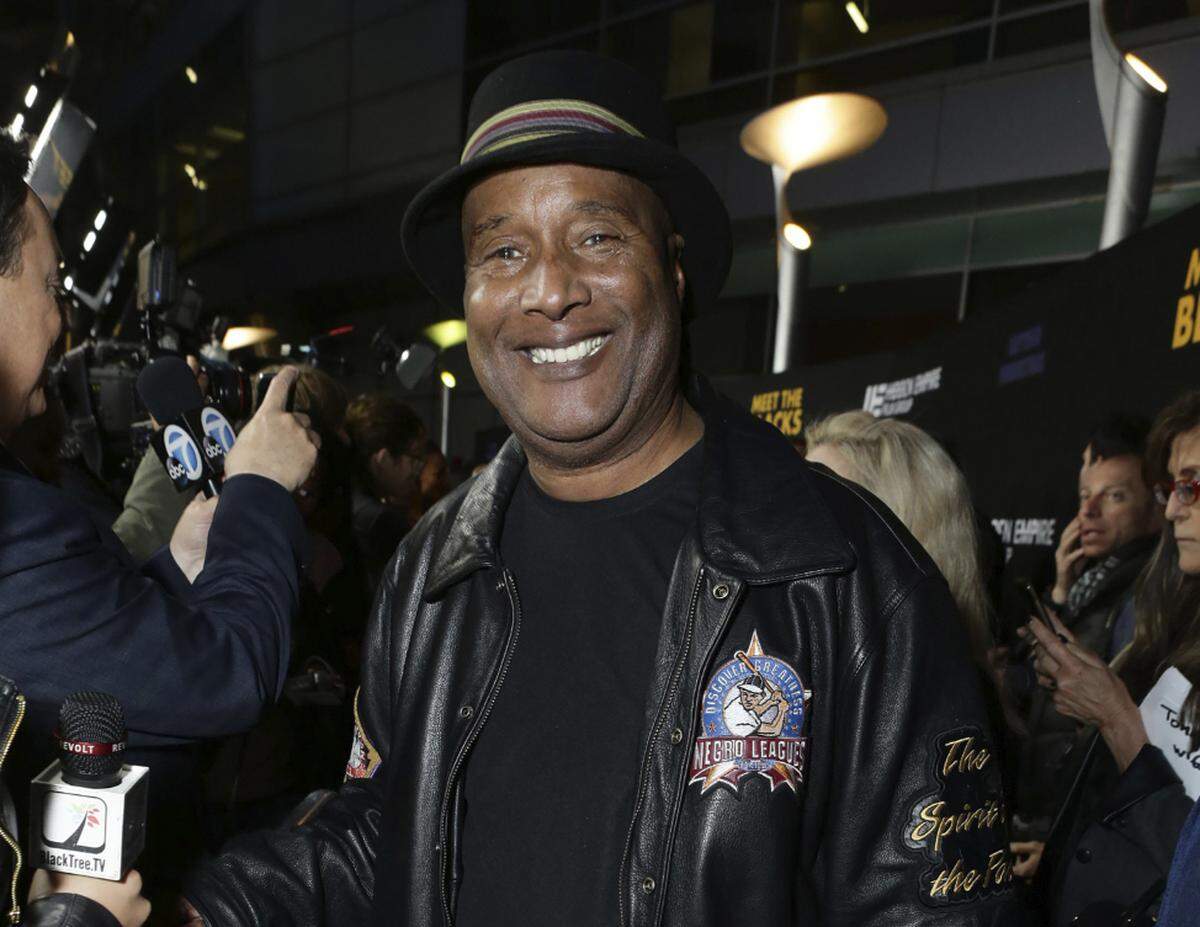
“Paul Mooney will be sorely missed and wildly celebrated” — Dave Chappelle
Paul Mooney, the iconic comic, writer and actor, died Wednesday at his home in Oakland.
“One of the best that ever did it passed away today. His legacy will live forever. He did everything from ‘Richard Pryor Show’ to ‘Chappelle Show,’ he’s one of the first Black people in the Writers Guild — Paul Mooney will be sorely missed and wildly remembered. I’ll see to that,” Dave Chappelle told TMZ on Wednesday.
First time I saw Paul Mooney was when he portrayed Sam Cooke in “The Buddy Holly Story” with Gary Busey. But I’ll always remember Mooney for the work he did on “Chappelle Show,” including the segment “Ask a Black Dude”:
“Black people walk like that because we have style, we got flavor, we got rhythm. I mean, the Black man in America is the most copied man on this planet, bar none. Everybody want to be a nigga, but nobody want to be a nigga.”
Paul Mooney was provocative, inspired and had a matter of fact way of addressing race that made him your favorite comedian’s favorite comedian.
Check this out...
Demi Lovato says they are nonbinary and changing their pronouns
Billy Porter Breaks a 14-Year Silence: “This Is What HIV-Positive Looks Like Now”
Sign off!
Did someone forward this newsletter to you? You can sign-up here. If you’d prefer to unsubscribe from this newsletter, you can do so at any time using the “Unsubscribe” link at the bottom of this message.